Carlos Stewart :
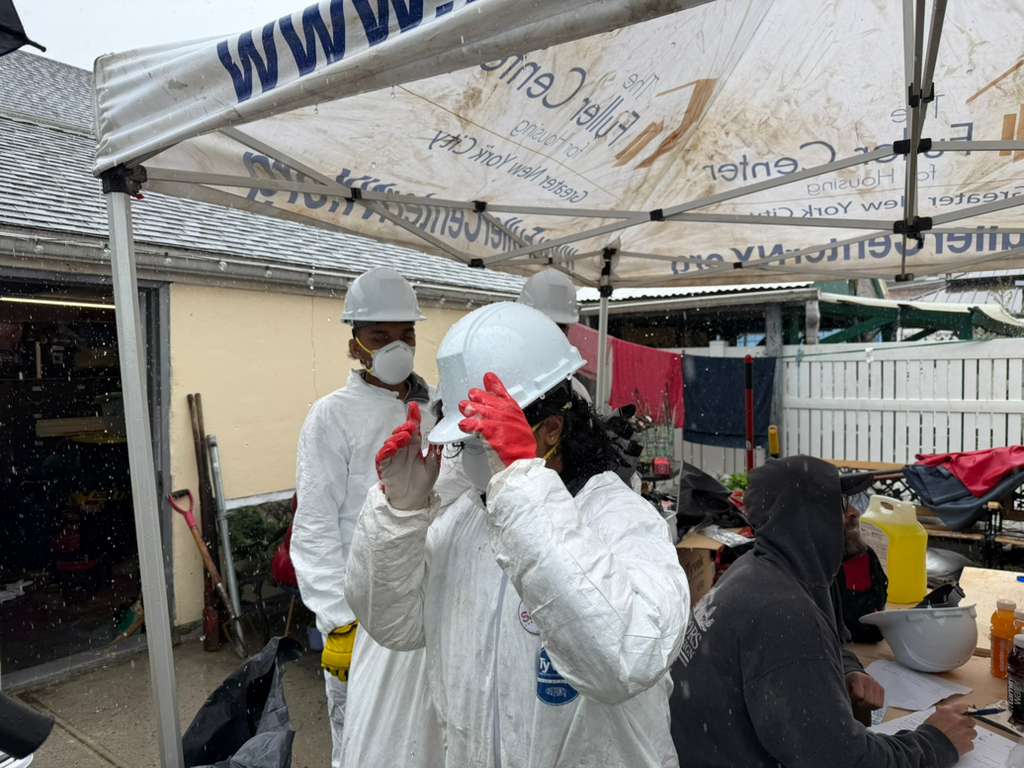
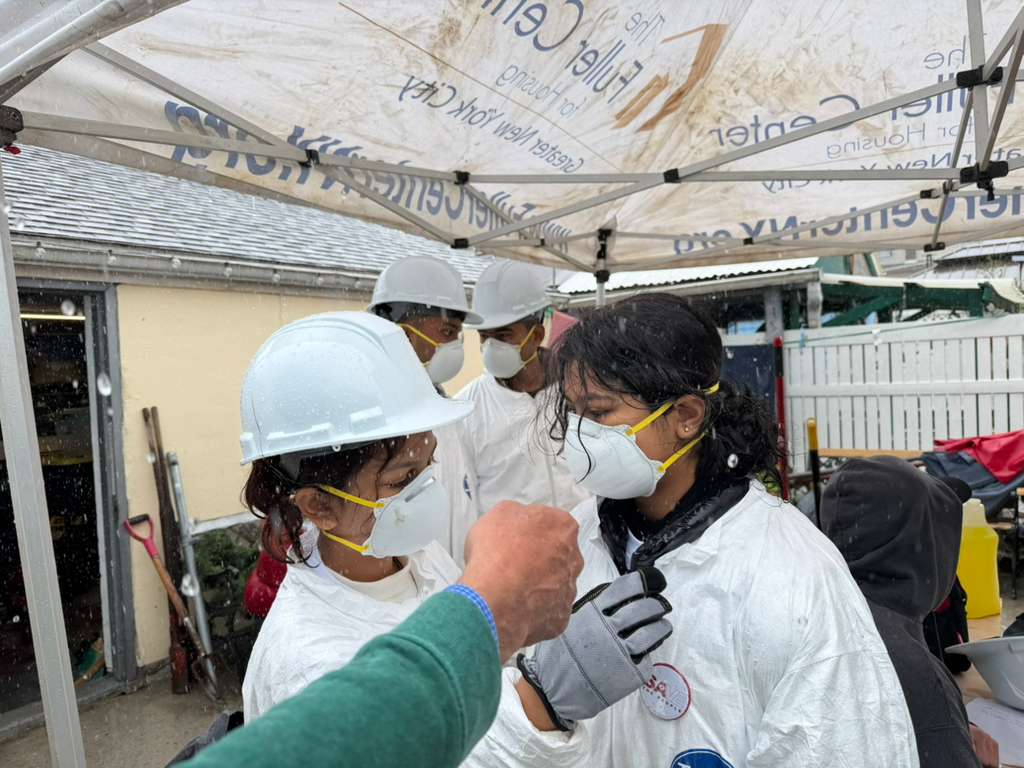
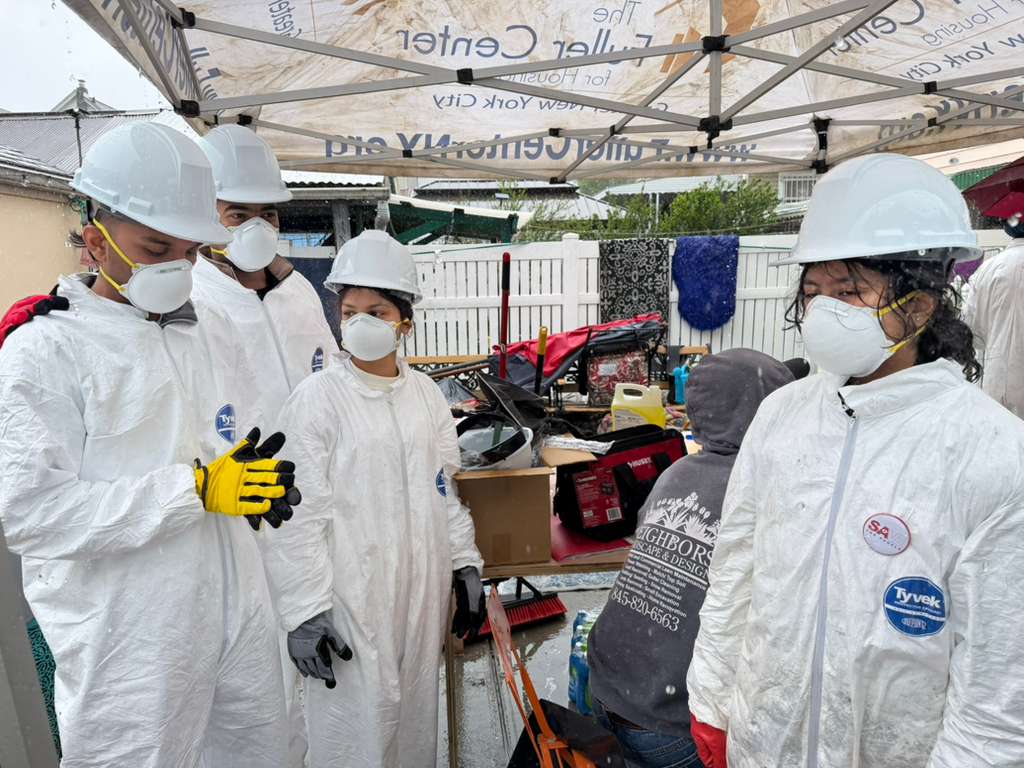
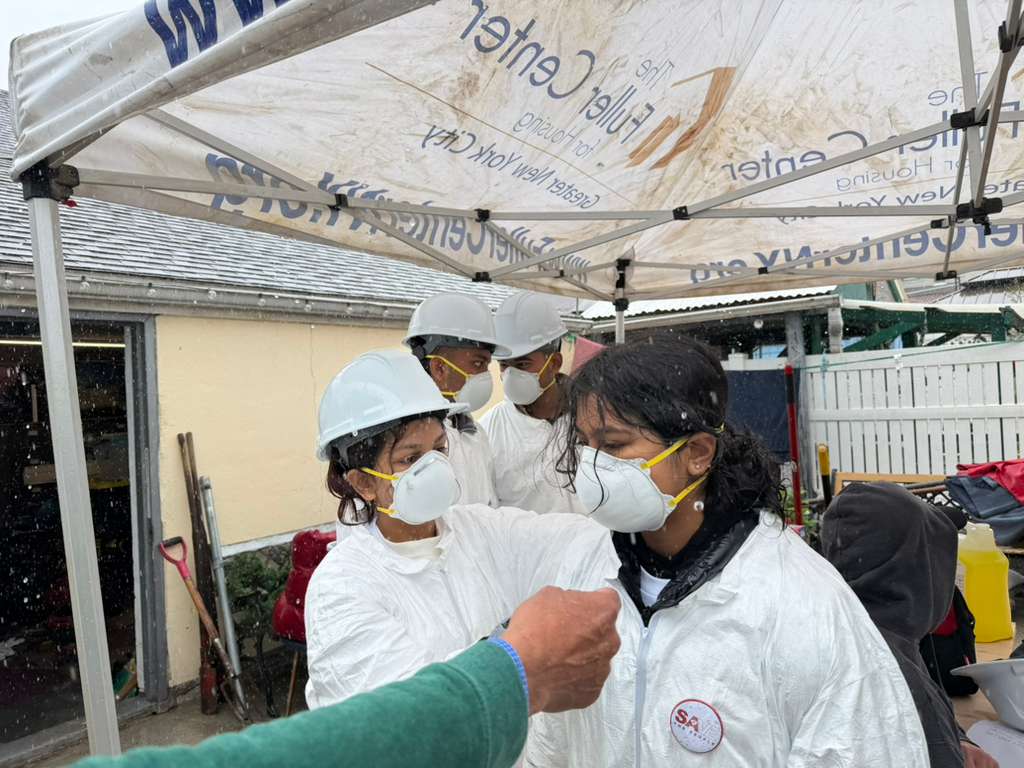
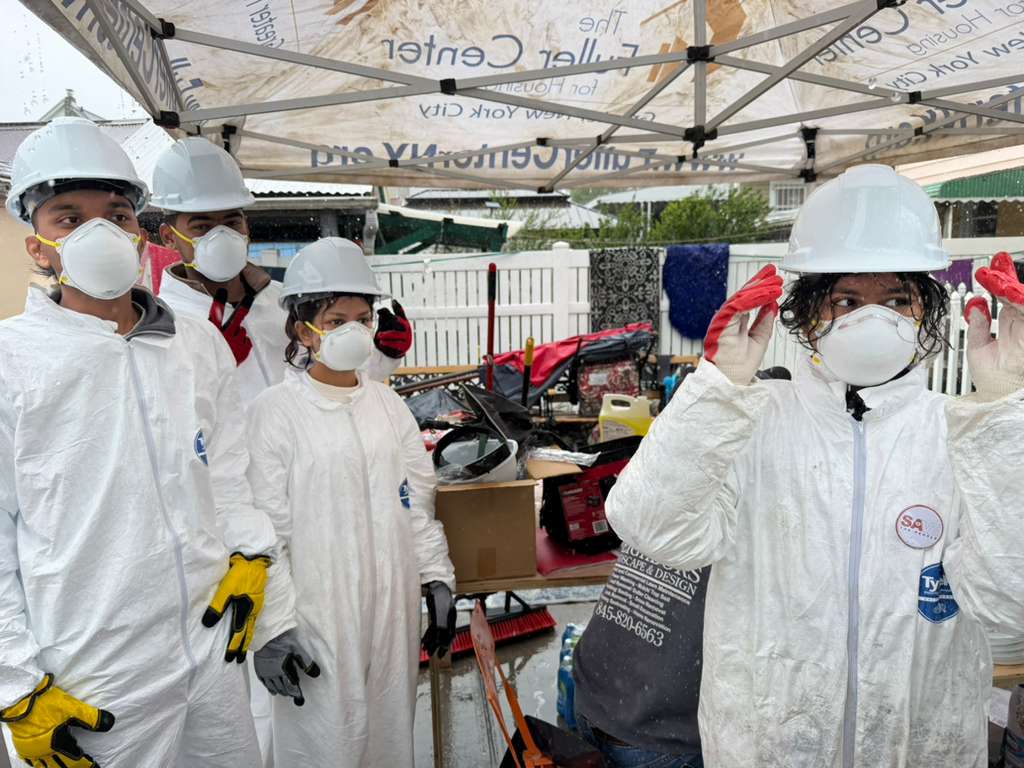
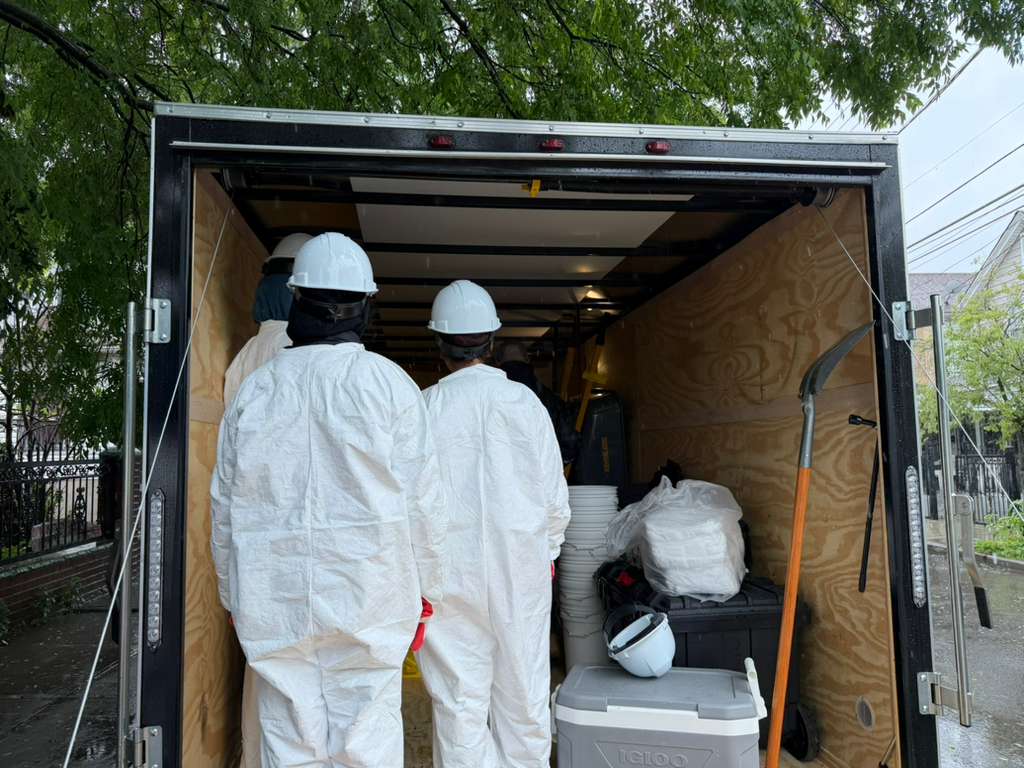
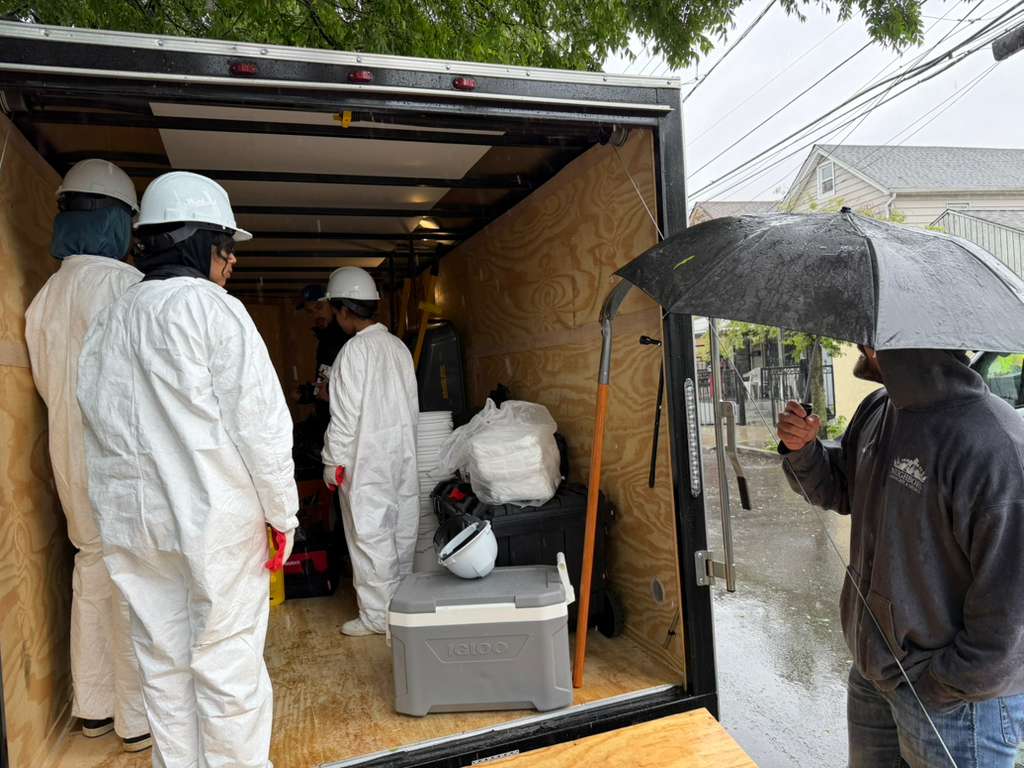
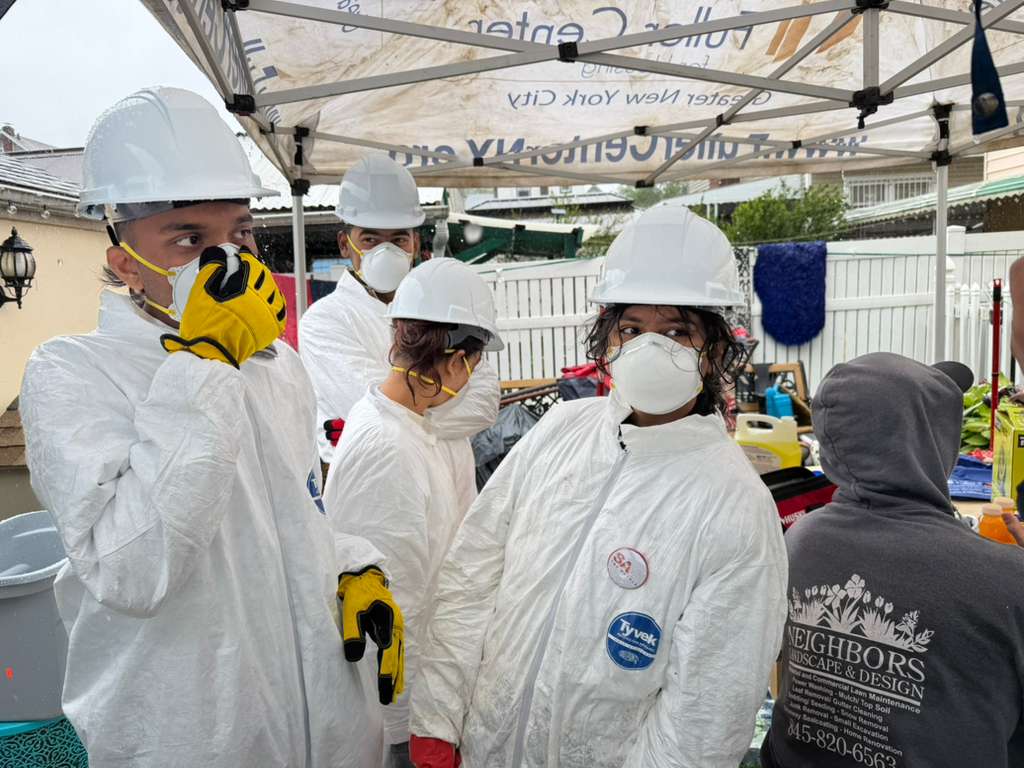
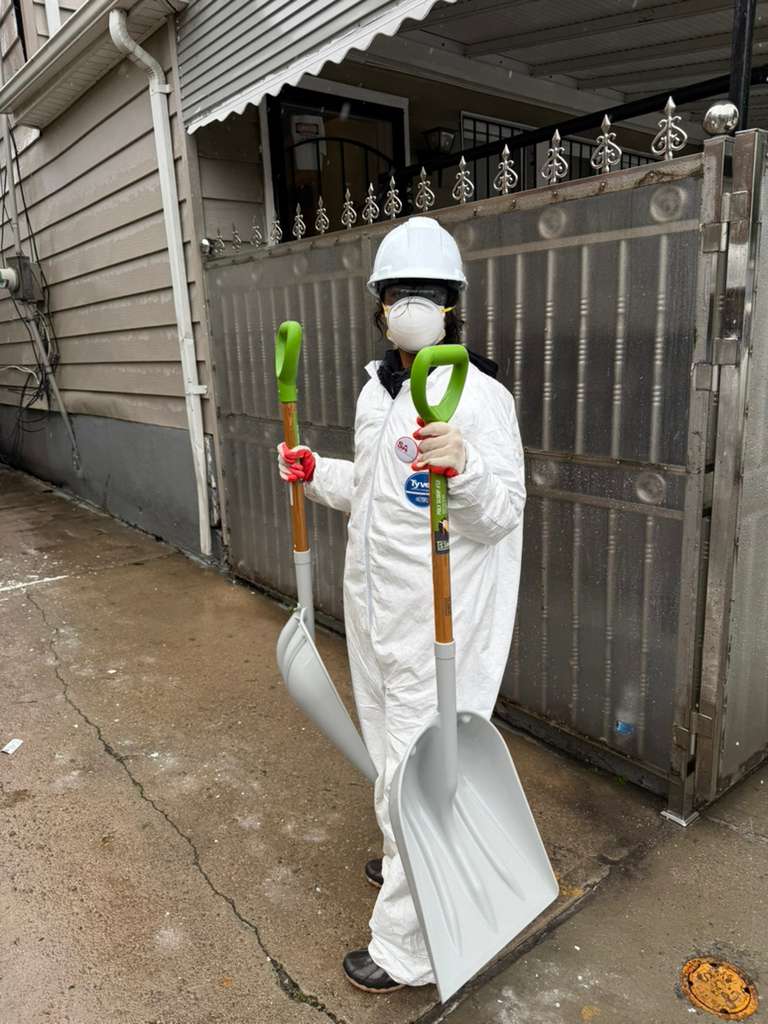
In the aftermath of flash flooding in Jamaica, Queens, volunteers from several community and disaster-response organizations joined forces to help affected families clean out damaged homes and begin the difficult path toward recovery.
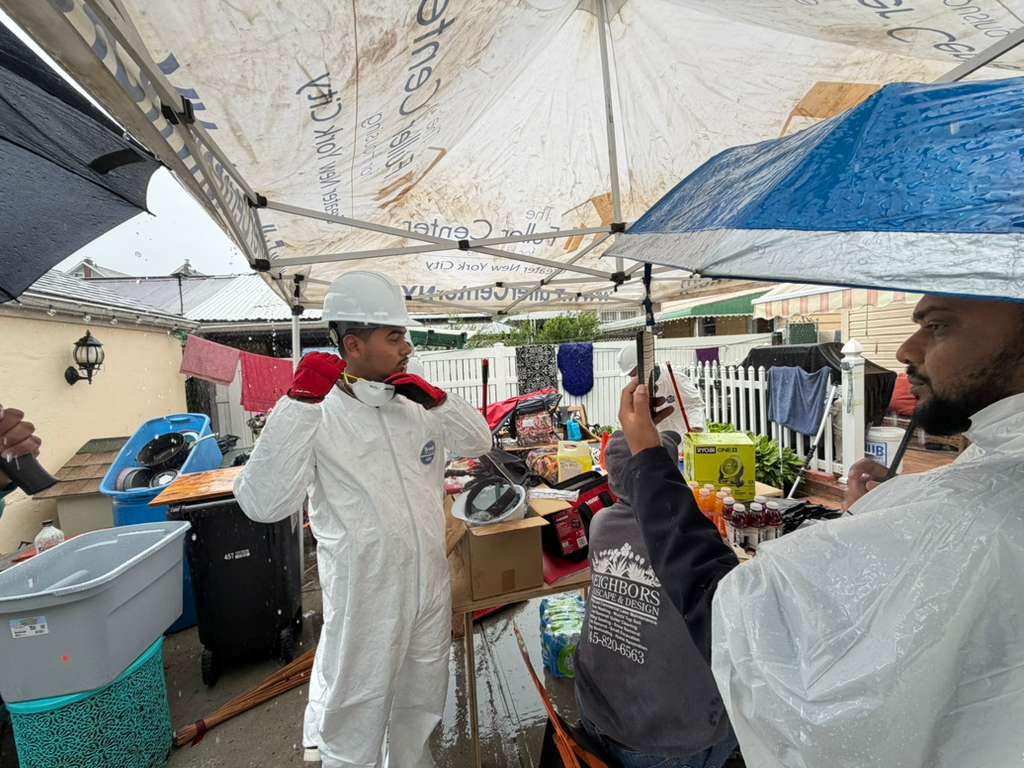
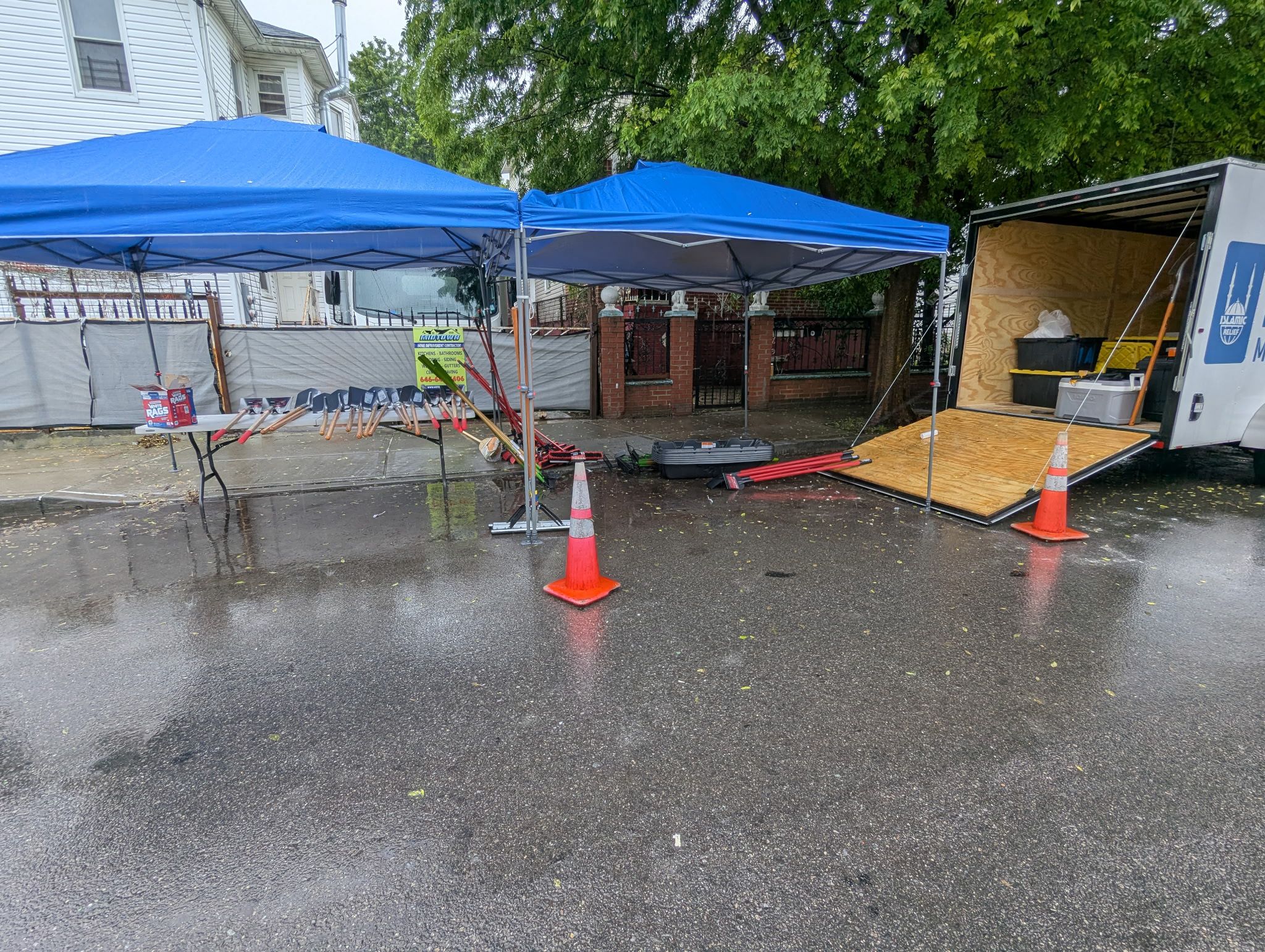
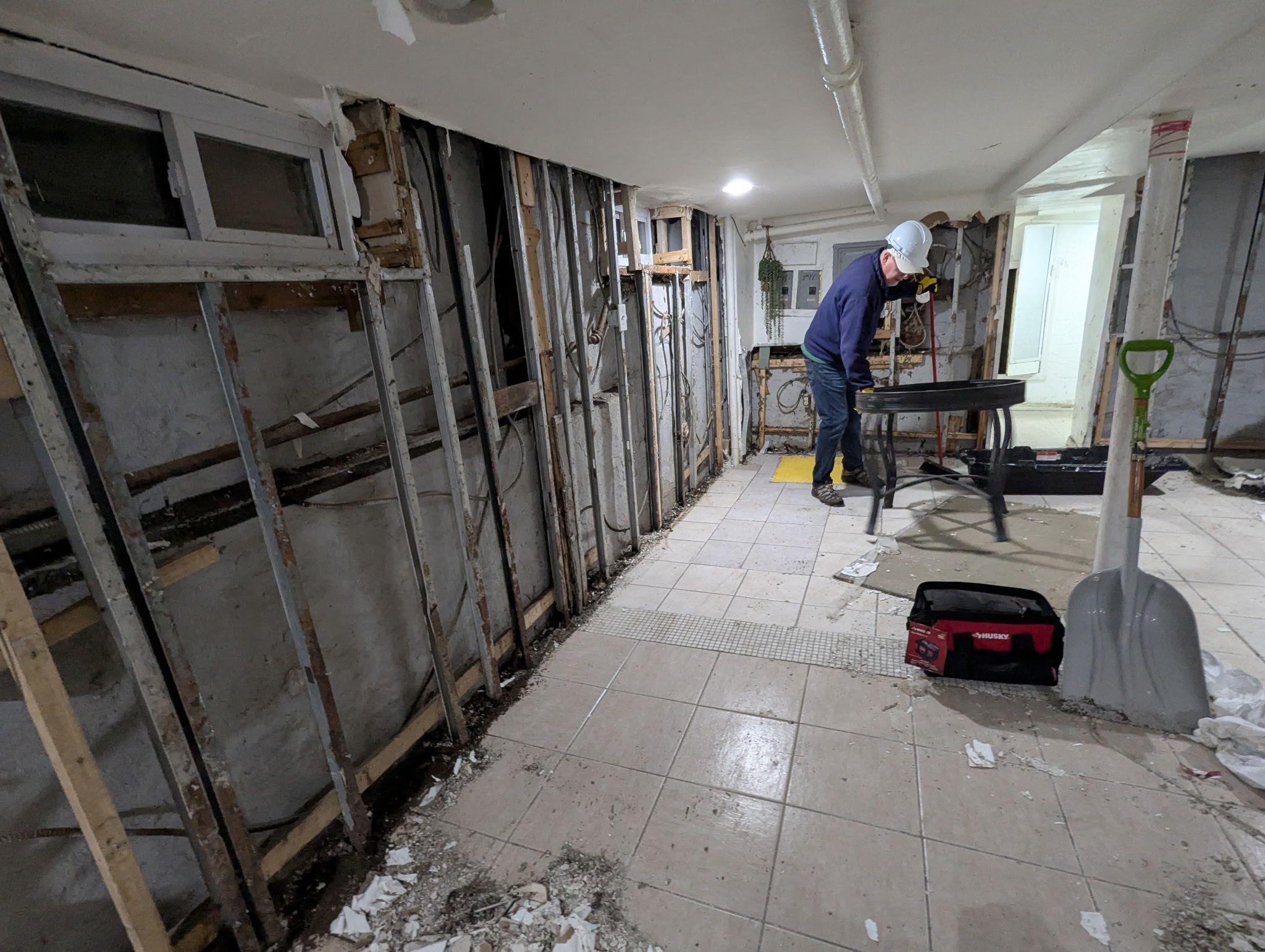
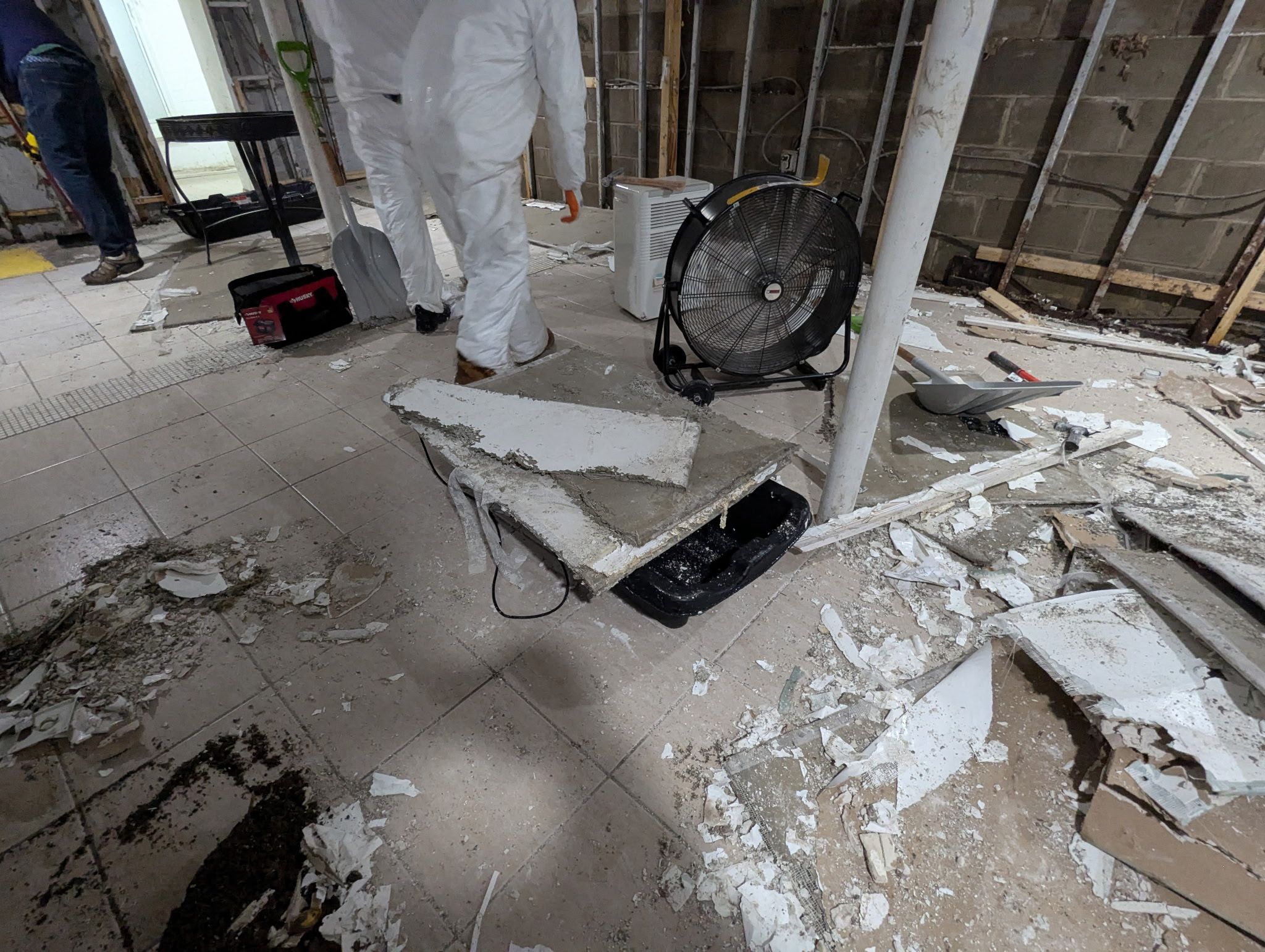
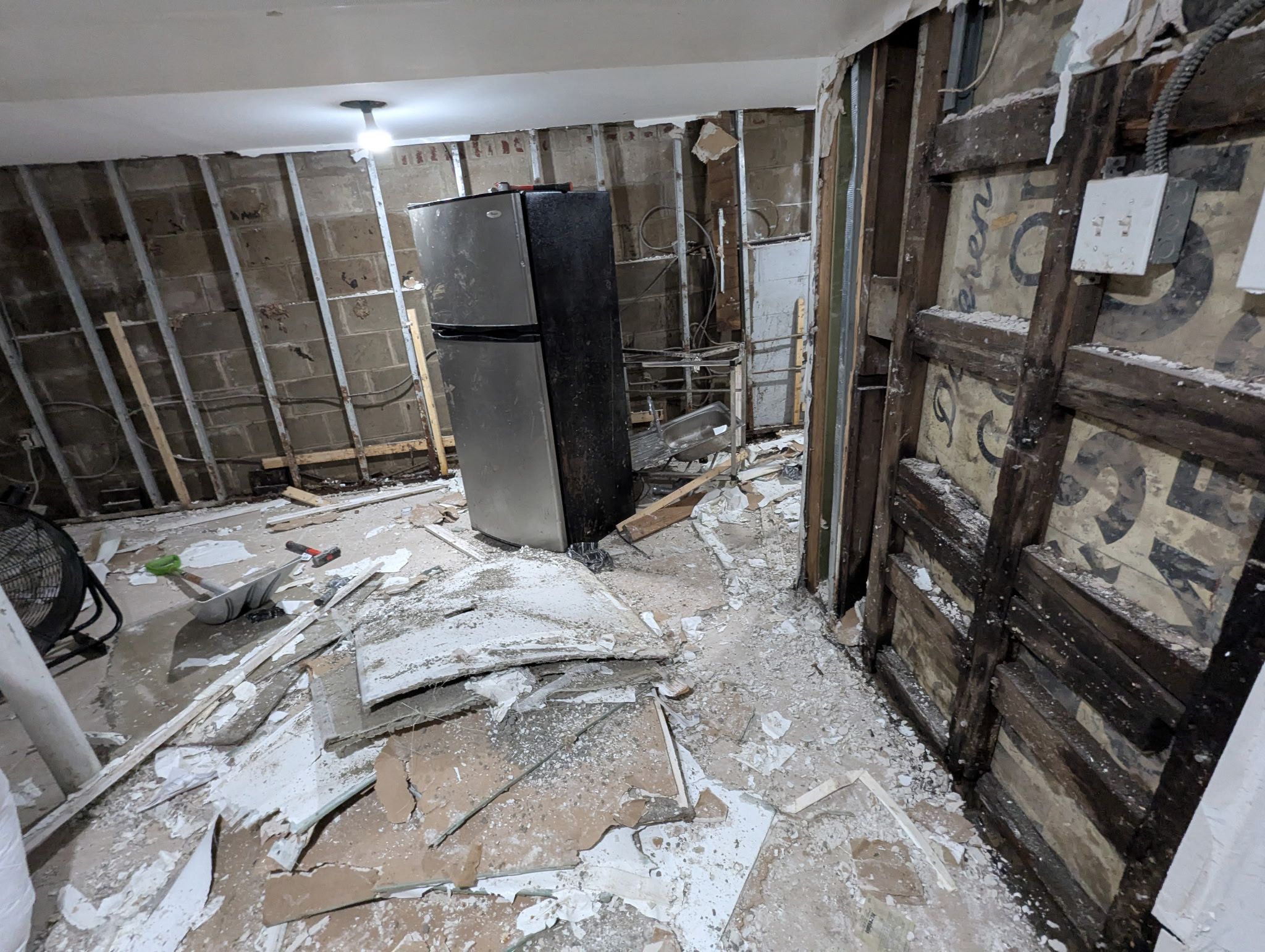
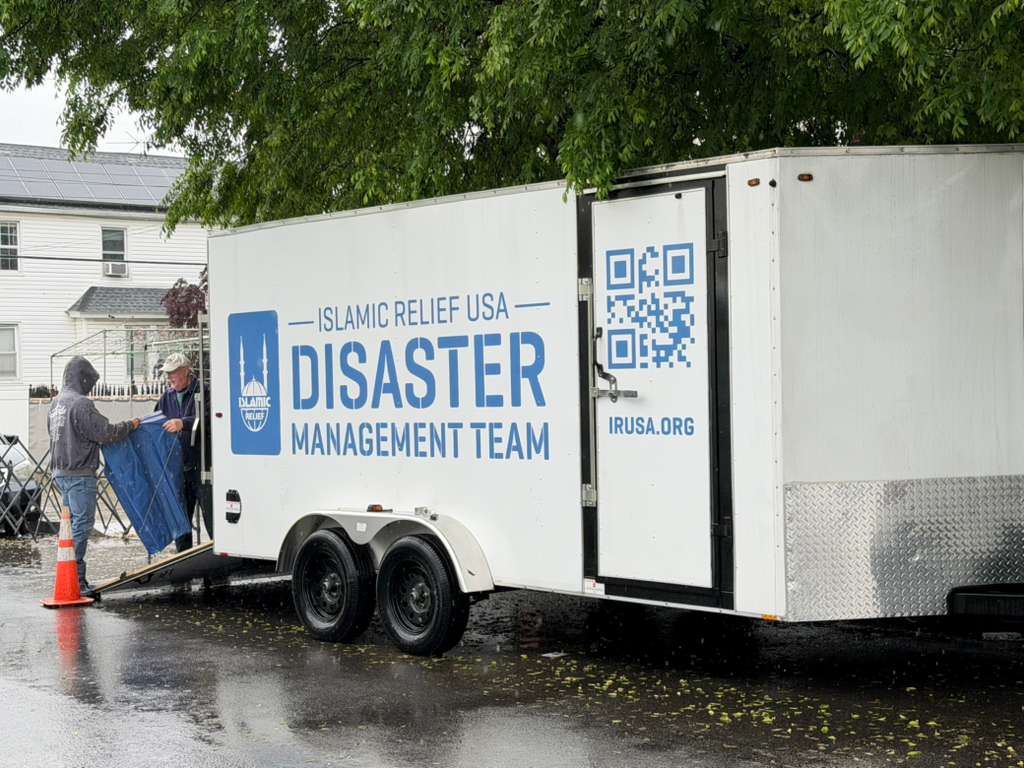
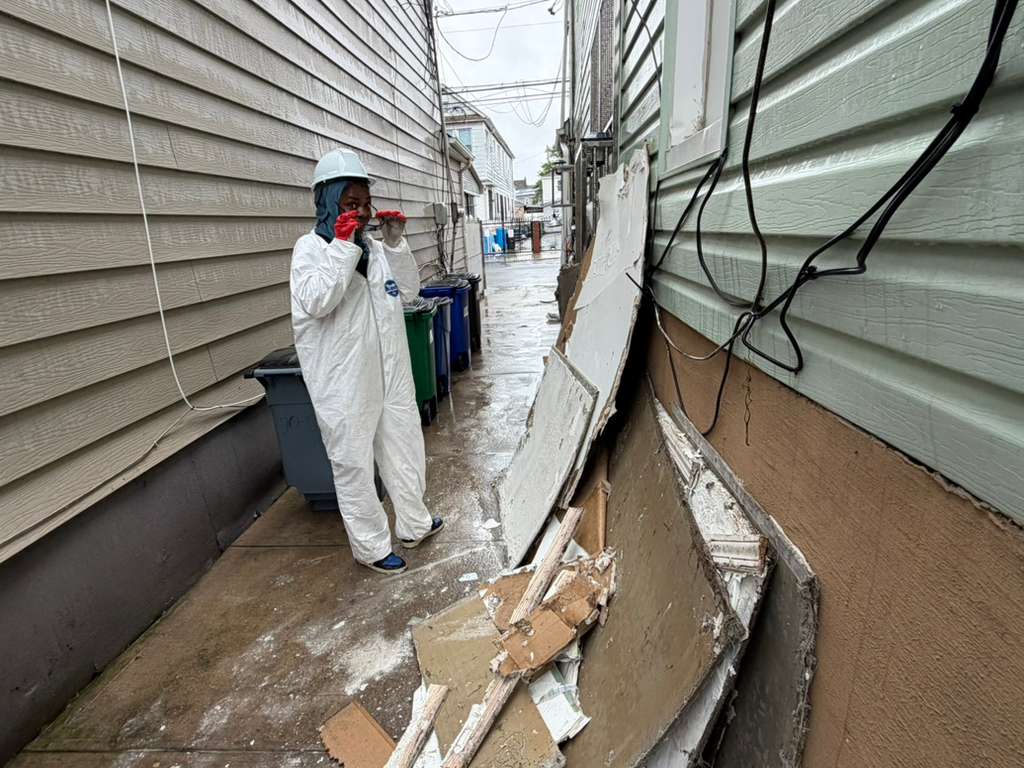
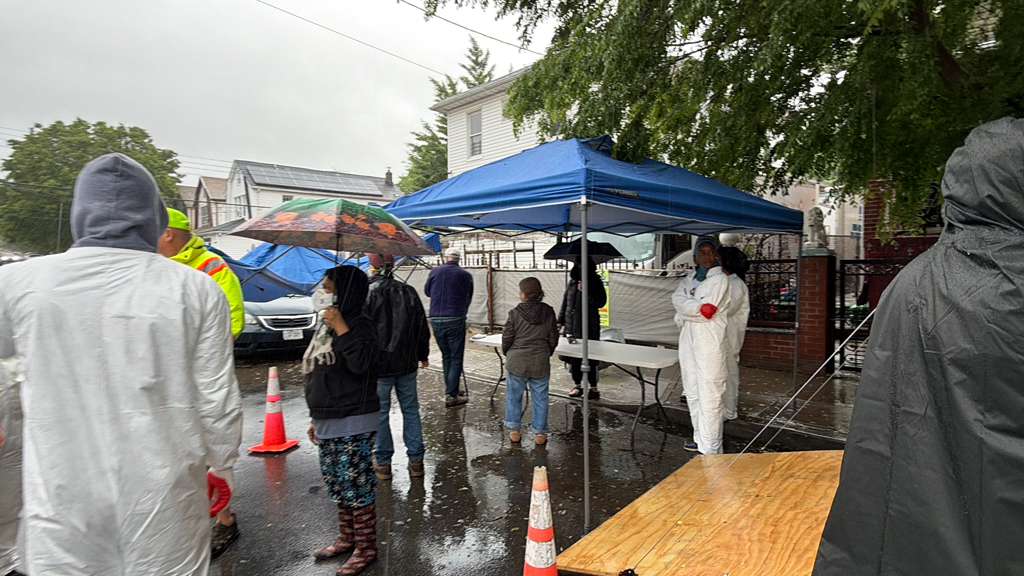
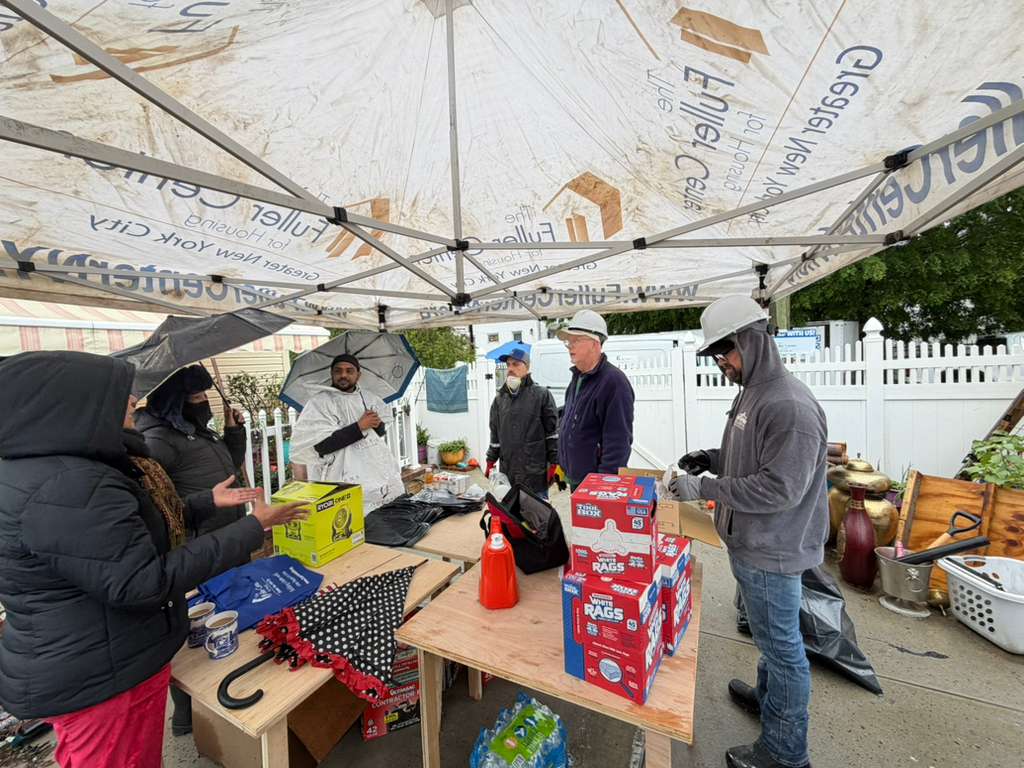
The house-cleaning operation brought together Save The People USA (STPUSA), Islamic Relief USA (IRUSA), NYDIS, and other partners responding to homes damaged by heavy rain and flooding. Many residents saw basements flooded, household belongings destroyed, and water rising close to first-floor levels, leaving some families displaced and in urgent need of assistance.
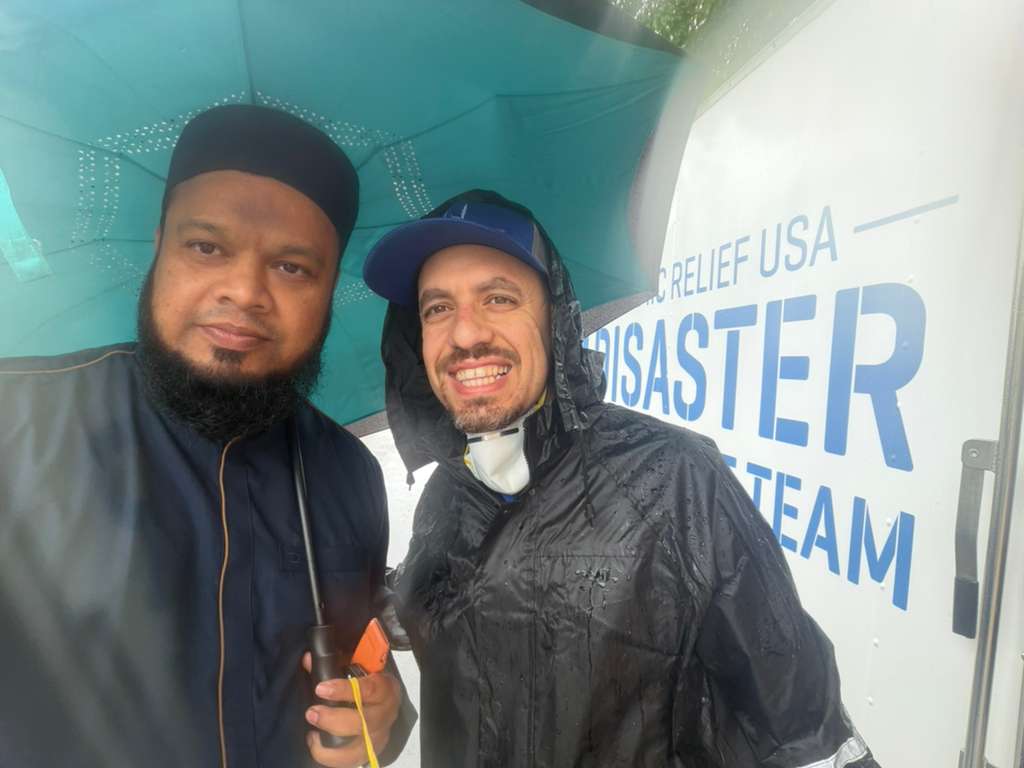
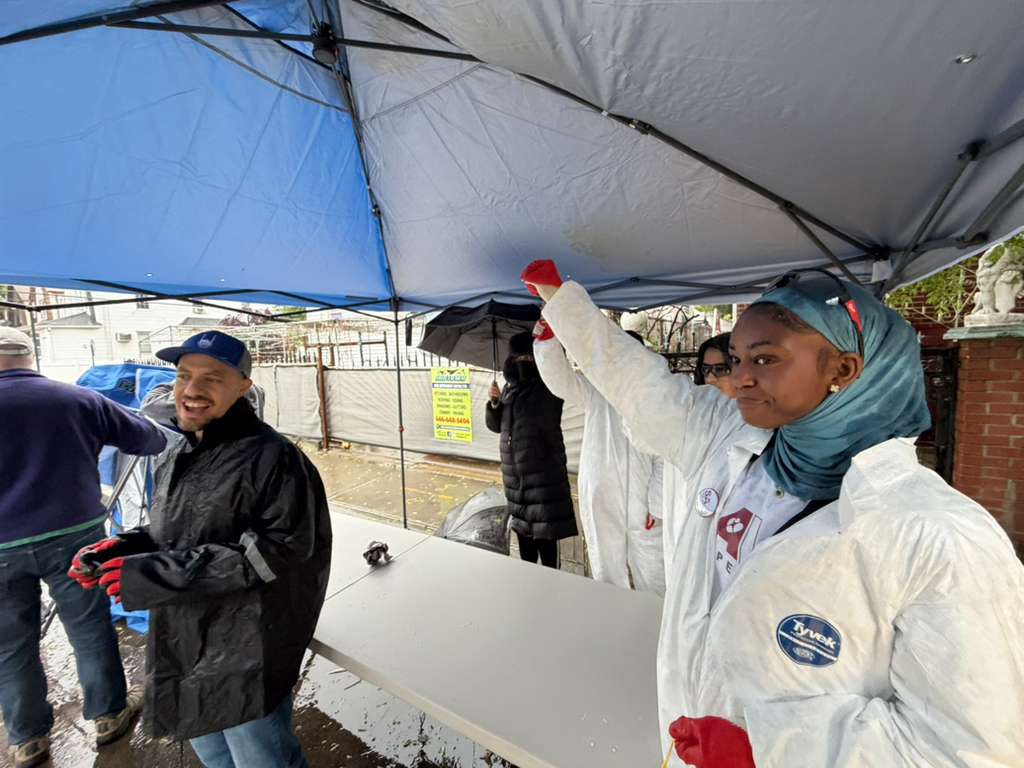
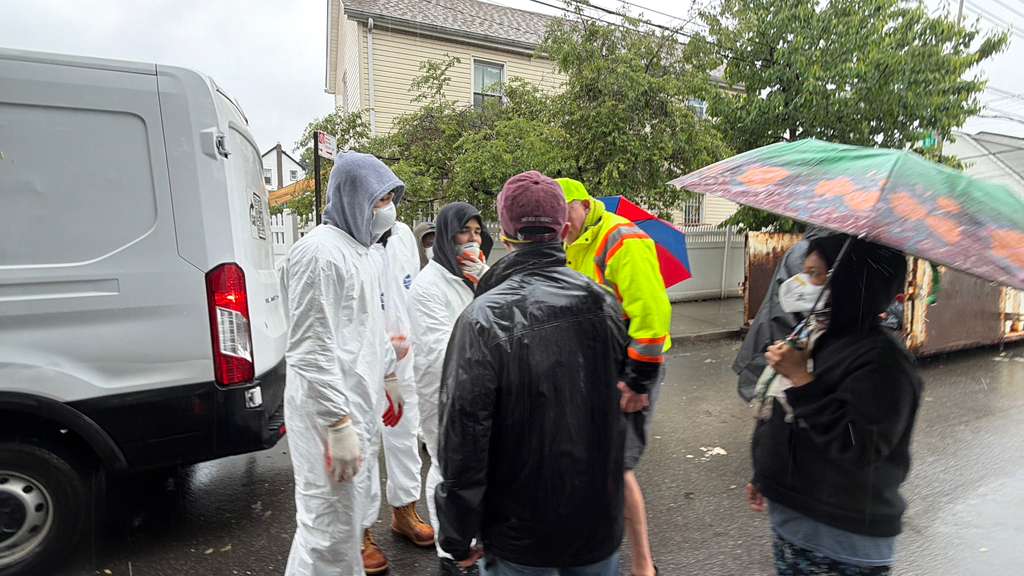
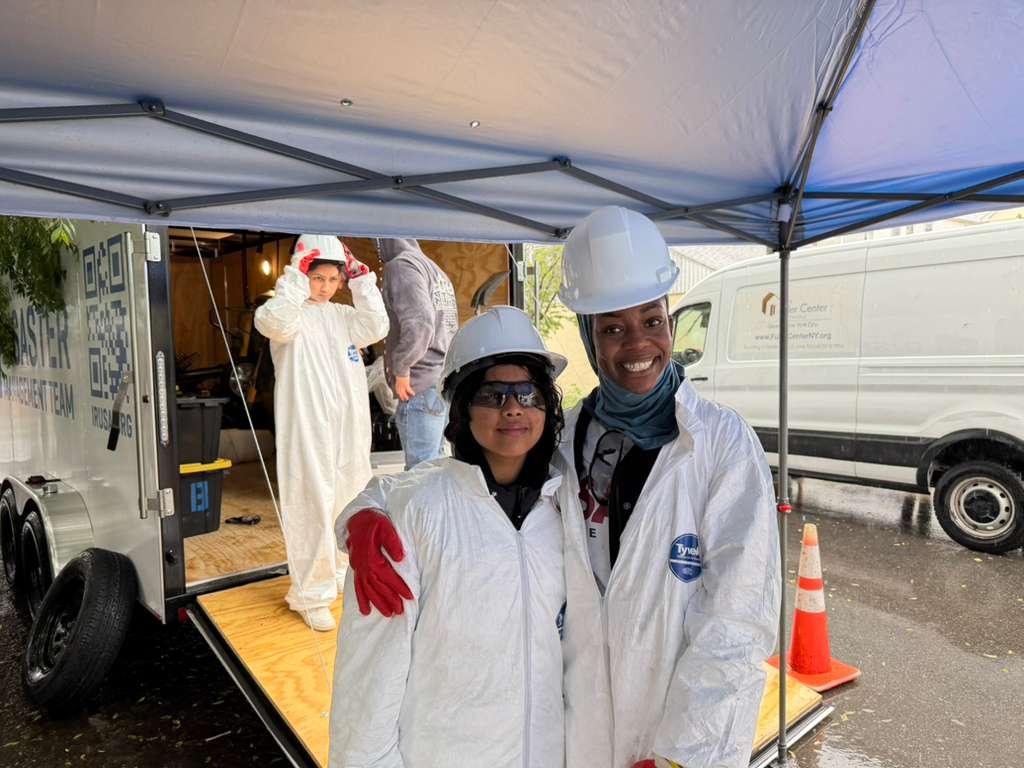
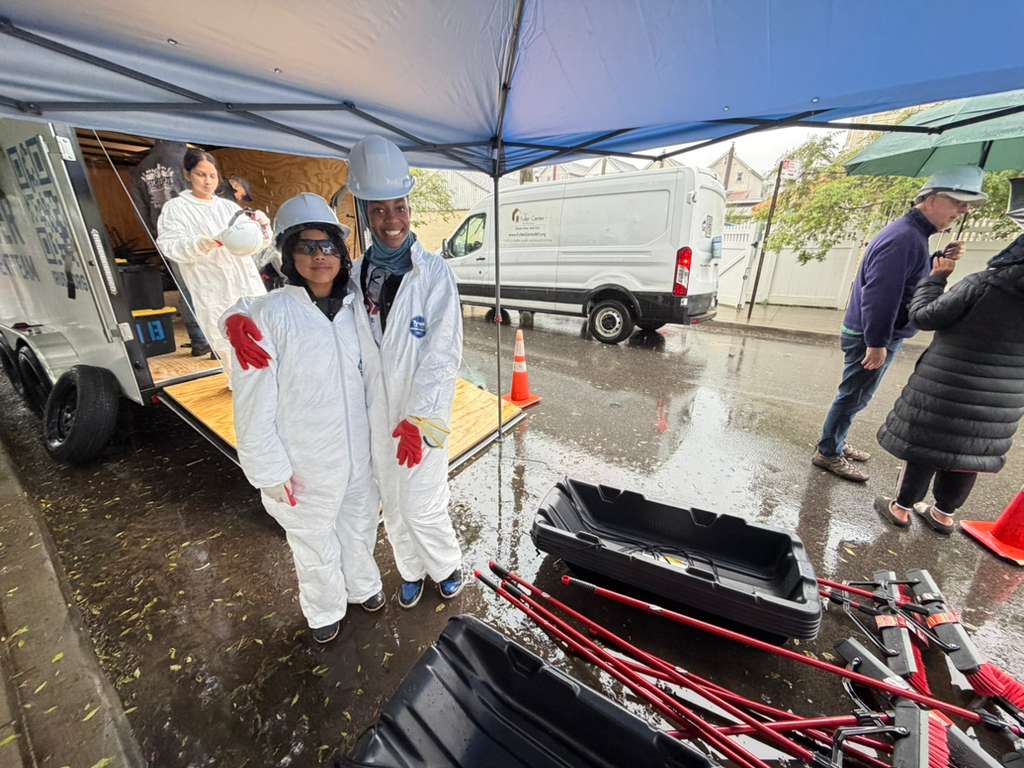
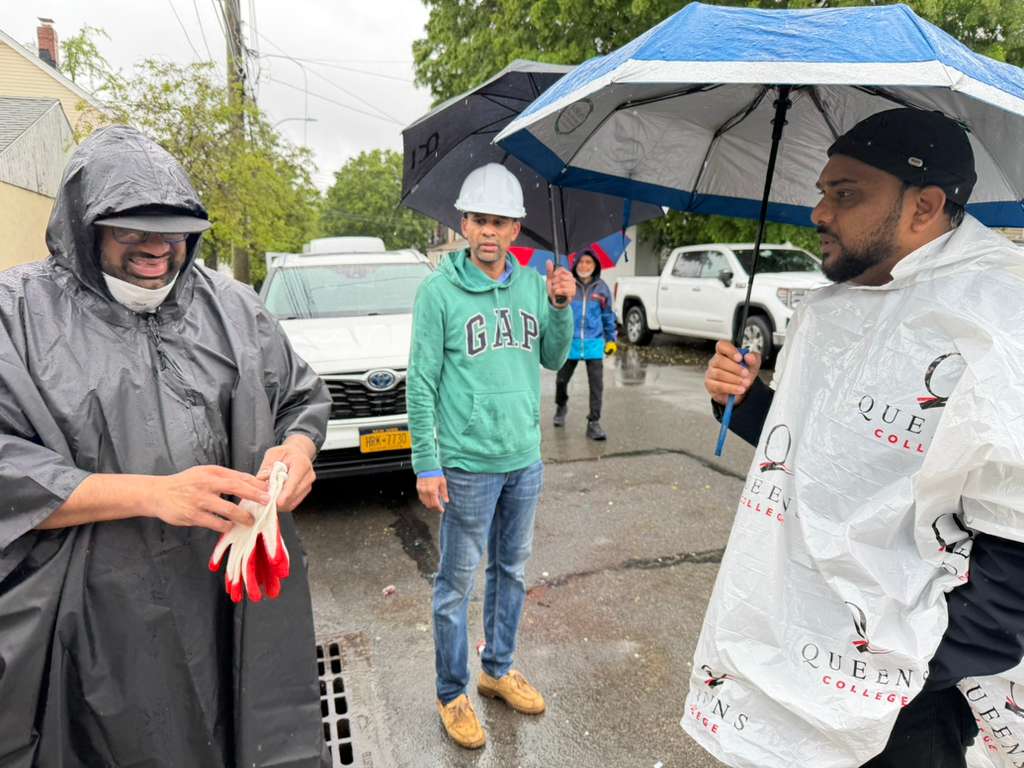
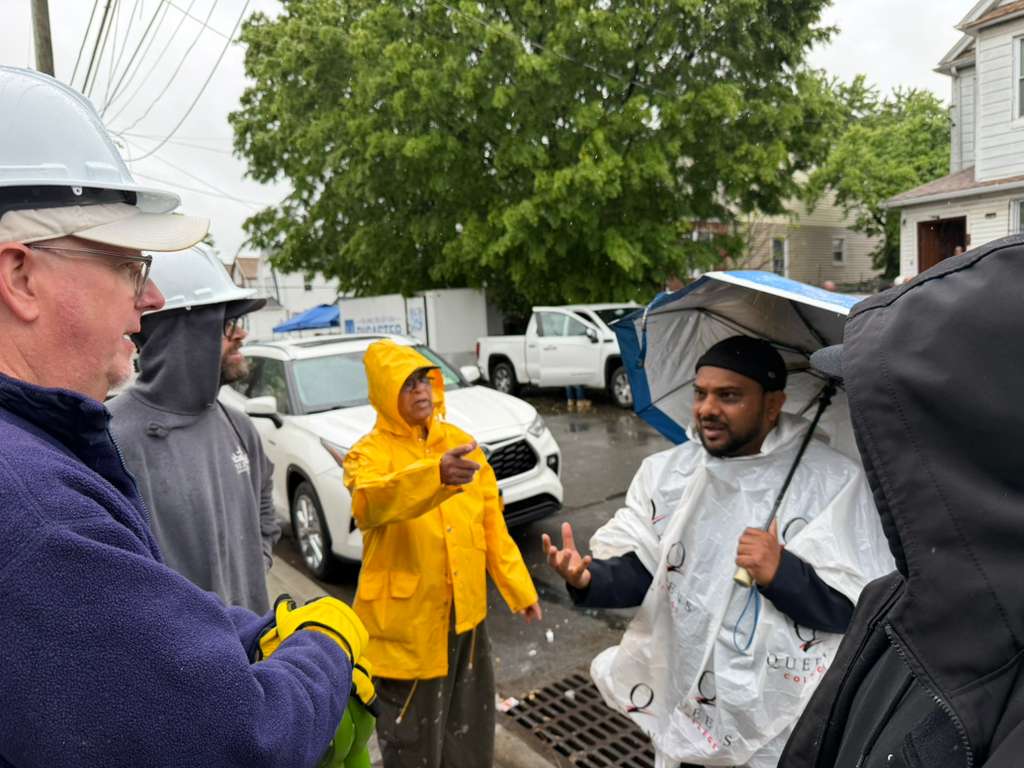
Fatima Niass, Program Manager of STPUSA, helped lead the volunteer team on the ground. Imam Muhammad Shahidullah, CEO of Save The People USA, also joined the operation, along with JMC Secretary Fakhrul Islam Delwar, who assisted volunteers and flood-affected residents. Other representatives and volunteers from partner organizations were also present.
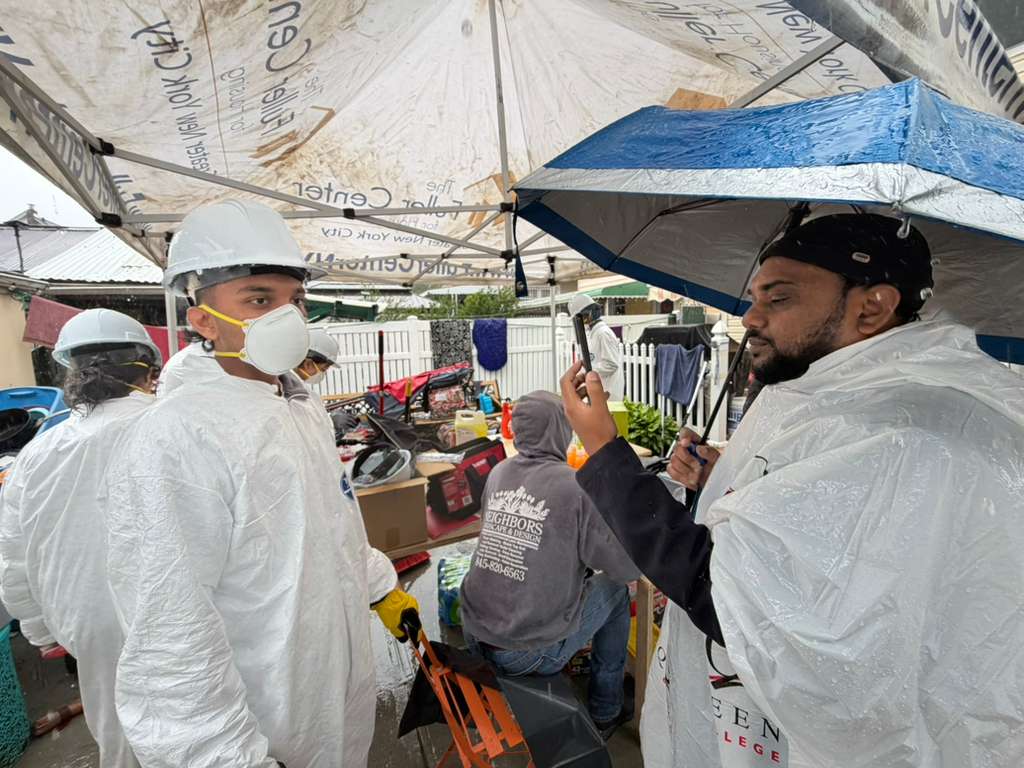
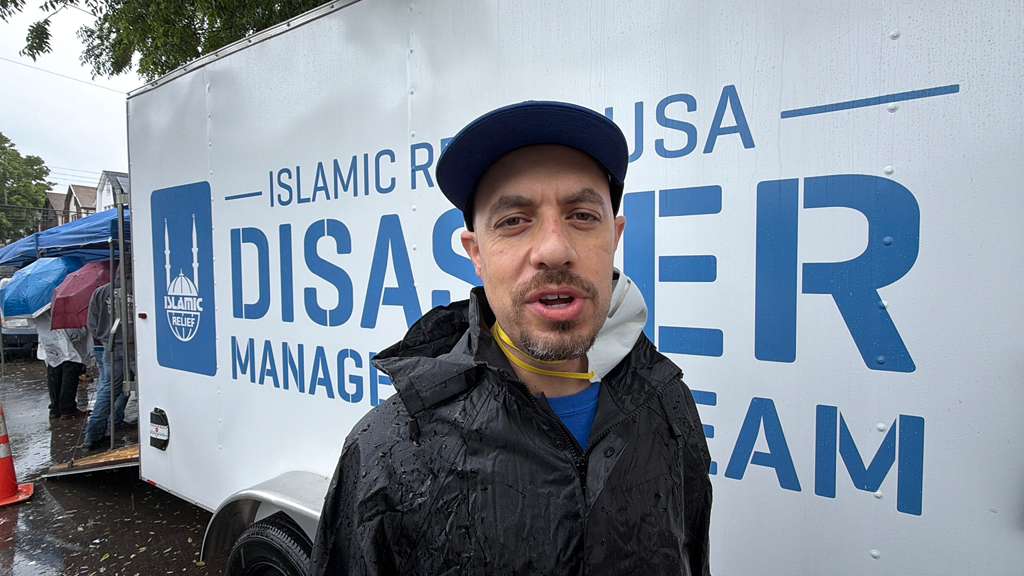
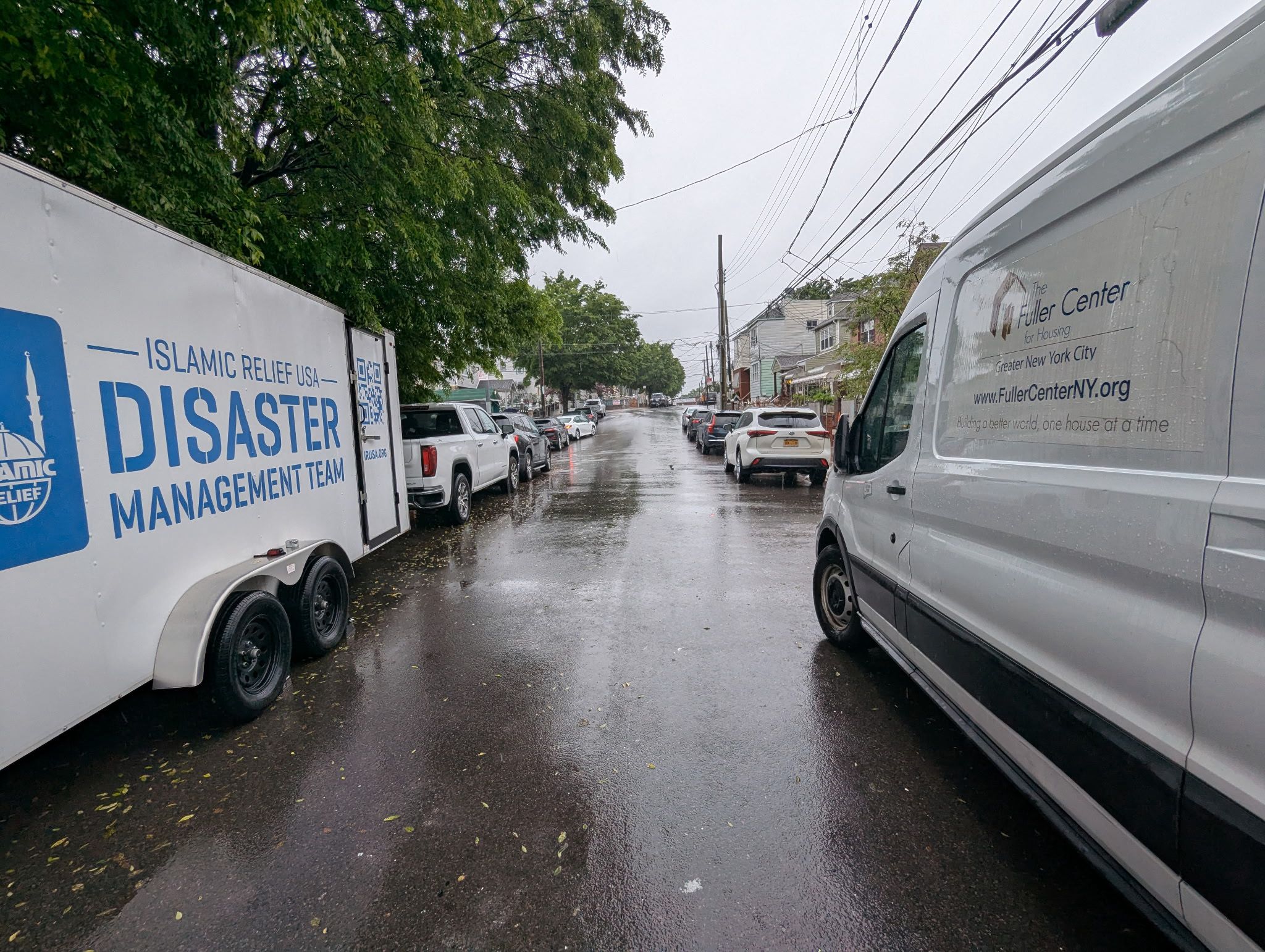
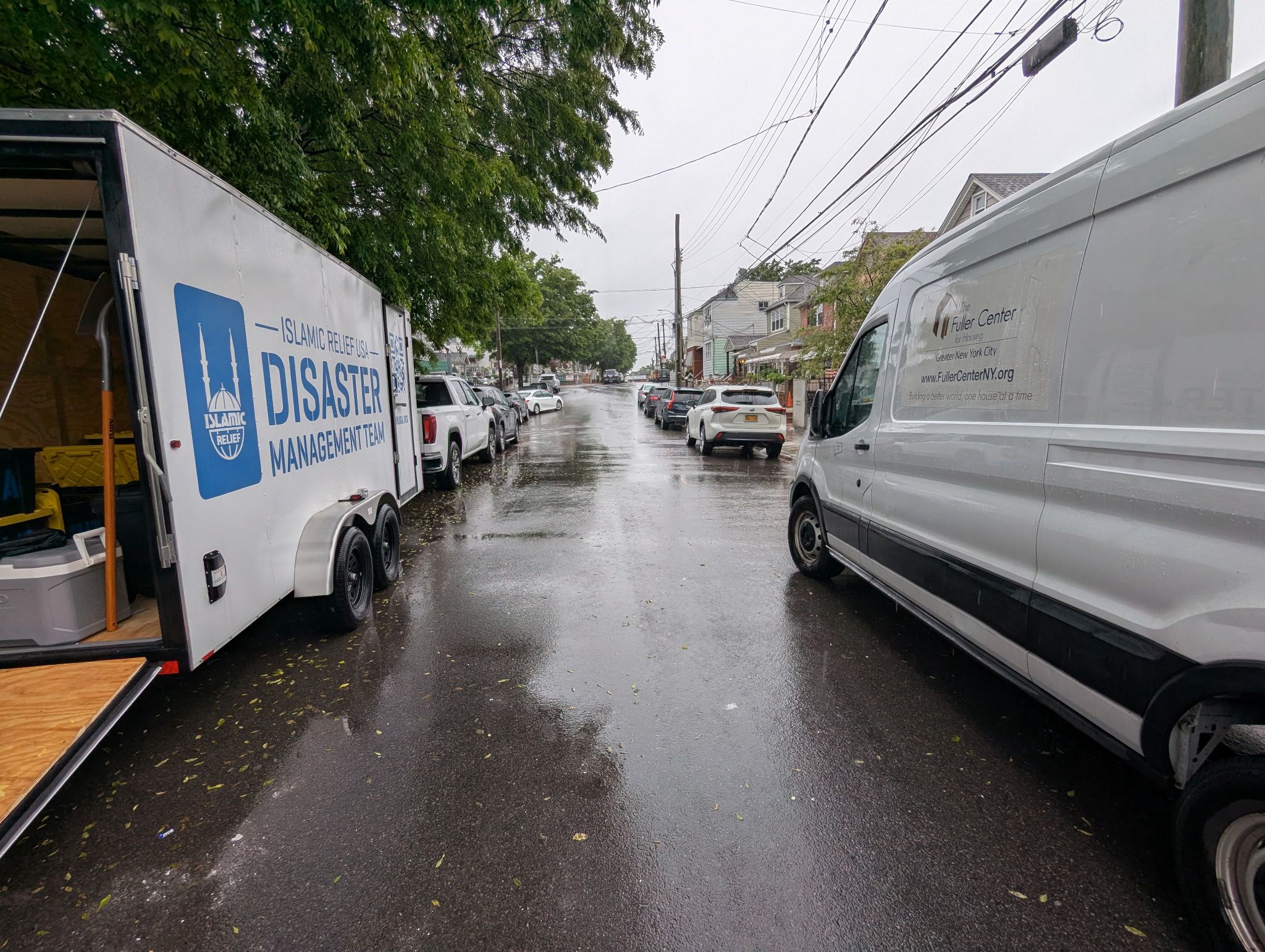
Speaking from the scene, Abdullah Shevky, Senior National Disaster Specialist with Islamic Relief’s Disaster Management Team, said teams had deployed to support the local community after flash flooding damaged multiple homes. “This is what it’s all about, is coming together as a community, working together, helping one another,” he said.
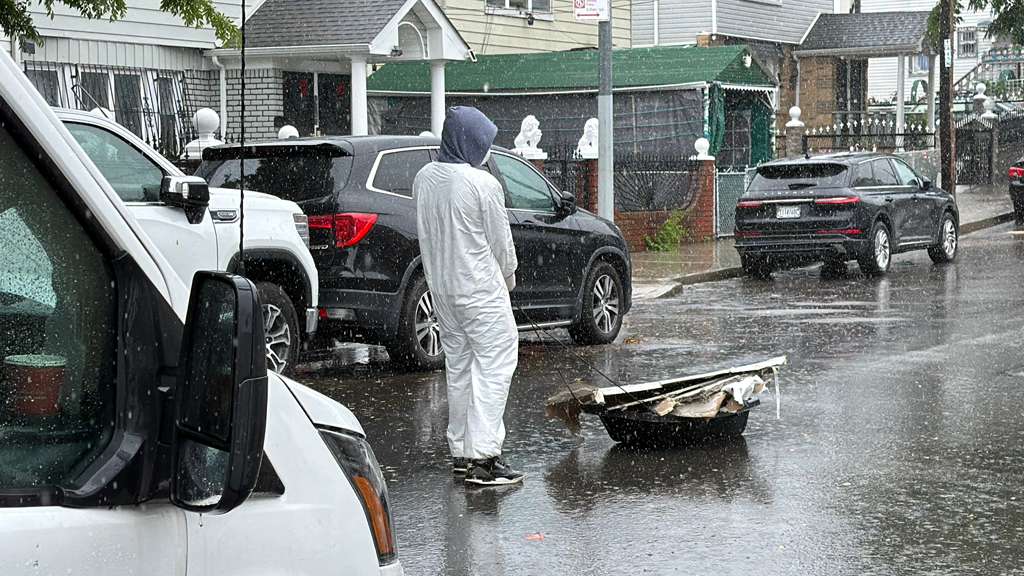
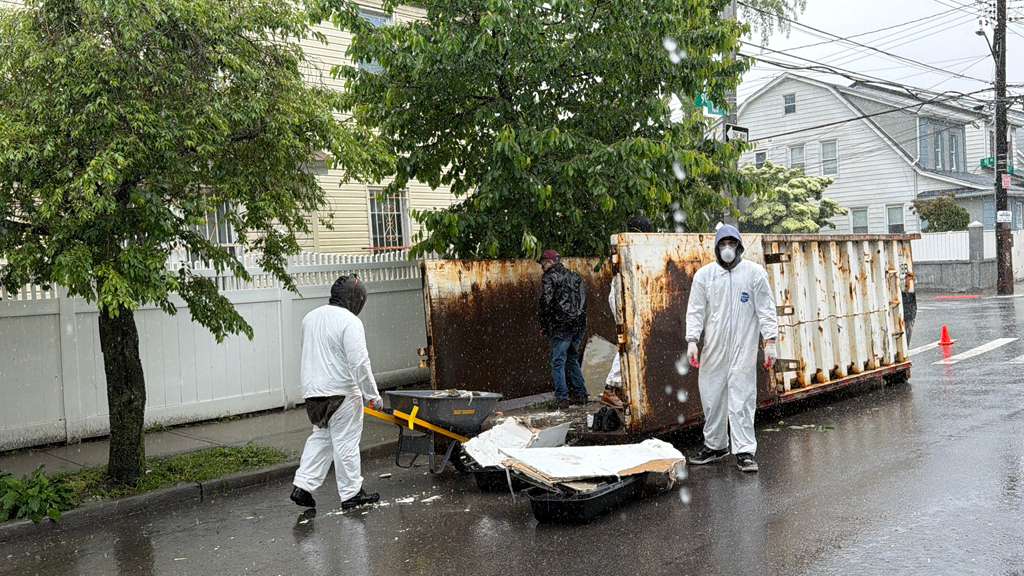
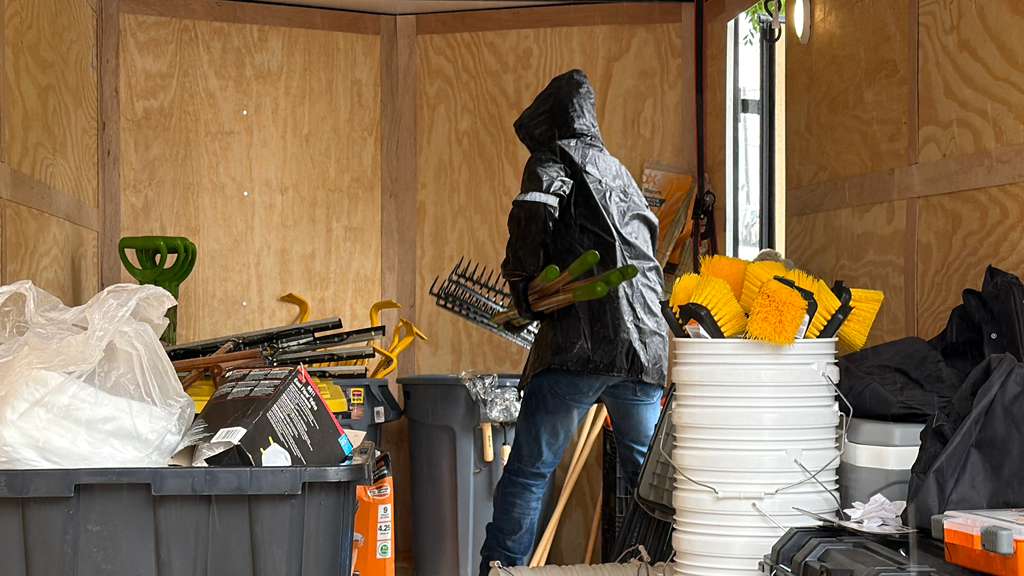
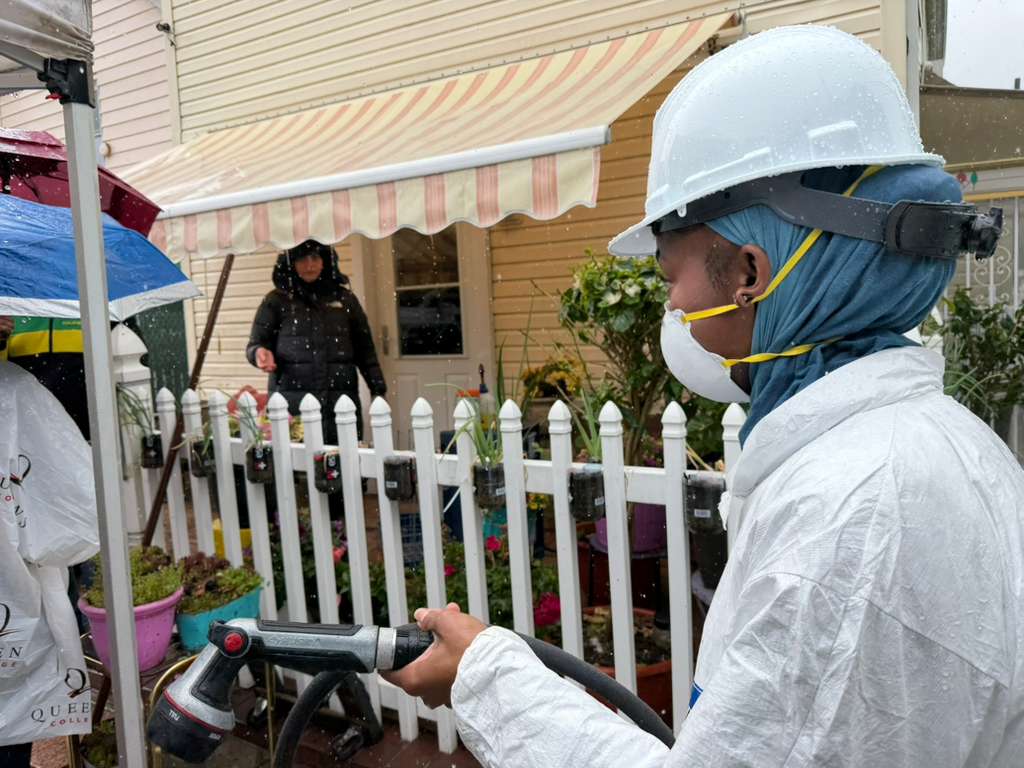
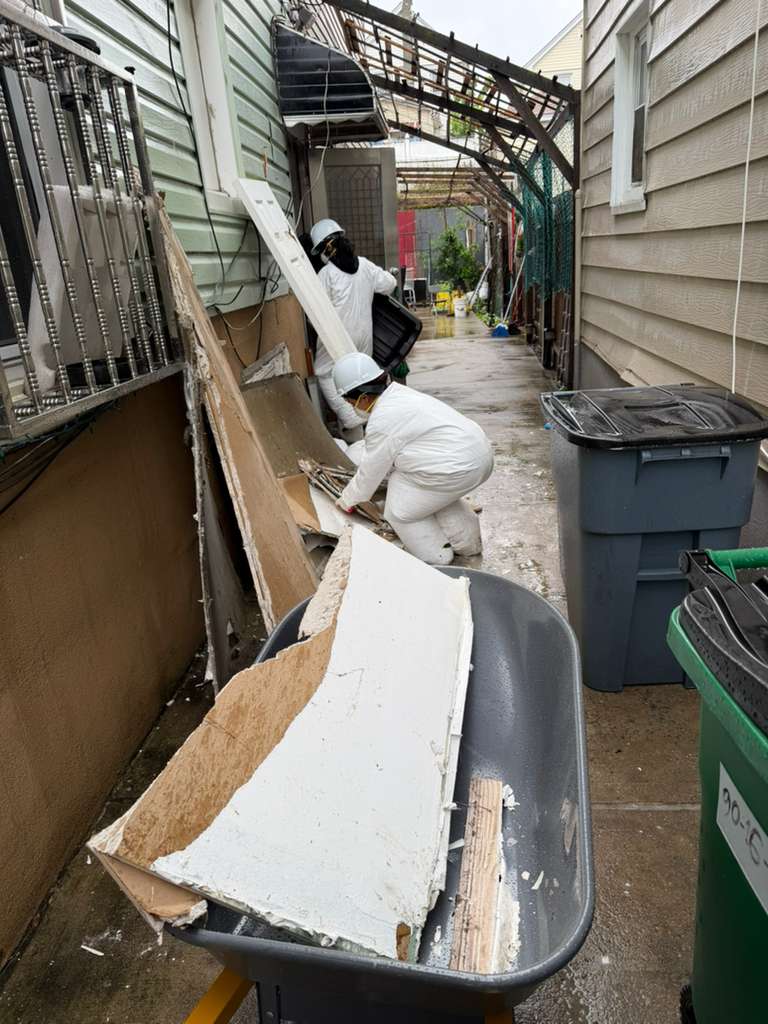
Volunteers worked to remove wet and damaged debris from inside homes, including drywall and flooring. Shevky noted that quick removal is critical after flooding because damp materials can lead to mold, creating serious health concerns for residents.
The cleanup also had a financial impact. By helping with demolition and removal work, volunteers allowed families to preserve limited resources for future rebuilding rather than spending them immediately on cleanup costs.
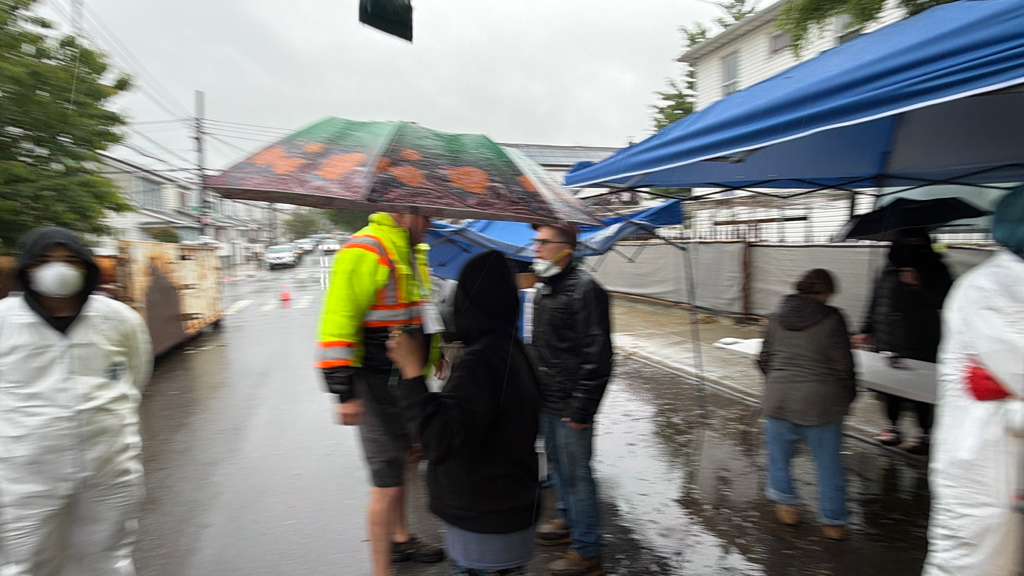
The effort was coordinated alongside broader emergency partners, including New York City Emergency Management, reflecting a “full spectrum of community work,” as Shevky described it. Despite continued rain, volunteers remained active in the field.
The operation carried added meaning during the first 10 days of Dhul Hijjah, a sacred period in the Islamic calendar. Organizers framed the work as both service and worship, encouraging volunteers to physically show up for families in need.
For flood victims in Jamaica, the response offered more than cleanup. It brought reassurance, solidarity, and a reminder that recovery begins when communities stand together.
For more blogs, visit nyn.press