Carlos Stewart :
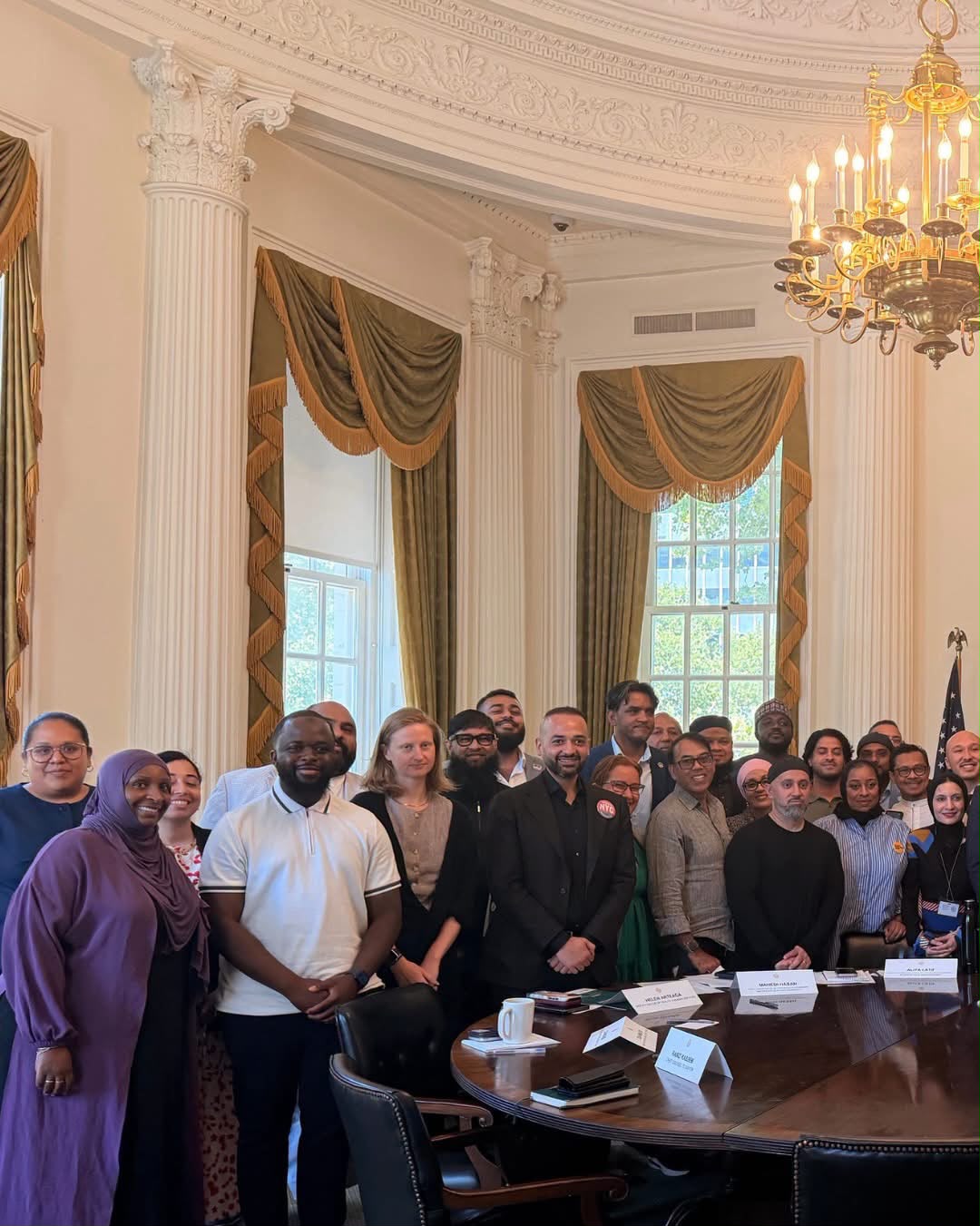
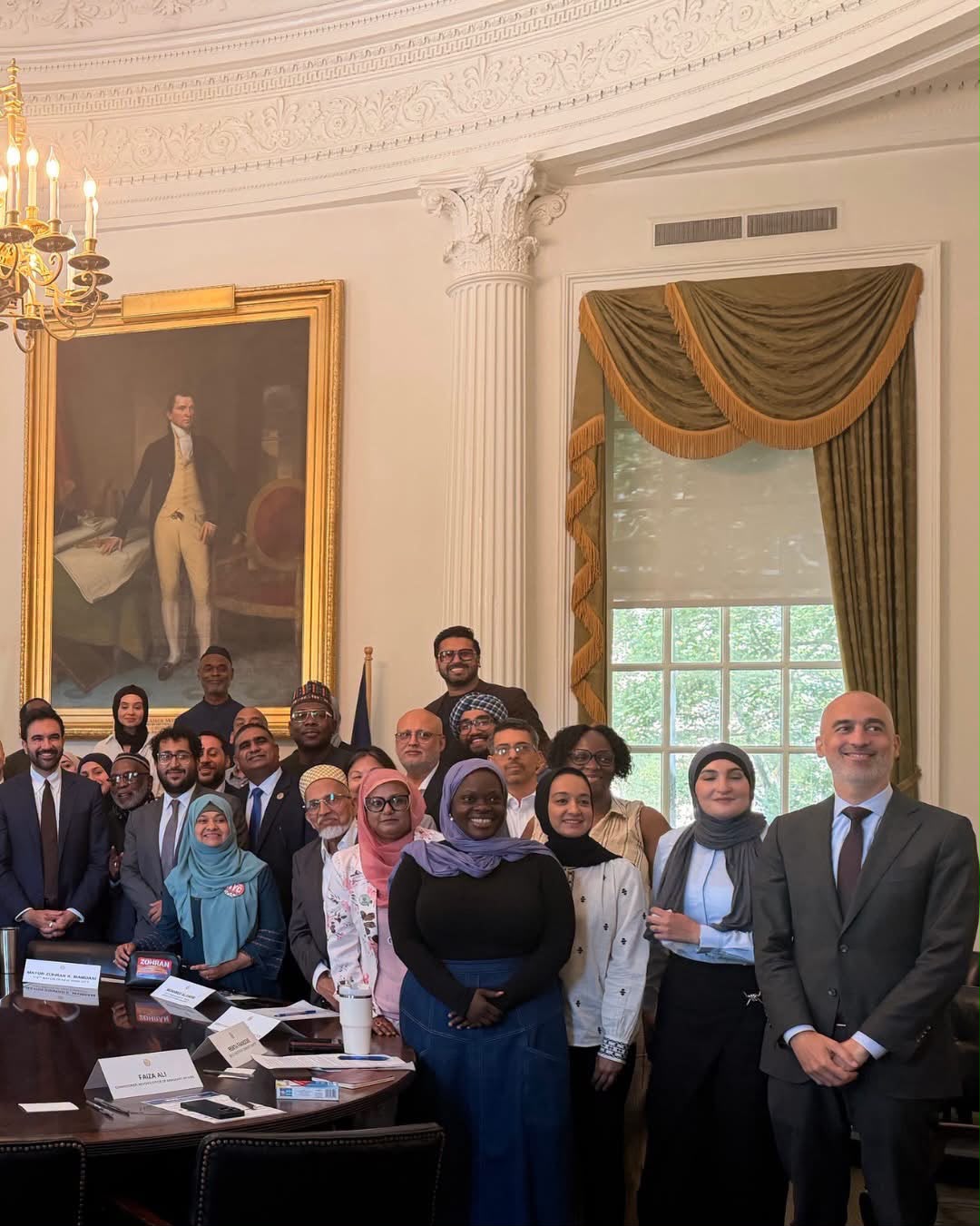
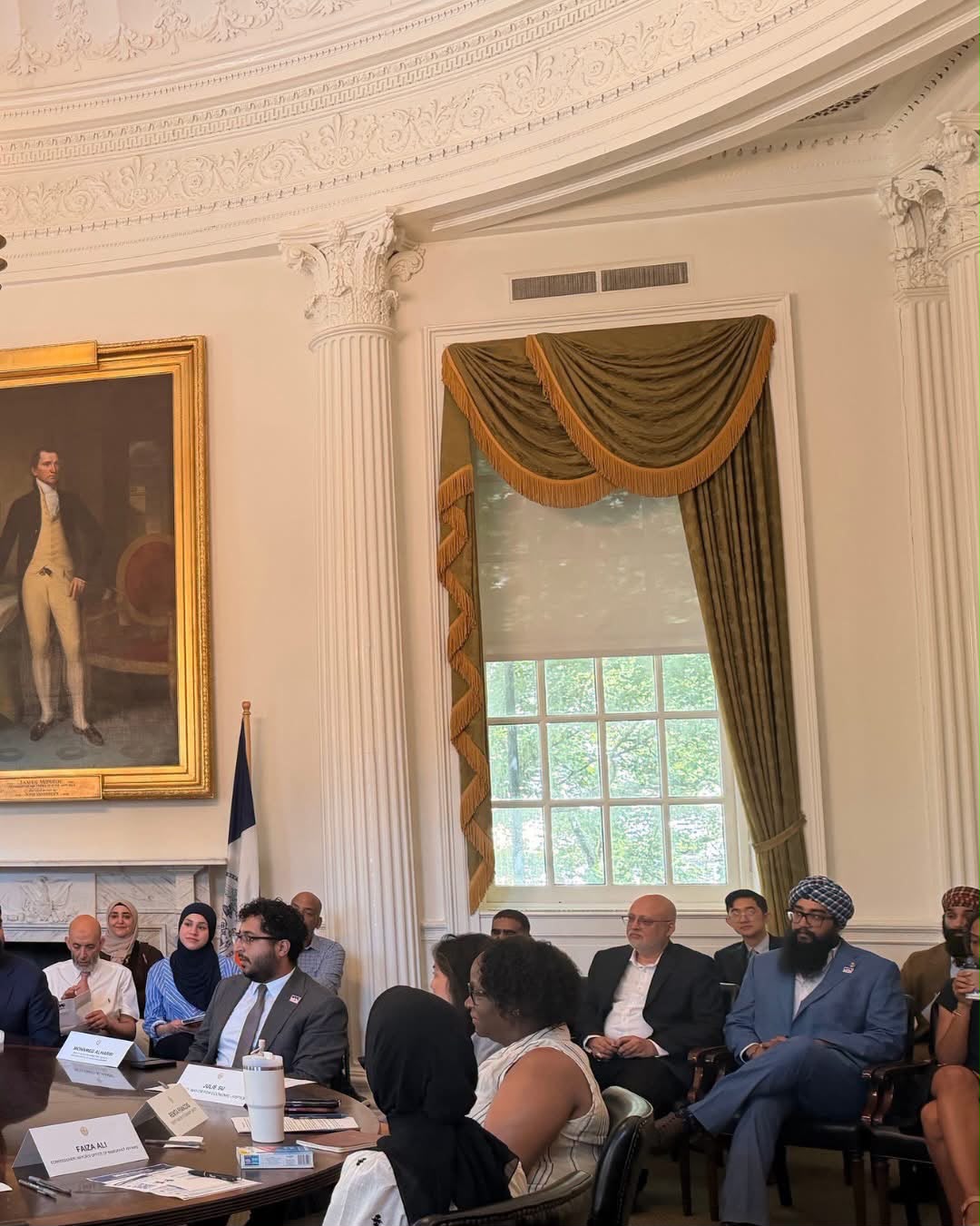
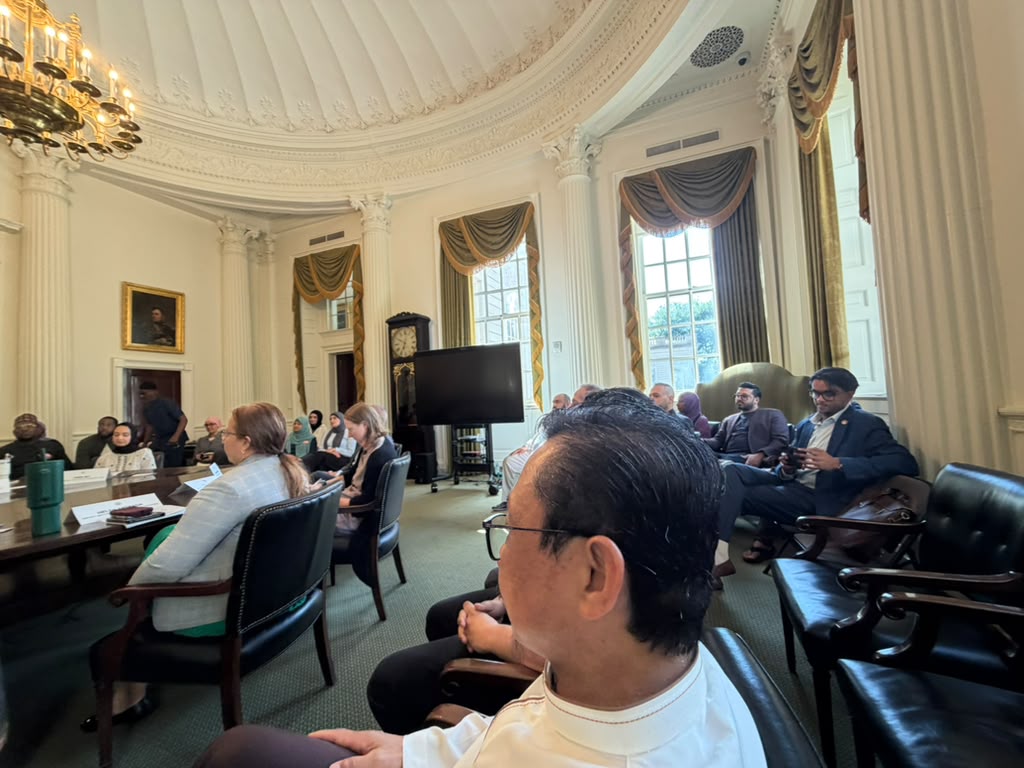
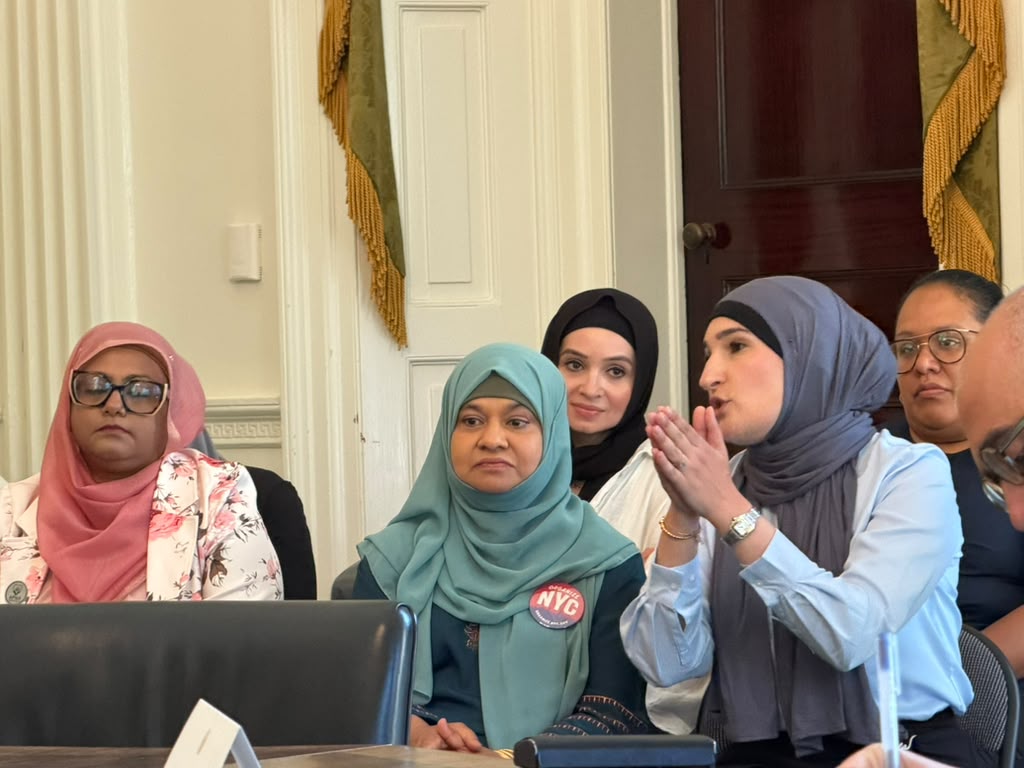
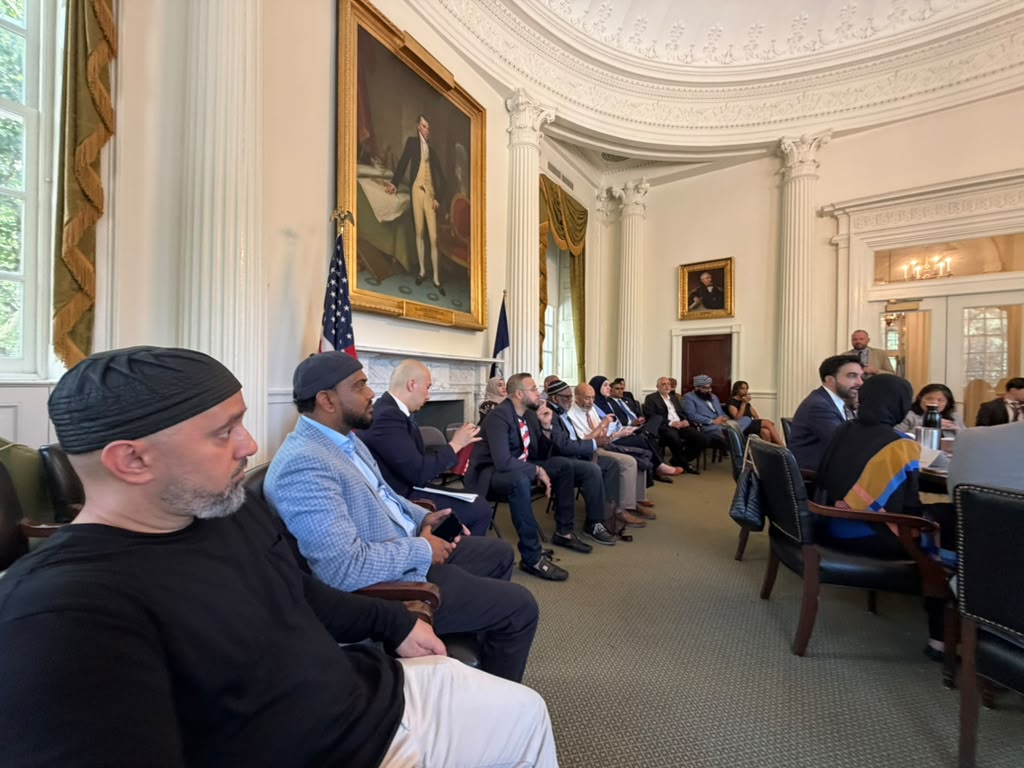
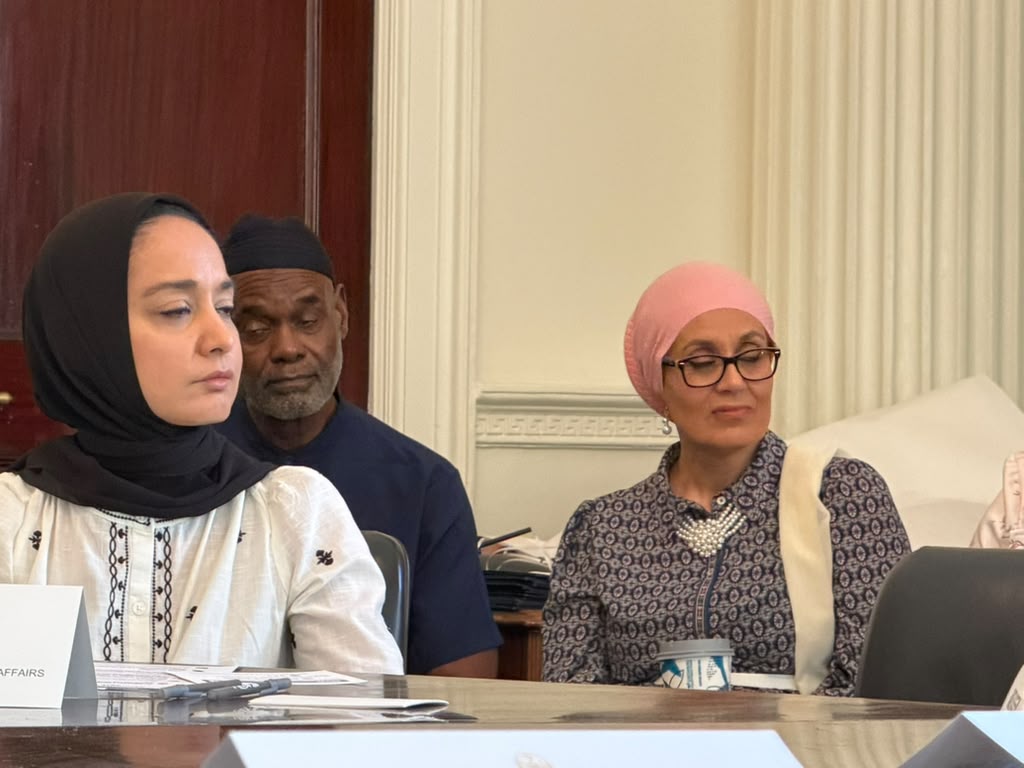
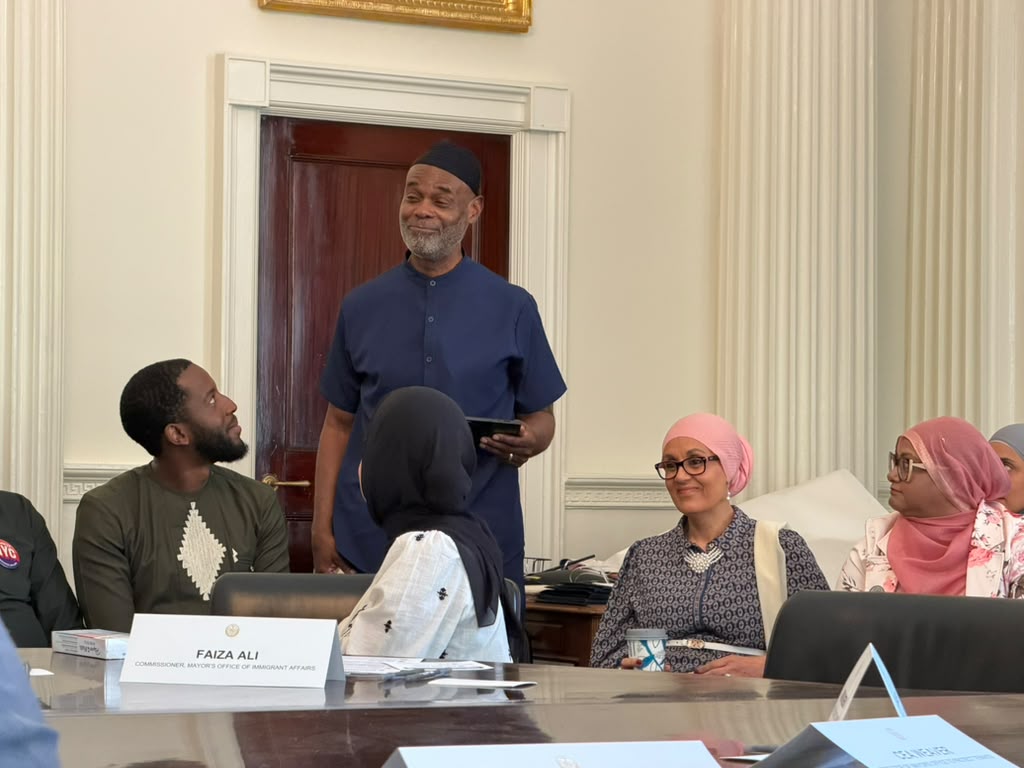
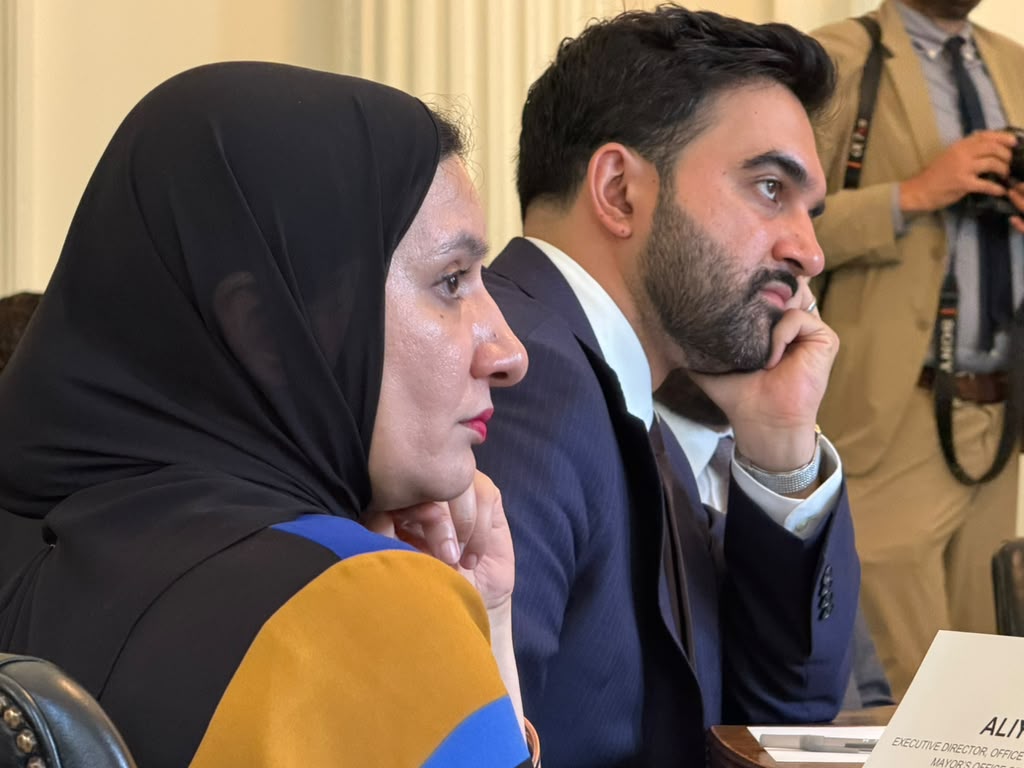
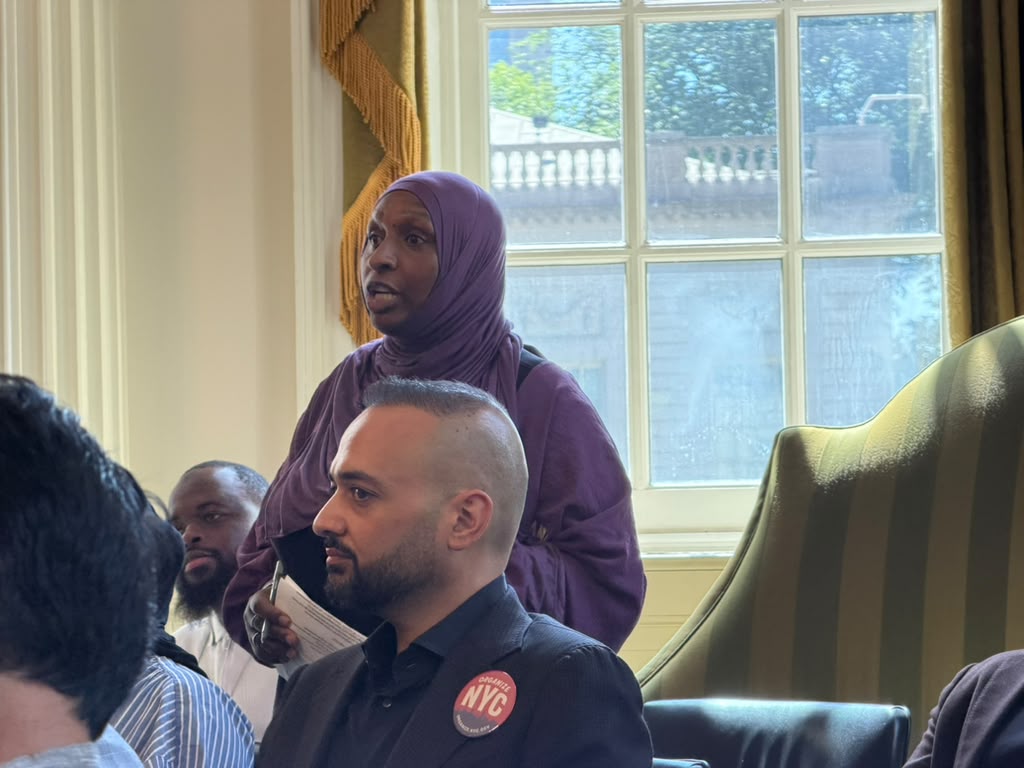
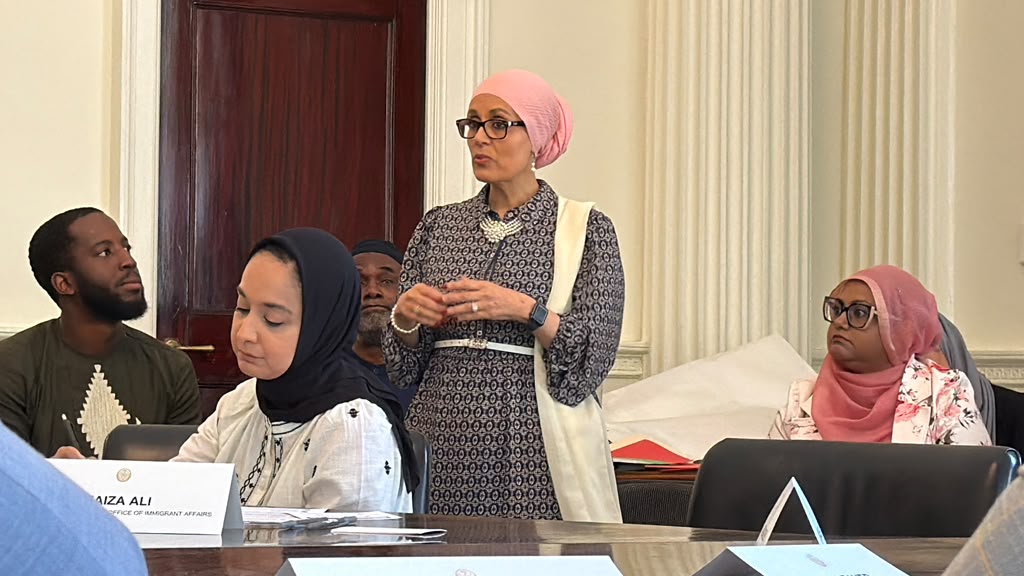
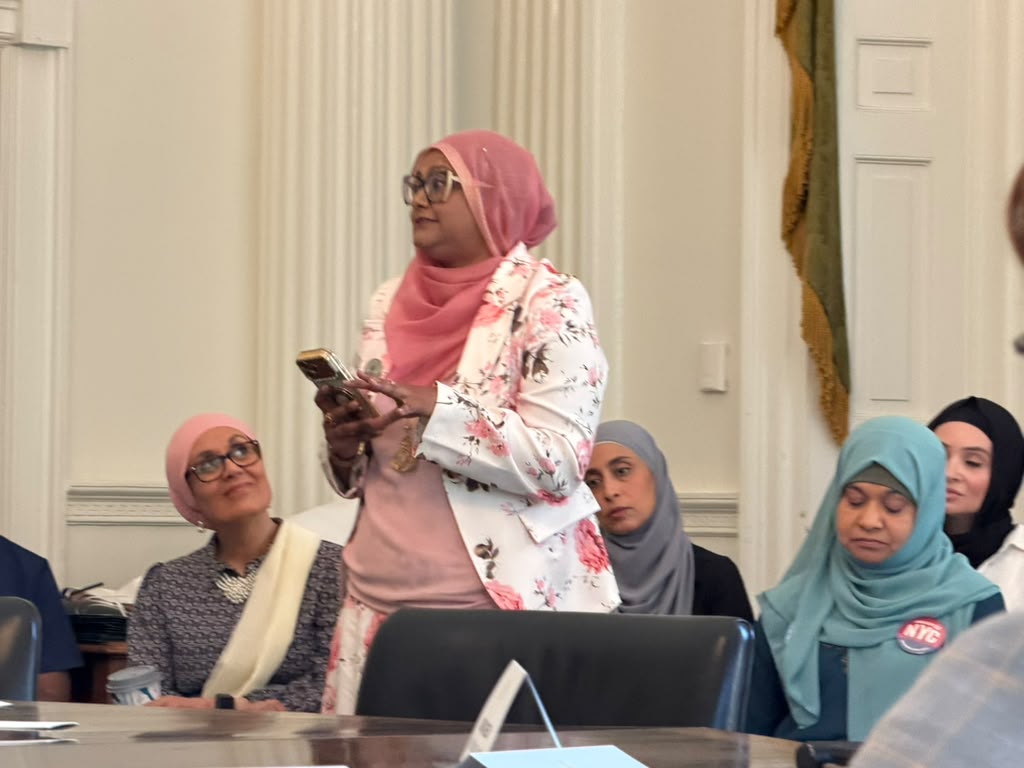
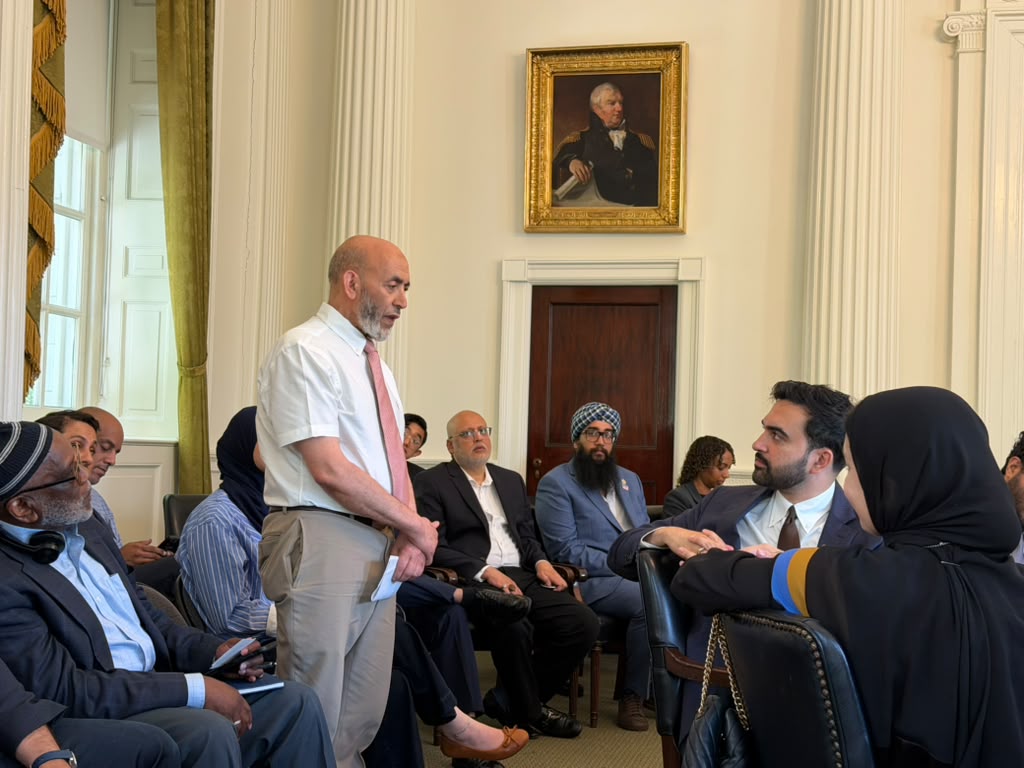
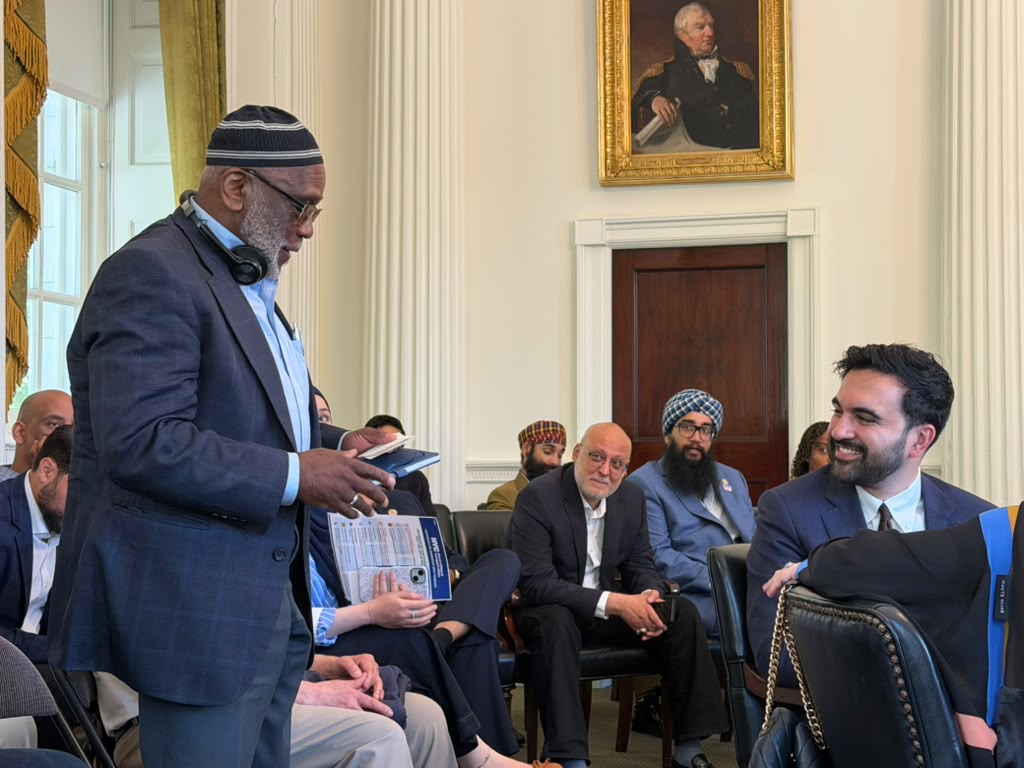
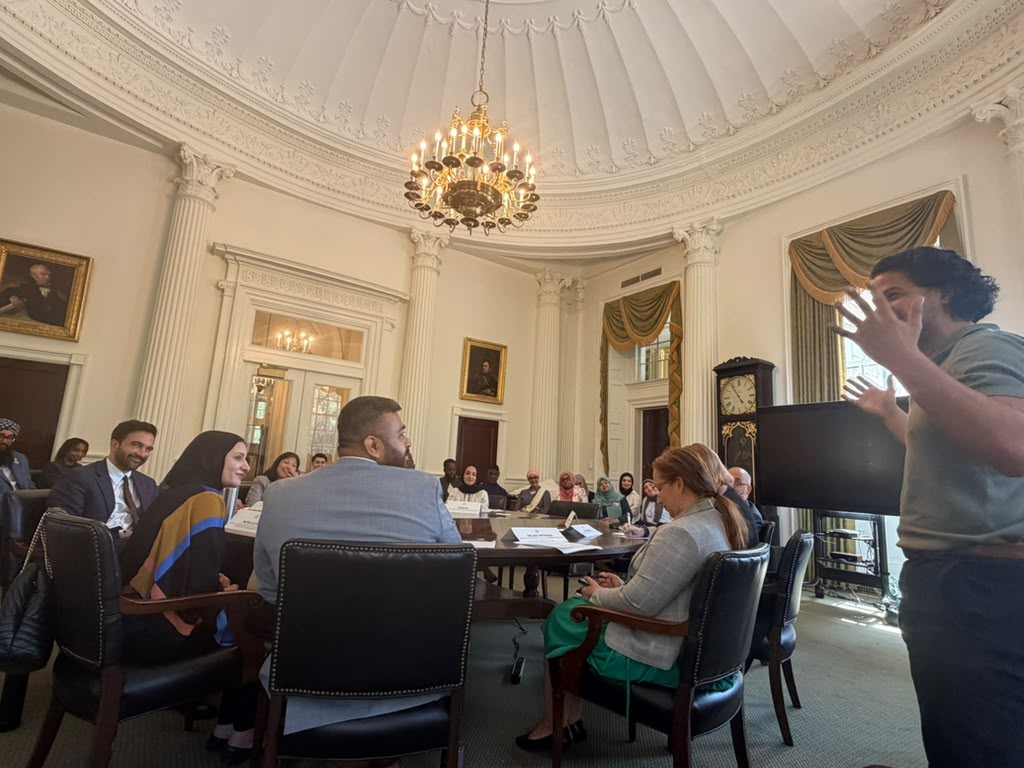
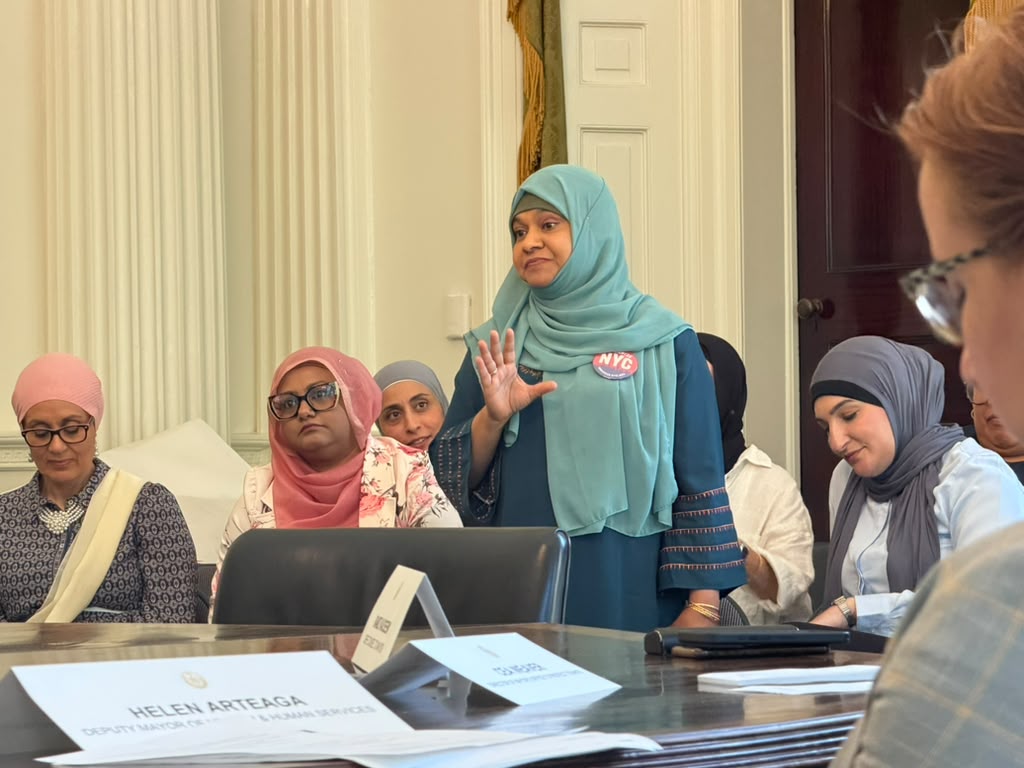
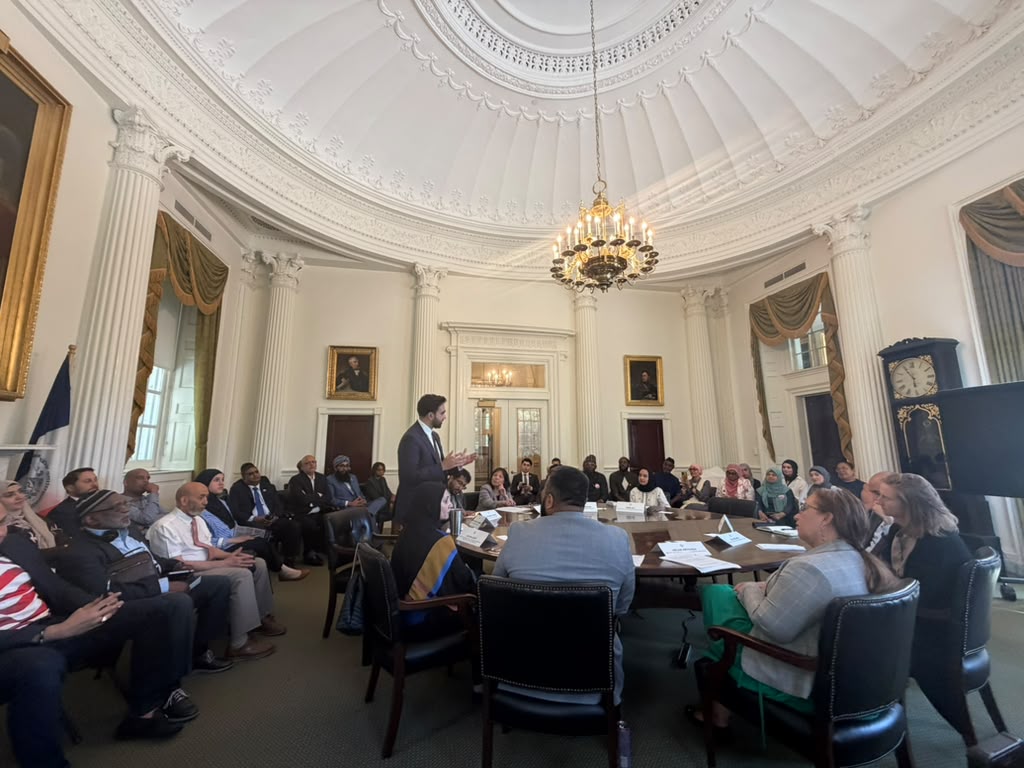
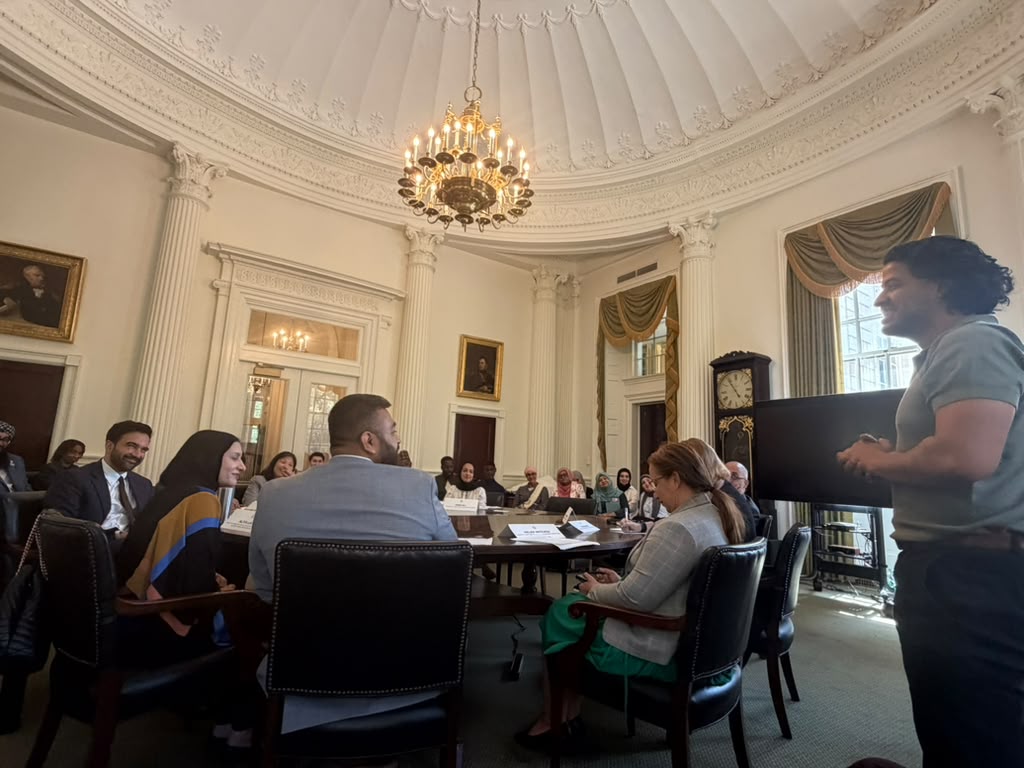
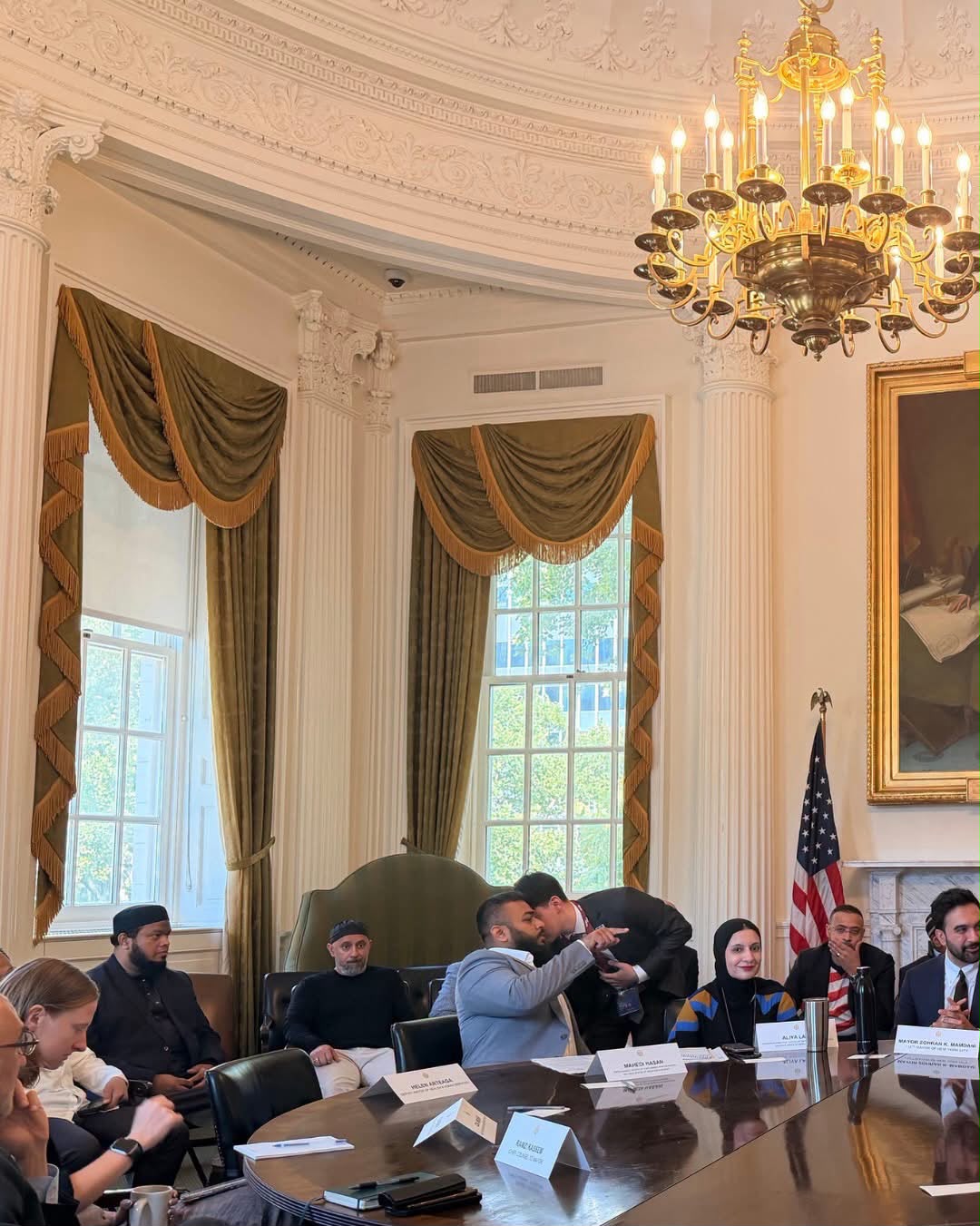
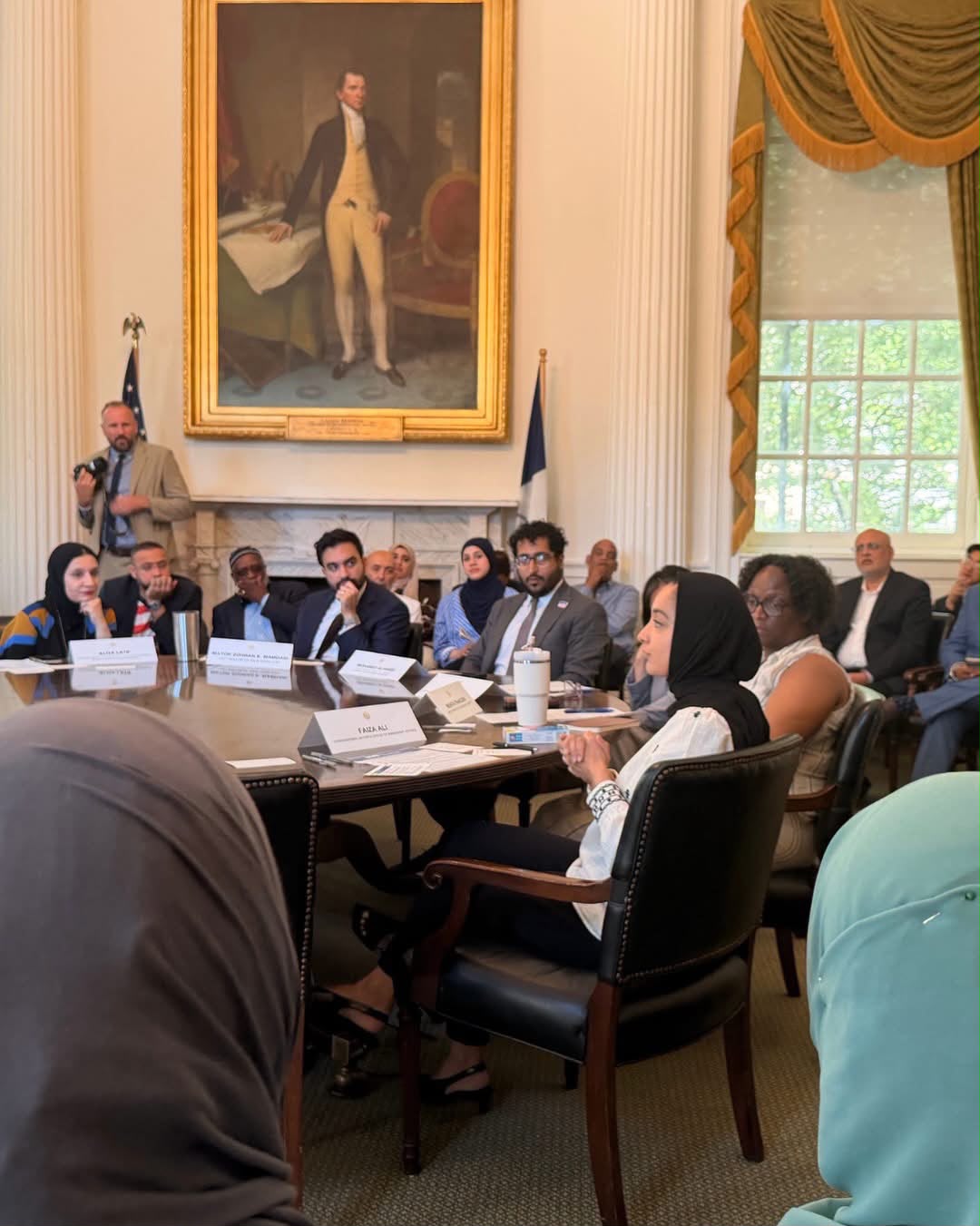
A new chapter in civic engagement unfolded at New York City Hall as Mayor Zohran Kwame Mamdani convened the city’s first Muslim Leadership Roundtable, bringing together more than 40 Muslim faith leaders, nonprofit representatives, community advocates, and civic stakeholders from across the five boroughs for a landmark discussion on strengthening partnerships between City Hall and New York City’s diverse Muslim communities.
The gathering marked the first formal roundtable of its kind since Mayor Mamdani took office, underscoring the administration’s commitment to building stronger relationships through direct dialogue. Rather than focusing solely on policy, the meeting emphasized three central themes: partnership, resources, and accessibility—areas viewed as essential to ensuring that communities can effectively engage with city government and access available services.
The discussion covered a broad range of issues affecting Muslim communities, including housing, immigration, public safety, food insecurity, small business development, and community resources. Participants shared perspectives on local challenges while exploring practical ways to strengthen collaboration between city agencies and neighborhood organizations.
The event also featured participation from MOIA Commissioner Faiza N. Ali, who joined fellow city officials in listening to community concerns and identifying actionable steps to improve outreach and support. According to the NYC Mayor’s Office of Immigrant Affairs (MOIA), the conversation was designed to deepen relationships with community leaders while ensuring that policies and services remain responsive to the needs of New Yorkers from diverse backgrounds.
Among those in attendance were respected faith leaders and community advocates, including Imam Khalid Latif, Imam Shamsi Ali, Linda Sarsour, Ali Najmi, Aliya Latif, Jagpreet Singh, Arman Chowdhury, Mohammed Islam Delwar, Syed Meesam Razvi, Debbie Almontaser, Erum Hanif, Marwa Janini, and Youssef Mubarez, among others. Their participation reflected the diversity of New York City’s Muslim communities and the collective commitment to advancing meaningful civic engagement.
Organizers described the roundtable as an important opportunity to exchange ideas, strengthen partnerships, and ensure that community voices are represented in conversations about the city’s future. Participants also viewed the meeting as a milestone that demonstrated growing recognition of the contributions and perspectives of Muslim New Yorkers.
As the discussion concluded, attendees expressed optimism that the inaugural NYC Muslim Leadership Roundtable would serve as the foundation for continued collaboration between City Hall and Muslim communities throughout New York City, reinforcing a shared commitment to building a more inclusive, accessible, and responsive city for all.
For more blogs, visit nyn.press