Emily Parker :
Bangla Literature Festival 2026 brought a rich celebration of Bengali language, literature, and culture to Virginia, drawing writers, poets, artists, publishers, educators, and literature lovers from across the DMV area and beyond.
Organized by Kobitar Shathe, the festival was held at Washington University of Science and Technology under the leadership of Kobita Dilawar and Anwar Iqbal Kochi. Although the main program took place on May 30, the festival atmosphere began the evening before with a lively meet-and-greet featuring poetry, music, book introductions, and cultural exchange.
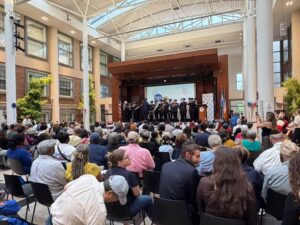
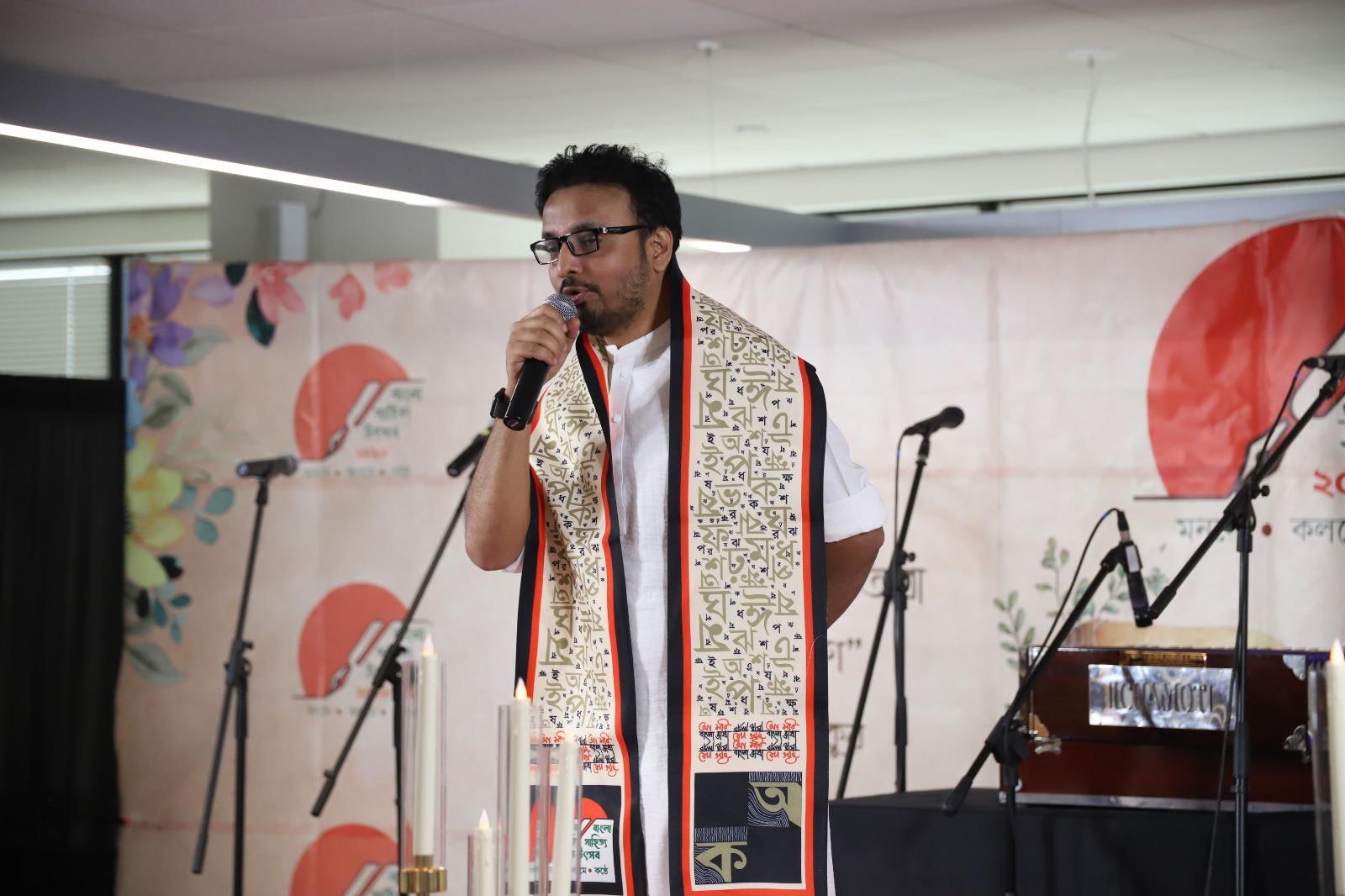
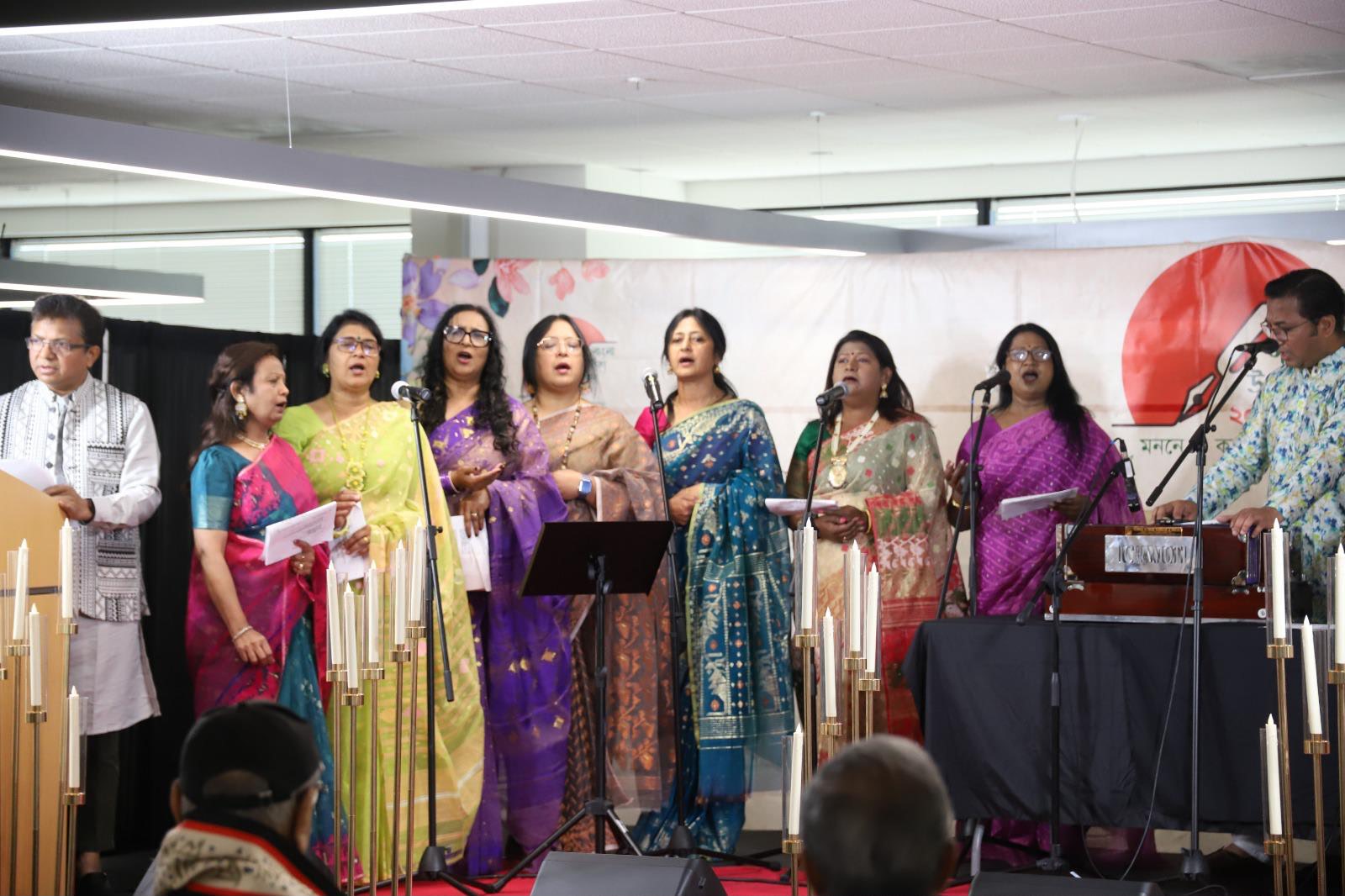
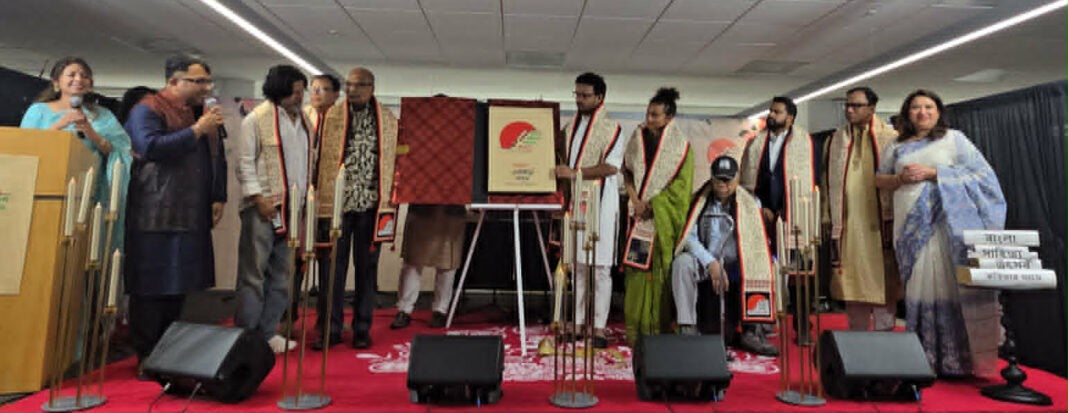
The main event opened with national songs, including “Amar Sonar Bangla” and the U.S. national anthem, setting a tone of cultural pride and immigrant belonging. The formal inauguration included candle lighting and a ribbon-cutting ceremony led by chief guest Sadat Hossain, one of the most popular contemporary Bengali writers among younger readers.
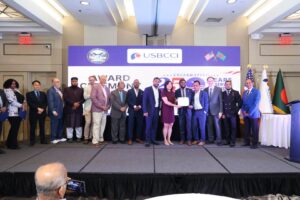
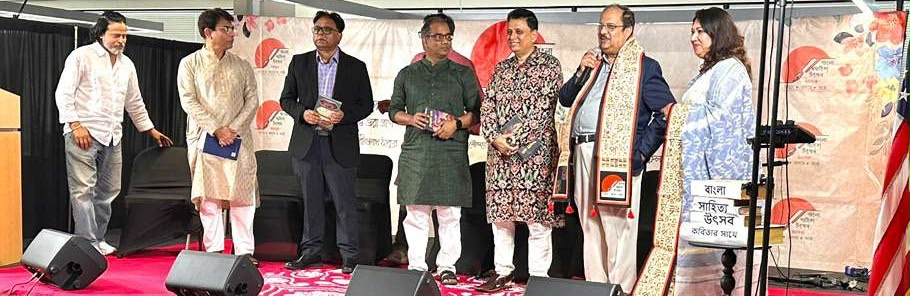
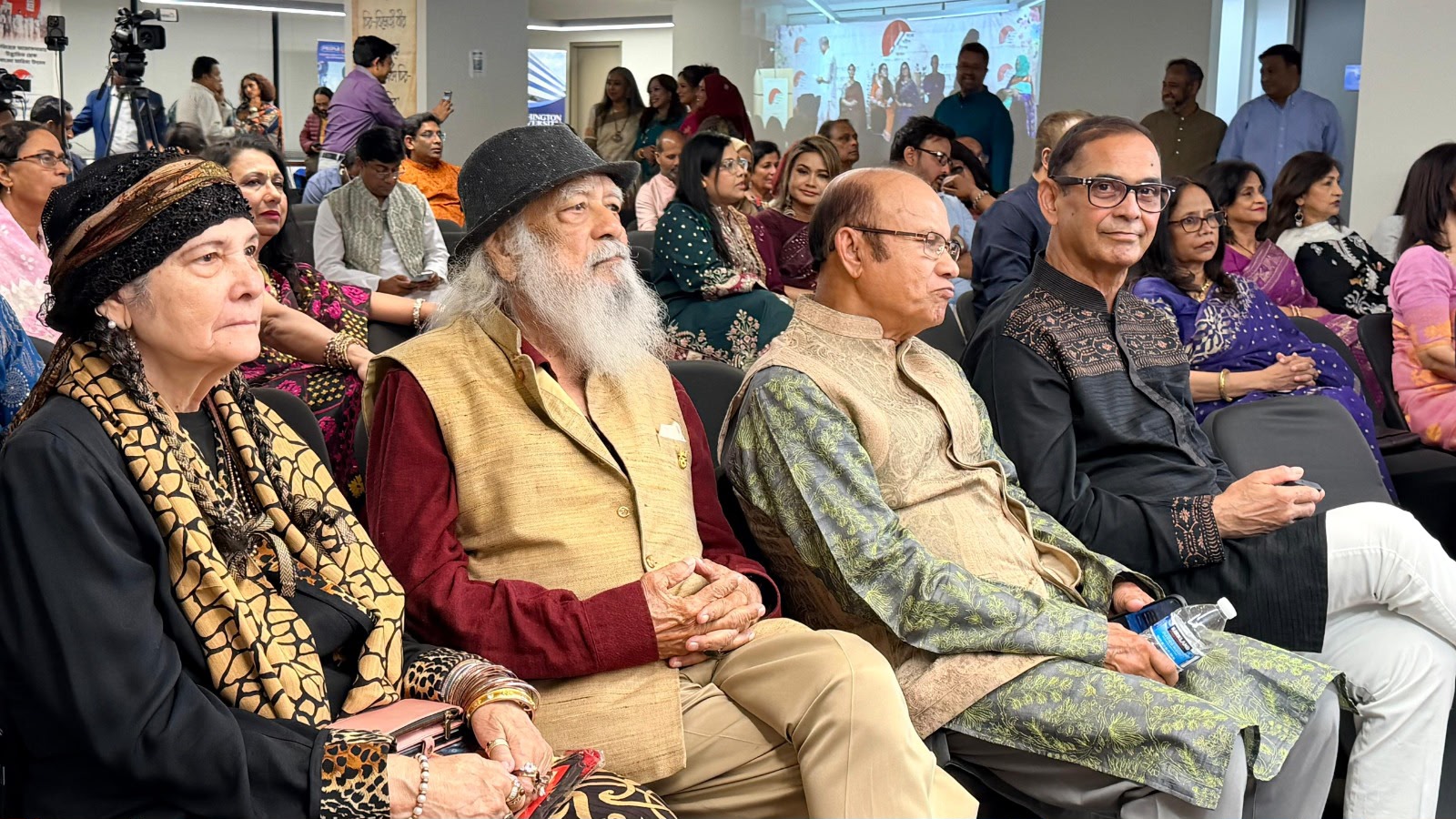
Distinguished guests included journalist Ashraf Kaiser, writer Ahmad Mazhar, actress Shirin Bakul, Rokeya Haider, Dr. Abdun Noor, Abubokor Hanip, Anis Khan, artist Rokeya Sultana, and poet Tarfia Faizullah. Virginia State Senator Saddam Azlan Salim presented a Senate resolution recognizing the festival’s contribution to Bengali literature and culture in the diaspora.
The festival featured book stalls from major publishers including Batighar, Anyaprokash, UPL, Muktadhara, and Vidyaprakash. New books by writers such as Farhad Hossain, Dr. Hasan Mashriqi, Anamika Newaz, Abu Liaquat Hossain, Dr. Goutam Dutta, and Samsuddin Mahmud were introduced and discussed.
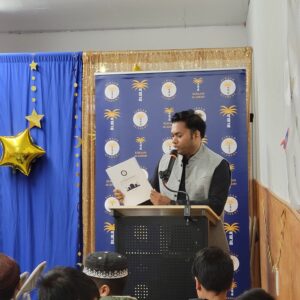
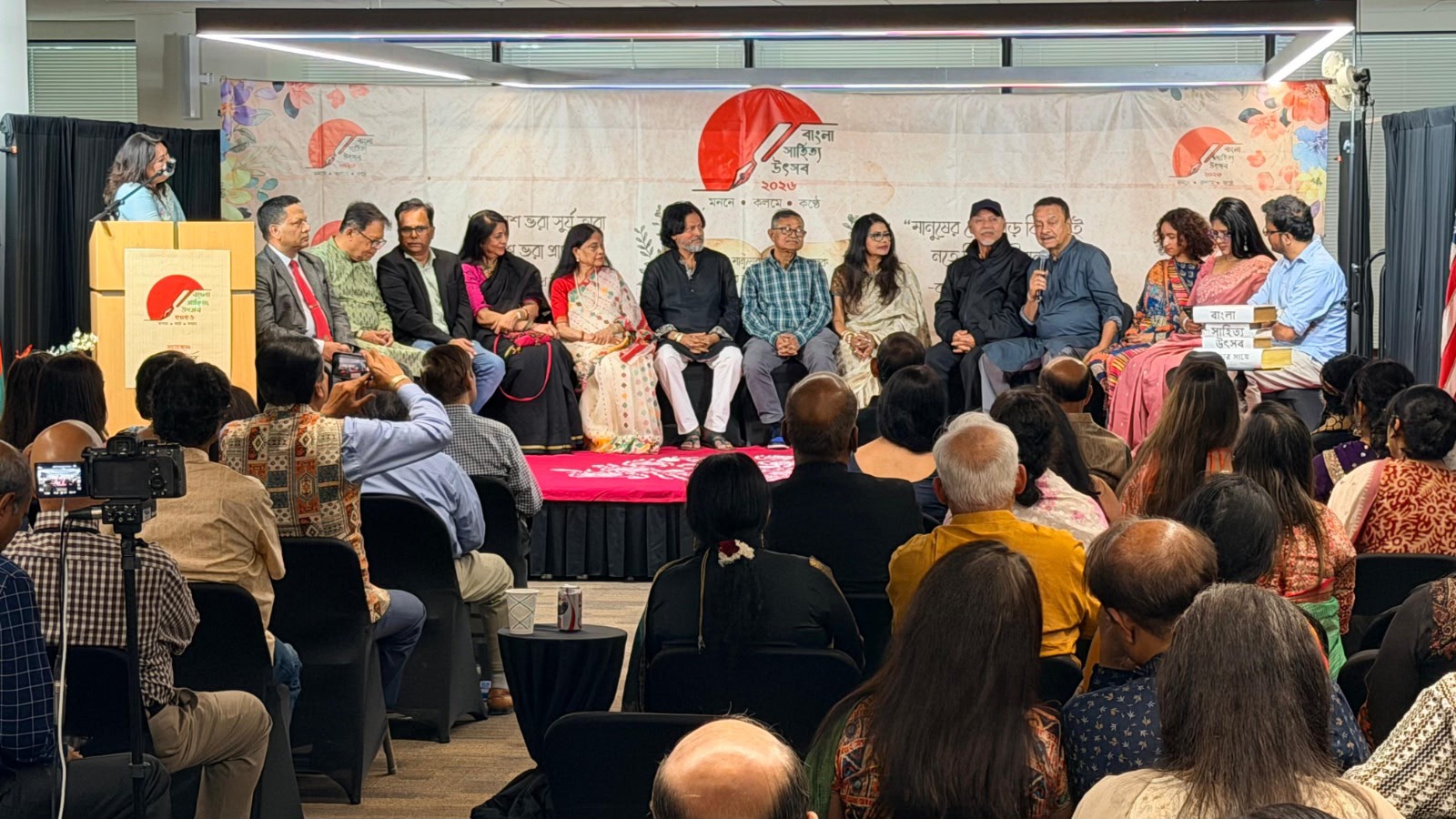
Throughout the day, audiences enjoyed poetry readings, author-reader conversations, publisher panels, music, dance, recitation, and drama. Sessions explored topics such as Bengali literature outside Bangladesh, artificial intelligence and the future of literature, and literature and journalism.
Cultural performances by groups and artists including Ichamoti, Srishti Nrityangan, Mahdia Ishal, Sheikh Maola Milon, Aditi Mohsin, and others added depth and emotional resonance to the program.
The festival demonstrated how Bengali literary culture continues to thrive far from its homeland. By connecting established writers, young artists, publishers, and diaspora families, Bangla Literature Festival 2026 became more than an event; it became a celebration of memory, identity, creativity, and community.
For more blogs, visit nyn.press