Marcos Alonso :
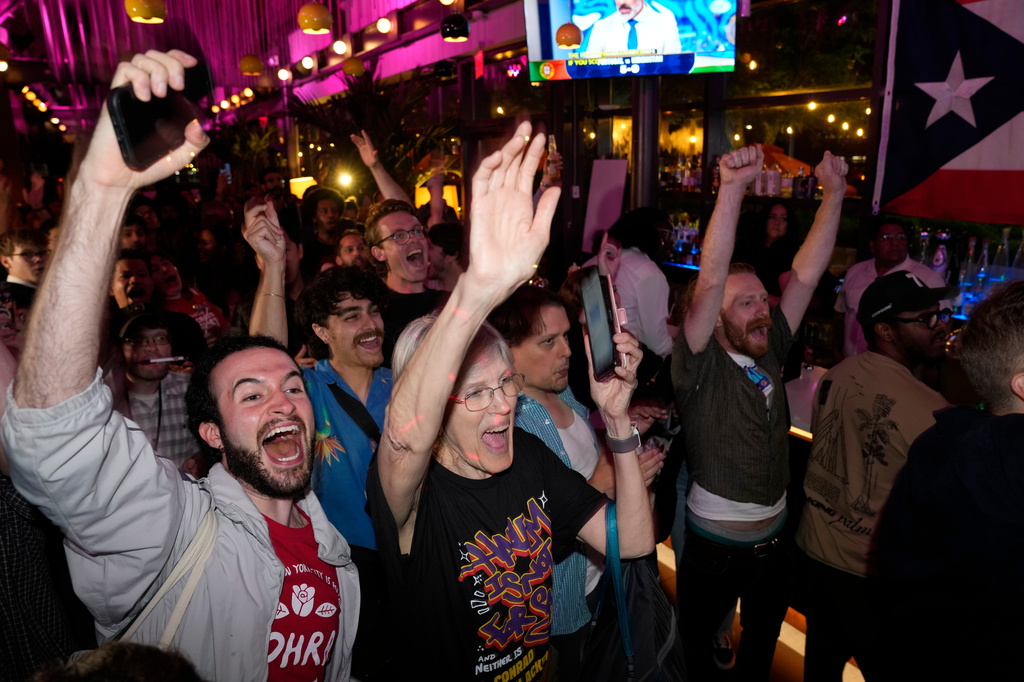
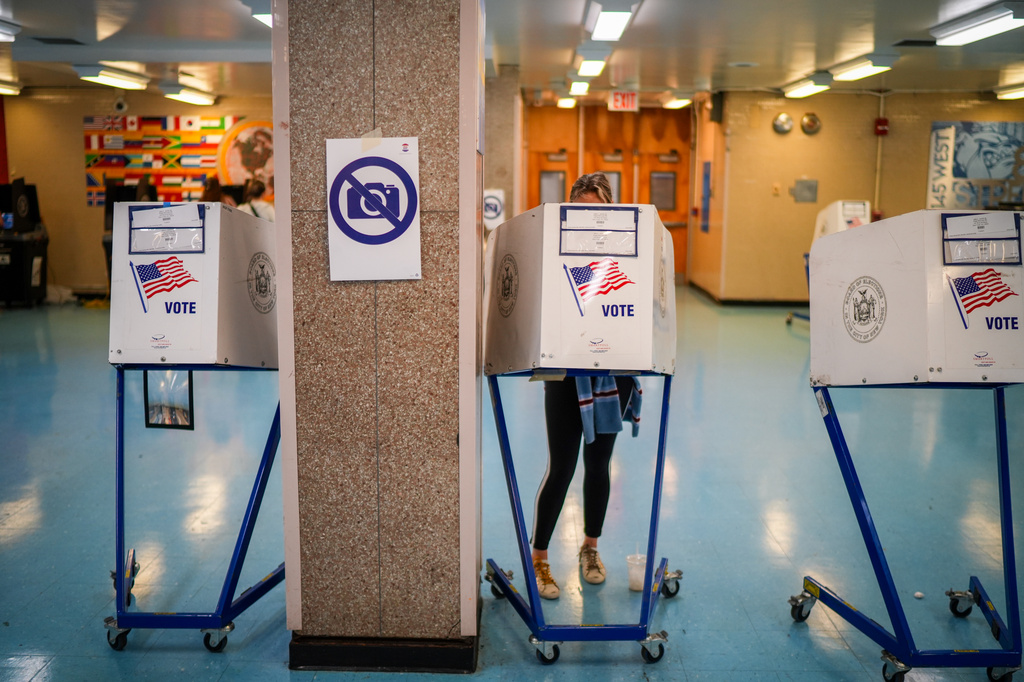
New York’s June 23, 2026, primary elections sent a strong message to the Democratic establishment, as progressive and DSA-backed candidates won major races across New York City and Albany. The results showed that the city’s left wing has become a serious force inside Democratic politics, not just a protest movement.
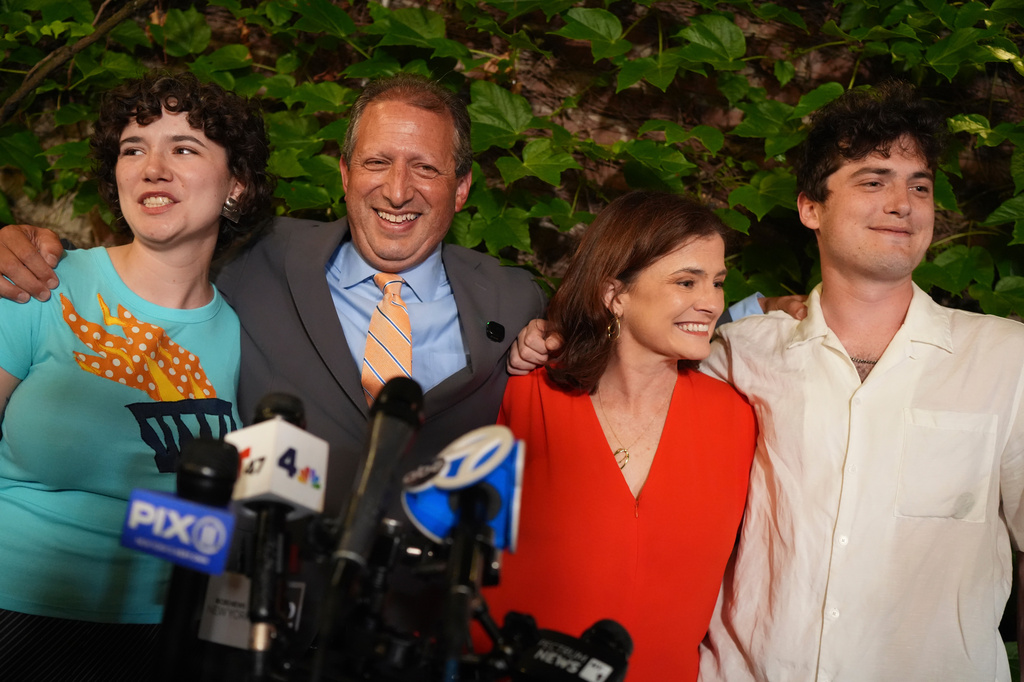
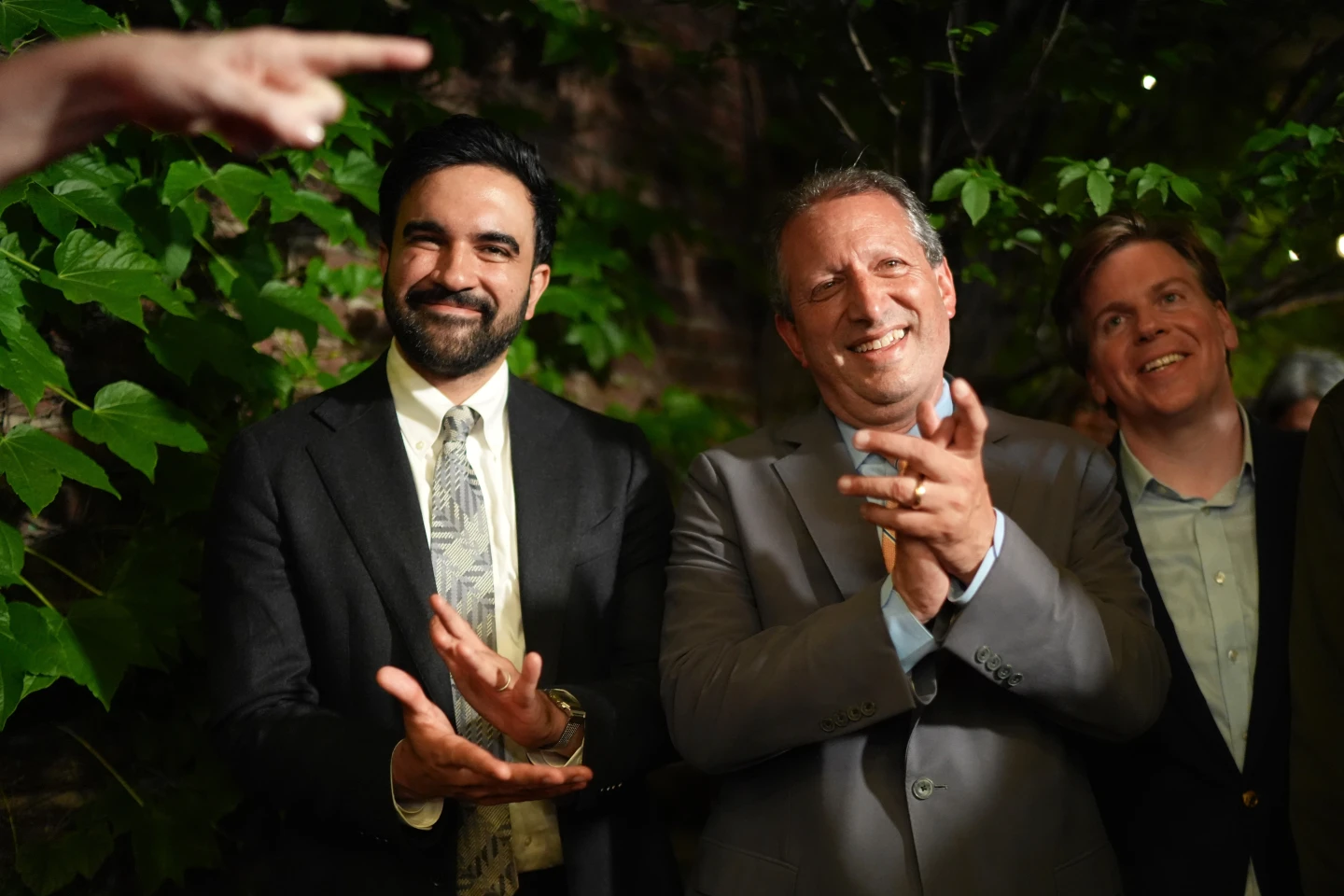
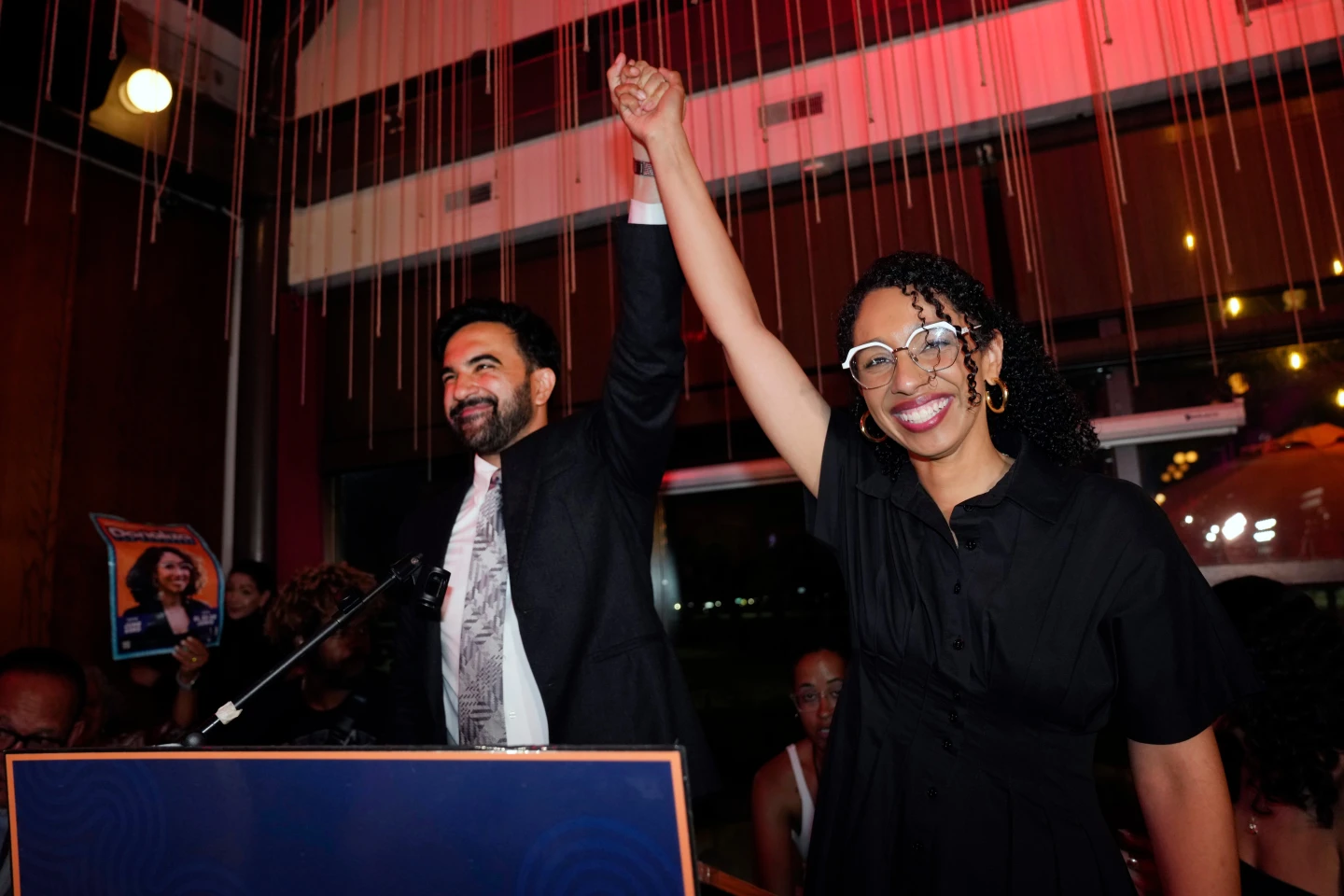
The biggest wins came in congressional races. Former New York City Comptroller Brad Lander defeated Rep. Dan Goldman in New York’s 10th Congressional District, covering parts of Lower Manhattan and Brooklyn. In the open 7th Congressional District, Assemblymember Claire Valdez defeated Brooklyn Borough President Antonio Reynoso, despite his support from major unions and the Working Families Party. In New York’s 13th Congressional District, political newcomer Darializa Avila Chevalier unseated longtime Rep. Adriano Espaillat, a major figure in New York and national Democratic politics.
Together, the victories strengthened the influence of Mayor Zohran Mamdani, whose endorsements helped shape several high-profile contests. His allies’ success suggested that his own rise was not a one-time political surprise, but part of a larger shift among Democratic voters frustrated with party leadership and the high cost of living.
The results also showed a divide inside the Democratic coalition. Some defeated candidates were establishment figures, while others, like Reynoso, were also considered progressive. But the DSA-backed candidates appeared to benefit from stronger grassroots organizing, younger voters and a clearer message on housing, affordability, labor rights and public services.
The left also made gains in state legislative races. Aber Kawas won the Democratic primary in State Senate District 12 in Queens, defeating Assemblyman Steven Raga. In Assembly races, DSA-backed candidates including Samantha Kattan, David Orkin, Christian Celeste Tate, Eon Huntley and Illapa Sairitupac also won. Some of those victories came against sitting incumbents, further showing the growing power of the city’s progressive movement.
These Albany races matter because the State Senate and State Assembly control major policy areas such as housing, taxes, tenant protections, public transit and climate policy. Although the DSA-backed bloc will remain a minority, its growth could give progressives more influence in budget talks and future legislative fights.
Still, the primary was not a total defeat for the Democratic establishment. In the statewide comptroller race, Tom DiNapoli easily defeated Drew Warshaw and Raj Goyle to win the Democratic nomination. DiNapoli, who has served as comptroller since 2007, campaigned on experience and fiscal stability. He now advances toward the Nov. 3 general election against Republican Joseph Hernandez.
Other races showed a more mixed picture. Micah Lasher won the Democratic primary in New York’s 12th Congressional District, while Cait Conley won the Democratic nomination in the competitive 17th District, where she will face Republican Rep. Mike Lawler. In the Republican-leaning 21st District, Trump-backed Anthony Constantino won the GOP primary, while Democrat Blake Gendebien won his party’s nomination.
Overall, the June 23 primary reshaped New York’s political conversation. For Democrats, it raised serious questions about whether voters want cautious leadership or a more confrontational movement focused on affordability and structural change. For Republicans, the rise of DSA-backed nominees may become a campaign issue in November.
By the end of primary night, one thing was clear: New York’s progressive left has built an electoral machine capable of defeating powerful incumbents and shifting the direction of the Democratic Party. Whether that movement can govern effectively and expand its support will be the next major test.
For more blogs, visit nyn.press