Alexandar Sullivan:
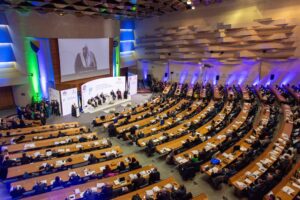
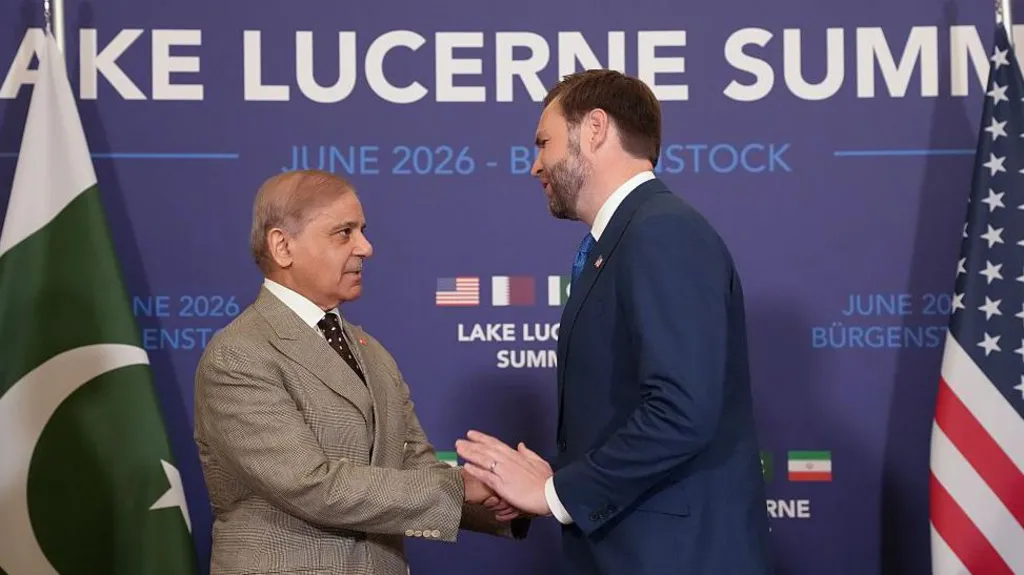
U.S. and Iranian officials began direct negotiations in Switzerland after signing an initial agreement intended to end the war and produce a final settlement within 60 days.
The talks at Bürgenstock focused on implementing commitments that included reopening the Strait of Hormuz, ending fighting on all fronts and lifting restrictions affecting Iranian ports. The waterway carries about 20% of the world’s oil and natural gas, making its status critical to global energy markets.
Vice President JD Vance, joined by Jared Kushner and special envoy Steve Witkoff, said Washington hoped to advance discussions on Iran’s nuclear program and regional activity. Iran was represented by parliamentary speaker Mohammad Bagher Ghalibaf and Foreign Minister Abbas Araghchi, while Pakistan participated as a mediator.
The talks were overshadowed by renewed fighting between Israel and Iran-backed Hezbollah in Lebanon. Iran accused the United States and Israel of violating the ceasefire and announced another closure of the strait, though vessel-tracking data showed some ships continued to pass.
President Donald Trump warned Iran to restrain its regional allies or risk renewed U.S. military action.
For more blogs, visit nyn.press