NYN Digital Desk :
Bangladesh’s effort to keep the Rohingya crisis on the international agenda received renewed attention at a high-level breakfast meeting in Dhaka, where political advisers, humanitarian leaders, journalists, and development specialists discussed diplomatic options and long-term solutions.
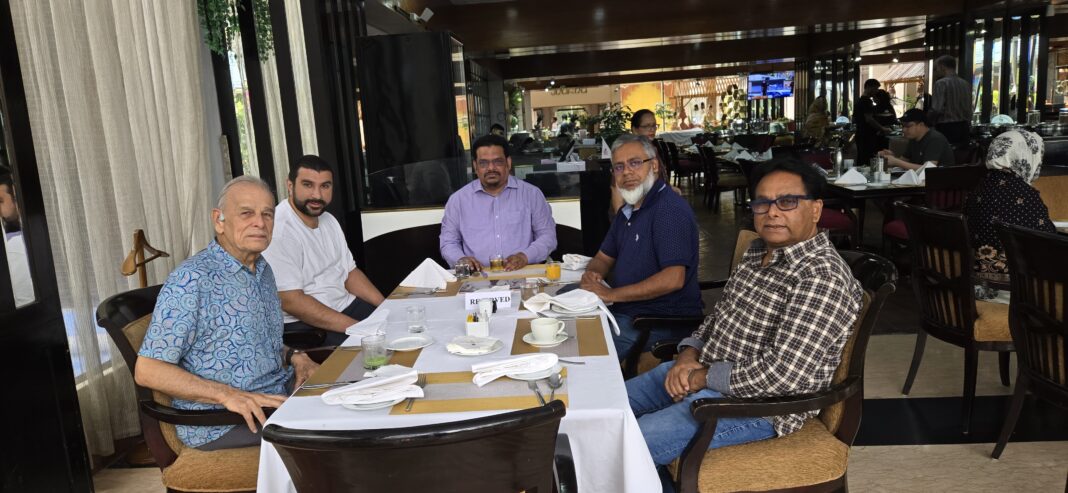
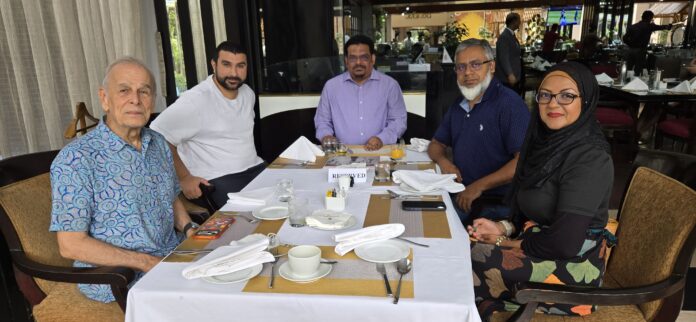
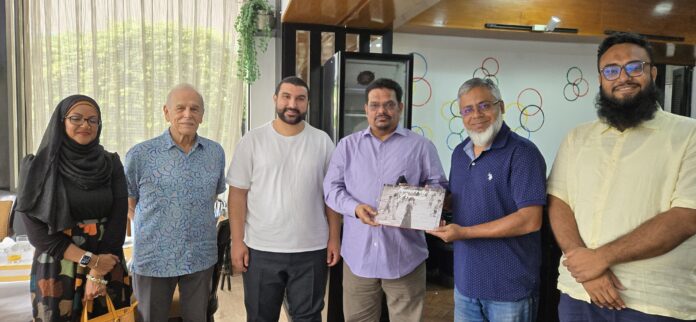
The meeting took place on Thursday morning, August 27, at Hotel Sonargaon with a delegation from Human Concern International representing the United States, Canada, and the United Kingdom. Dr. Enamul Haque Chowdhury, adviser to BNP Chairperson and Prime Minister Tarique Rahman, said Bangladesh was passing through an important political transition and had begun asserting a more distinct position in international affairs.
Among those attending were Mahmuda Khan, Global Head of Human Concern International, Masum Mahbub, Head of Human Concern International USA, and Sami Hamdi, a UK-based journalist, political commentator, and analyst of the Muslim world. Ibrahim Chowdhury, Editor of Prothom Alo North America, and Fadllullah Wilmot, a Malaysian private-sector development specialist and University of Tasmania-affiliated scholar, also joined the discussion.
A major focus was the declining level of international attention toward the Rohingya crisis after years of diplomatic and humanitarian efforts. Participants discussed ways Bangladesh might return the issue to the center of global debate, strengthen international cooperation, and pursue a sustainable solution. Sami Hamdi shared views on refugee advocacy and pointed to Turkey’s experience as one possible reference for policy thinking.
Mahmuda Khan and Masum Mahbub also outlined Human Concern International’s work in Bangladesh, including activities connected to Rohingya communities. The discussion examined stronger cooperation with Muslim-majority countries, neighboring states, development partners, and possible bilateral engagement in sectors such as energy.
Dr. Chowdhury said shifting Bangladesh away from long-established institutional and structural patterns would be difficult for the current government. Still, participants saw room for broader diplomatic engagement at a time of political change.
The meeting ended with a shared emphasis on practical international outreach. For Bangladesh, the central challenge is keeping the Rohingya crisis visible while building partnerships strong enough to support a durable political and humanitarian response.
For more blogs, visit nyn.press