NYN Staff Reporter:
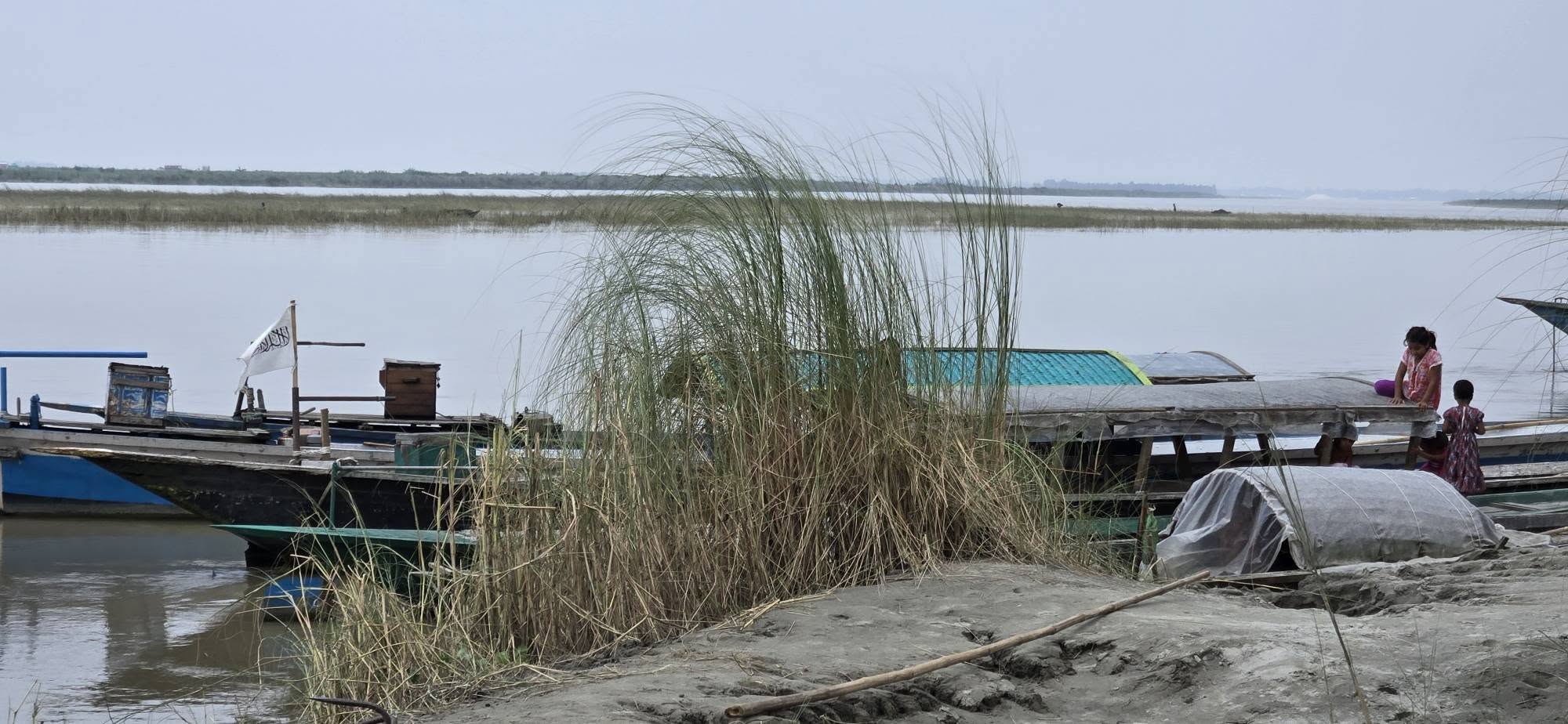
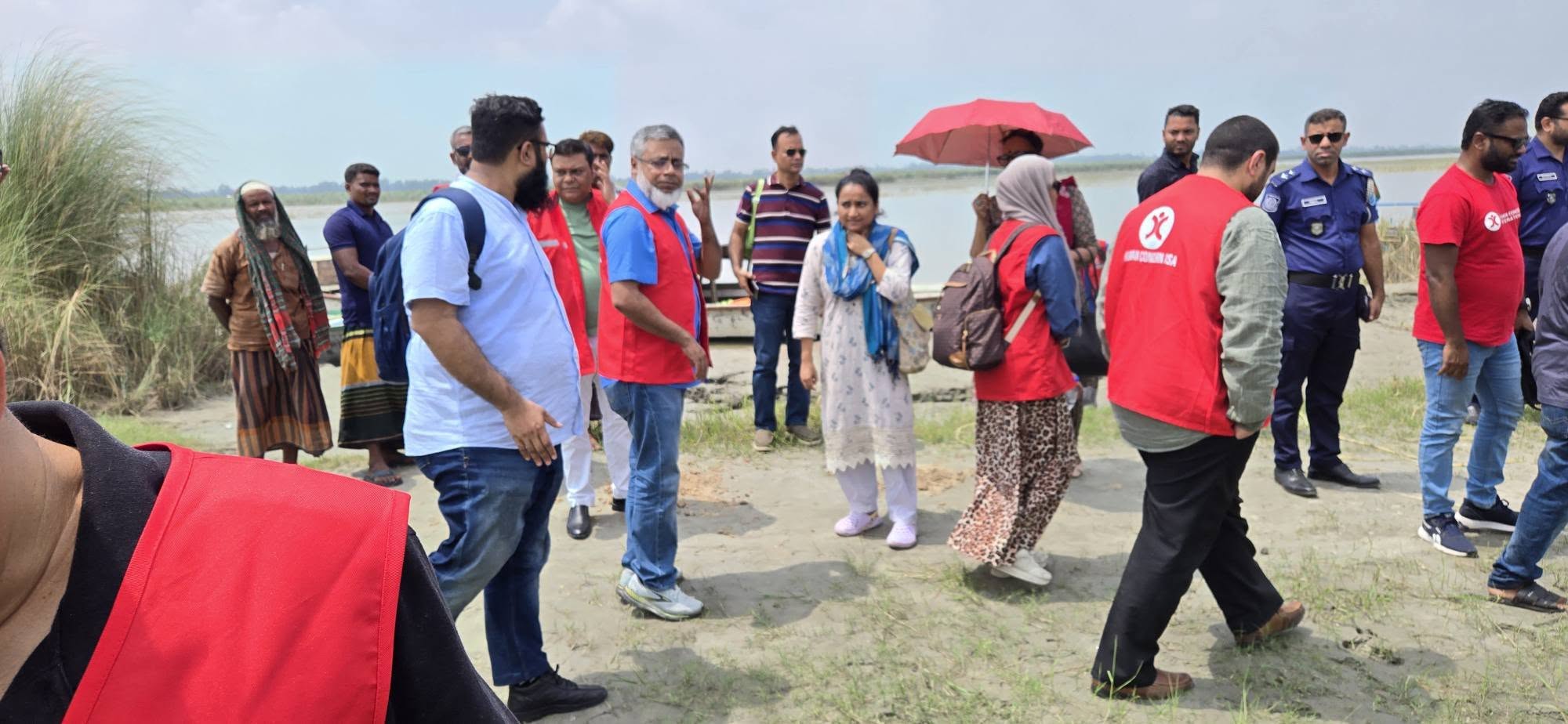
Life on Shushuar Char in Tangail is shaped by a simple reality: the river takes, and the people begin again. A recent visit by journalists and development workers brought renewed attention to a community built through decades of migration, erosion, rebuilding, and determination along the Jamuna River.
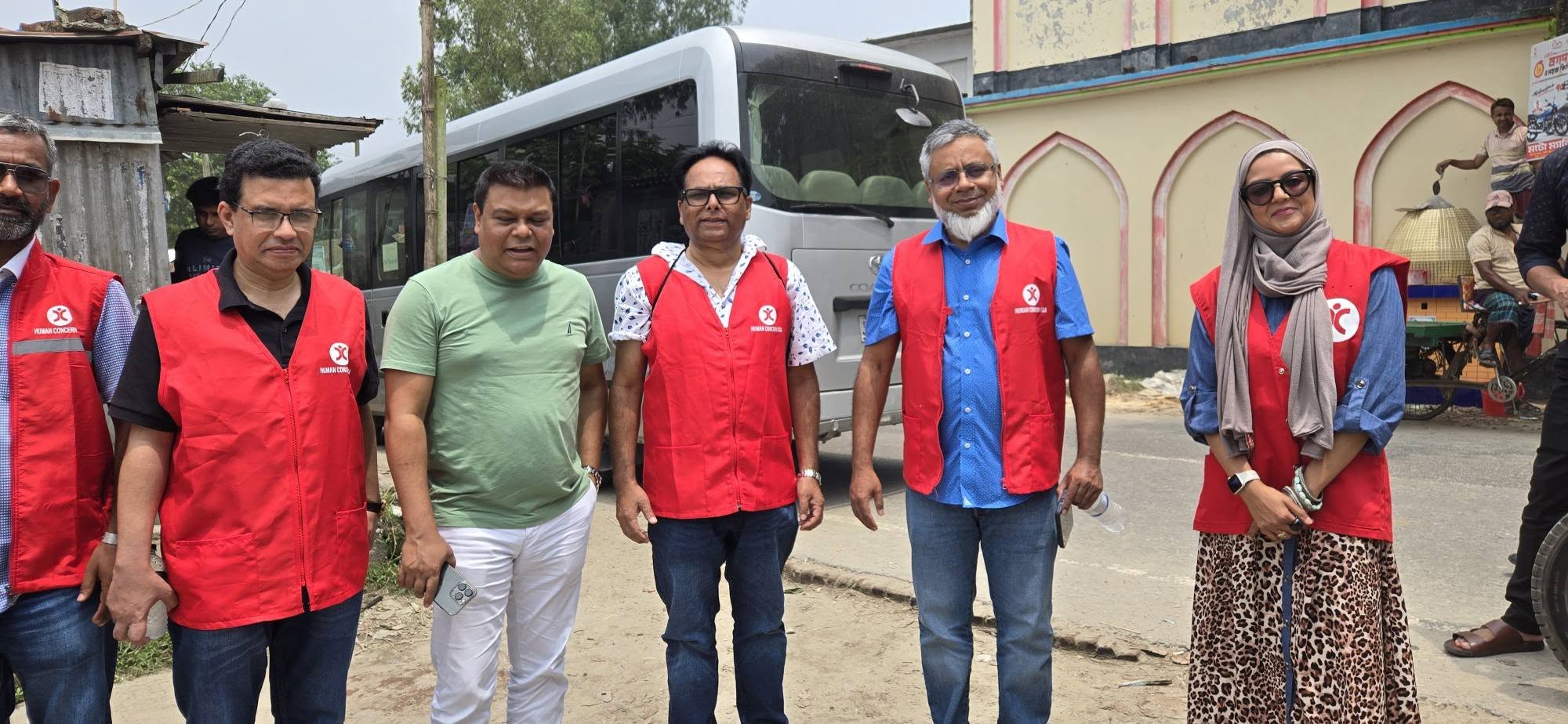
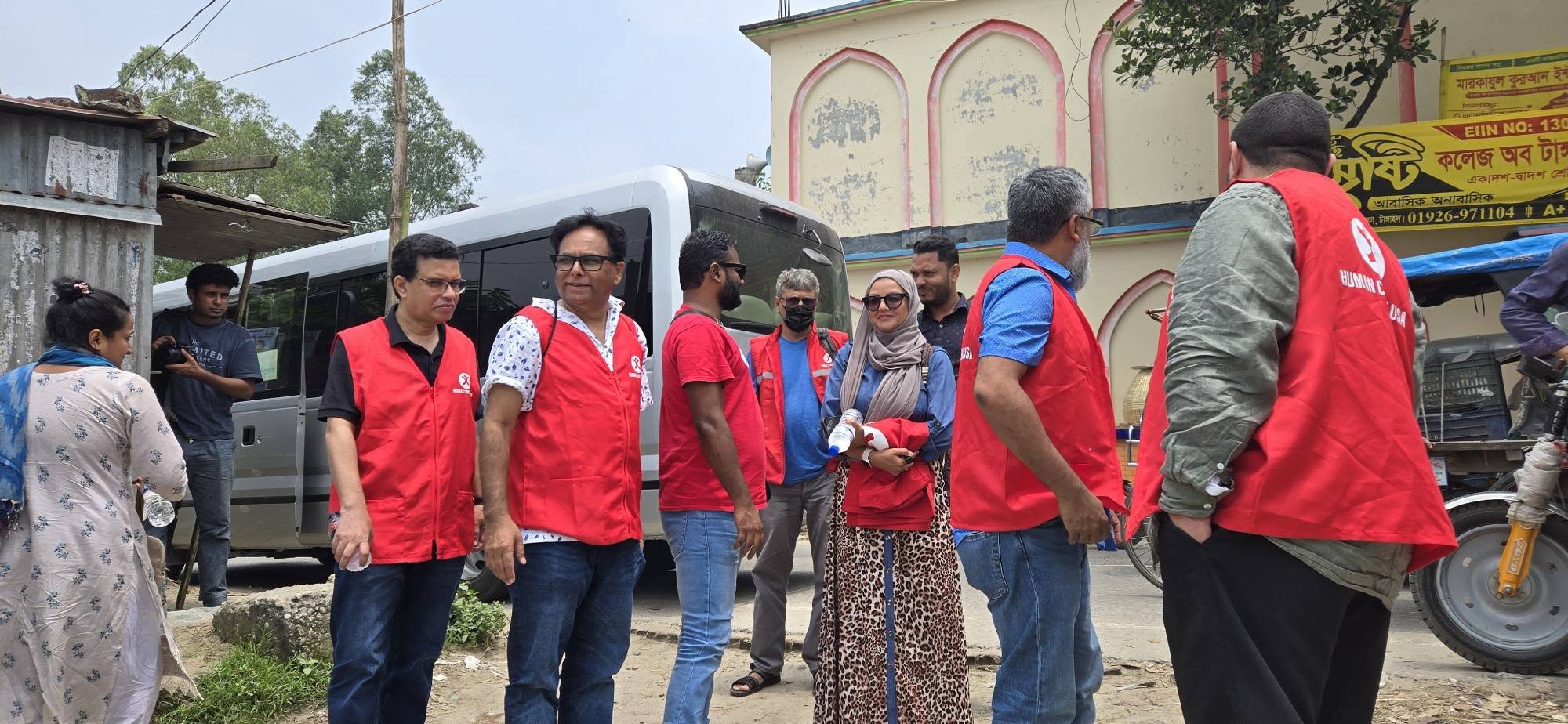
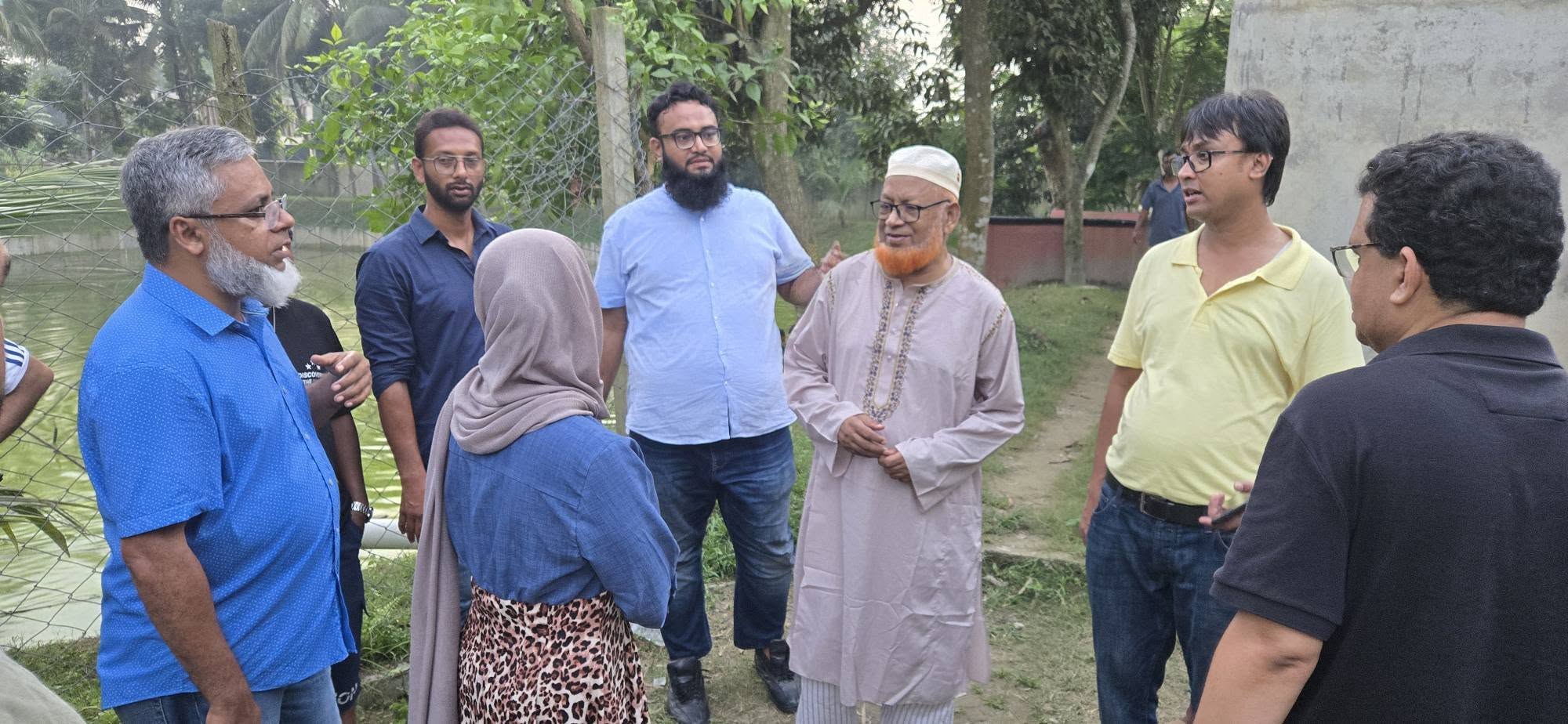
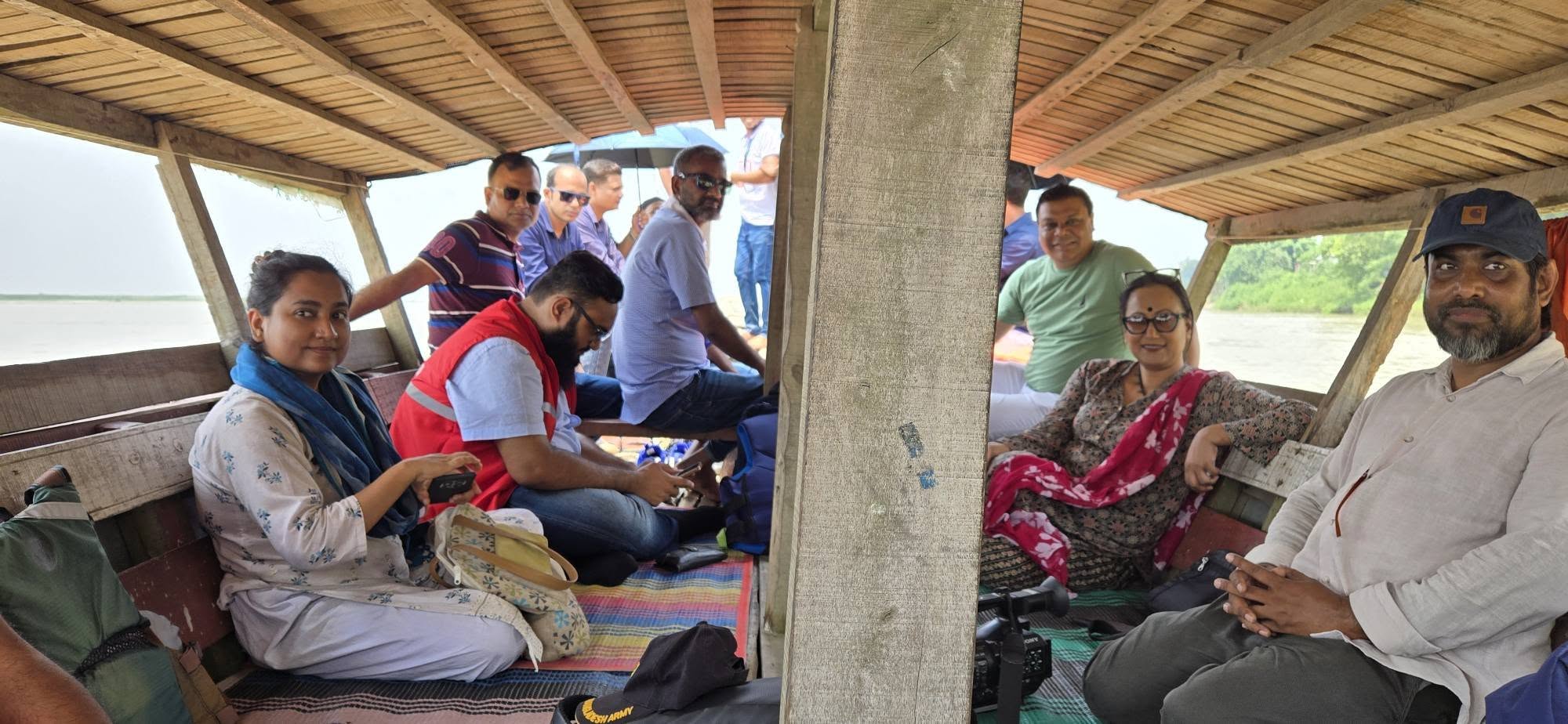
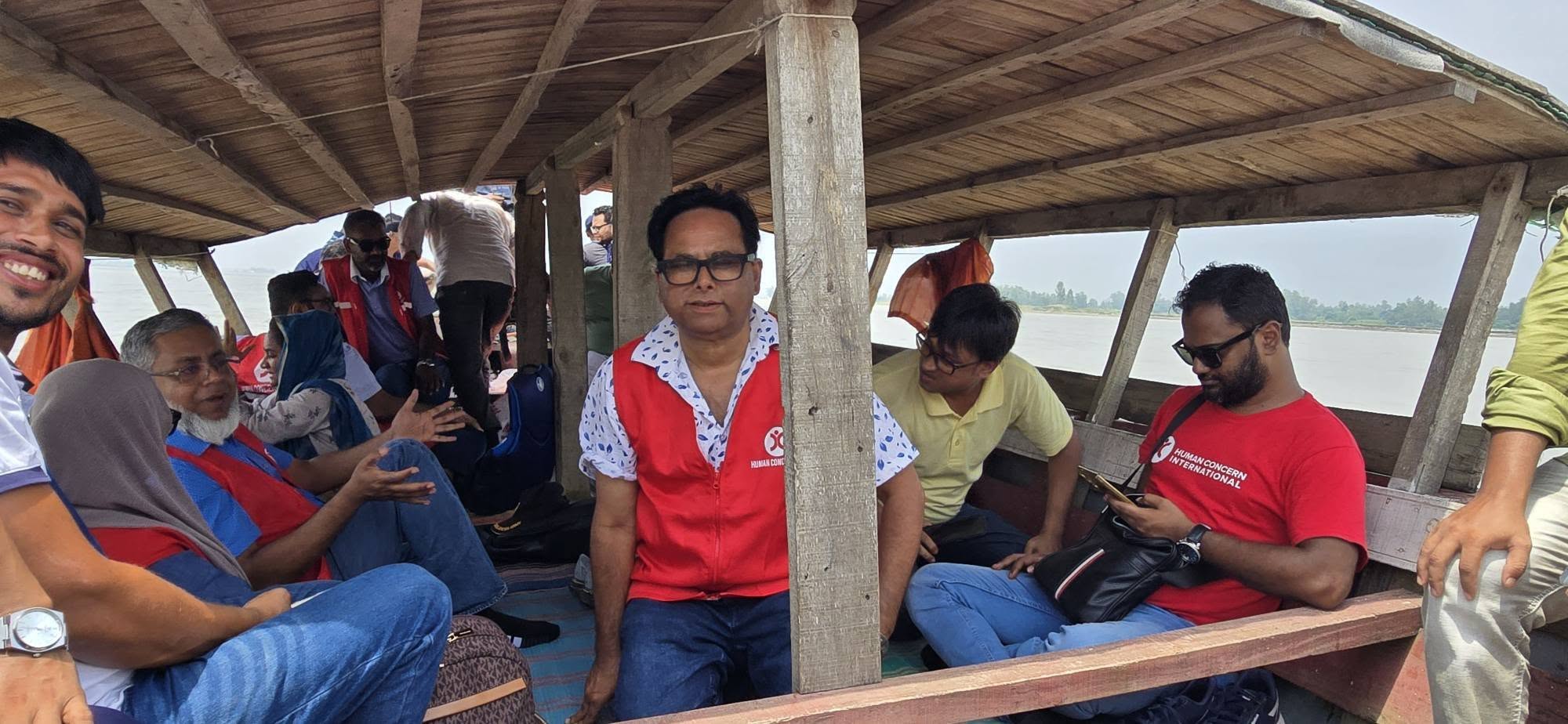
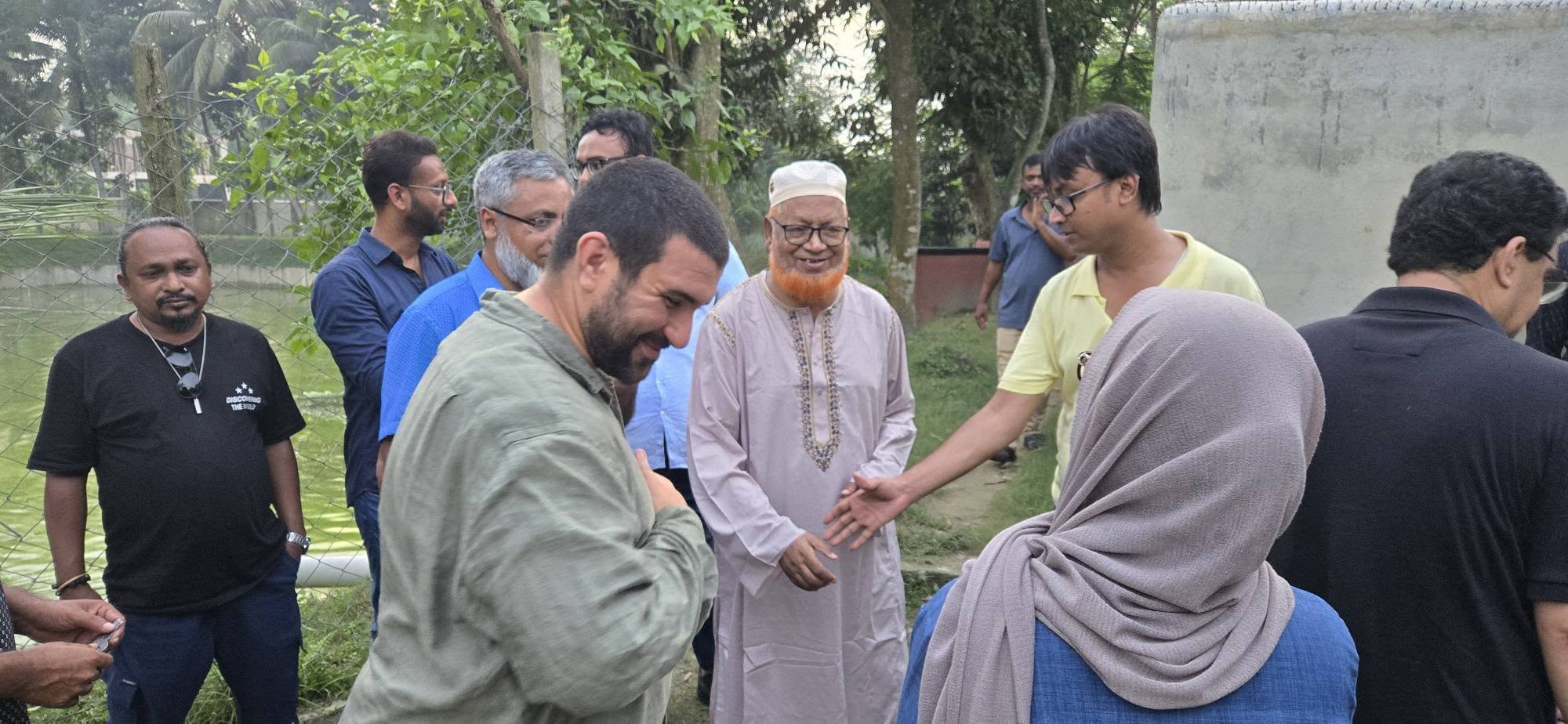
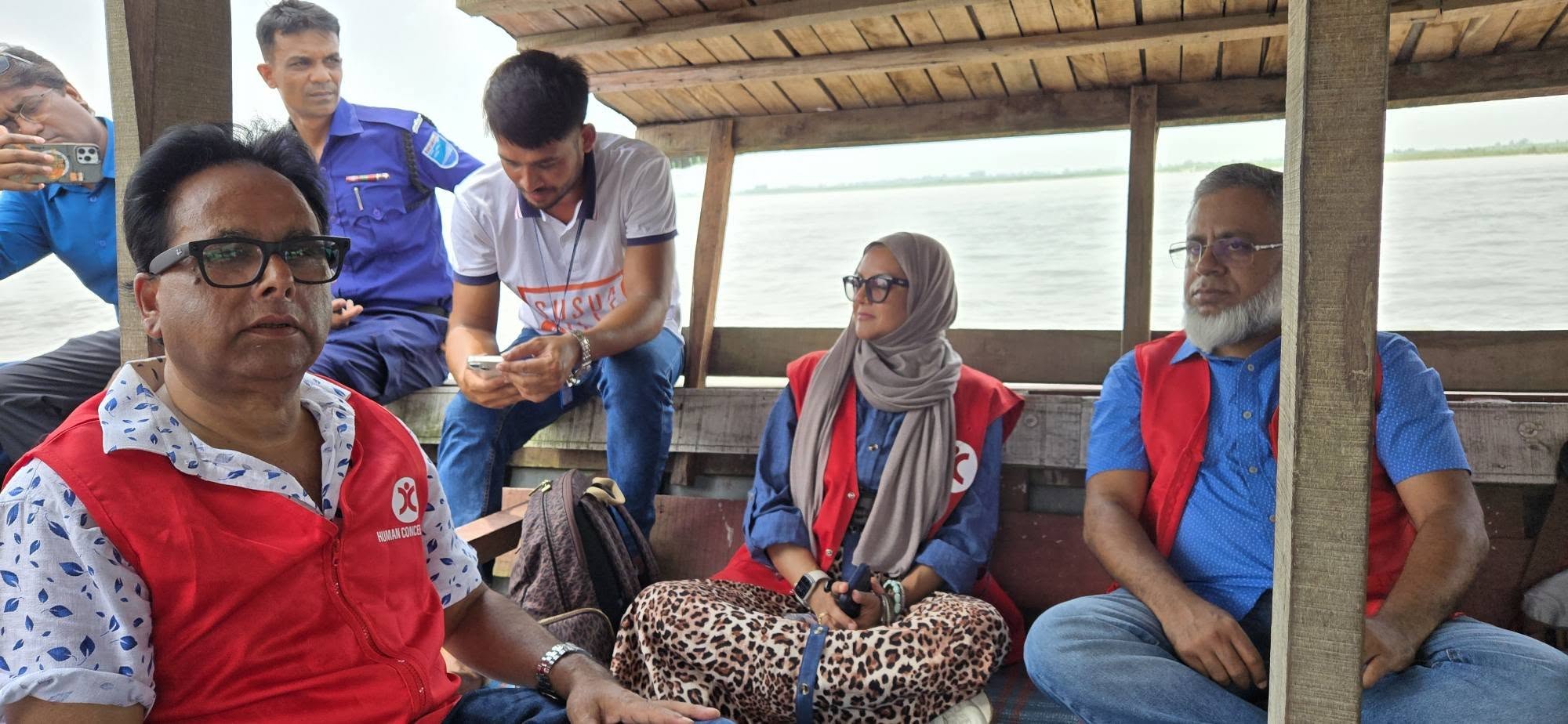
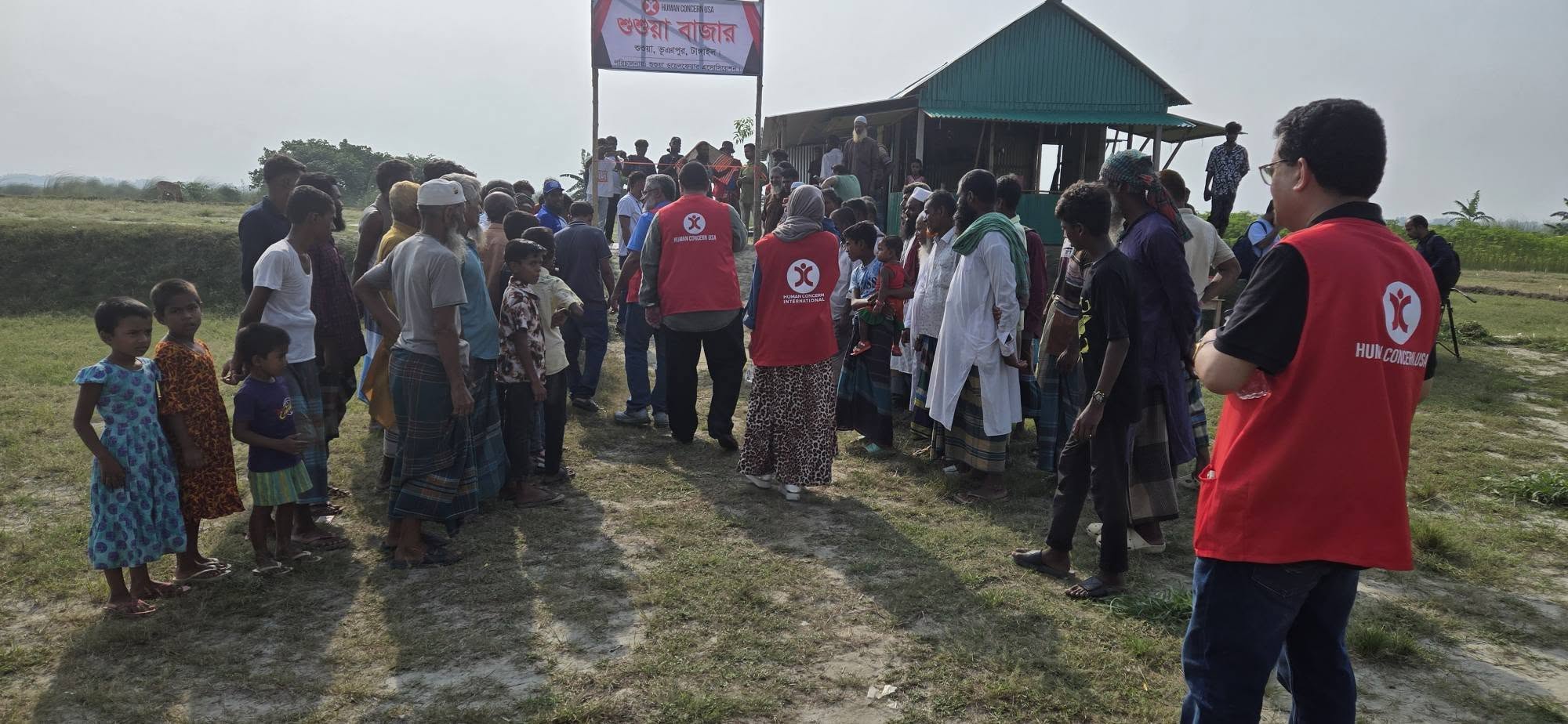
The journey began from Dhaka, continued through Bhuapur Upazila and Nalin Bazar Ghat, and ended by motorboat on the char. The visiting group included journalists, development workers, British journalist and influencer Sami Hamdi, and Human Concern International executives Mahmuda Khan and Masum Mahbub.
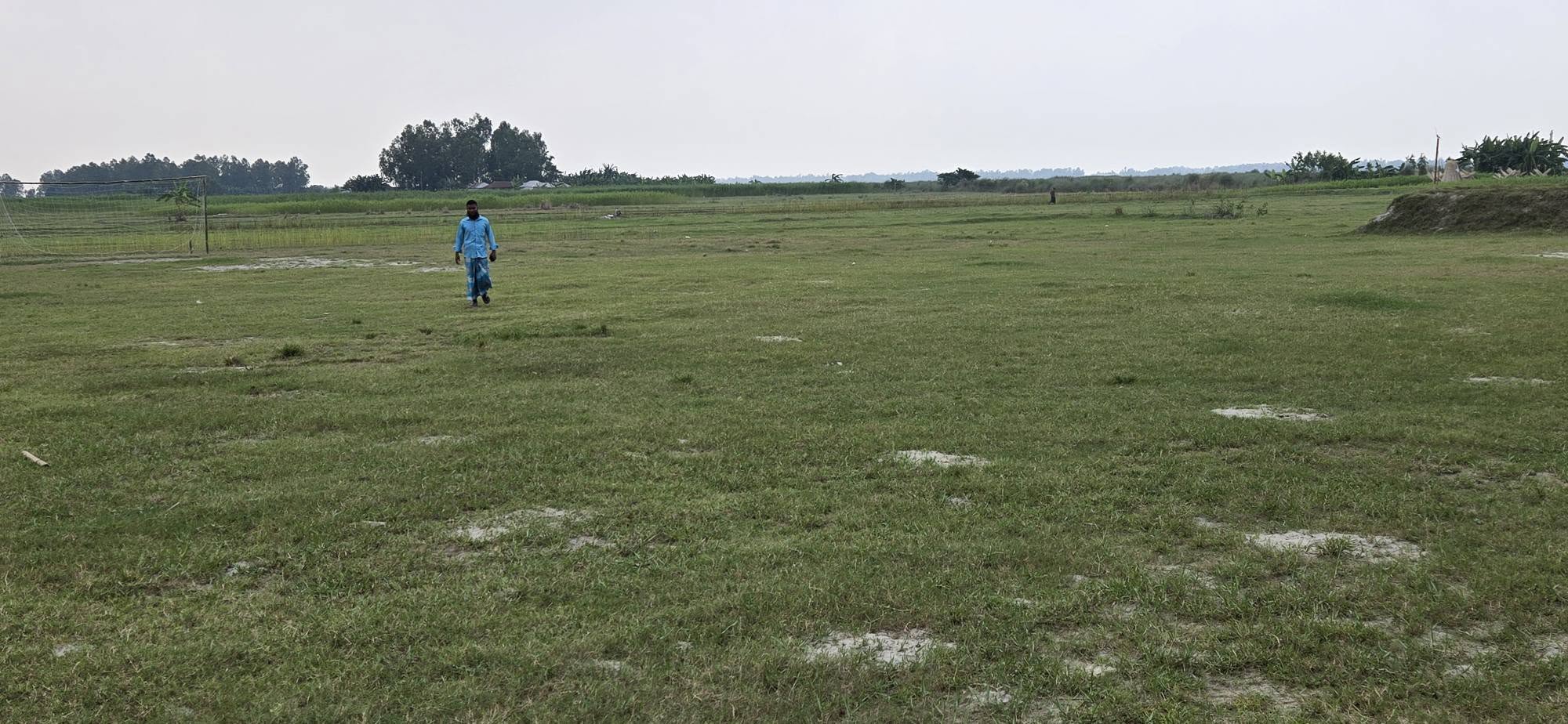
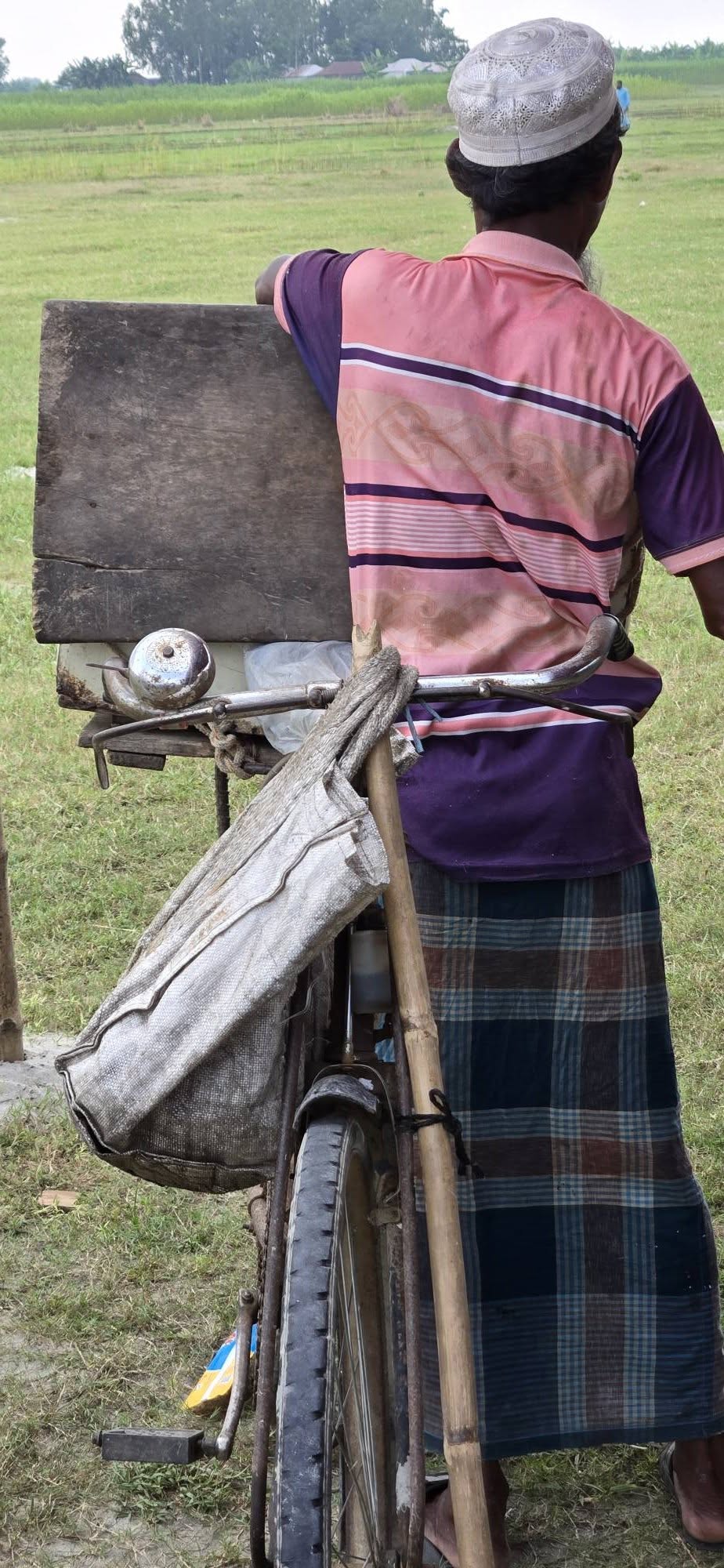
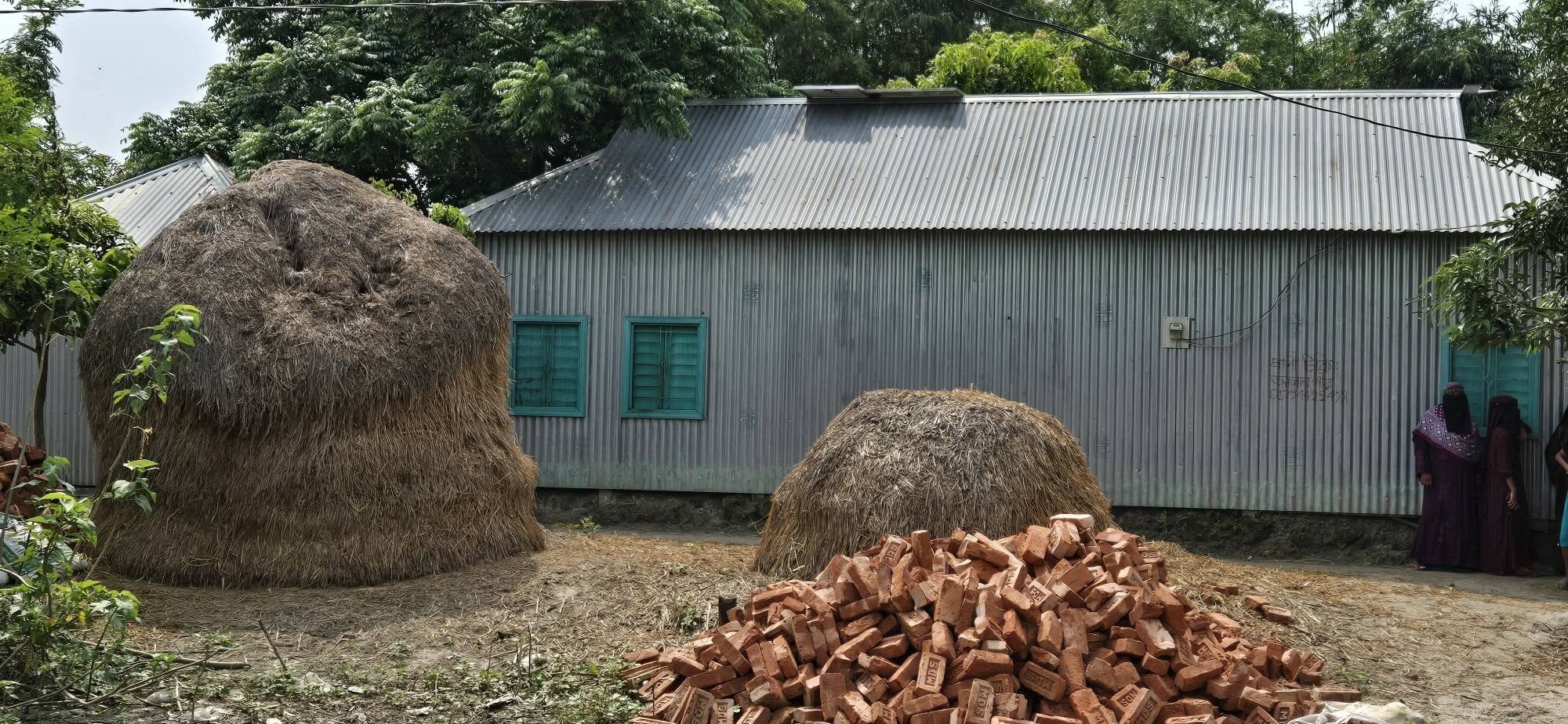
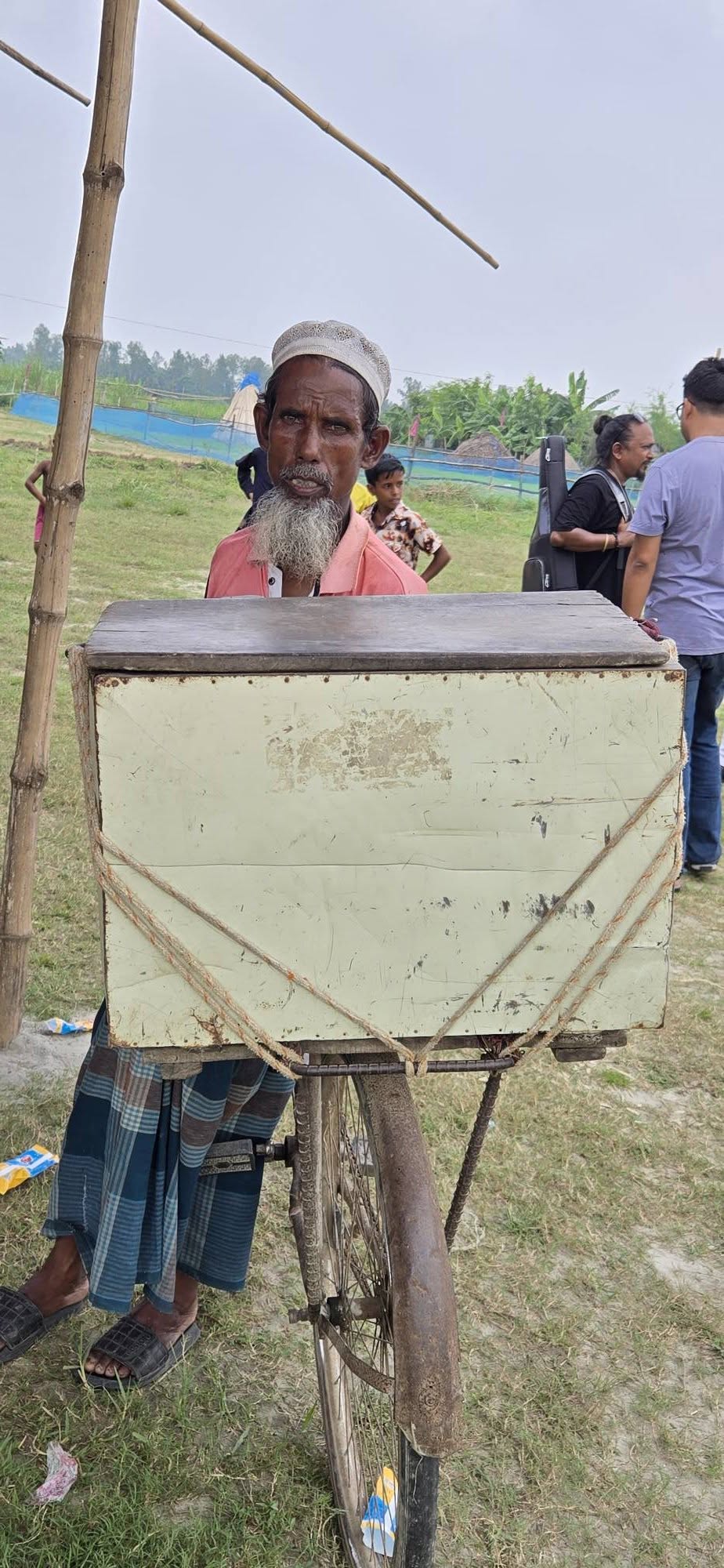
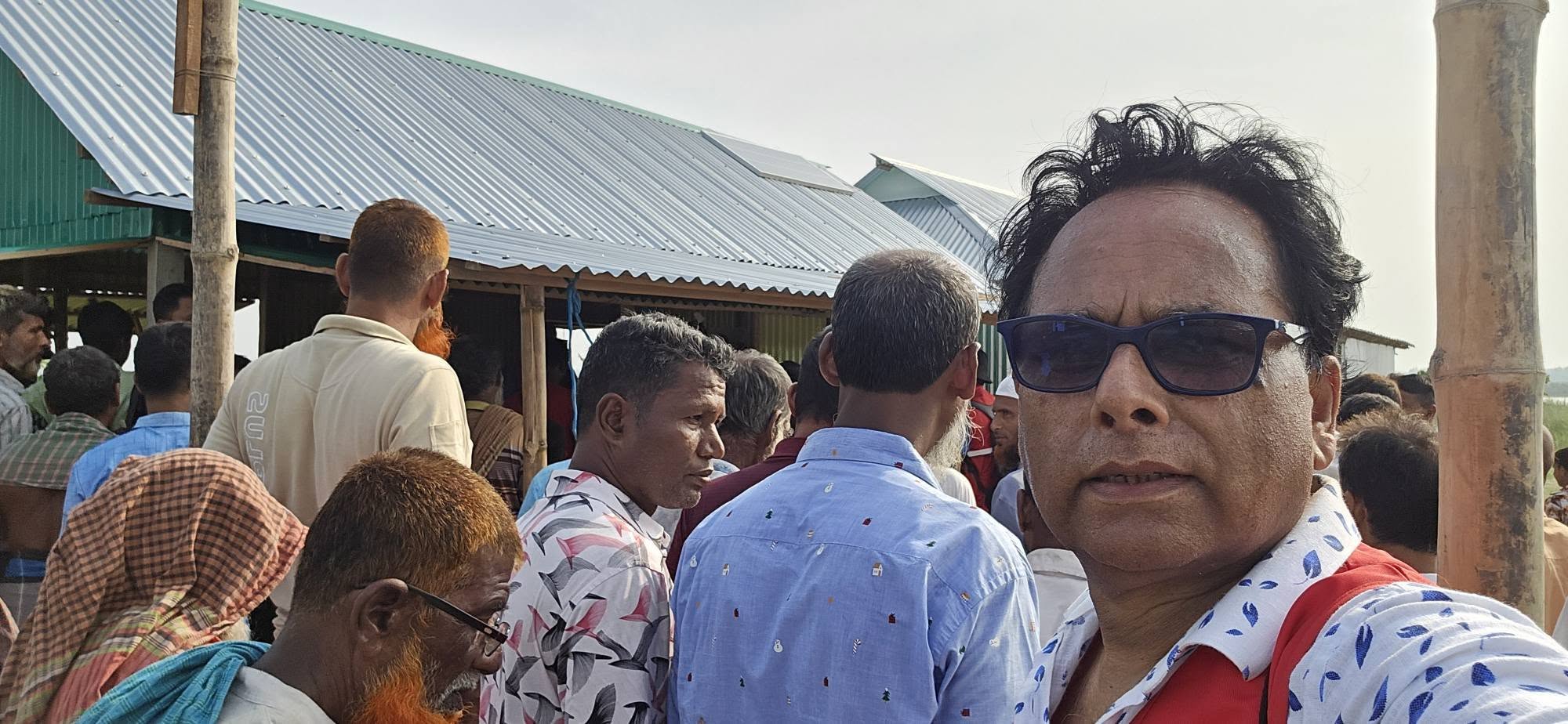
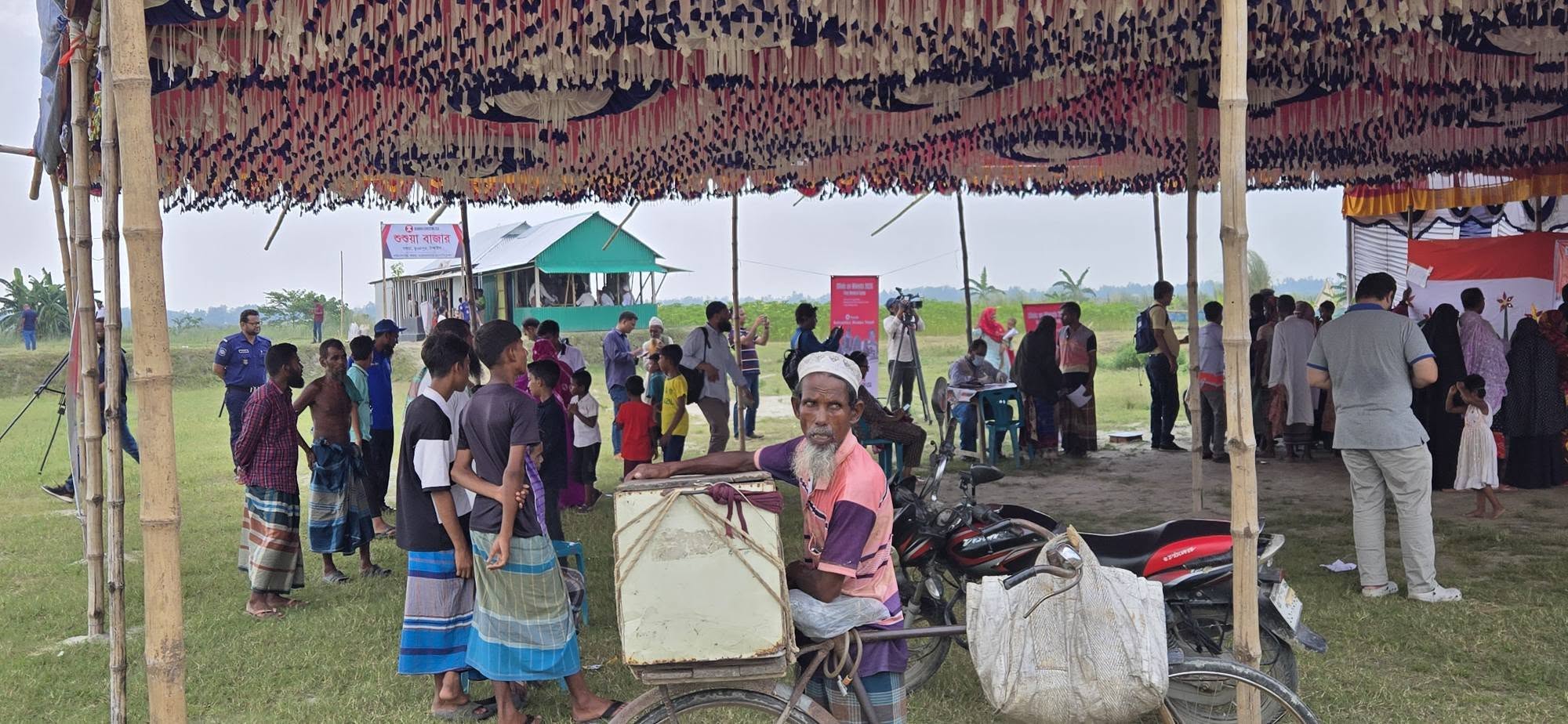
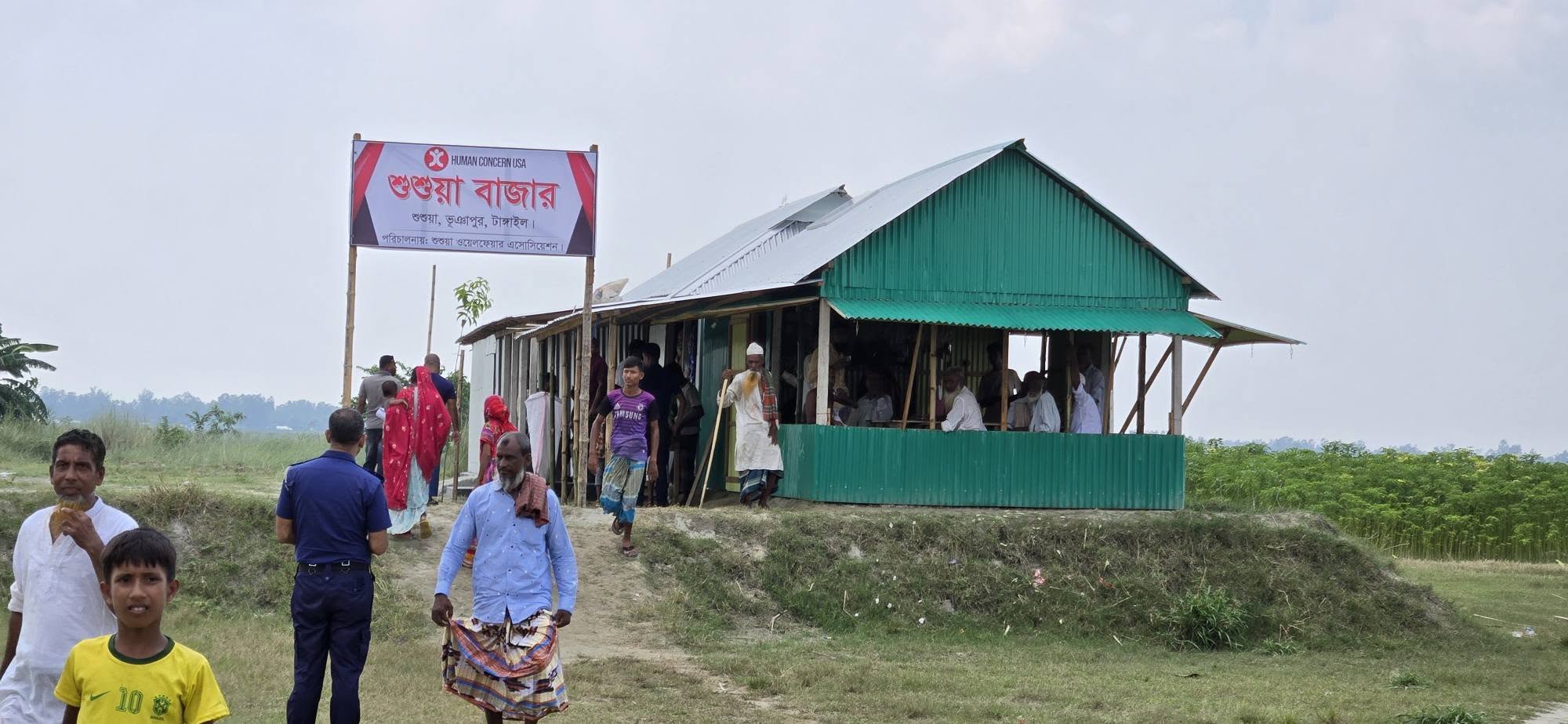
Residents described a history shaped by migration and repeated loss of land. The settlement grew from families who had once moved in search of safer farmland before returning to the river region and establishing new homes. Over time, the char developed houses, schools, mosques, farmland, and local markets. Today, roughly 5,000 people live across an area stretching about five to six miles, cultivating jute, corn, and rice while facing the constant threat of erosion.
One elderly resident summed up the community’s biggest concern when asked what single change he wanted most. “If the government would come forward to protect the char from the river current with an embankment,” he said.
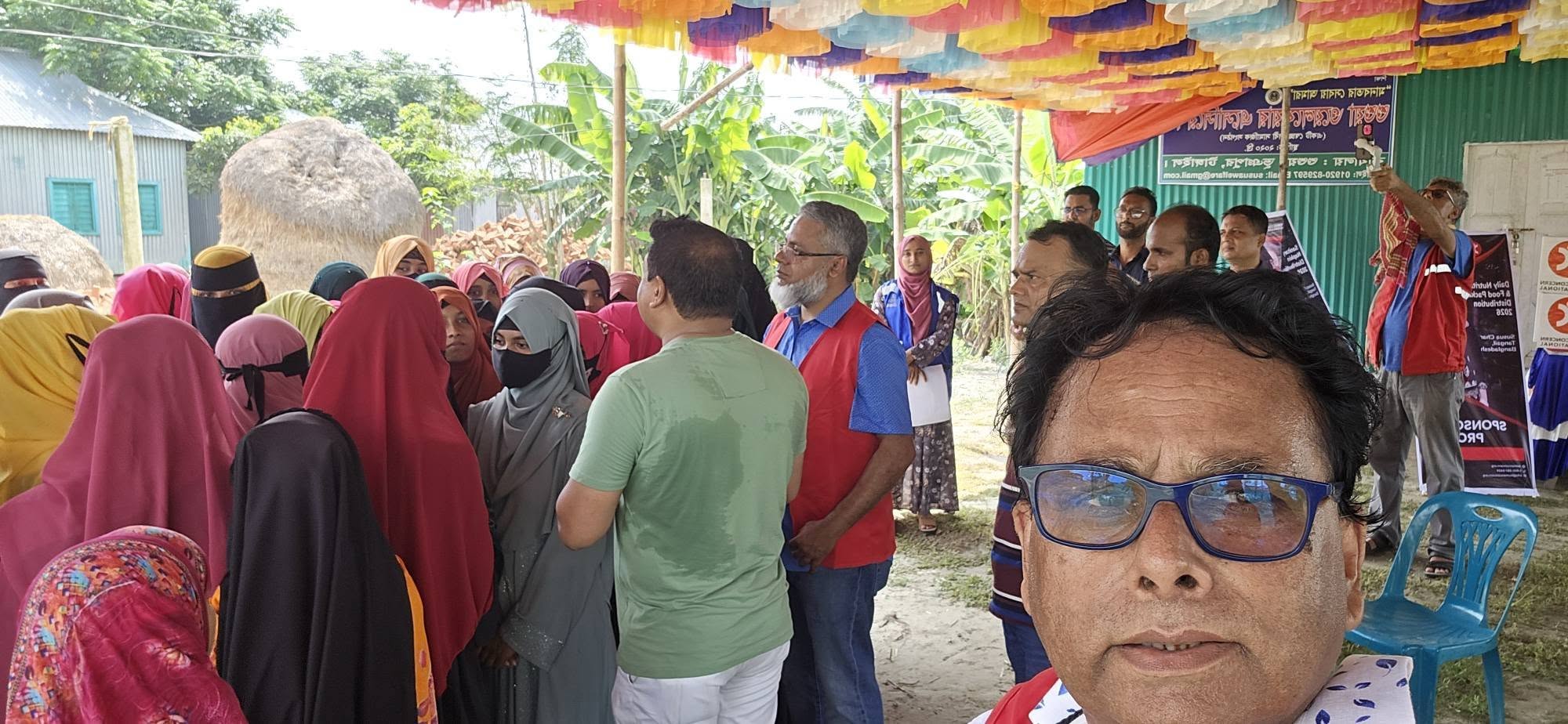
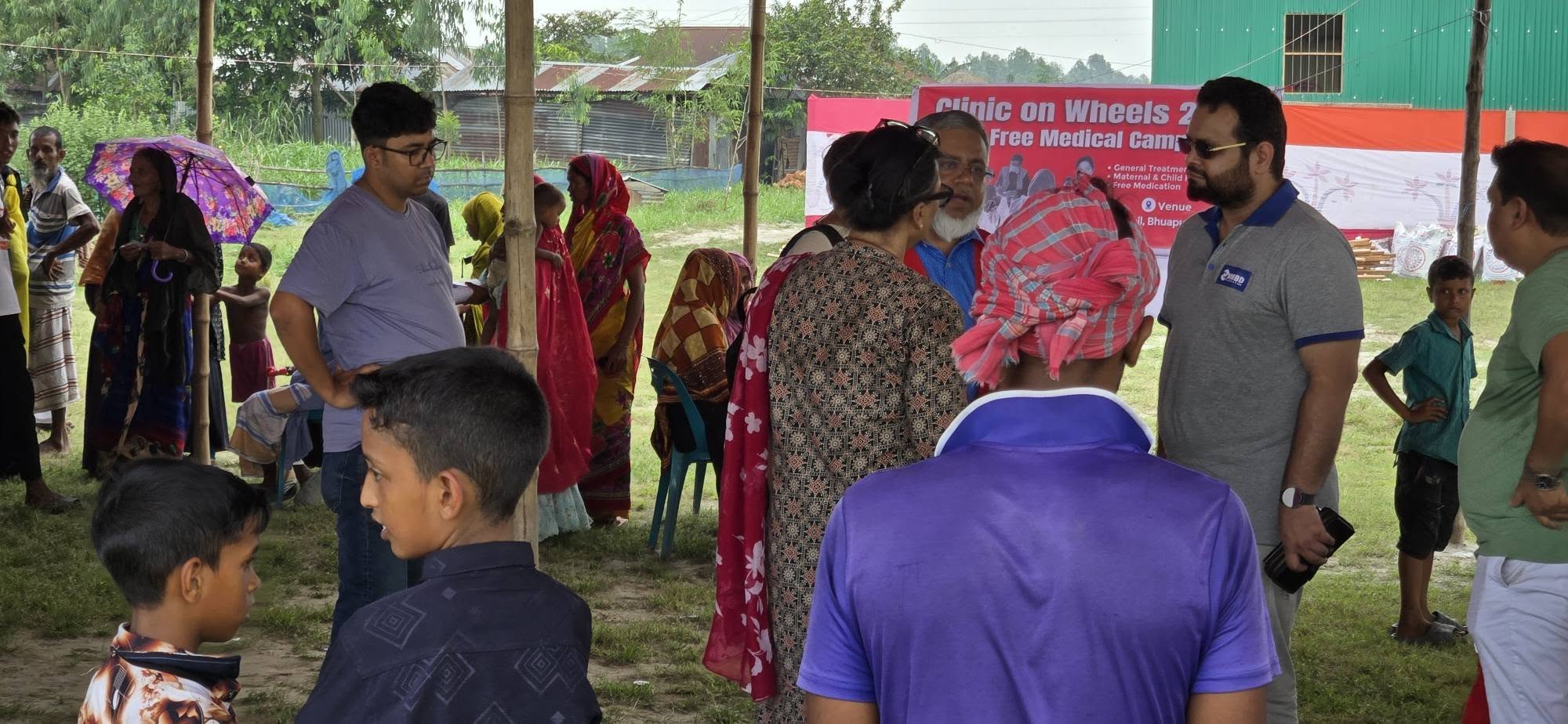
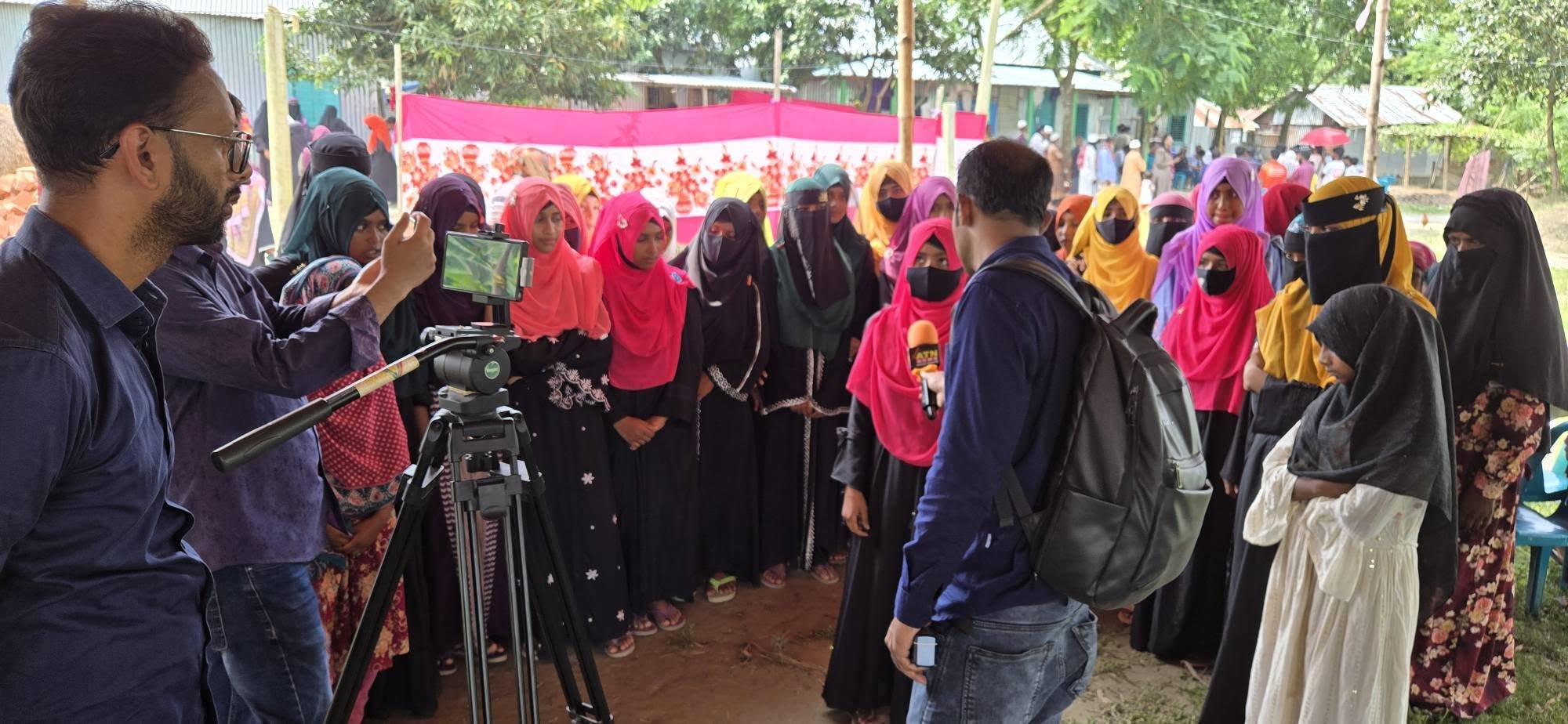
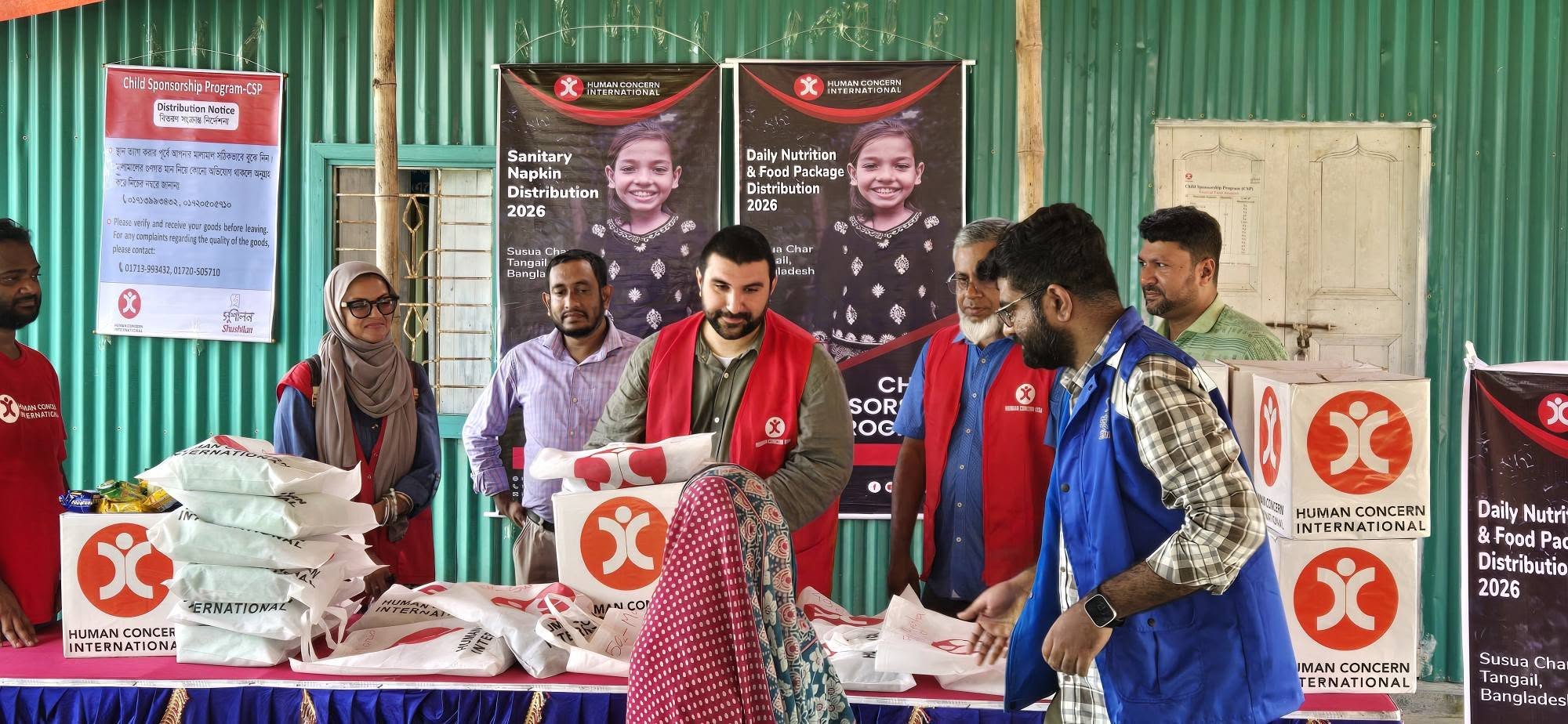
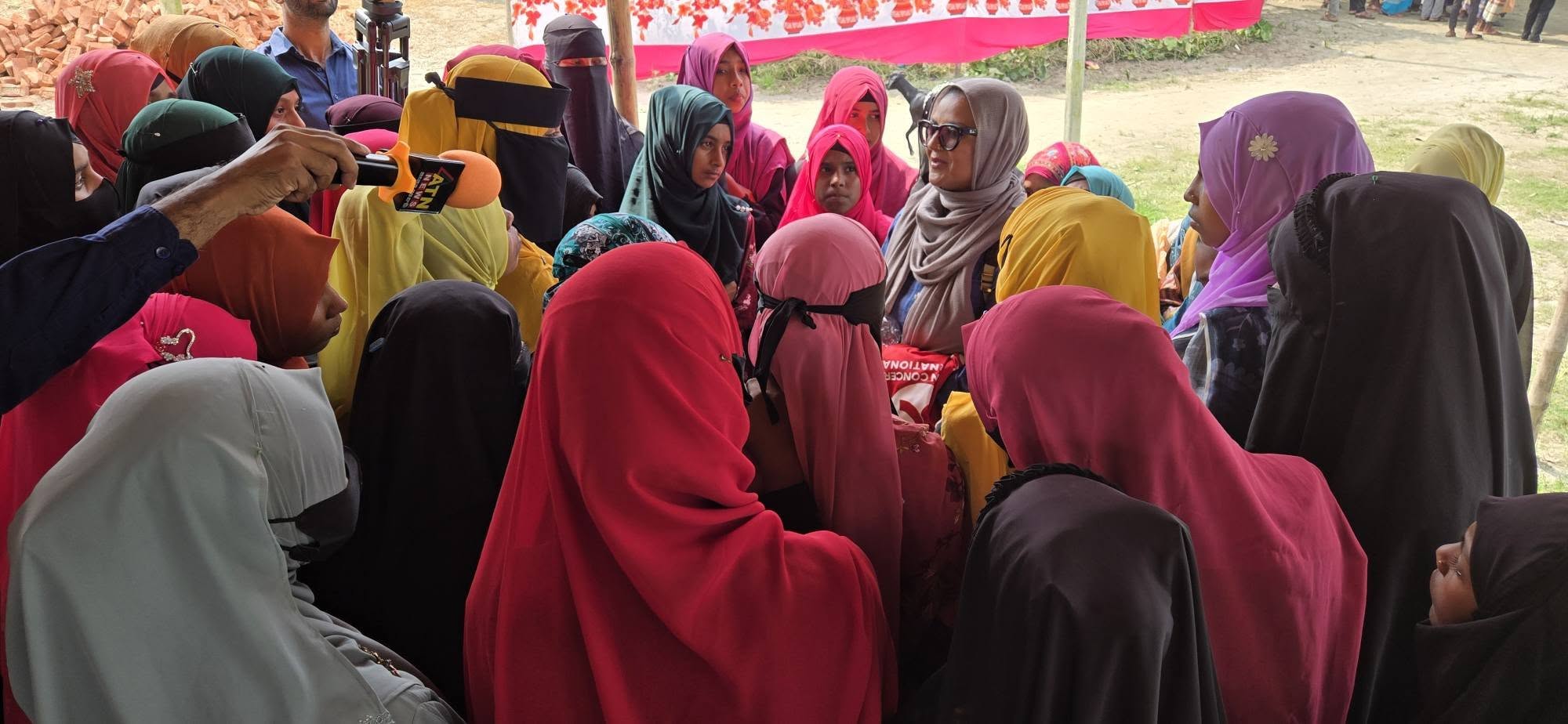
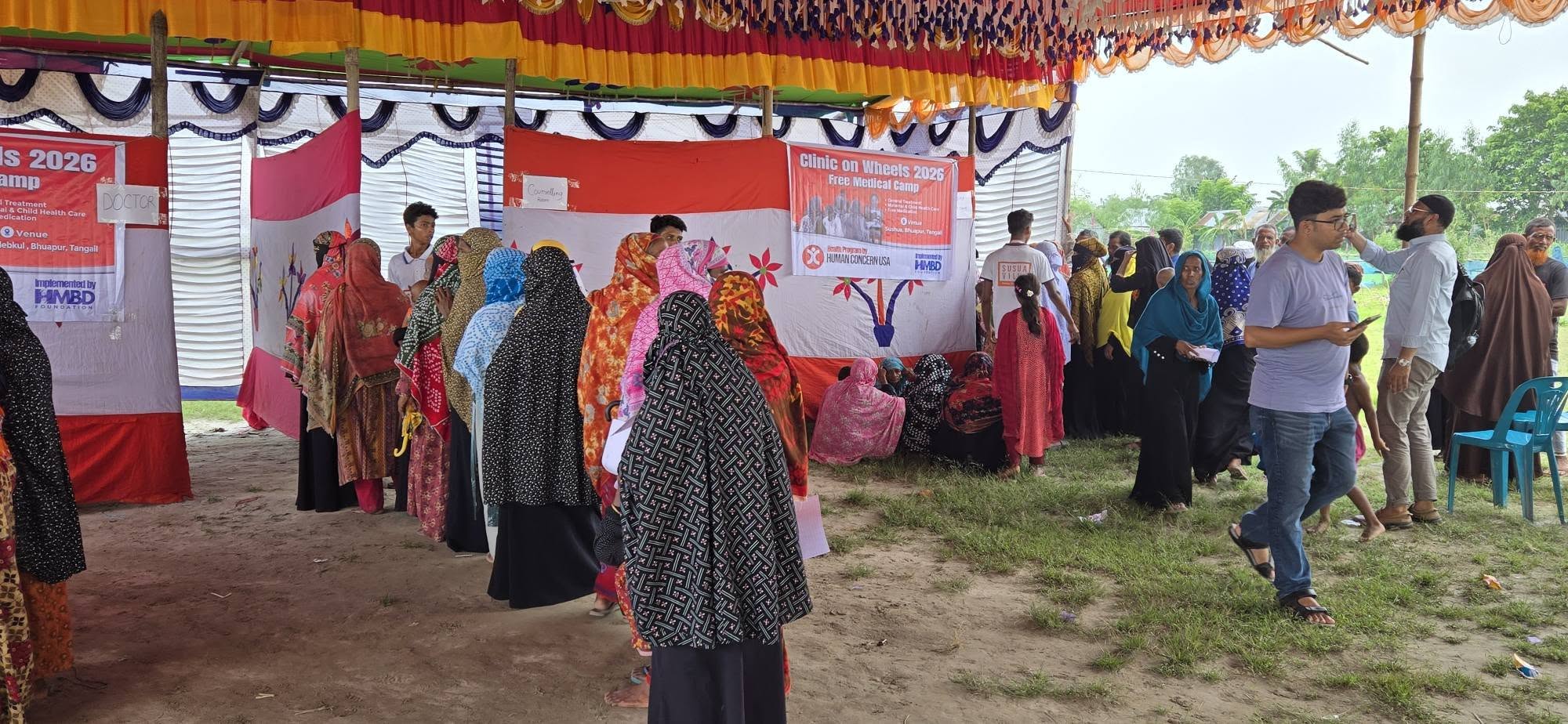
The visit also highlighted signs of progress. Girls are advancing in education, students are learning computer coding, and residents are receiving care through a mobile medical center. These initiatives have received support from Human Concern International, linking local needs with humanitarian assistance from abroad.
The history of the char is also closely tied to Bahaj Uddin, a son of a poor local family who went on to study at Dhaka University, joined the Liberation War, and later entered the civil service. Residents continue to regard him as a source of pride and an example of what can emerge from a community shaped by hardship.
For visitors, the trip offered more than a view of rural Bangladesh. It revealed a population living with uncertainty while continuing to educate children, grow food, seek medical care, and rebuild after loss.
On Shushuar Char, resilience is not an abstract idea. It is part of everyday life.
All Photo Credit : Ibrahim Chowdhury
For more blogs, visit nyn.press