Emily Parker :
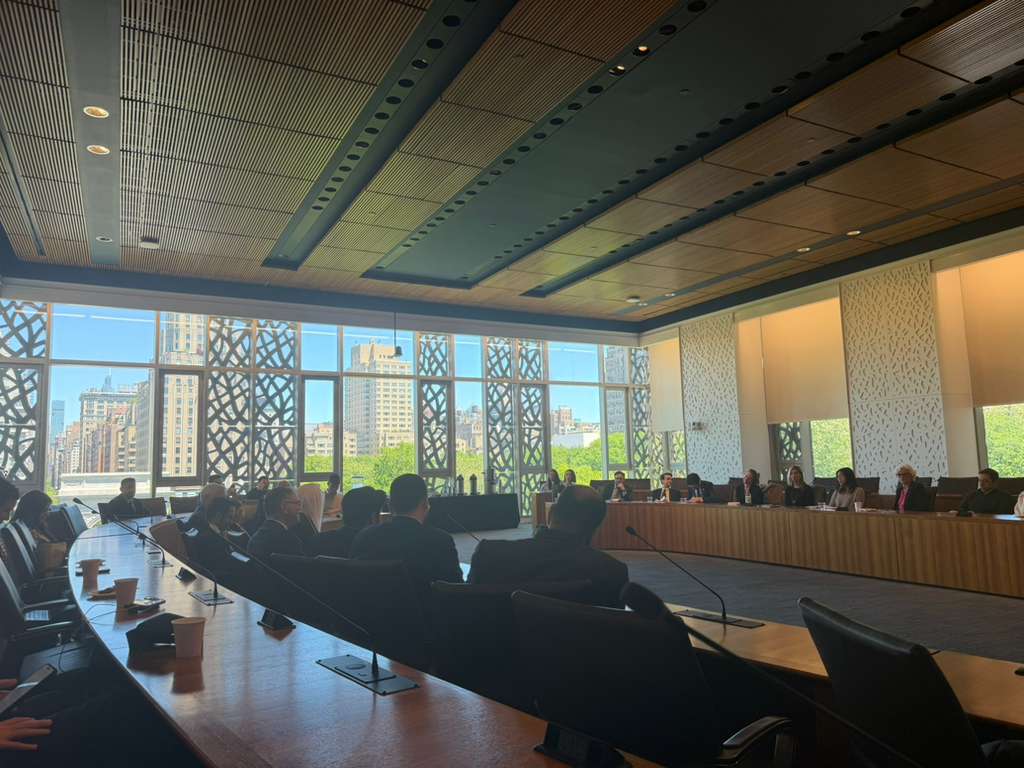
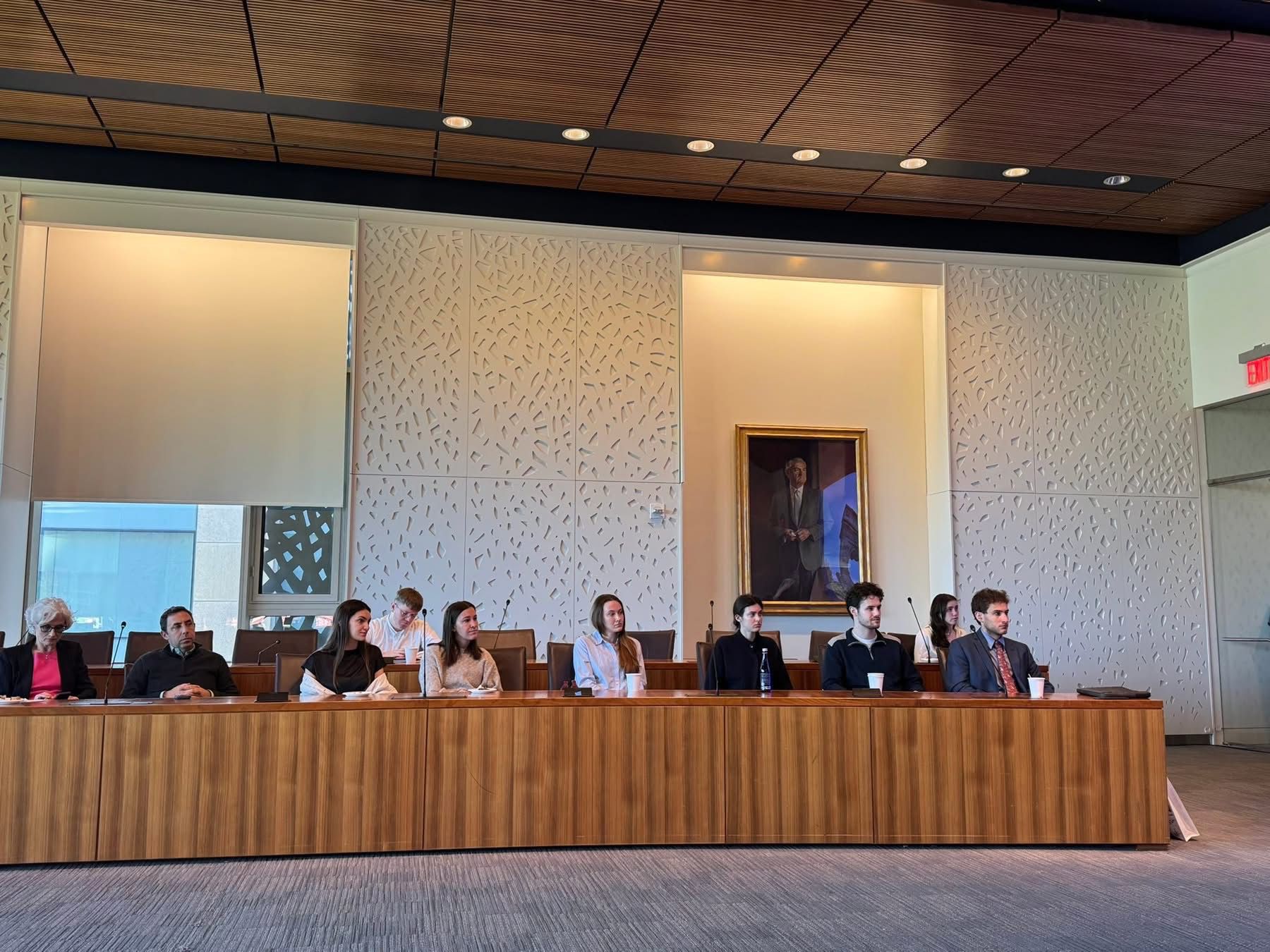
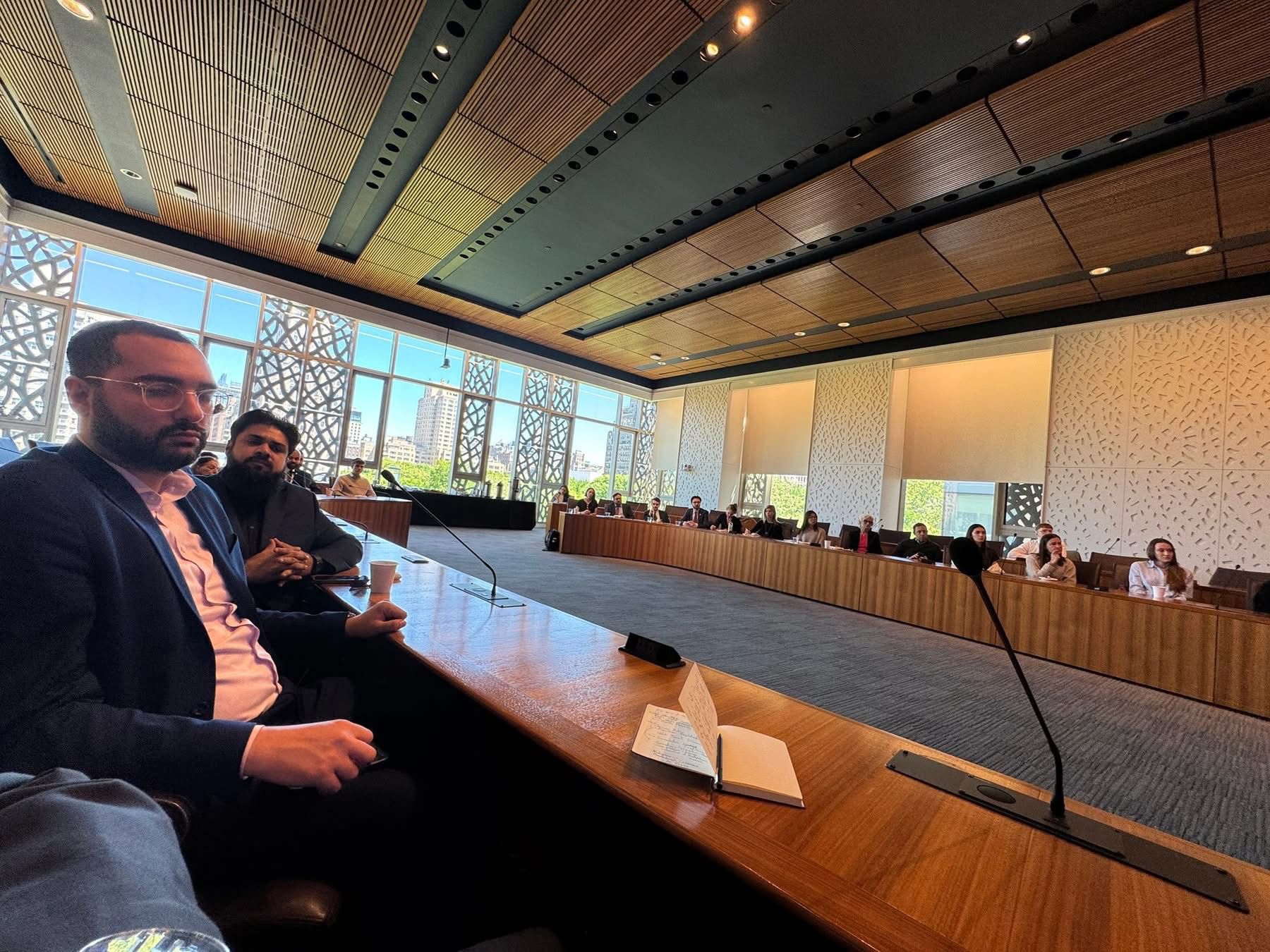
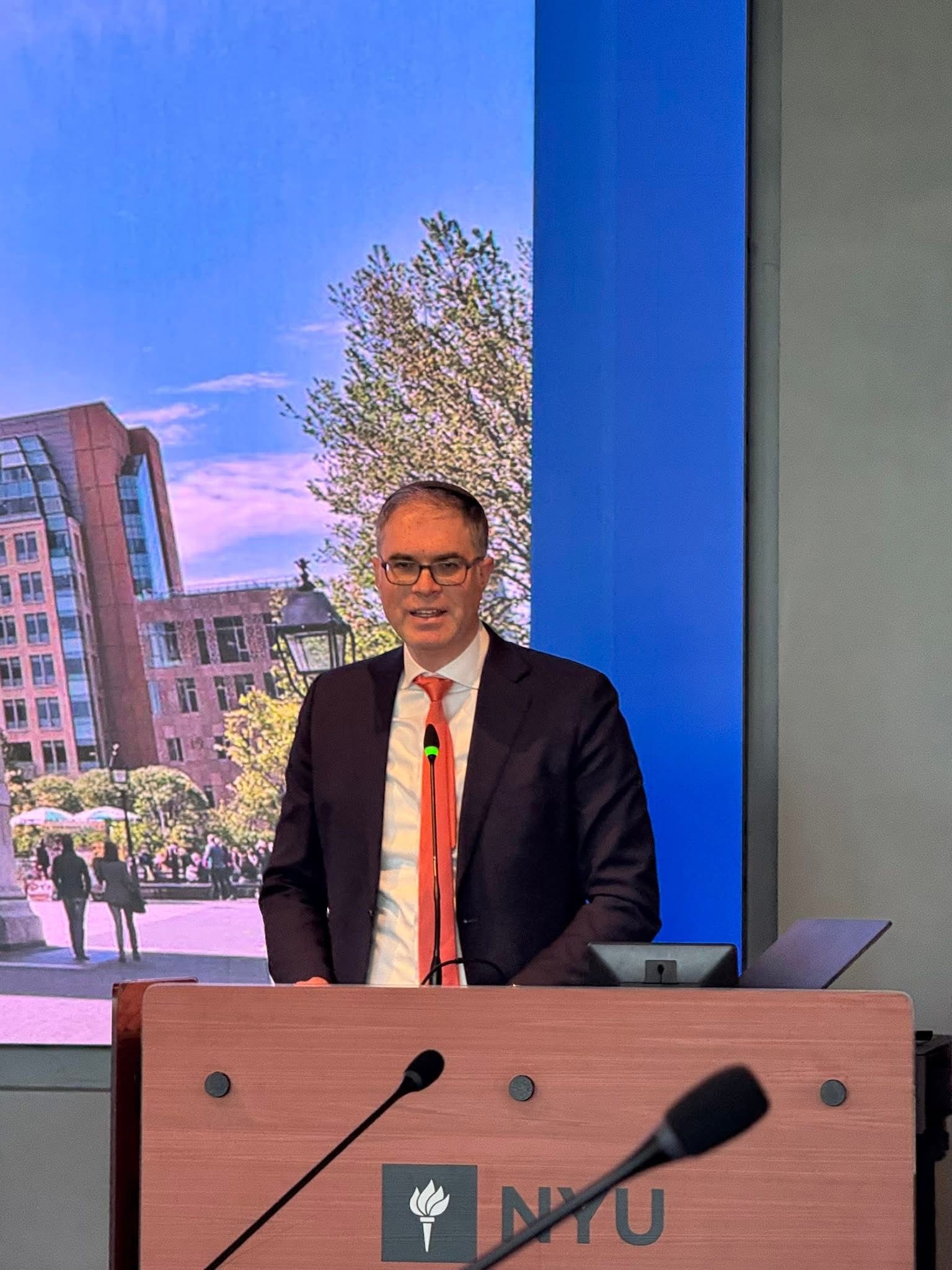
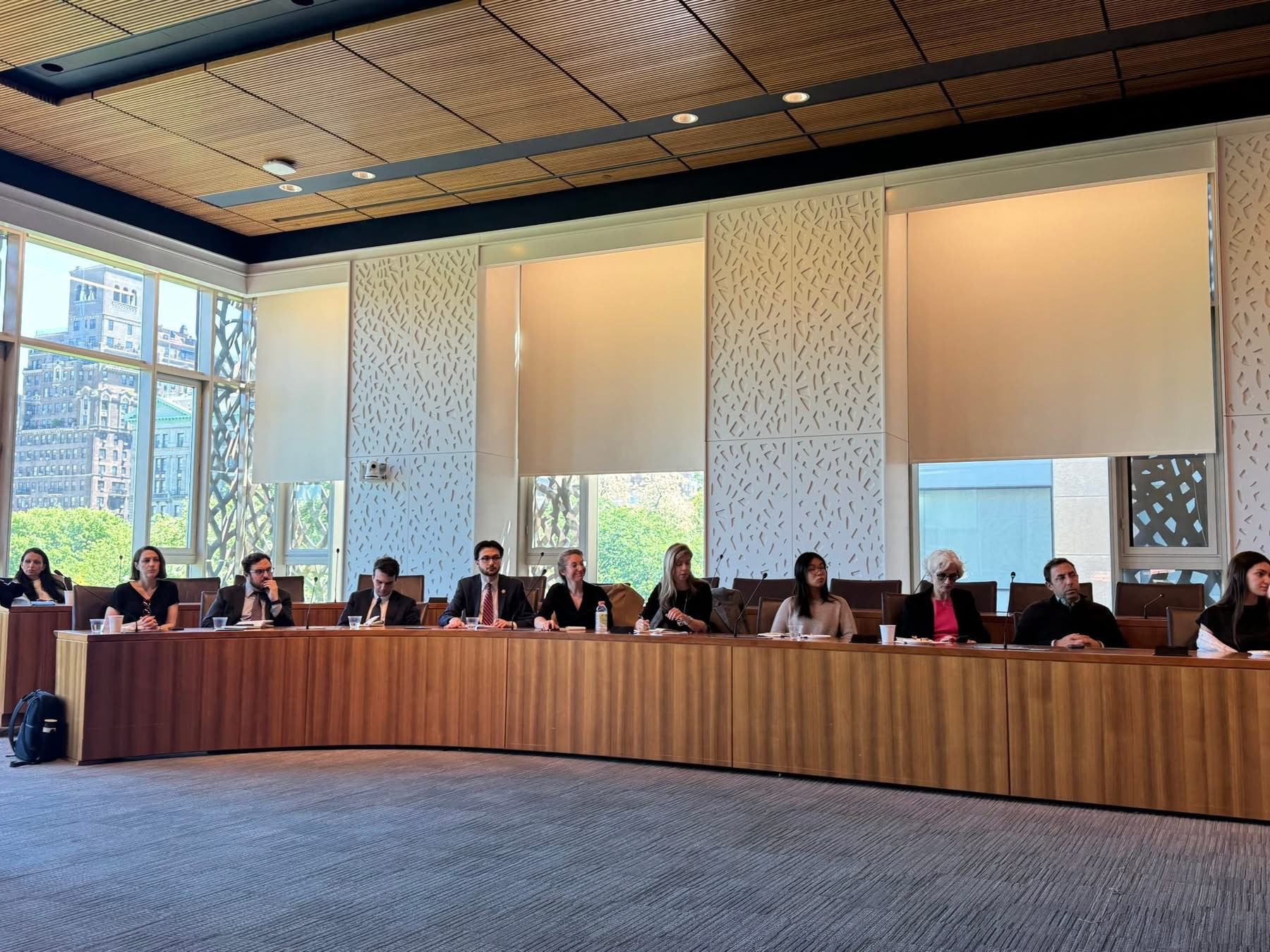
A timely forum at New York University recently brought faith leaders, scholars, technology voices, and civic stakeholders together to examine one of the most urgent questions of the digital age: how artificial intelligence can be used to protect human dignity rather than fuel hate.
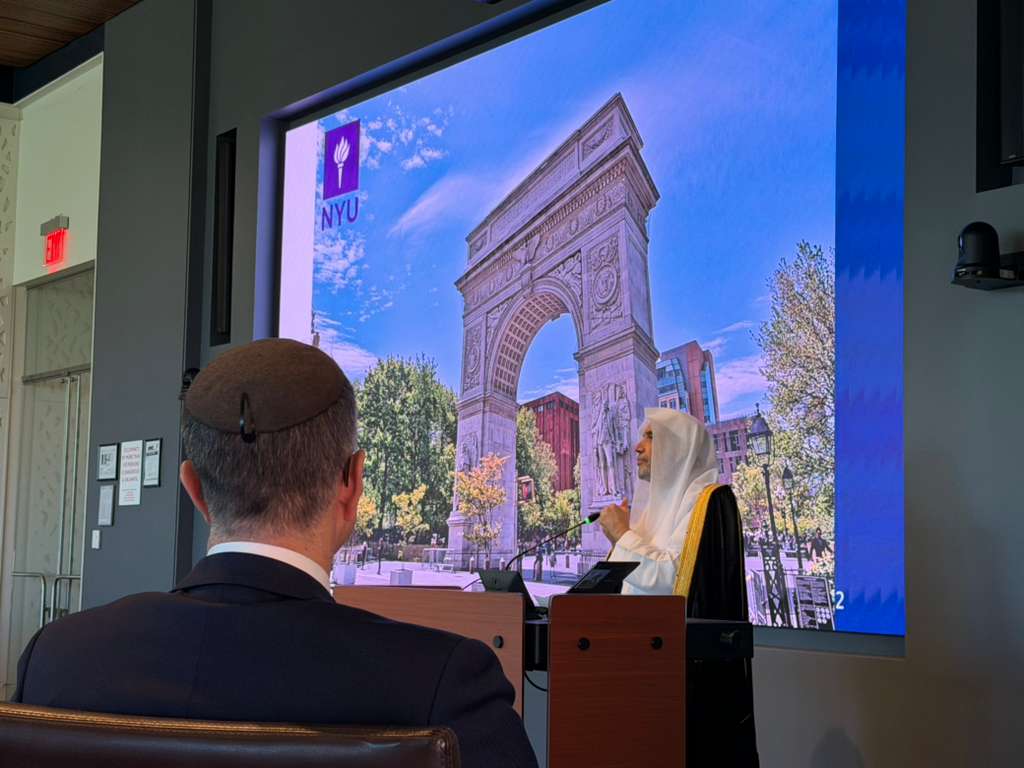
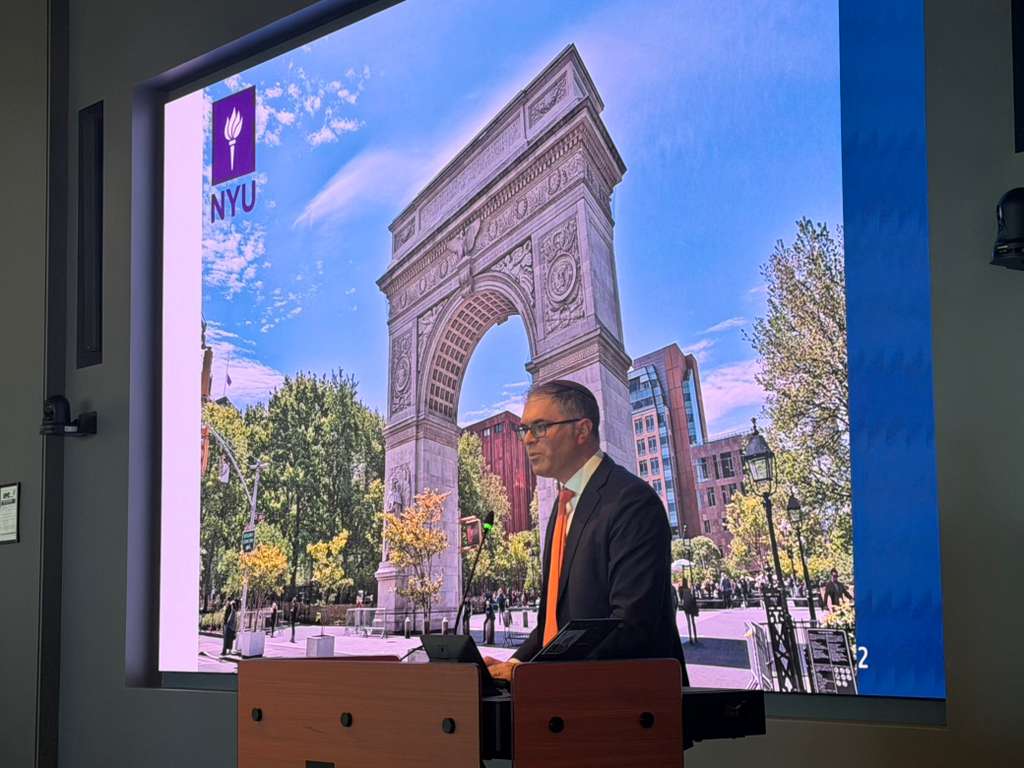
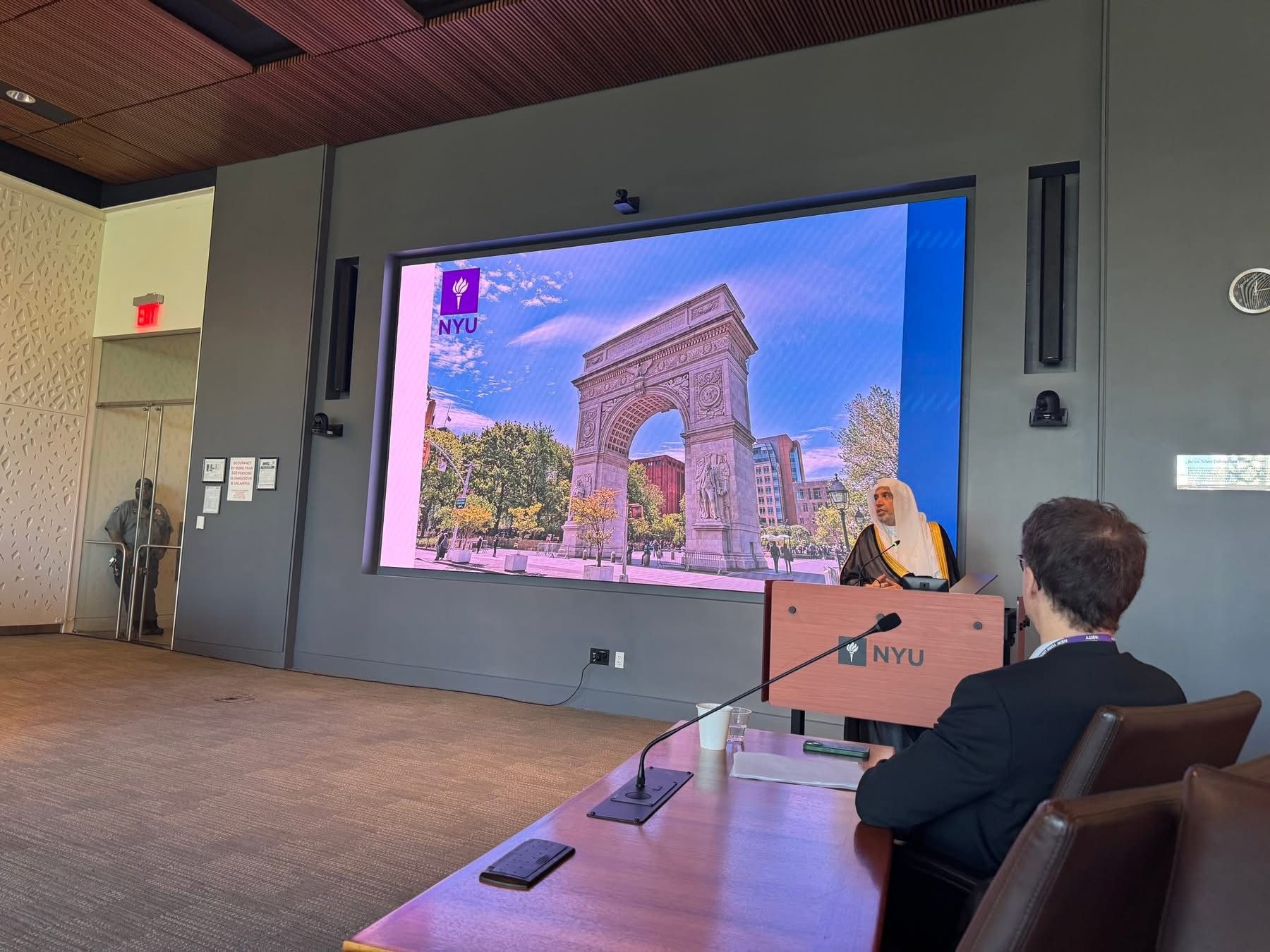
The event, titled “AI, Ethics, and the Digital Frontier: Safeguarding Humanity Against Hate and Radicalization,” was hosted by NYU in collaboration with the Muslim World League. According to the program overview, the gathering focused on the risks of digital radicalization and the automated spread of hate speech at a time when AI is redefining human interaction.
The forum explored the role of ethical leadership in the age of generative AI, the ways AI-driven algorithms may contribute to radicalization, and the promise of data-driven tools to identify and counter online hate. A central focus was the “Decoding Hate” project, described as an approach to identifying and neutralizing antisemitism and Islamophobia online.
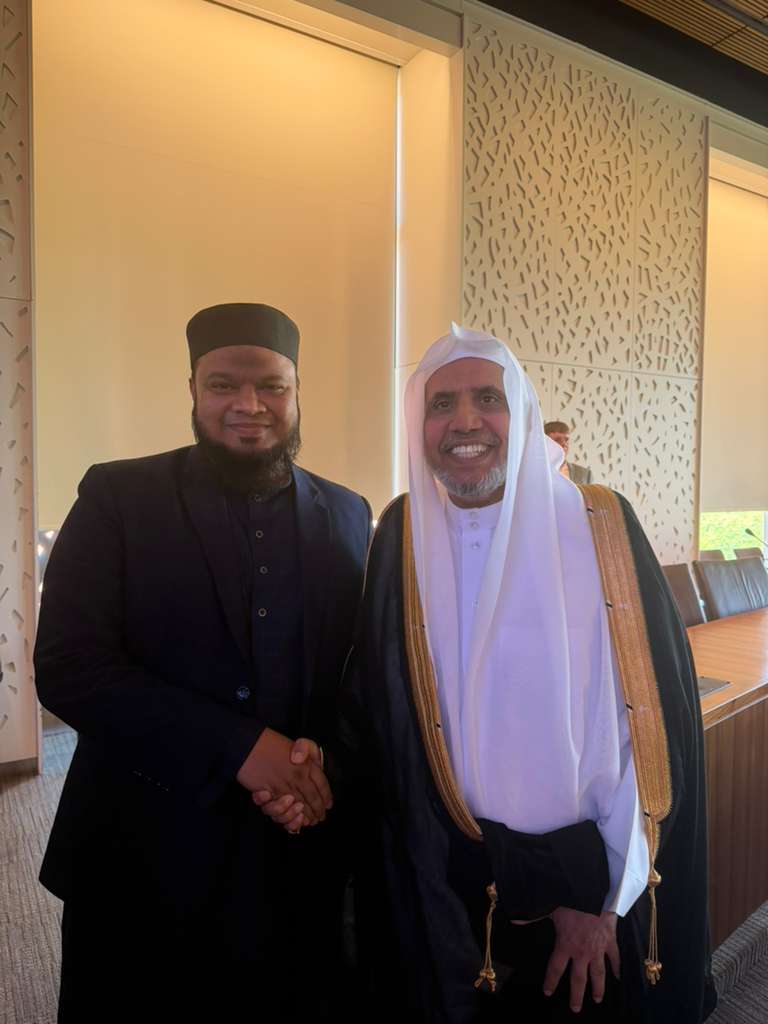
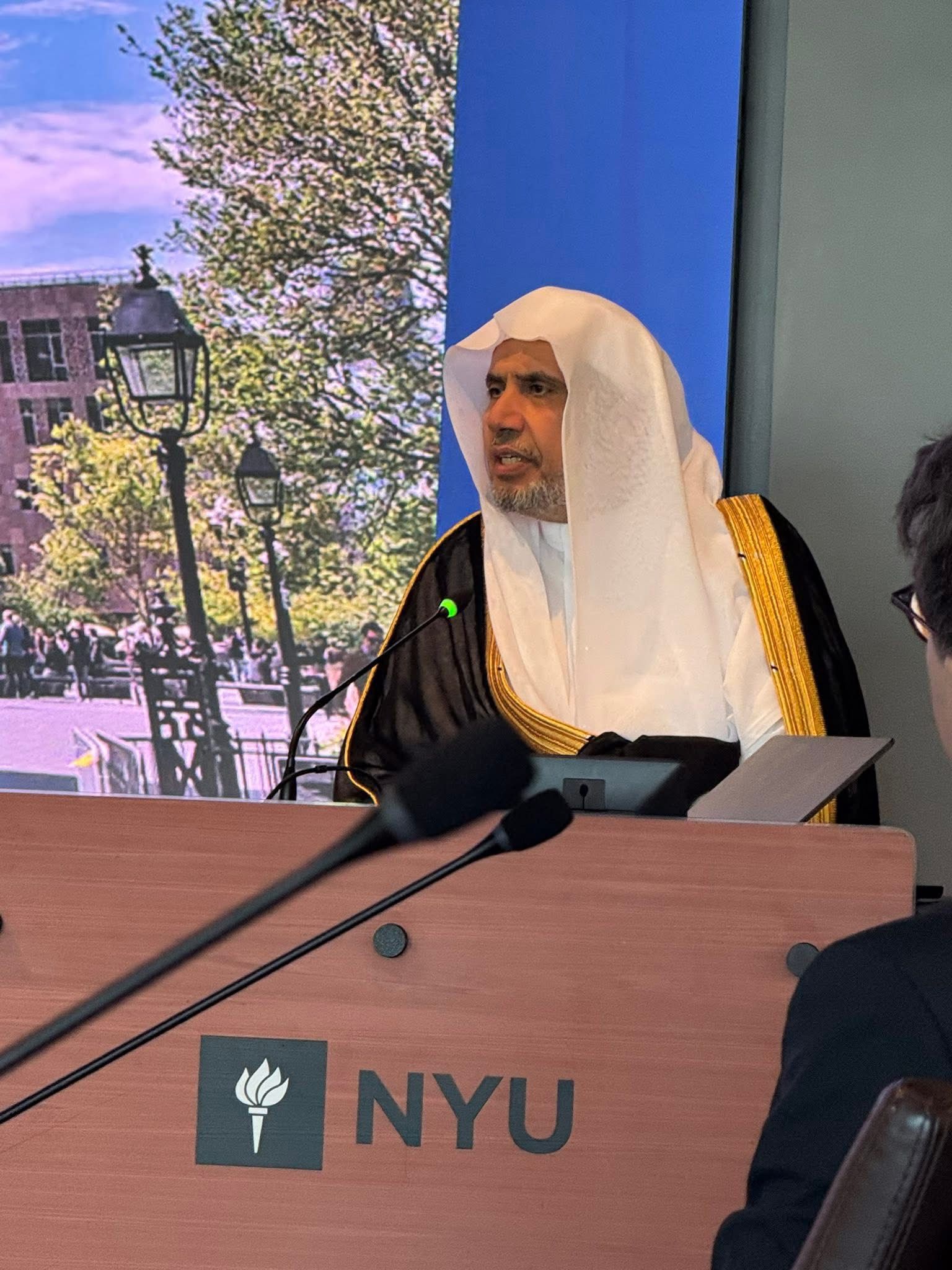
Among the distinguished participants was His Excellency Sheikh Dr. Mohammed Al-Issa, Secretary General of the Muslim World League, whose leadership was presented as an ethical framework for confronting extremism in the digital era. Also featured was Dr. Matthias J. Becker, an Address Hate Research Scholar at the Center for the Study of Anti-Semitism, whose work uses computational linguistics and social psychology to study how hate speech moves across digital platforms.
The program included a presentation on the “digital architecture of hate,” examining how implicit antisemitism and anti-Muslim bias can spread beneath mainstream moderation systems, and how AI can be weaponized to accelerate radicalization. Importantly, the discussion also emphasized that AI can be used positively to flag implicit hate and support targeted civil society interventions.
The event’s broader impact was its effort to connect moral leadership with data science. By bringing together the Muslim World League, academic researchers, and invited faculty, the forum created space for policy recommendations, ethical AI development, and stronger digital literacy through religious and civic institutions.
At a time when online hate can quickly become real-world harm, the gathering underscored that preventing hate crimes requires both technological tools and human responsibility. Its message was clear: AI must be guided by ethics, accountability, and a commitment to protecting vulnerable communities.
For more blogs, visit nyn.press