Emily Parker :
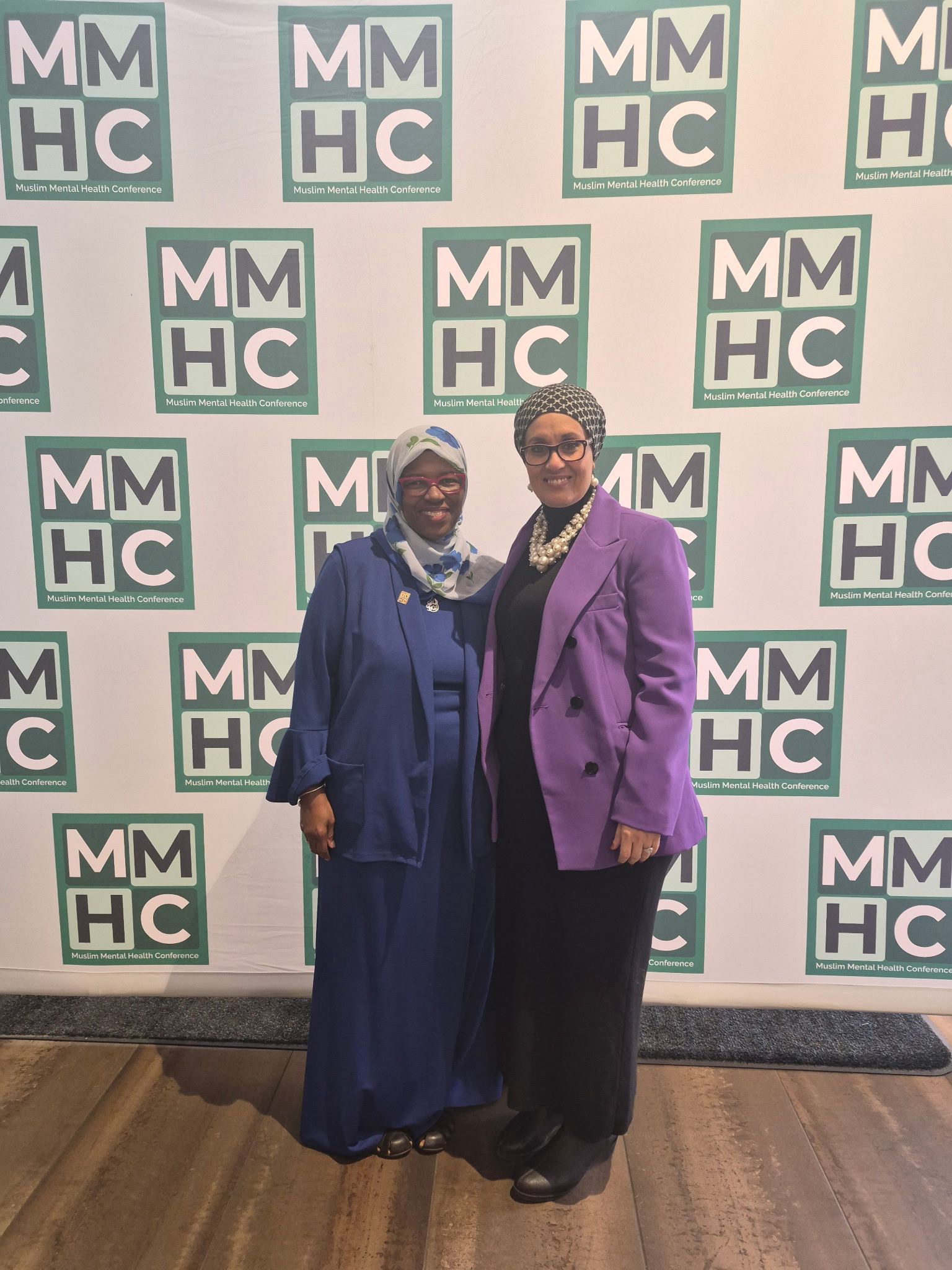
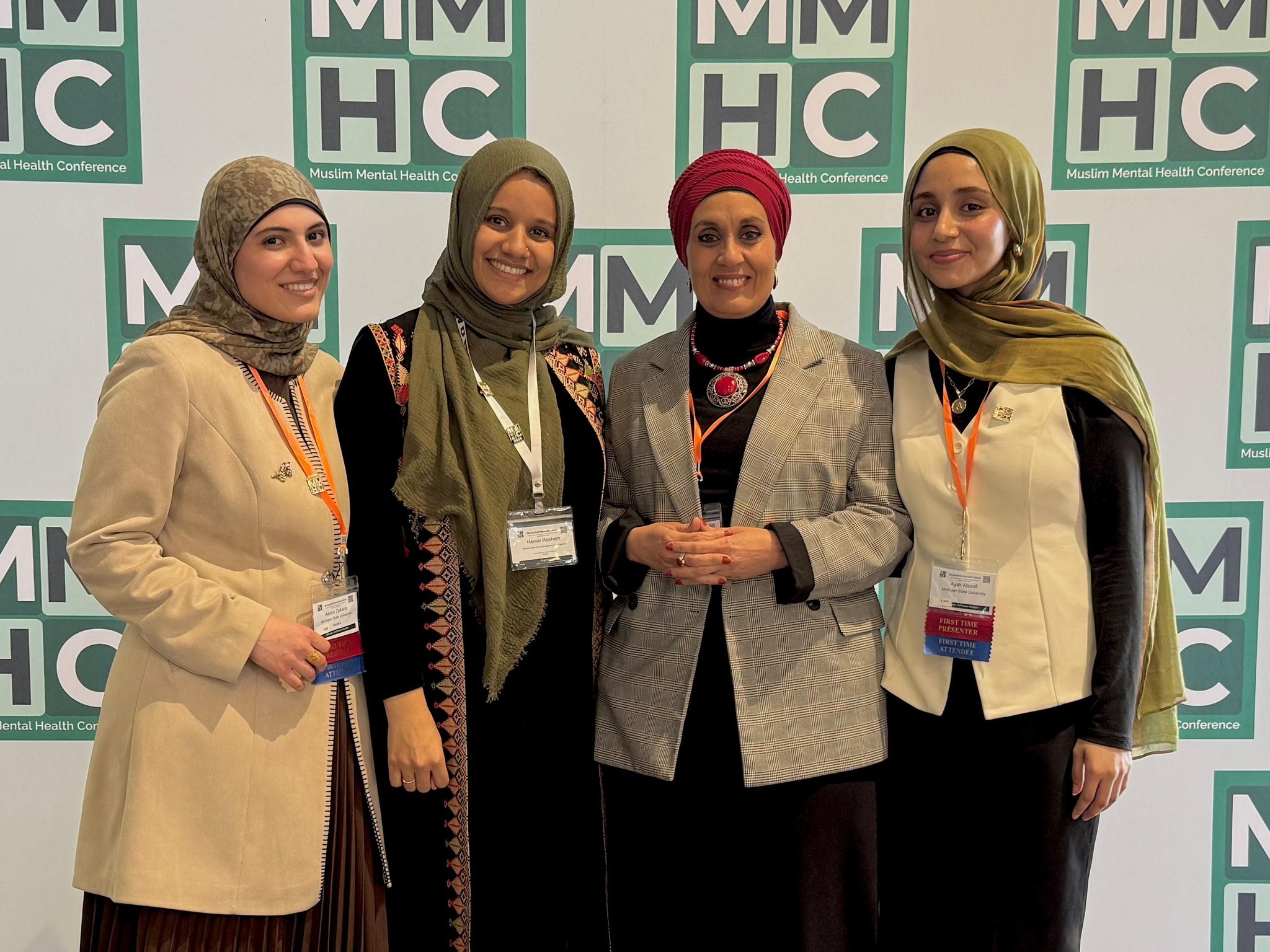
The 18th Annual Muslim Mental Health Conference recently brought together scholars, practitioners, faith leaders, and community advocates for a powerful weekend focused on culturally responsive care, student wellness, and healing across communities.
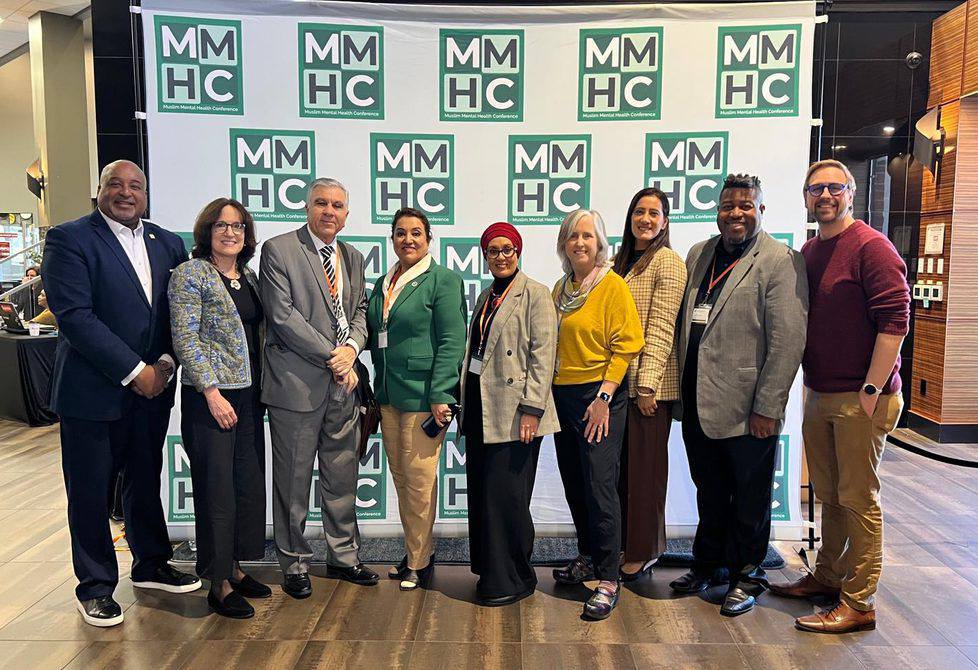
The gathering drew more than 500 attendees from around the world, reflecting growing interest in mental health conversations that recognize faith, culture, identity, and lived experience. One of the major sessions was the Annual Interfaith Panel, held on Saturday, April 11, 2026, from 9:00 AM to 10:30 AM EST in the Grand South Ballroom. Sponsored by the American Psychiatric Association Foundation, the panel focused on “Student Wellness and Healing on College Campuses: An Interfaith Perspective.”
The discussion was moderated by Dr. Rukhsana Chaudhry and featured panelists Dr. Debbie Almontaser, Rev. Jermine Alberty, Nicole Ellefson, and Dr. J Cody Nielsen. Together, they explored how students on college campuses can be supported through interfaith collaboration, culturally informed care, and meaningful dialogue.
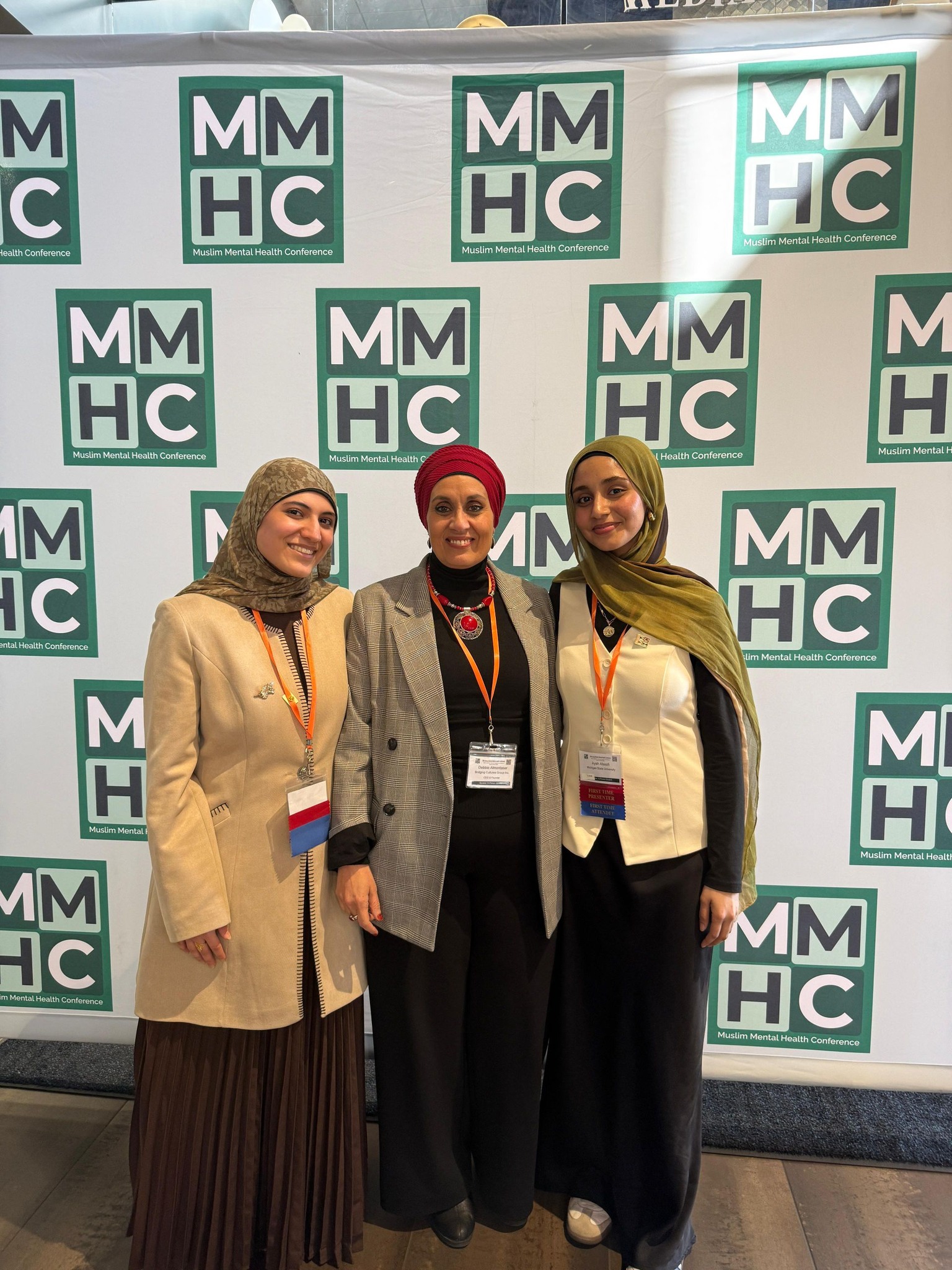
Dr. Debbie Almontaser also served as the featured opening speaker on Friday, presenting on the importance of culturally mindful counseling for Muslim, Arab, and South Asian students and families. In reflecting on the conference, she emphasized that being mindful in counseling “goes far beyond being simply competent,” pointing to the deeper responsibility of understanding students’ cultural and spiritual contexts.
On Saturday, Dr. Almontaser joined another panel highlighting the Courageous Dialogue Curriculum and its impact in high schools. The session added an important educational dimension to the conference, showing how structured dialogue can help young people navigate identity, conflict, and belonging.
The conference also celebrated professional leadership in the field. Dr. Farha Abbasi was congratulated on her appointment to the American Psychiatric Association Foundation Board of Trustees beginning in May, a recognition described as well deserved by attendees and colleagues.
By centering faith, culture, and wellness, the conference underscored the importance of mental health approaches that meet students and families where they are. The weekend’s conversations showed that healing requires more than clinical tools alone; it also depends on trust, cultural awareness, and community-centered support.
For more blogs, visit nyn.press