Alexandar Sullivan:
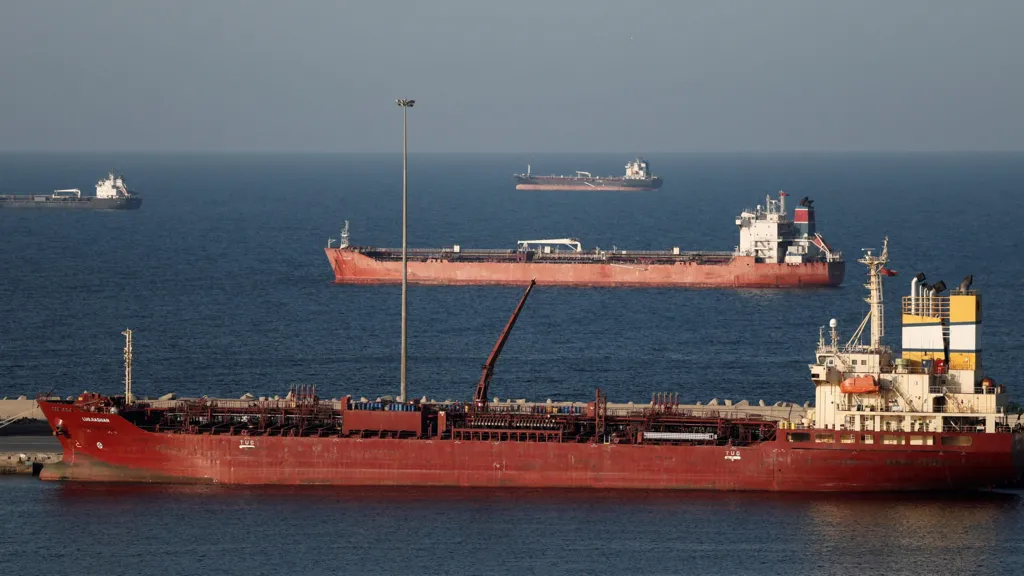
Britain is exploring “any options” to help secure the Strait of Hormuz, one of the world’s most critical energy shipping routes, as tensions escalate in the Middle East conflict involving the United States, Israel, and Iran, according to UK Energy Secretary Ed Miliband.
Speaking on BBC One’s “Sunday with Laura Kuenssberg” program, Miliband said reopening the waterway was a global priority but declined to specify what actions the government might take. “You can rest assured that any options that can help to get the strait reopened are being looked at in concert with our allies,” he said.
The remarks came after U.S. President Donald Trump warned on Saturday that the channel would be reopened “one way or another,” urging nations including the United Kingdom, China, and France to deploy naval forces to the region. The Strait of Hormuz, located between Iran and Oman, carries roughly 20 million barrels of oil daily, representing nearly 20% of global supply and about $600 billion in annual energy trade, according to the U.S. Energy Information Administration.
Iran has effectively blocked the strait during the ongoing war, with reports indicating that at least 16 vessels have been attacked in recent weeks. Western officials have also raised concerns that naval mines may have been placed in the passage, further threatening commercial shipping.
Miliband suggested that technological solutions such as mine-hunting drones could play a role in securing the route, but emphasized that ending the broader conflict would be the most effective way to restore safe passage.
The issue has sparked debate within British politics. Shadow Energy Secretary Claire Coutinho said the UK should consider sending ships or drones if it serves national interests, while Liberal Democrat leader Sir Ed Davey urged caution and called for diplomatic efforts to de-escalate the conflict.
The disruption has already driven oil prices sharply higher since the war began on February 28, intensifying concerns about global energy supplies and economic stability.
For more blogs, visit nyn.press