Alexandar Sullivan:
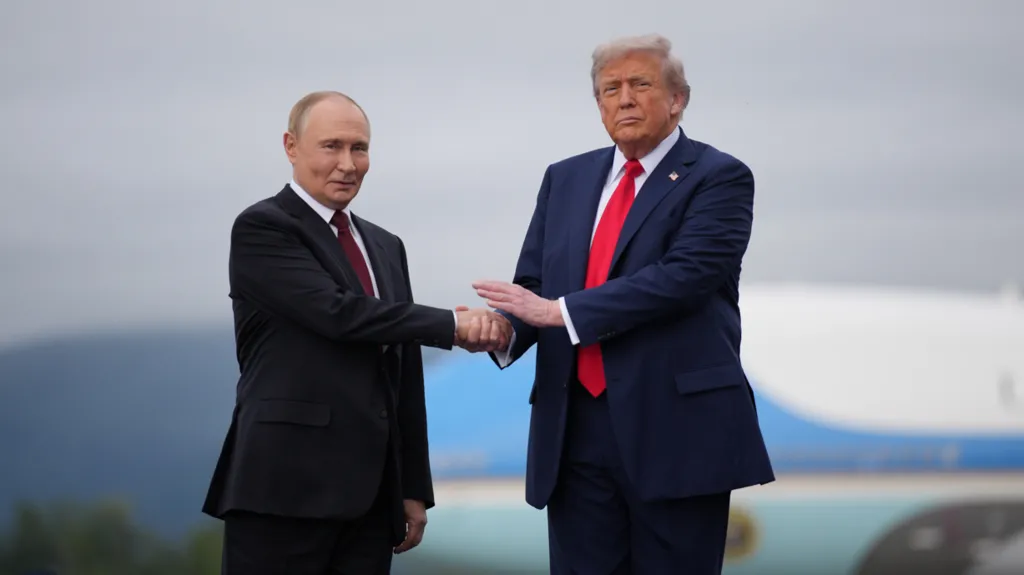
Russia has openly welcomed the U.S. National Security Strategy released last week by the Trump administration, calling its tone and priorities “largely consistent” with Moscow’s worldview. In remarks to TASS published Sunday, Kremlin spokesperson Dmitry Peskov described the shift as “a positive step,” signaling immediate geopolitical reverberations across Europe.
The 33-page document notably avoids framing Russia as a major U.S. adversary, instead asserting that Europe faces “civilizational erasure” and urging Washington to restore “strategic stability” with Moscow. The strategy sharply criticizes the European Union, accusing it of censorship, obstructing U.S. peace efforts in Ukraine, and pursuing a trajectory the U.S. should actively resist.
European officials reacted with alarm. German Foreign Minister Wadephul questioned why issues of “freedom of expression” appeared in a national security framework, while Polish Prime Minister Donald Tusk reminded Washington that “Europe is your closest ally, not your problem.” Former Swedish Prime Minister Carl Bildt warned the document “places itself to the right of the extreme right.”
The strategy’s embrace of “patriotic European parties” and its bleak forecast that Europe may be “unrecognizable in 20 years” fueled concerns that Washington is endorsing far-right movements. It also urges expanded defense spending in Japan, South Korea, Australia, and Taiwan, and hints at potential U.S. military action in Venezuela.
On Capitol Hill, Democrats denounced the framework. Representative Jason Crow called it “catastrophic to America’s standing in the world,” while Representative Gregory Meeks said it “discards decades of value-based U.S. leadership.”
As EU leaders continue negotiations with the administration over a possible Ukraine peace plan, the new strategy introduces fresh tension into an already fragile transatlantic relationship.
For more blogs, visit nyn.press