James Anderson:
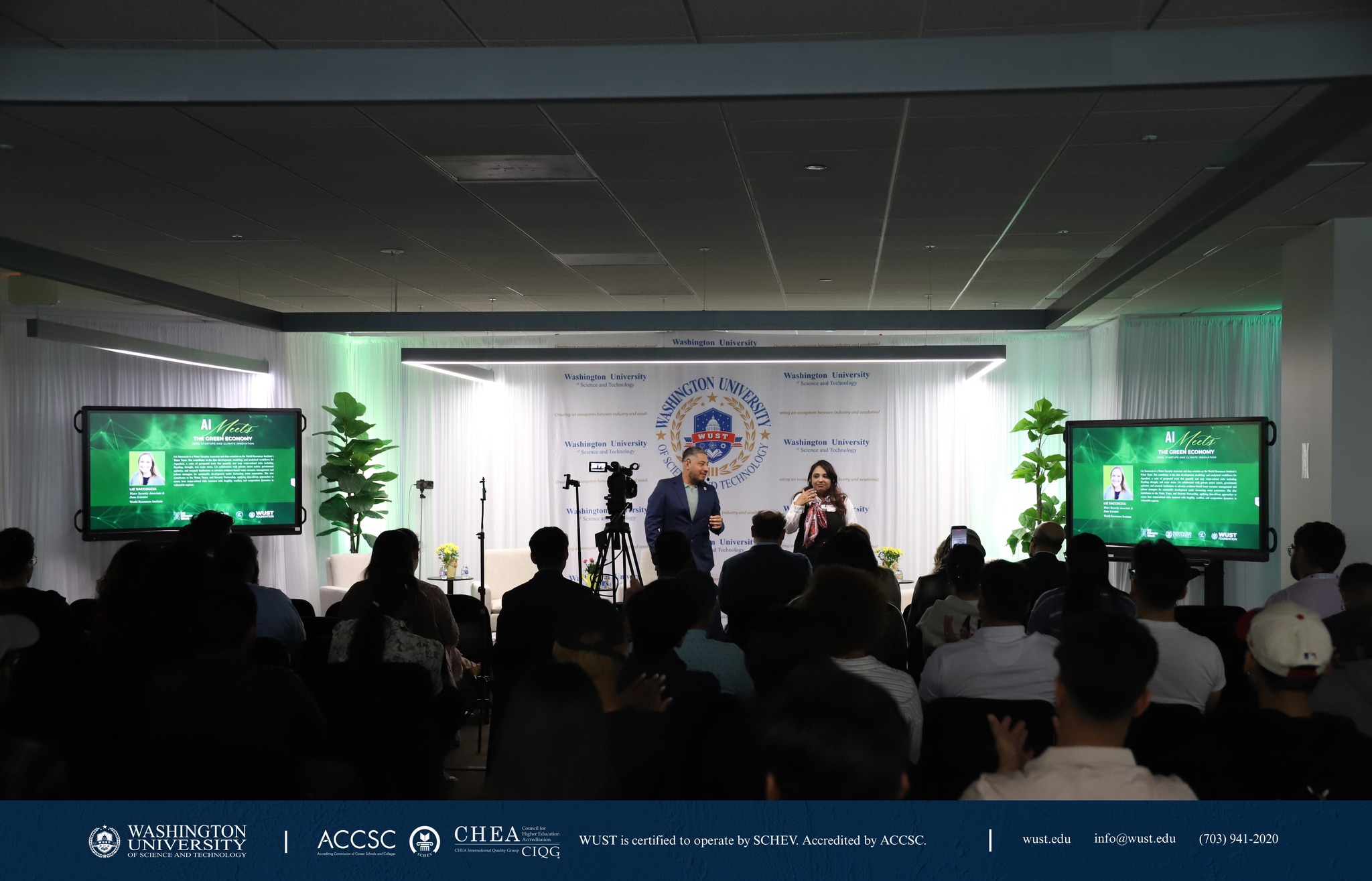
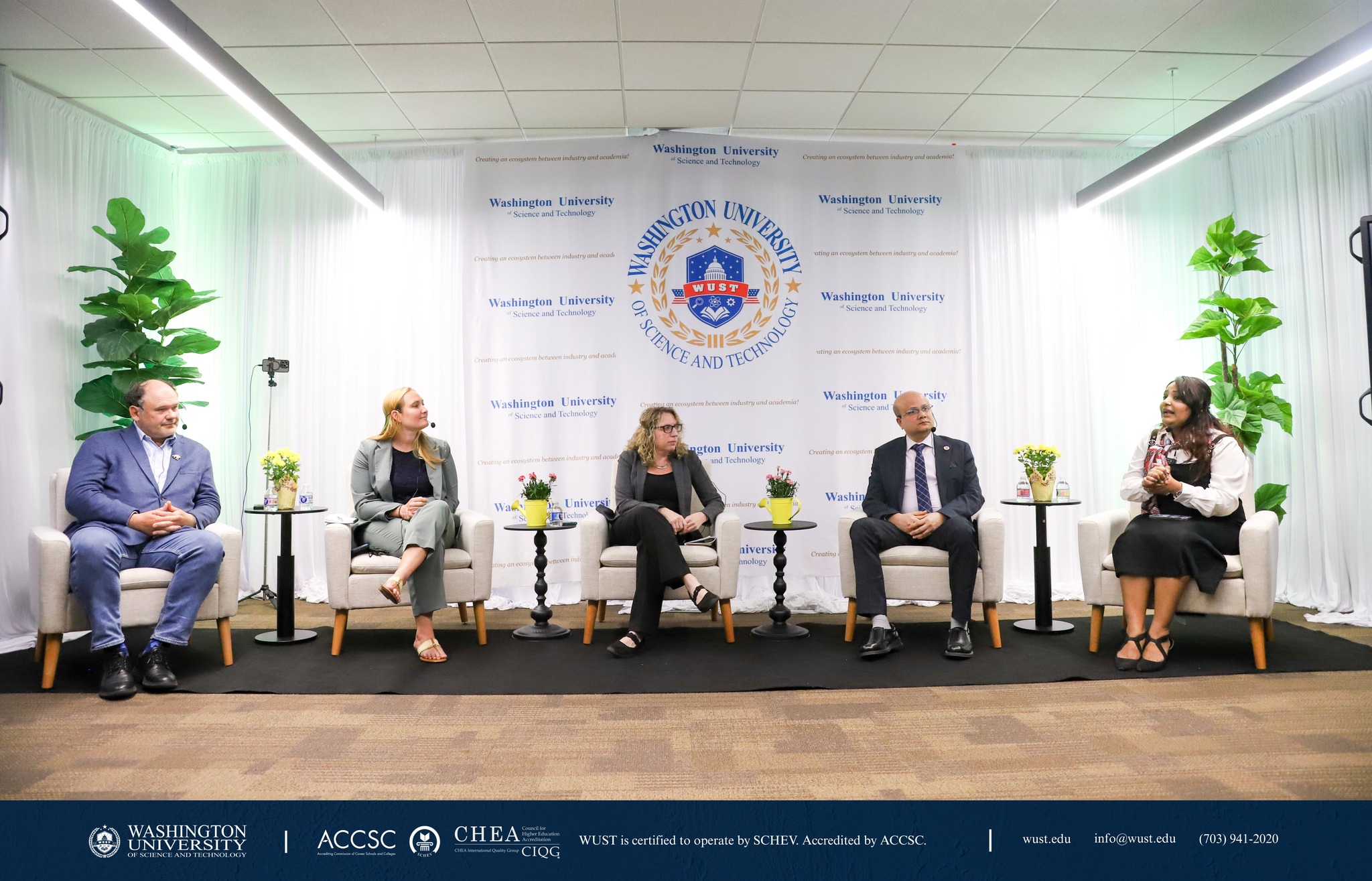
In a timely conversation at the intersection of technology and sustainability, Washington University of Science and Technology (WUST) recently hosted a DC Climate Week event exploring how artificial intelligence is reshaping the future of climate innovation and green careers.
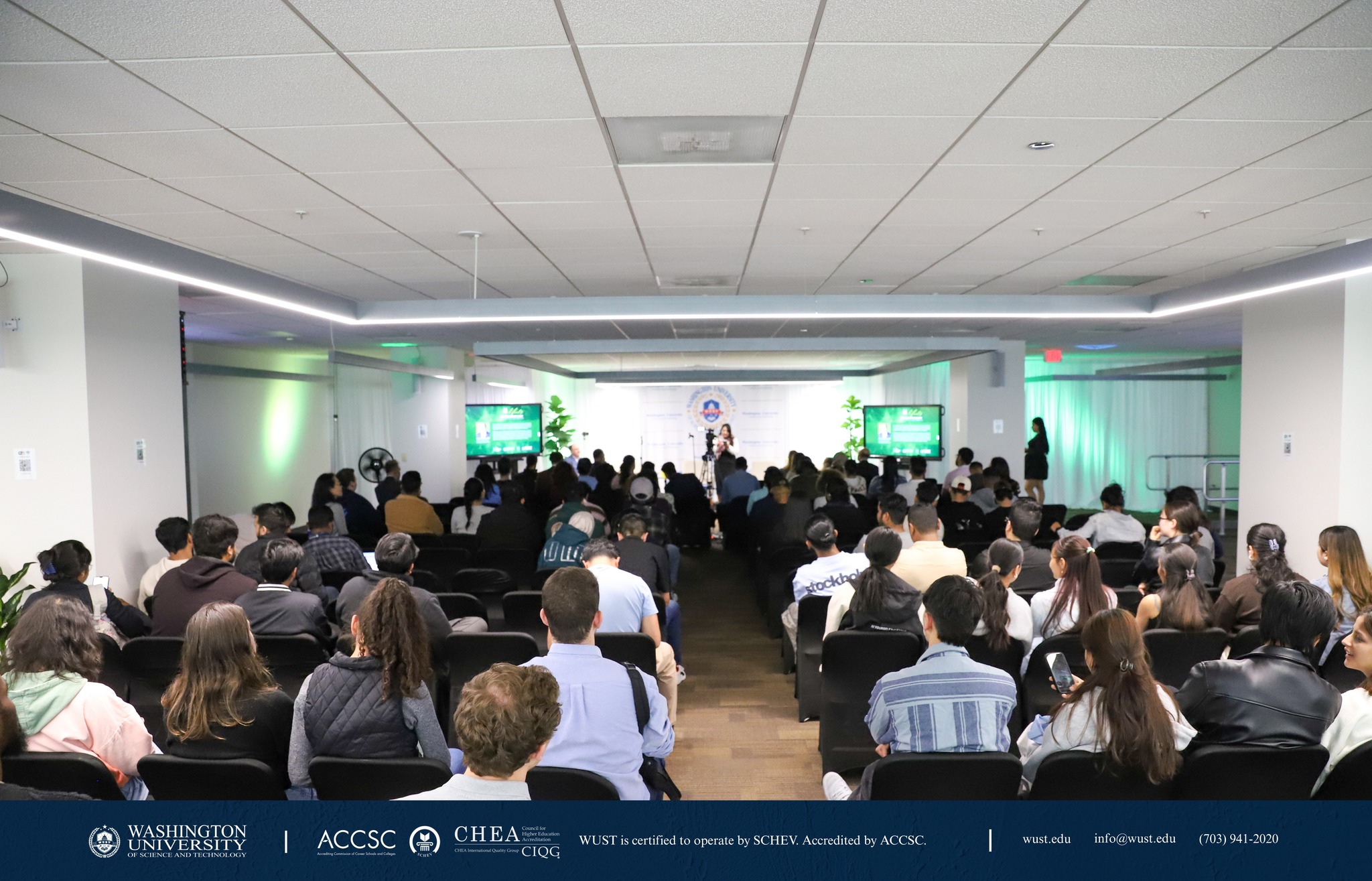
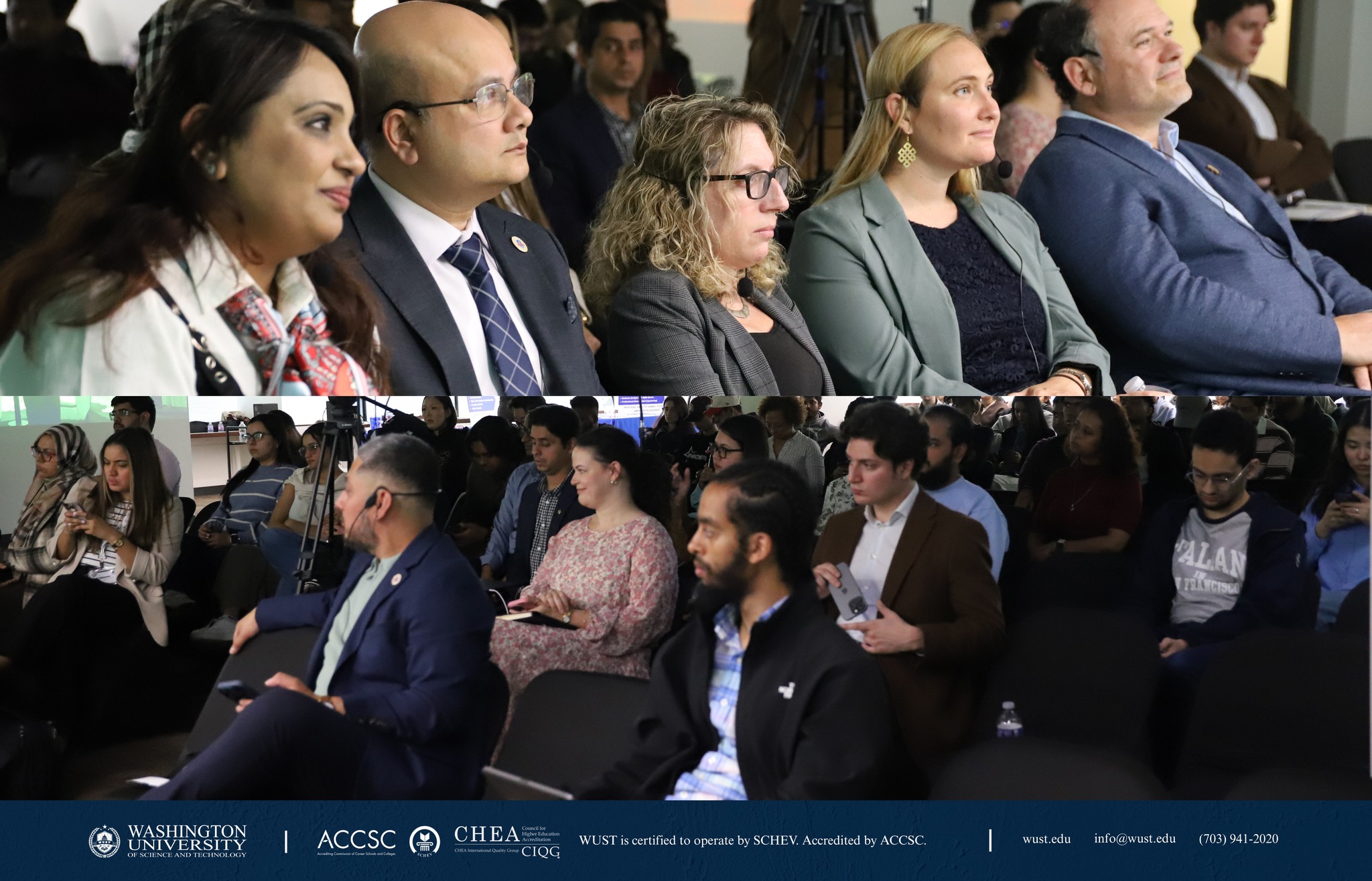
The session, centered on the theme of AI and the green economy, brought together students, faculty, professionals, and guests for a discussion on how emerging technologies are accelerating solutions to environmental challenges. The program emphasized that the future workforce—whether in information technology, business, or science—will increasingly rely on AI as a tool for building a more sustainable world.
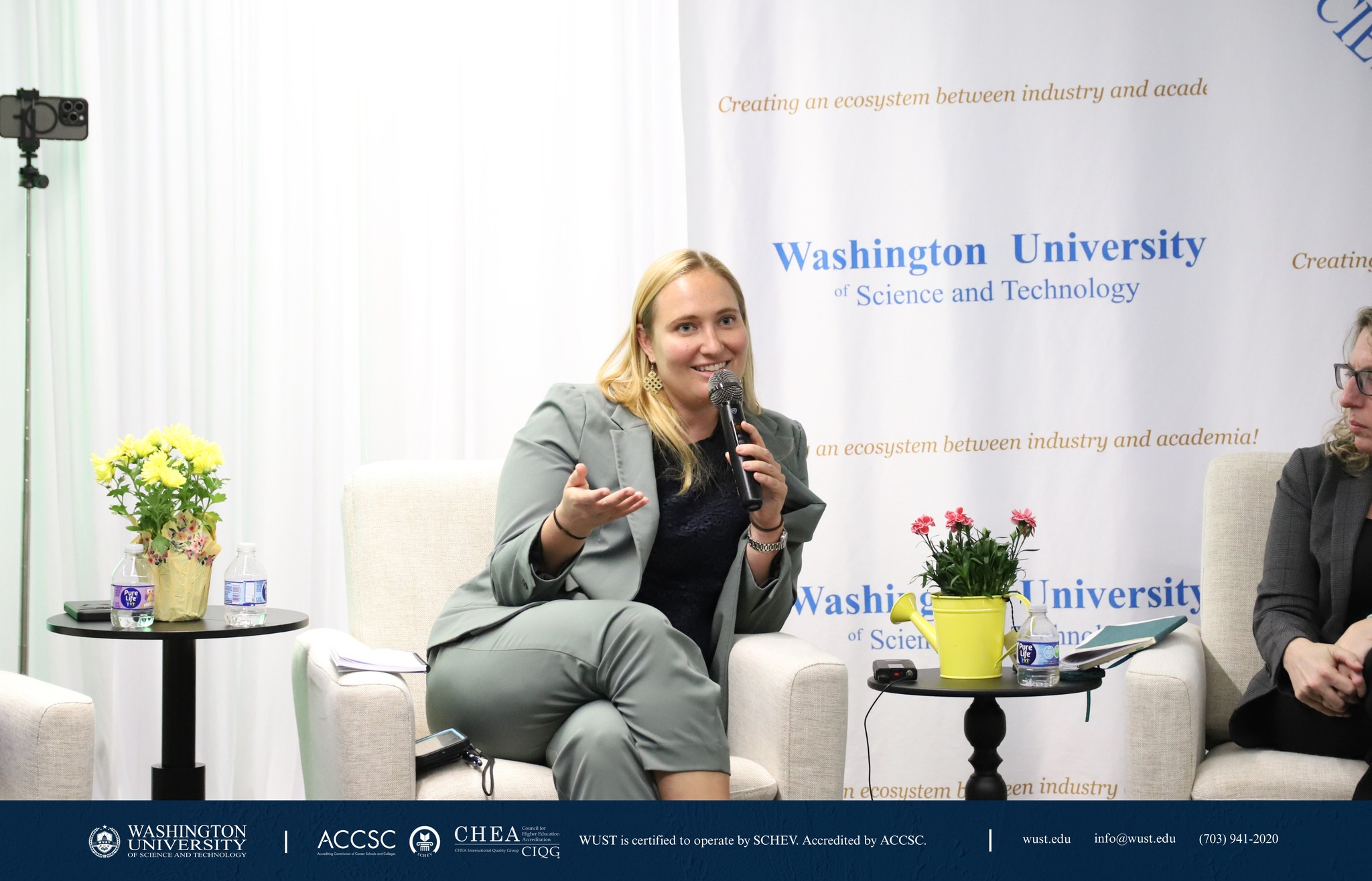
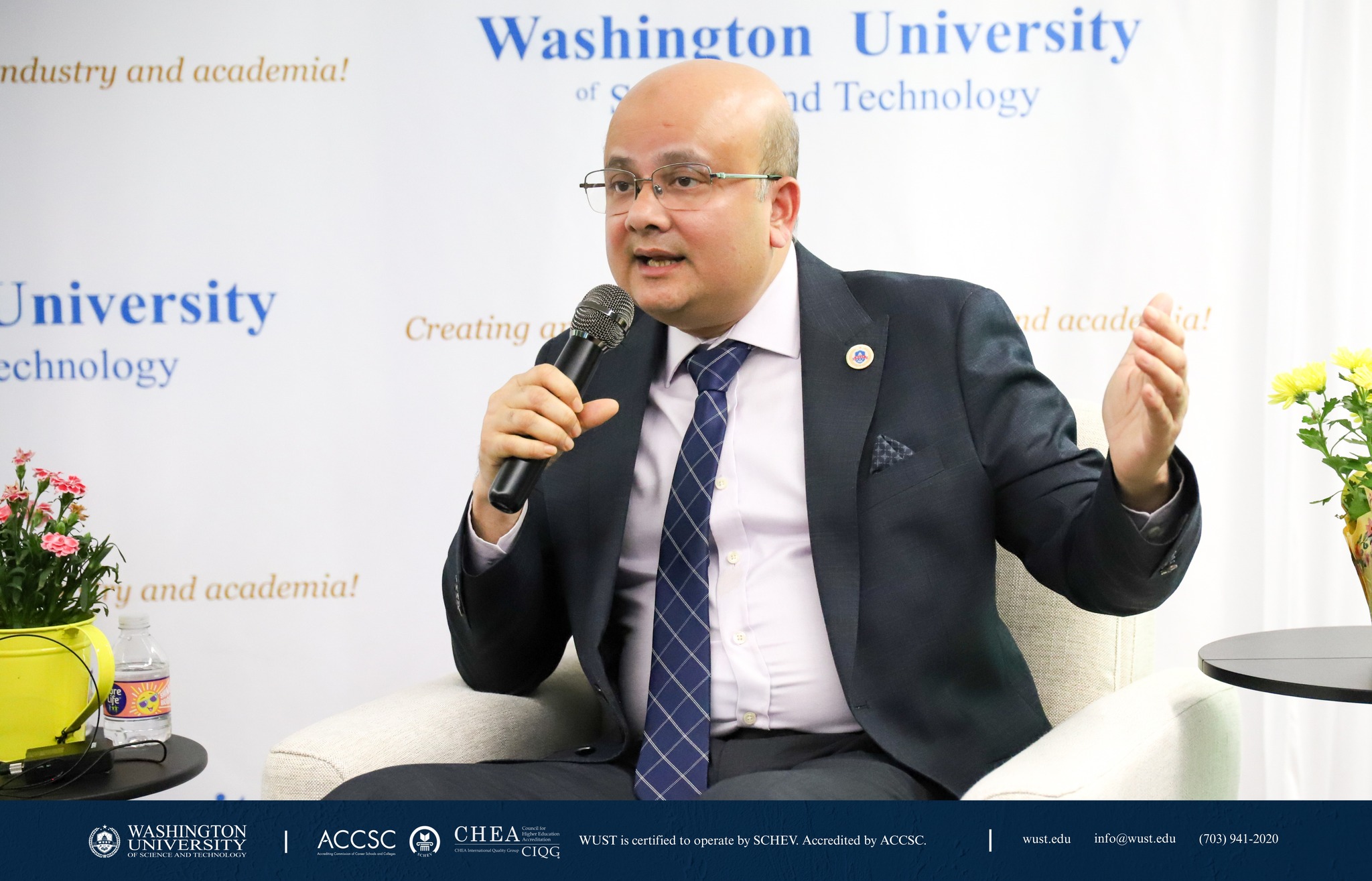
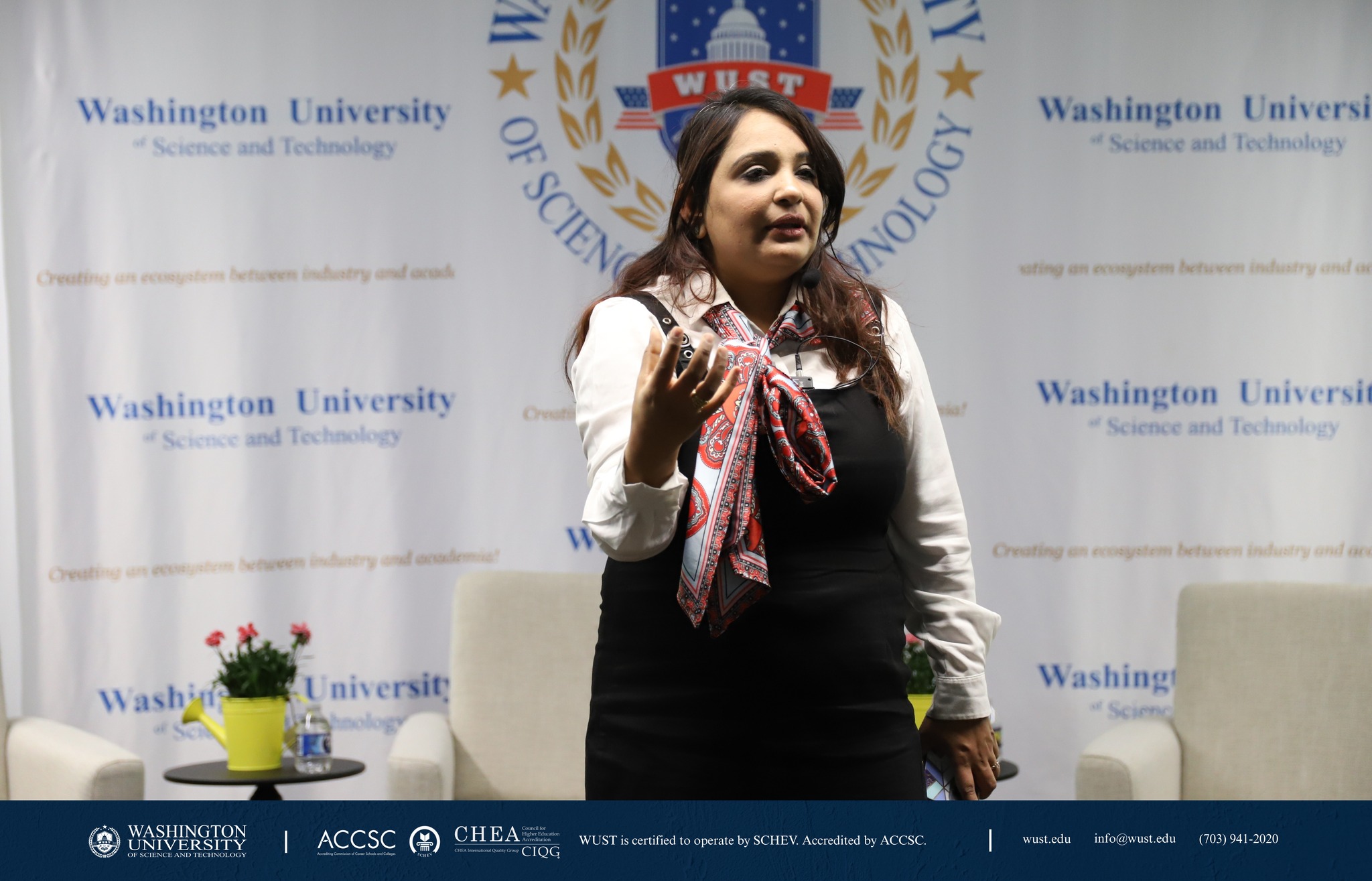
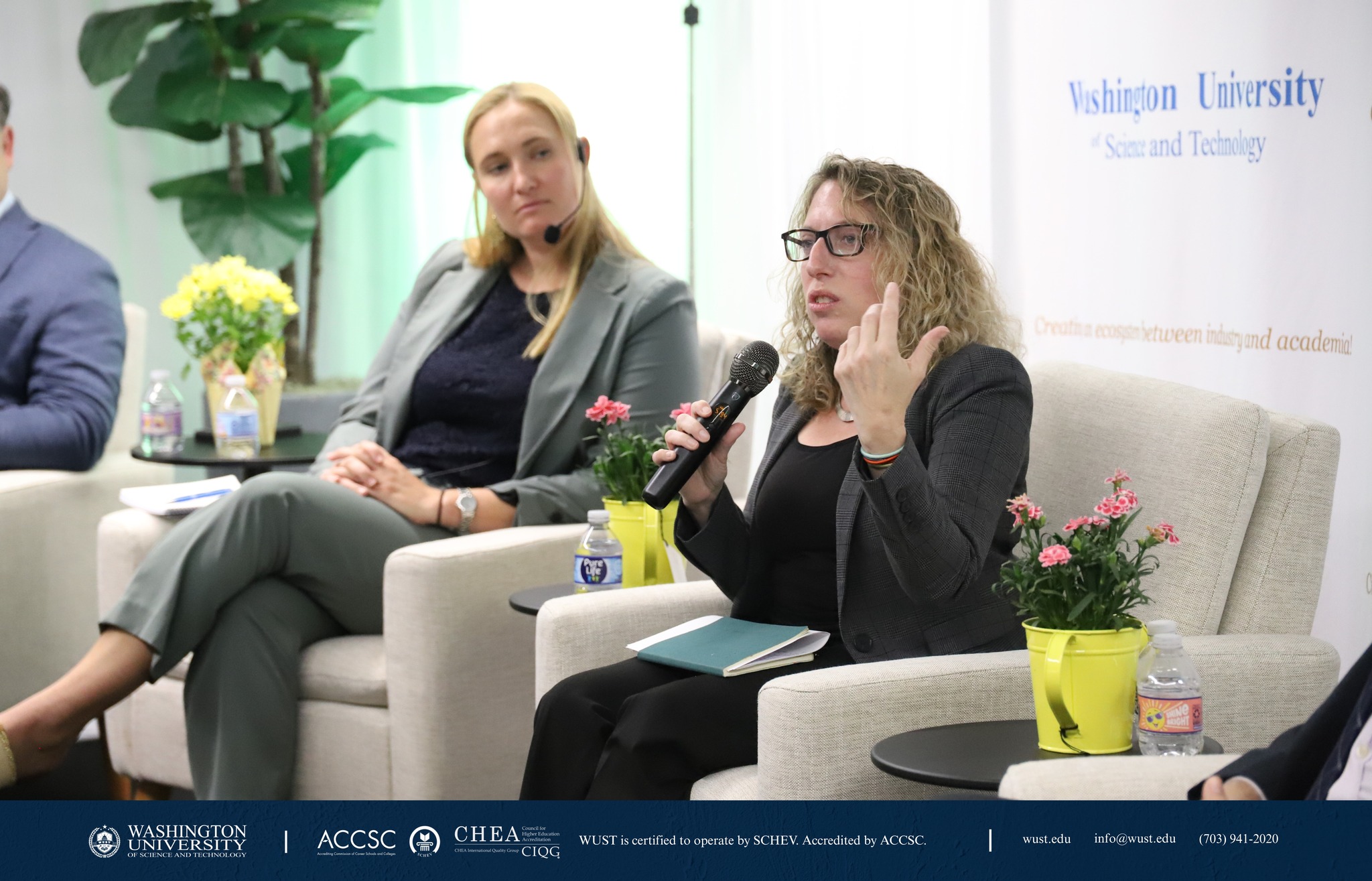
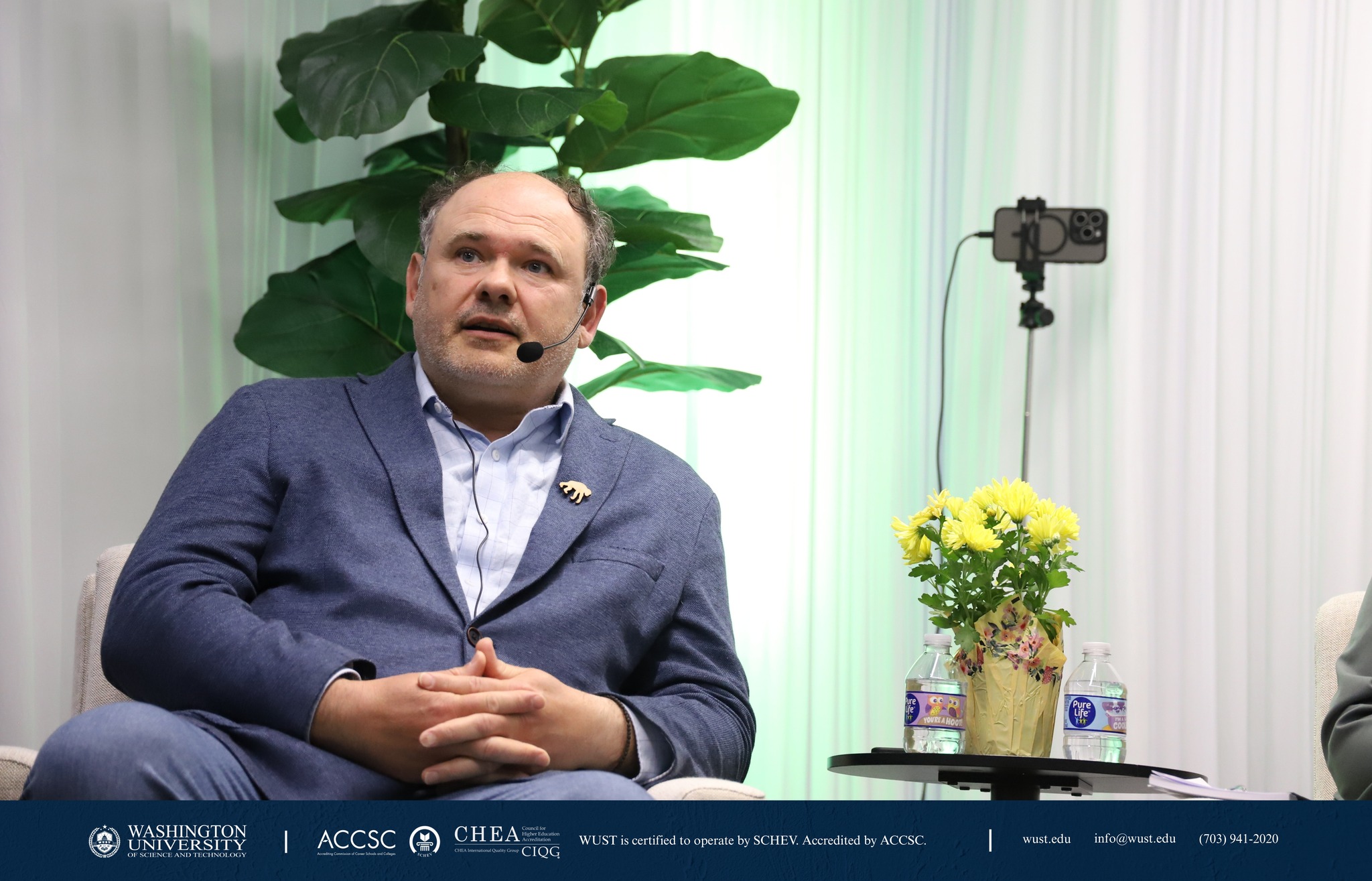
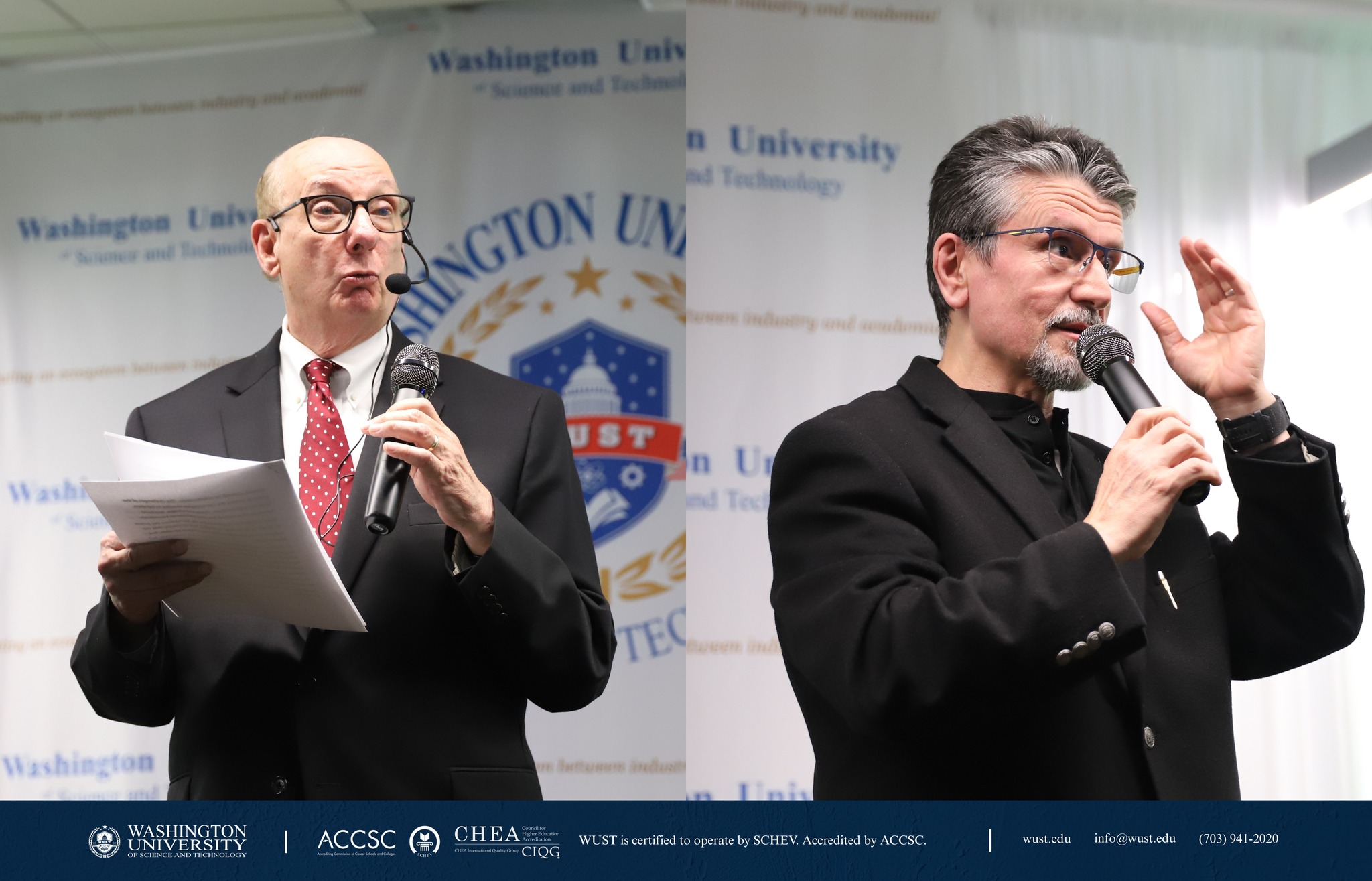
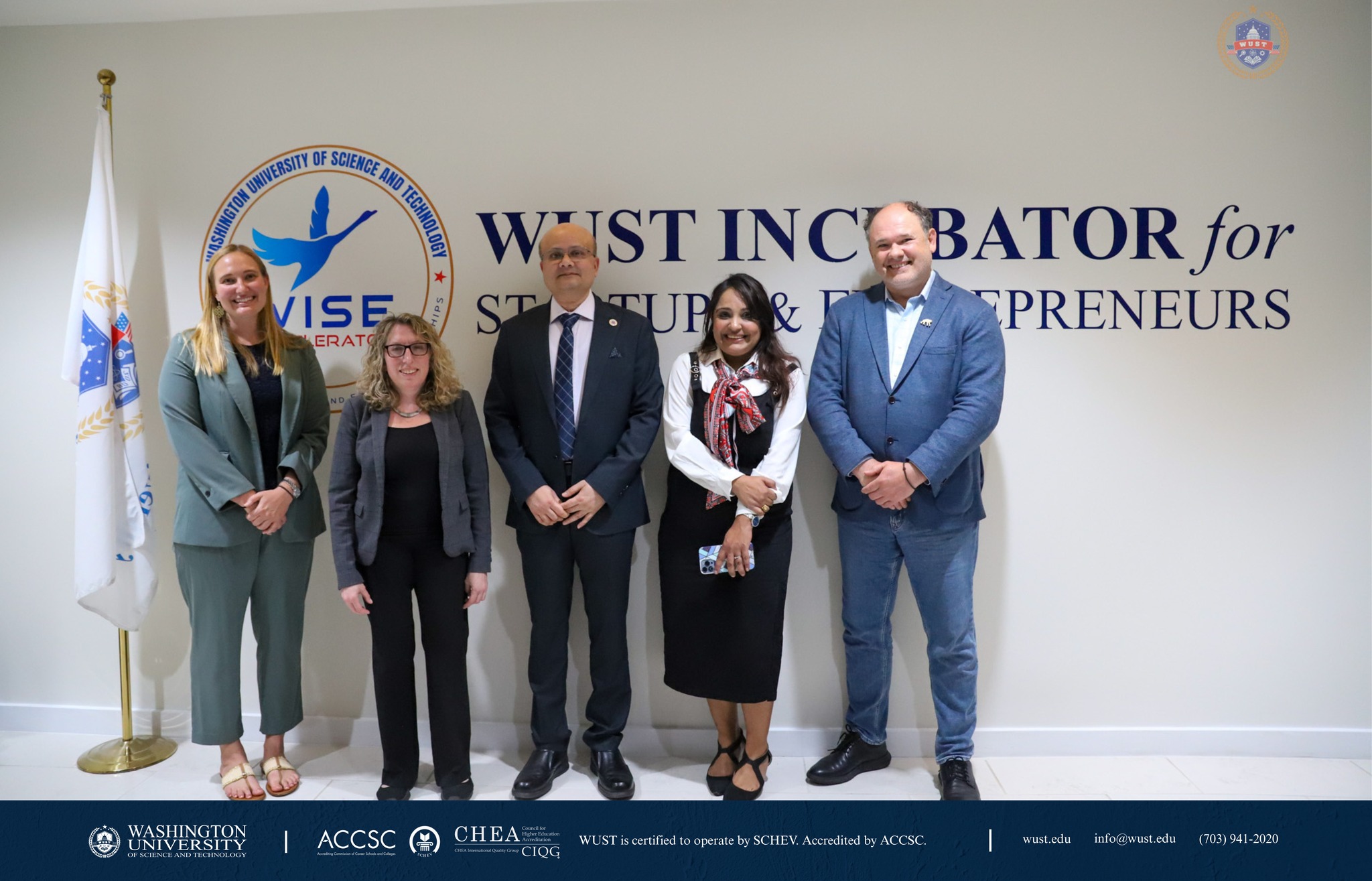
The event was moderated by Priya Kothari, Executive Director of the WUST Foundation, while Jose Ortega, Director of Marketing at WUST, served as MC. Expert panelists included Dr. Lilian Pintea, Vice President of Conservation Science at the Jane Goodall Institute USA; Liz Saccoccia, Water Security Associate and Data Scientist at the World Resources Institute; Dr. Touhid Bhuiyan, Lead Faculty and Assistant Director of the School of IT at WUST; and Dara Katz, CEO and Partner at Fenix Digital.
Panelists explored the growing role of AI in areas such as conservation, water security, data-driven decision-making, and climate-focused entrepreneurship. Their discussion offered students a practical view of how technology can support environmental work while also opening new career pathways in the green economy.
Dr. Mark Robison, Director of the School of Business Administration at WUST, also received special recognition for his support of the event. The program was made possible through collaboration with DC Climate Week and DC Startup, with Happy Eventing Rental helping create a professional and welcoming atmosphere.
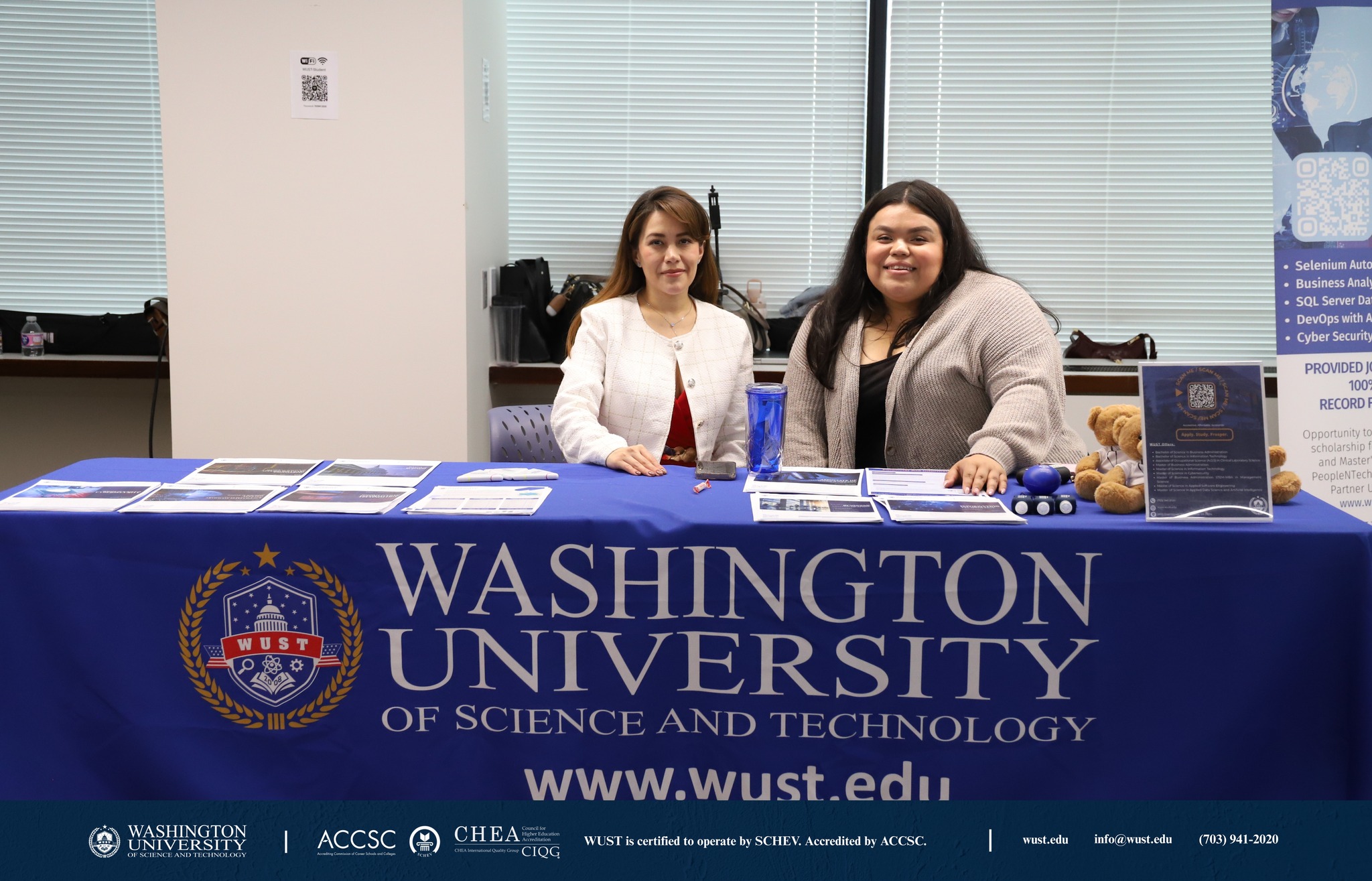
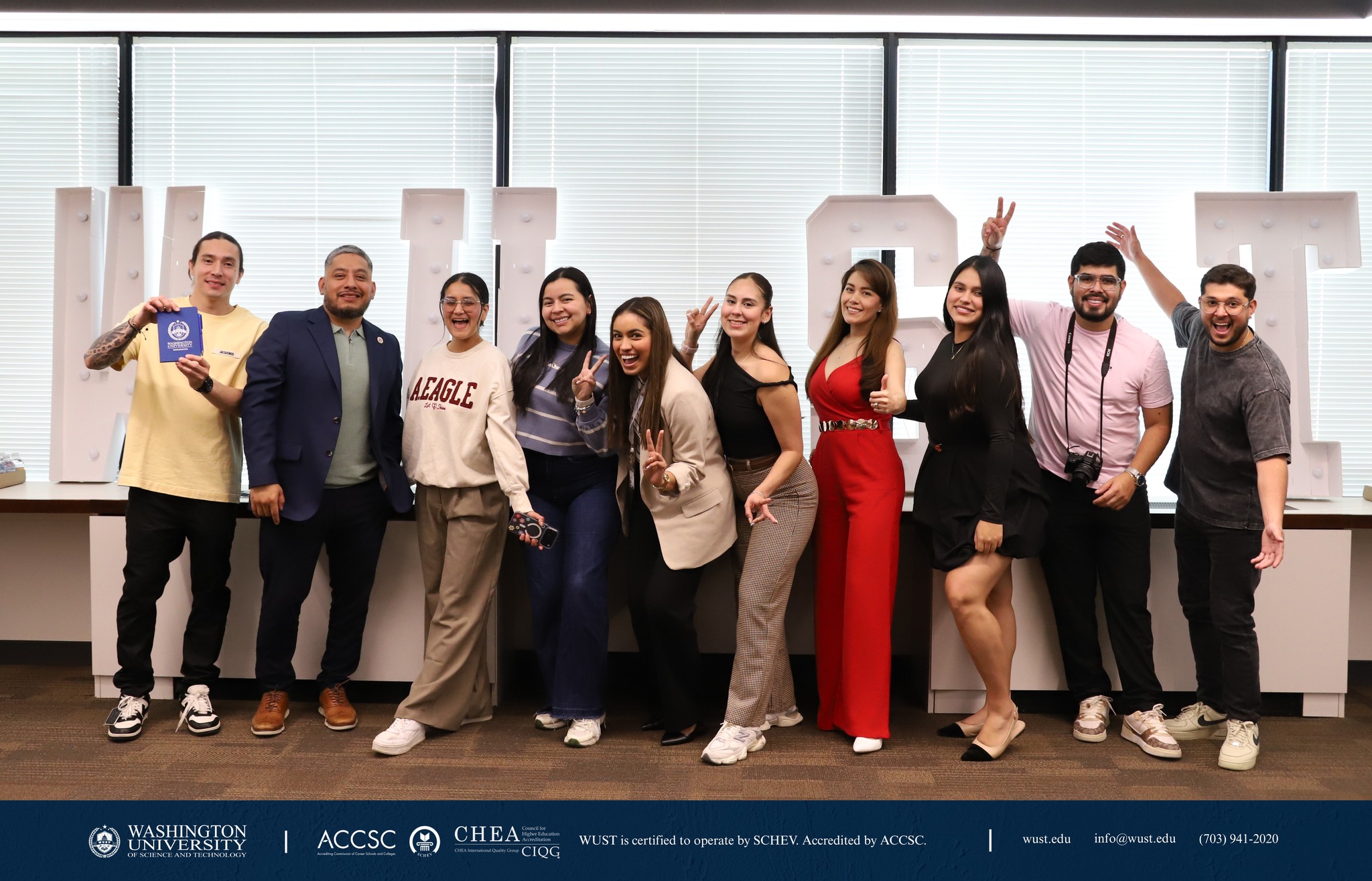
Student leaders and volunteers played an important role in the event’s success, including Wendy Figueroa, Ishtiak Ferdous Shuddho, Diana Jaimes, Katherine Monsalve, Maria Teresa, Leidy Jaimes, Iris Alemán, Geovana Silveira, Anna Beatriz, Monique Merencioo, and Fabliha Fatima Rudhmila. DJ Carlos Amado also contributed to the evening’s energy during networking.
By bringing together academic, nonprofit, and industry voices, WUST used the event to position students as future leaders in sustainability. The message was clear: as climate challenges grow more urgent, AI will not only change technology fields—it will help shape the next generation of environmental problem-solvers.
For more blogs, visit nyn.press