Carlos Stewart :
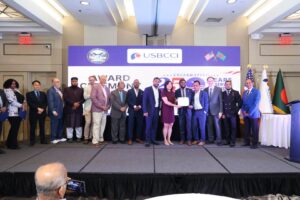
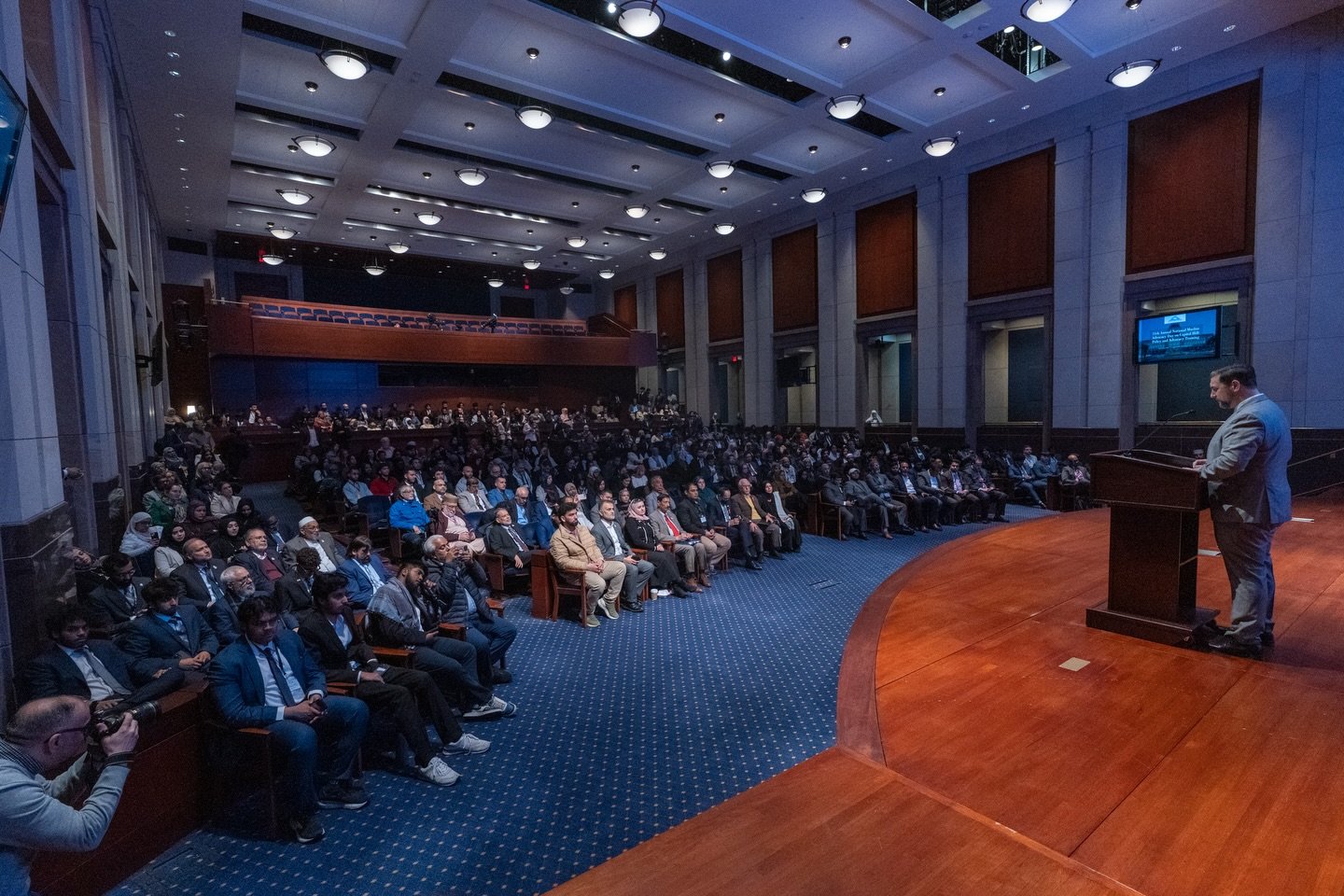
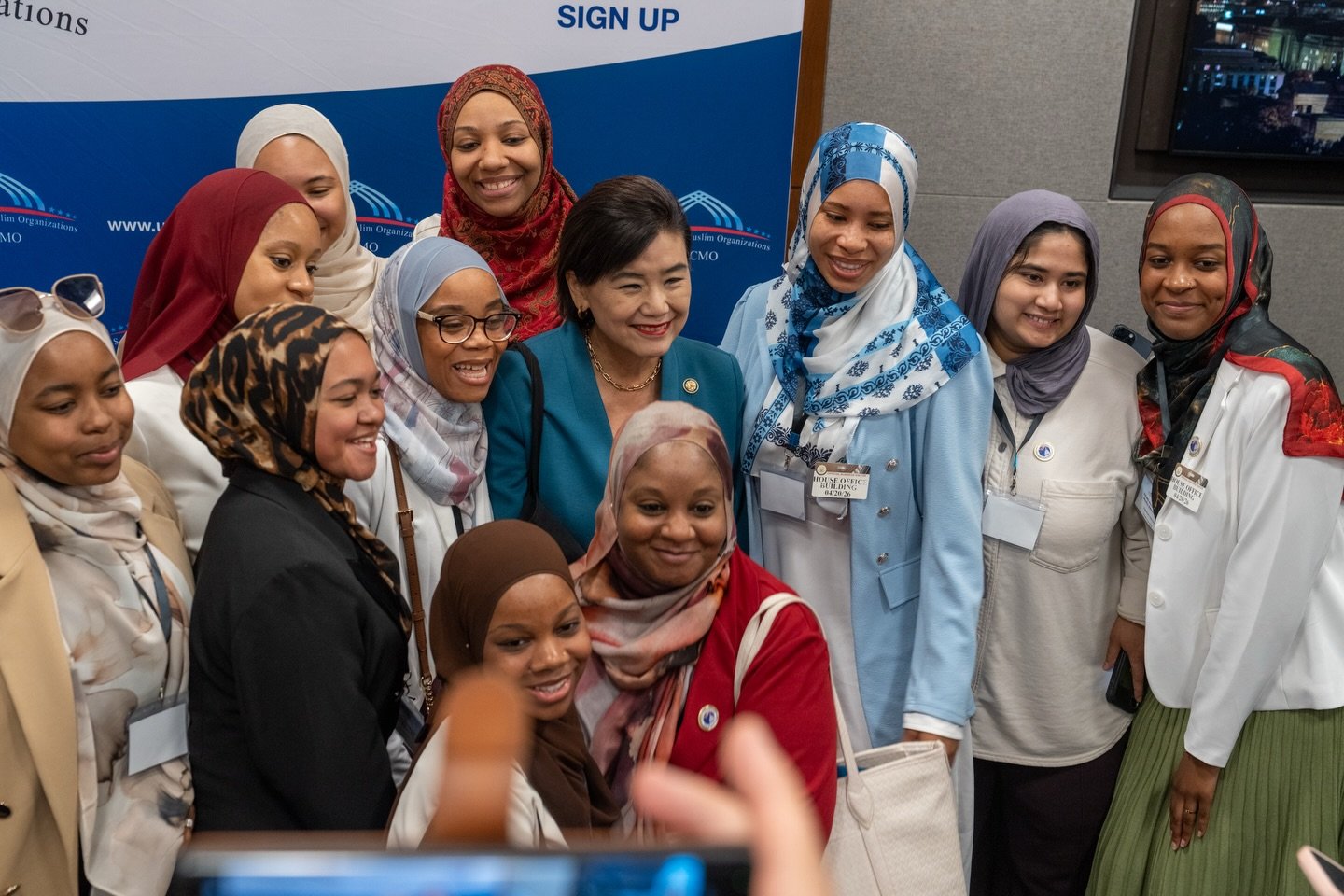
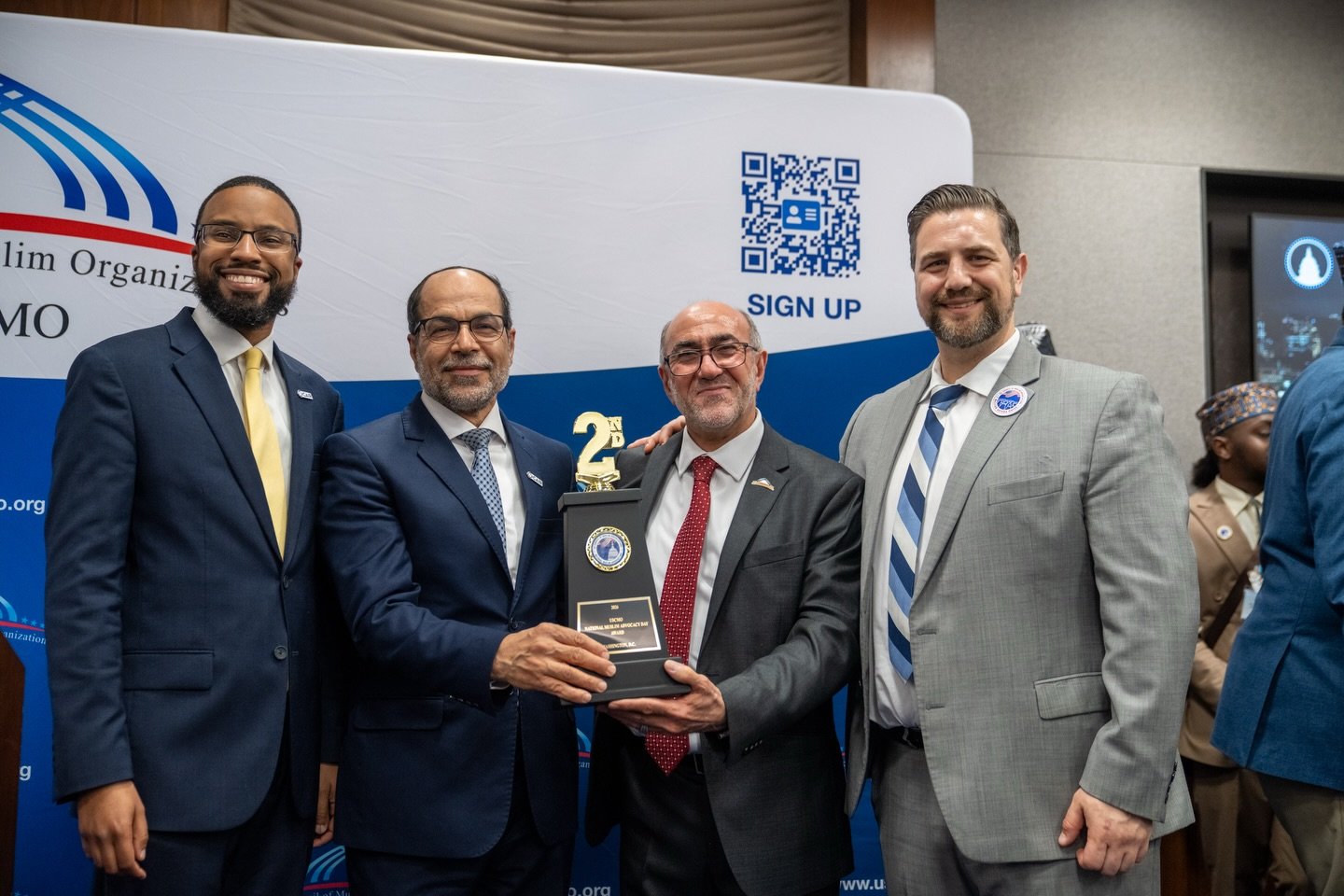
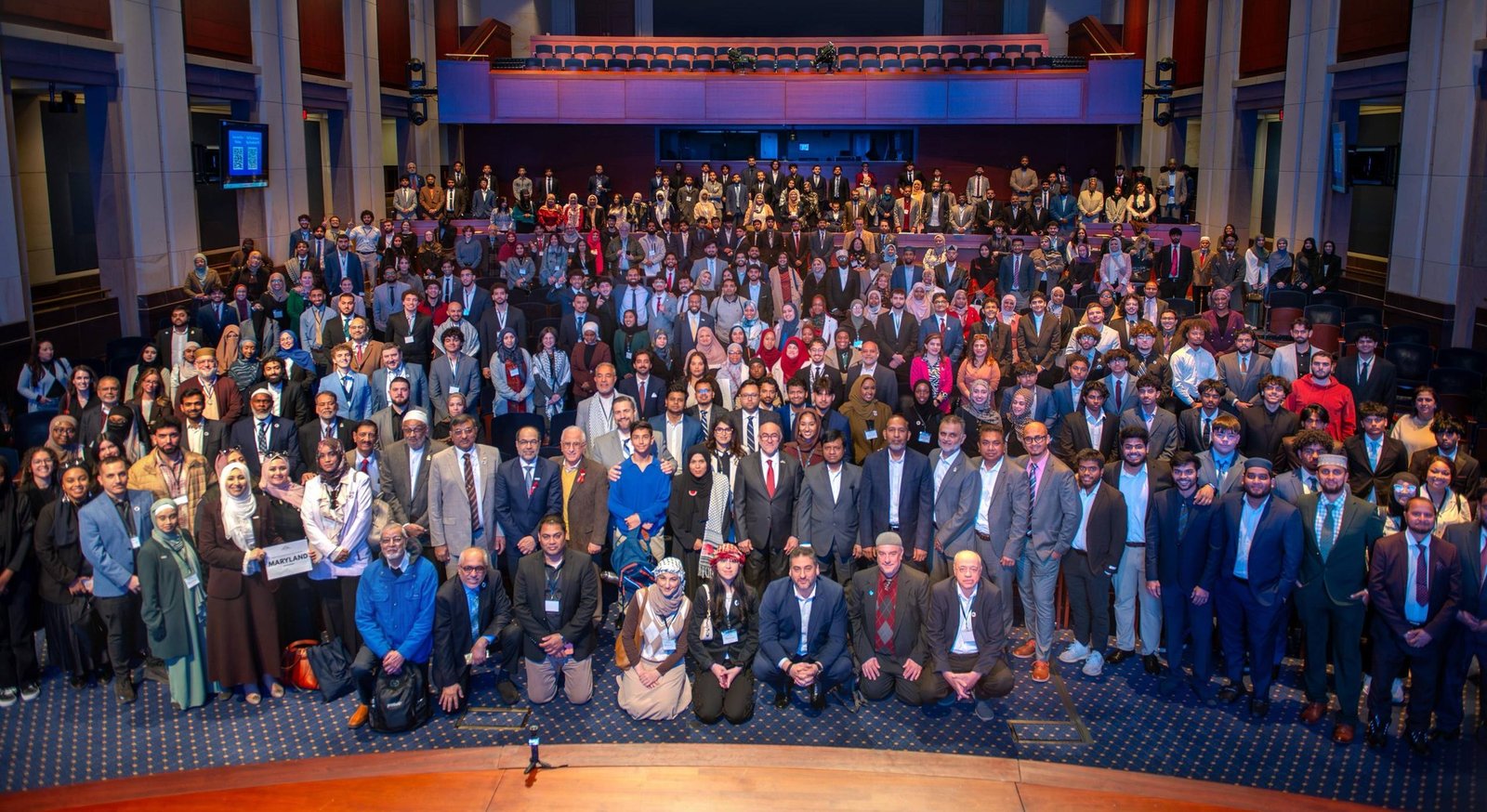
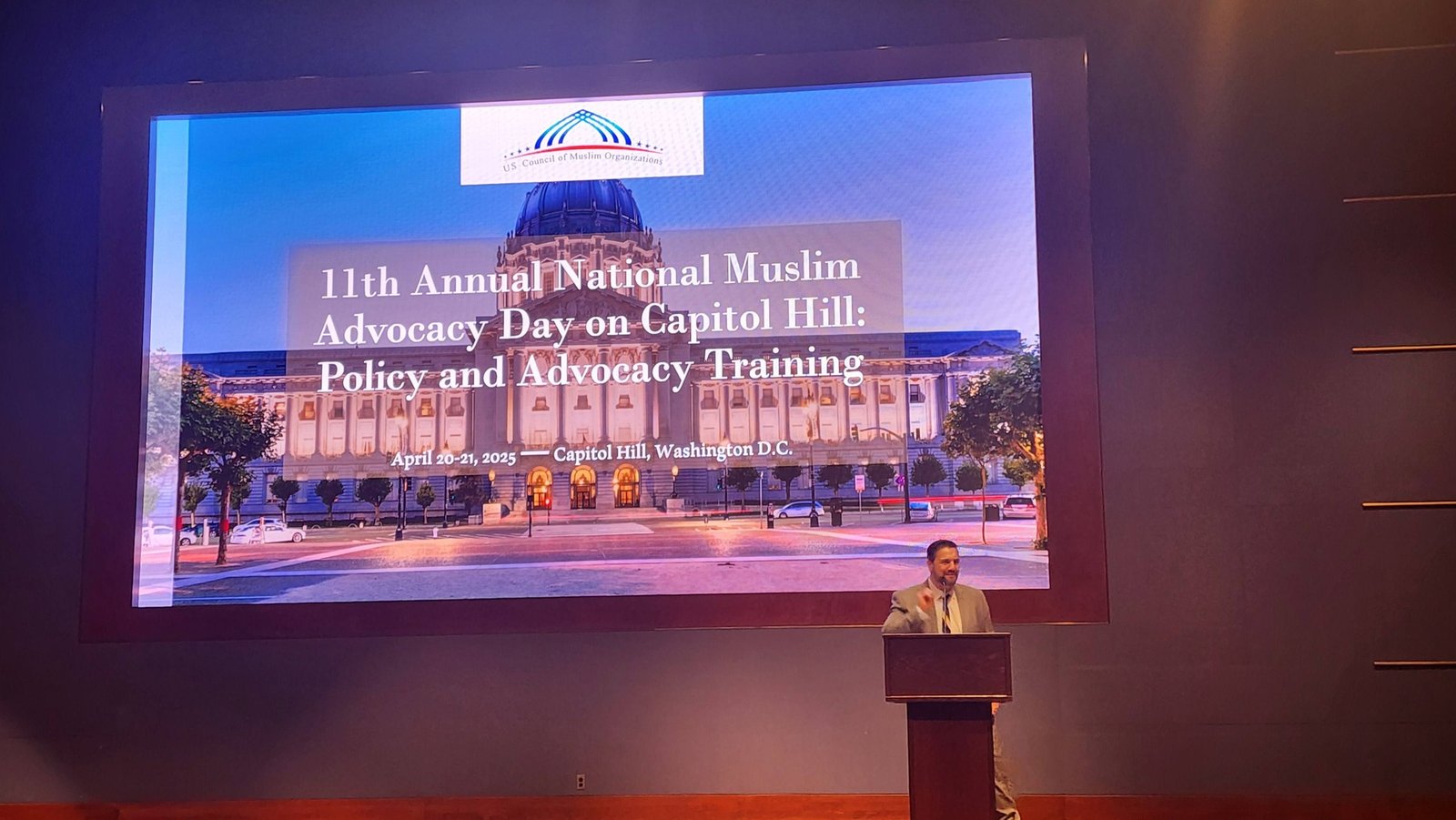
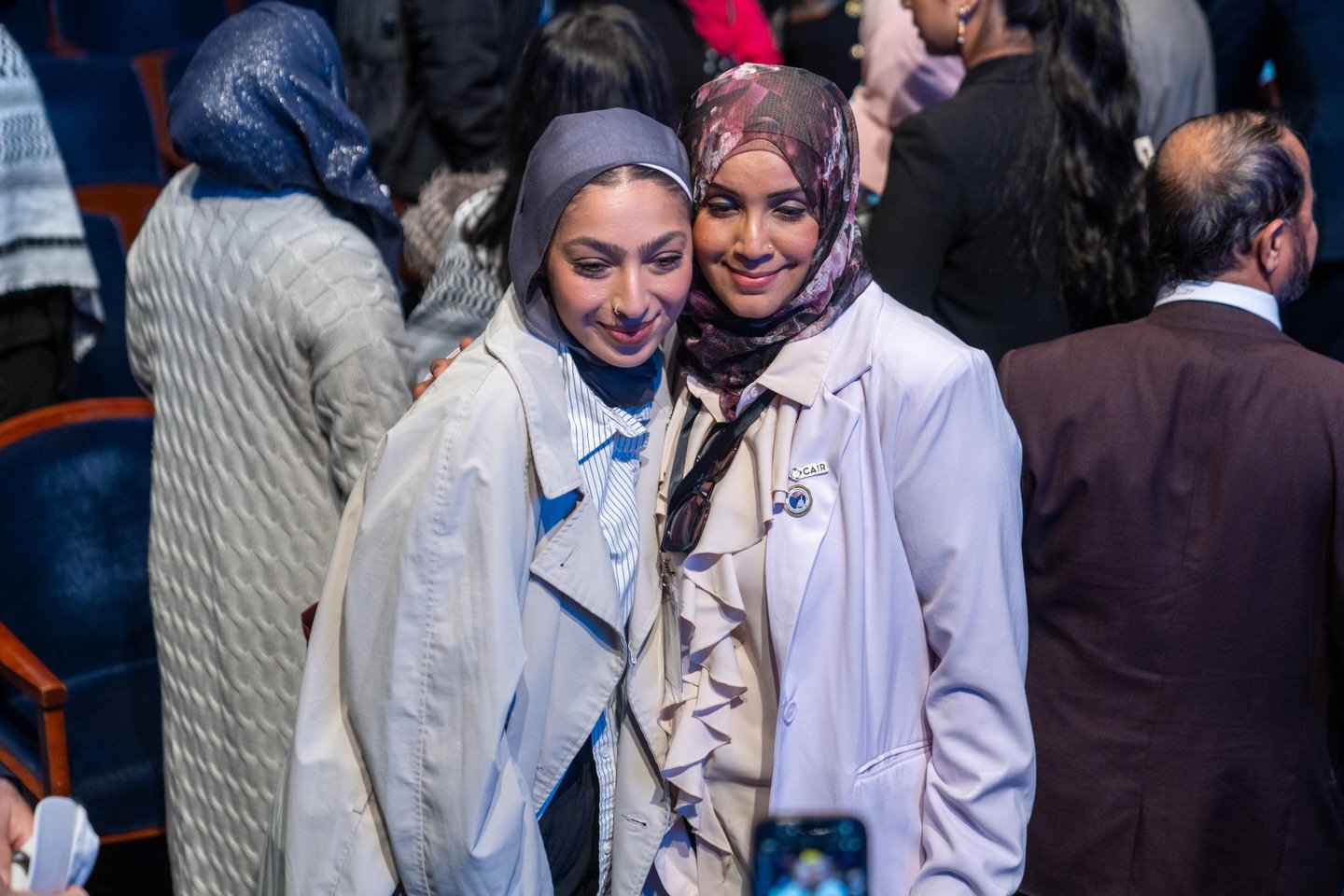
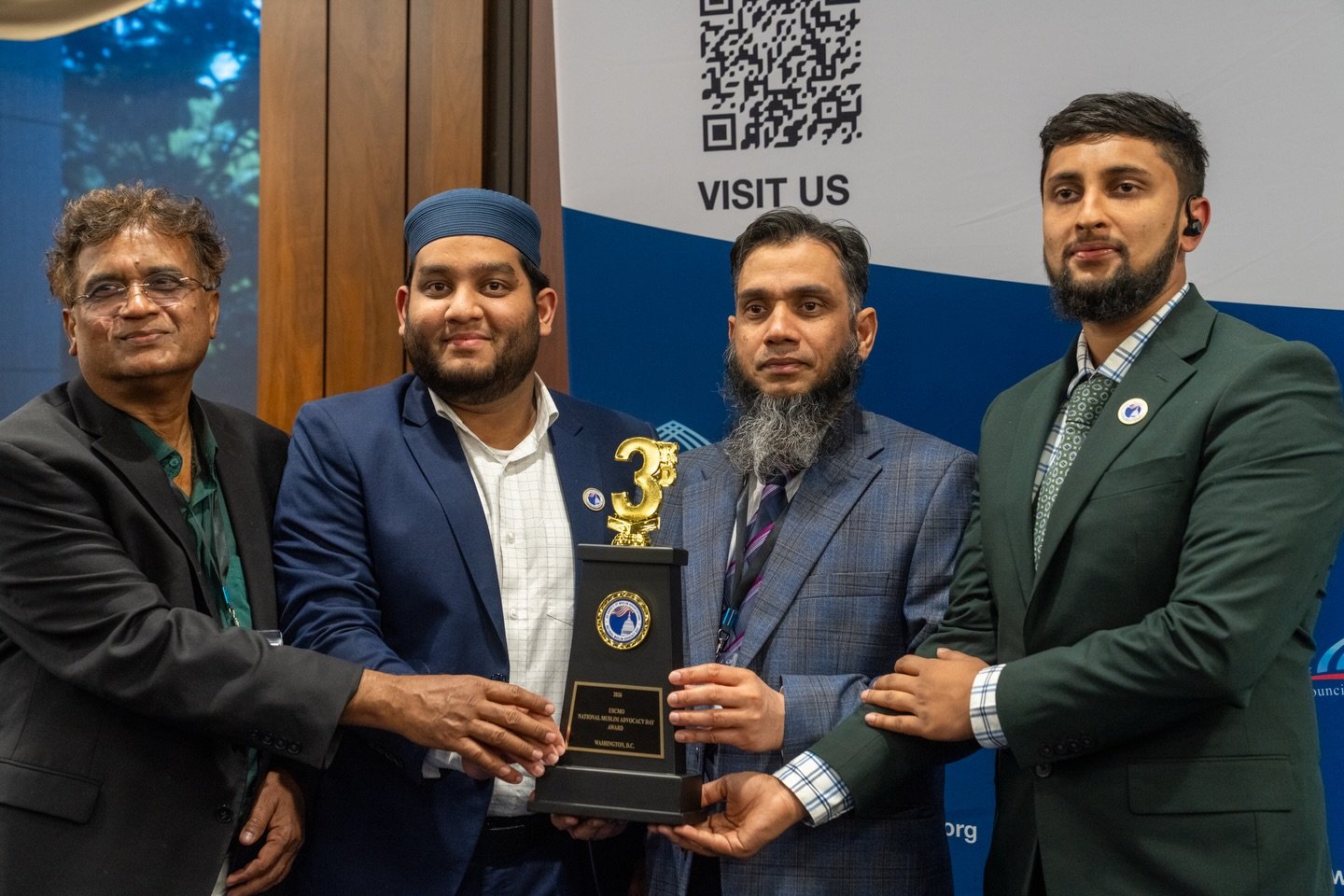
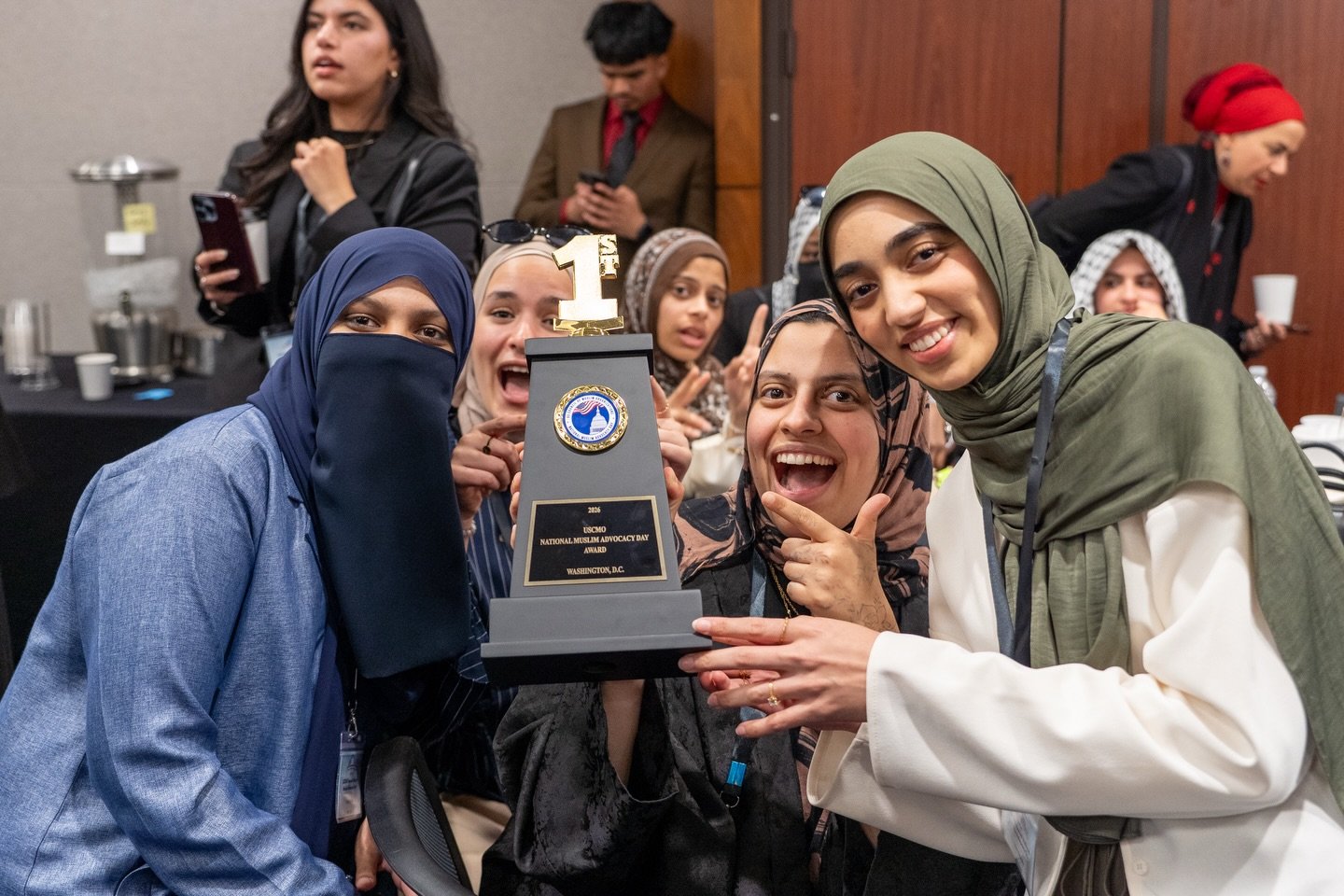
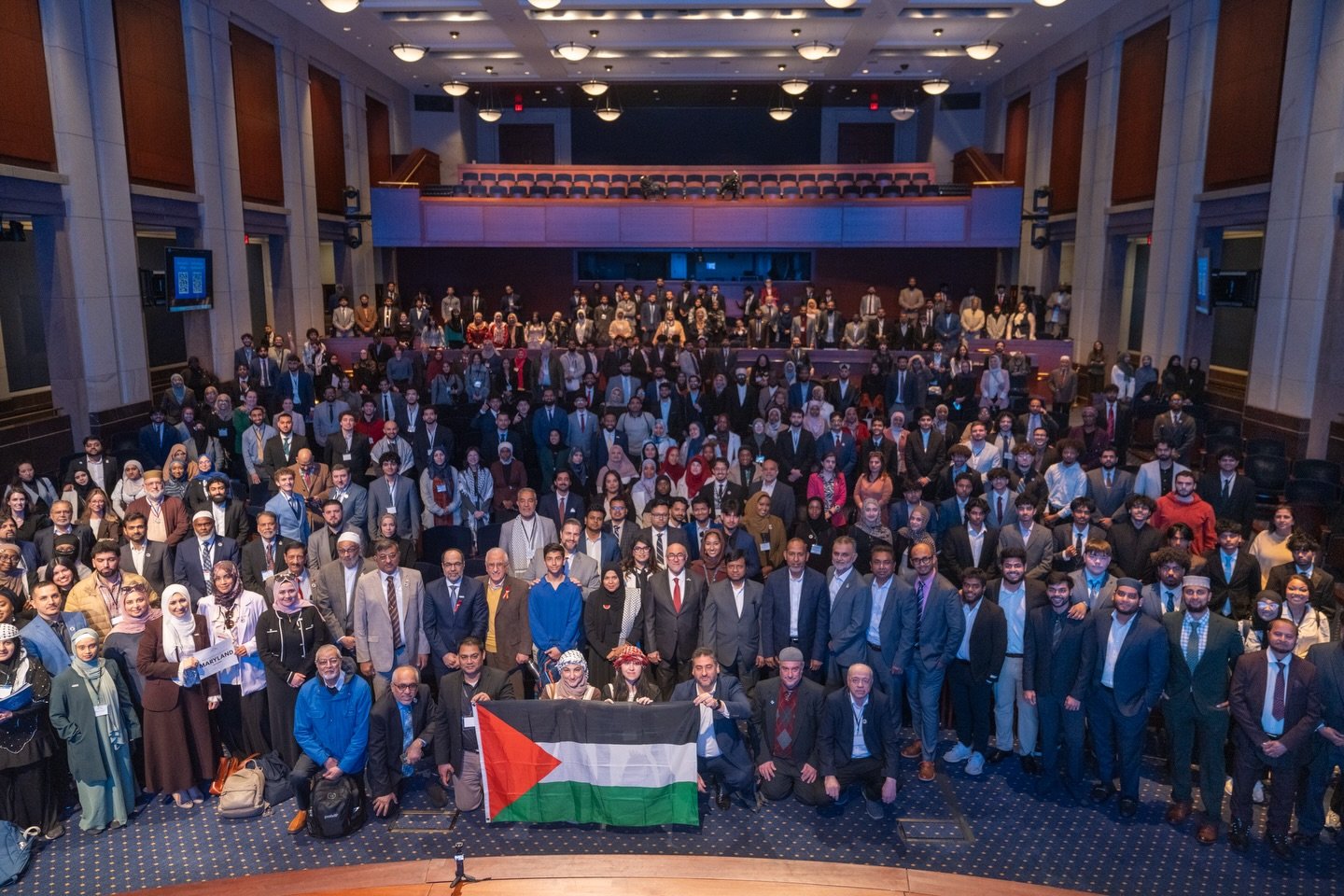
More than 1,000 Muslim activists gathered in Washington, DC, for the 11th Annual National Muslim Advocacy Day on Capitol Hill, a two-day mobilization that brought community leaders, students, organizers, and advocates directly into congressional offices to press for civil rights, immigrant protections, and accountability in U.S. policy.
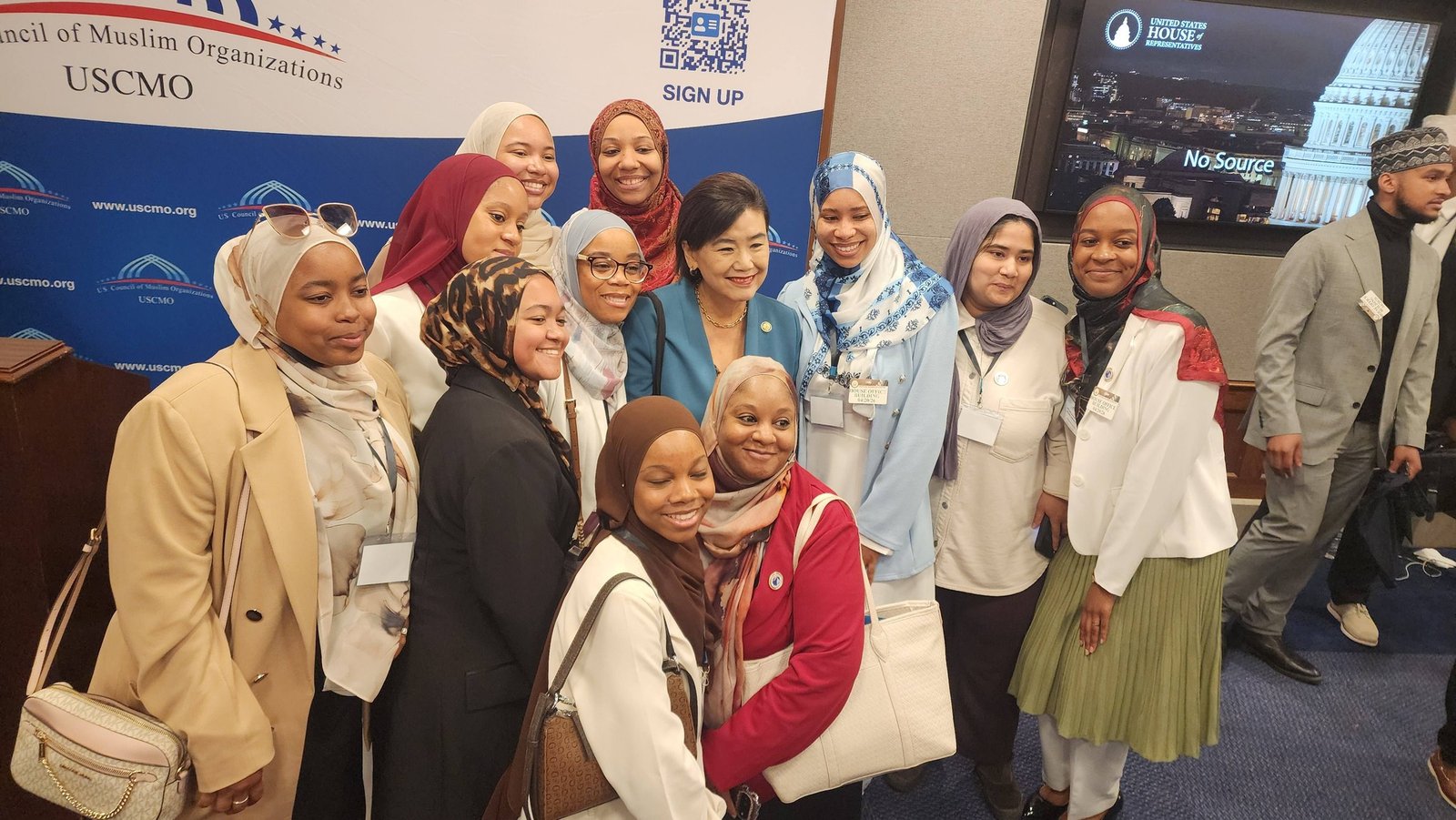
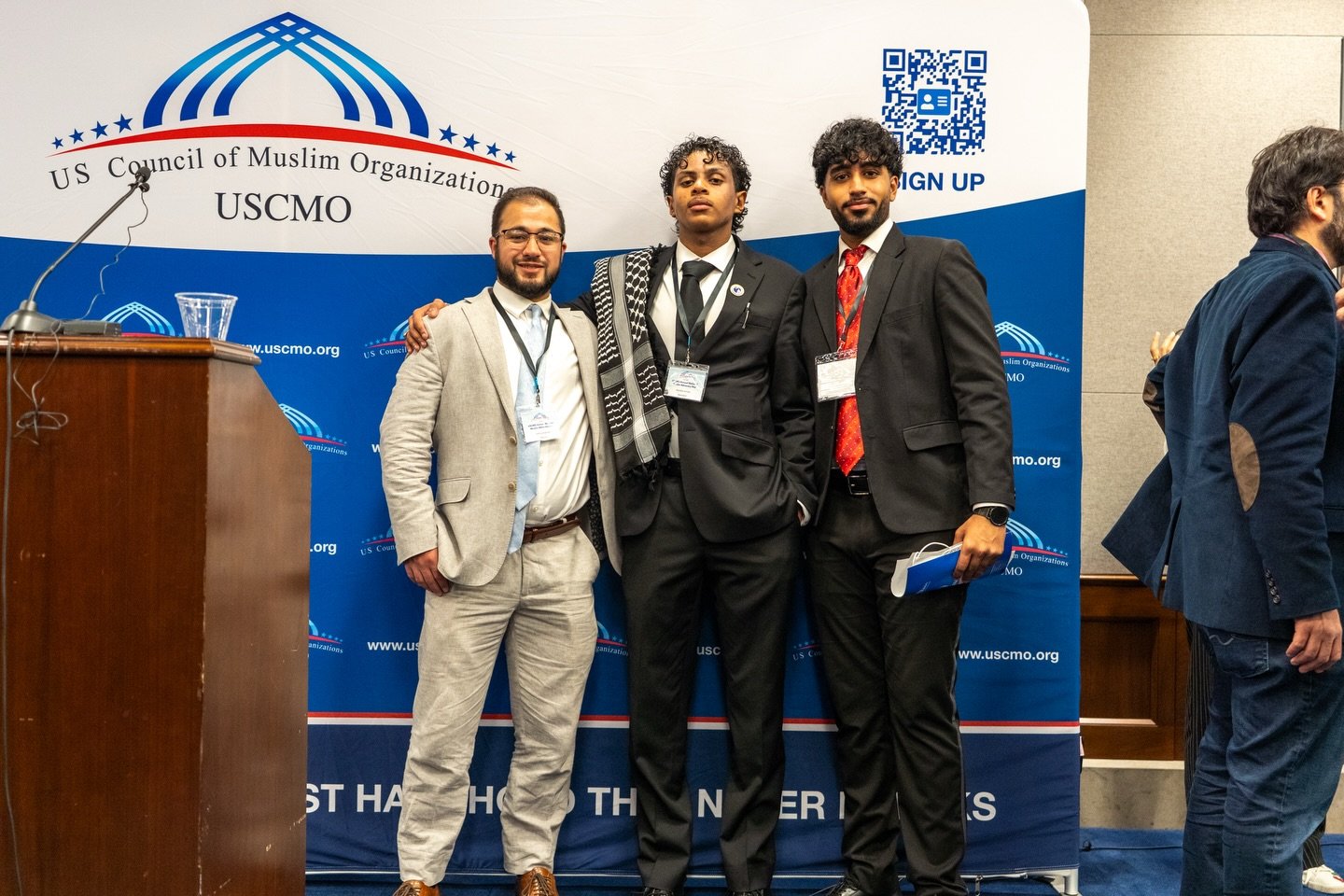
Organized by the U.S. Council of Muslim Organizations (USCMO), the program was held on April 20–21, 2026, under the theme “Dismantling Islamophobia, Demanding Accountability, and Fighting for Justice.” According to the event handbook, the program was designed to help American Muslims engage members of Congress and advocate for justice, civil rights, and dignity for all communities.
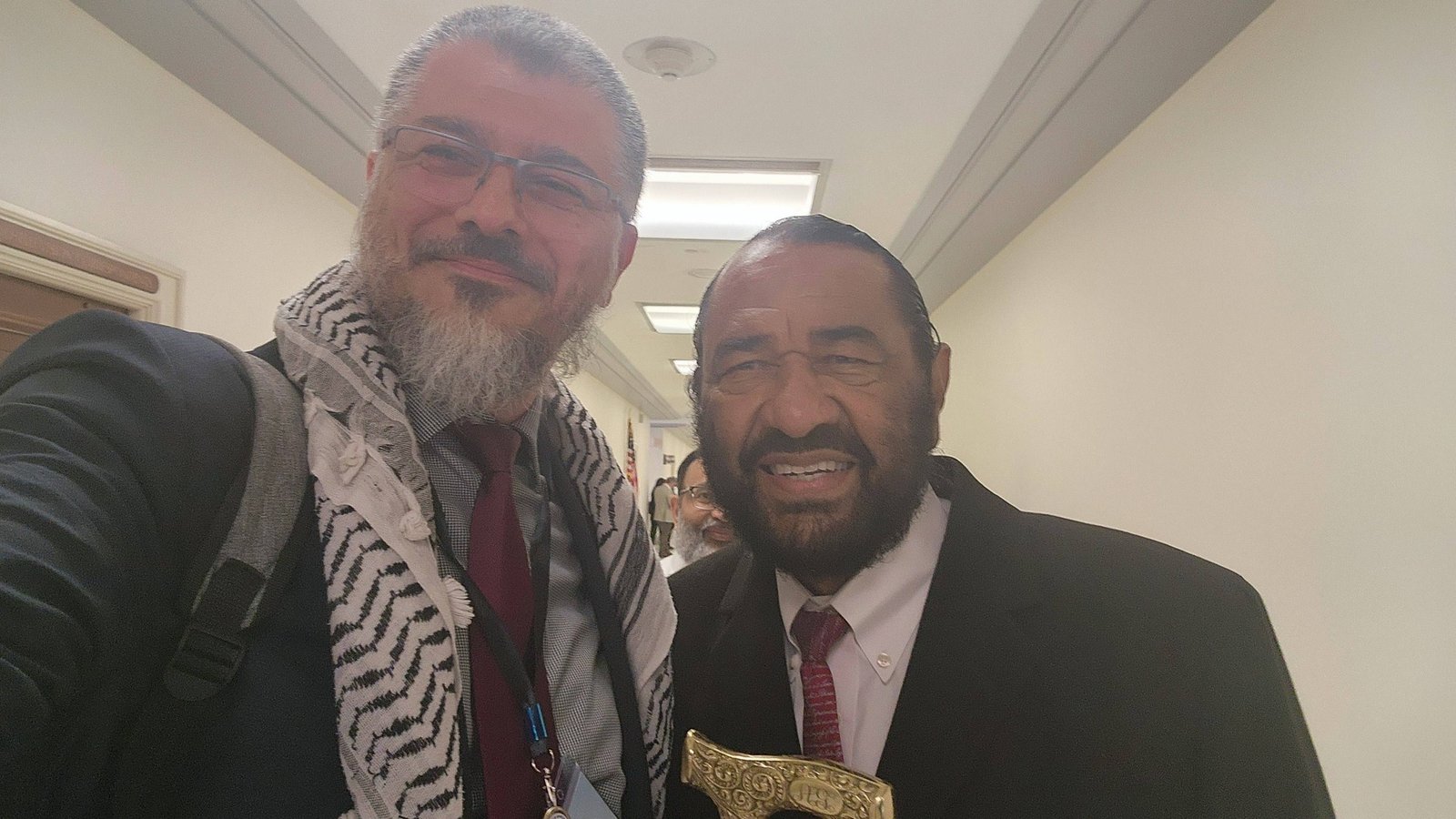
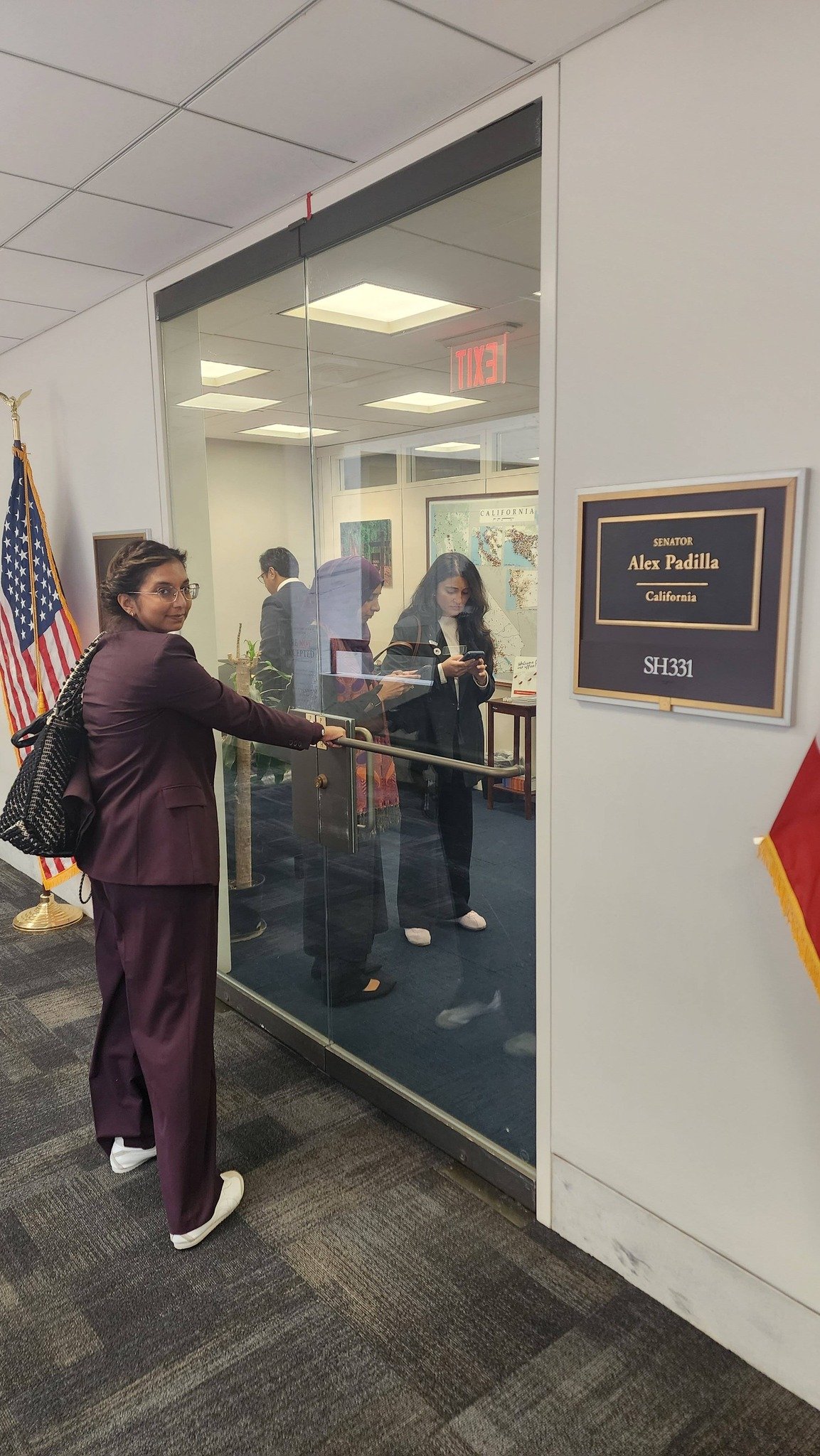
The advocacy effort included meetings with 260 members of Congress and congressional offices, according to information shared by participants. Delegates focused on three major priorities: opposing anti-Muslim rhetoric and legislation, defending free speech and immigrant rights, and calling for an end to what organizers described as endless wars and unaccountable foreign policy.
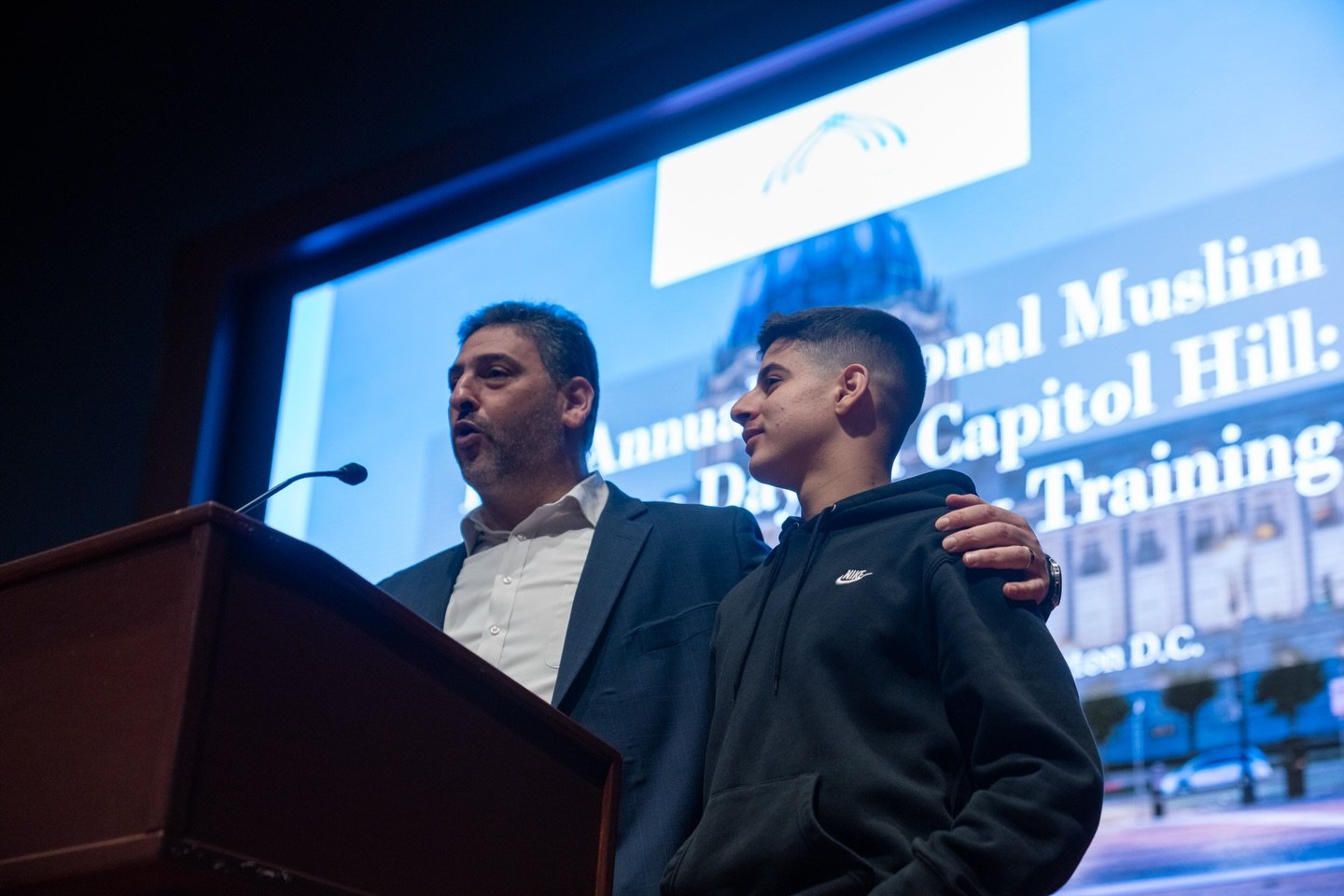
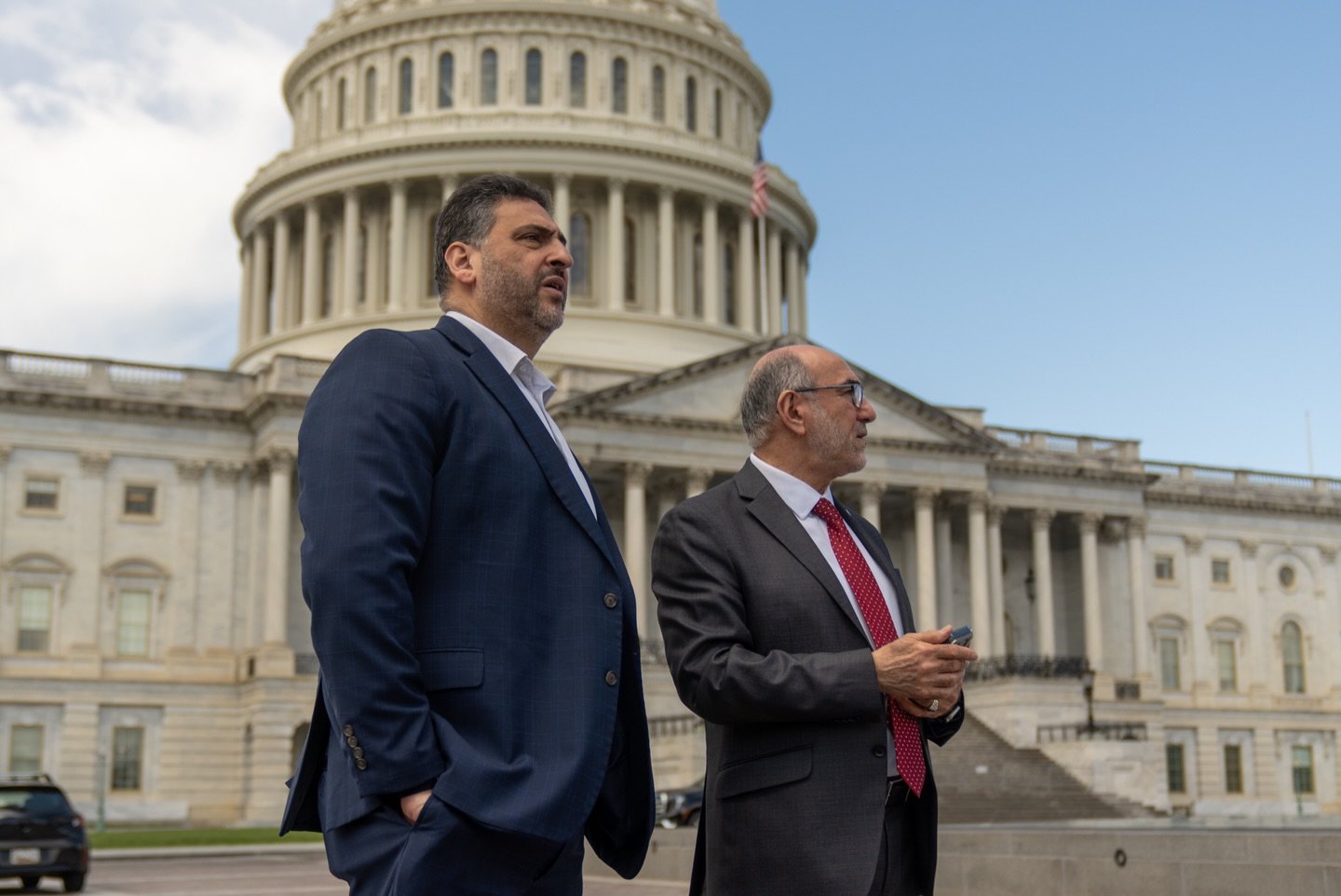
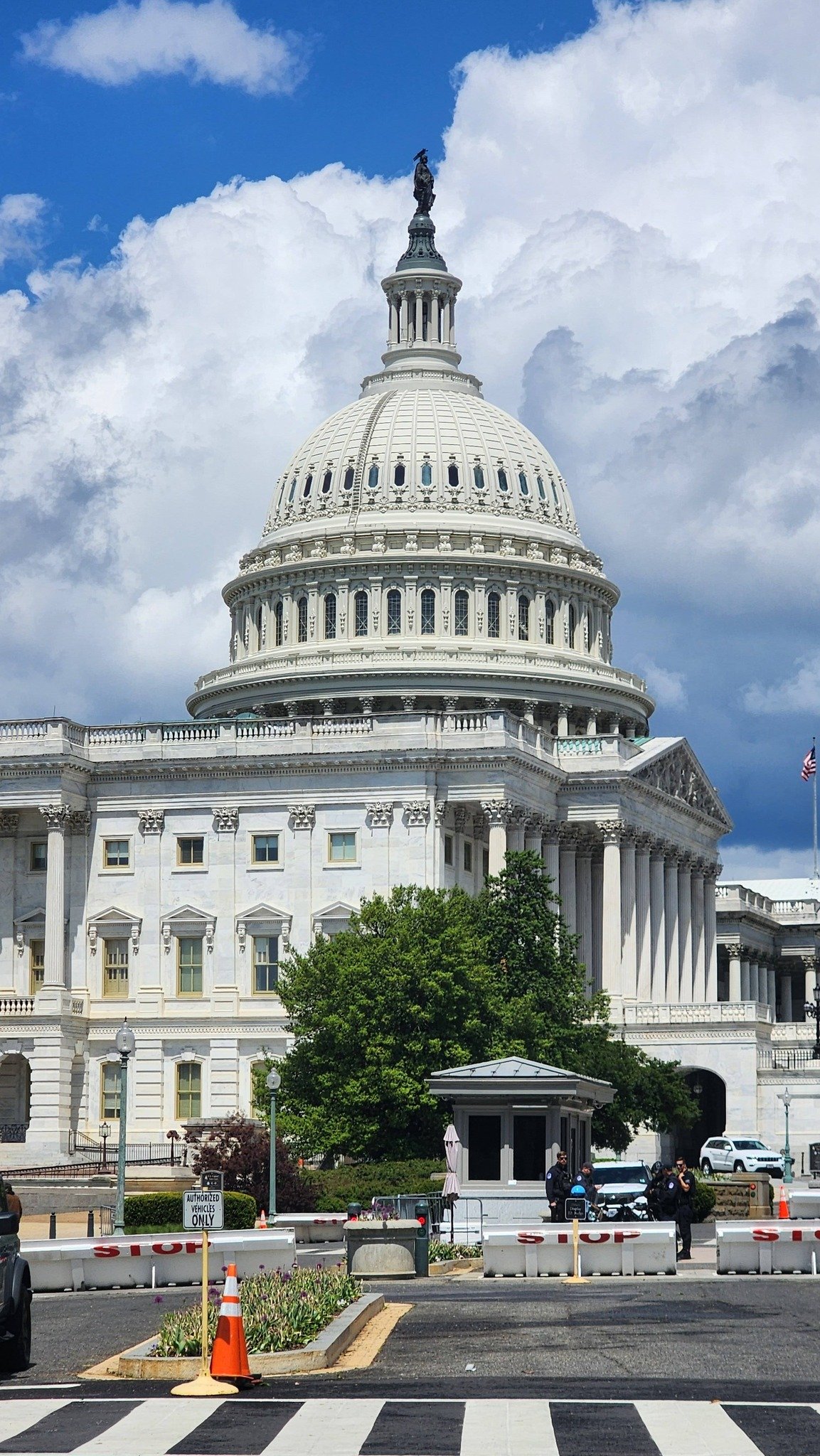
The event began with registration, prayer, opening remarks, and advocacy training before delegates moved into congressional meetings. The handbook outlined a structured program, including a group photo at the U.S. Capitol, meeting spaces in the Rayburn House Office Building, and continued congressional engagement on the second day.
One major focus was opposition to the so-called “Sharia-Free America Caucus” and related bills, which USCMO described as discriminatory measures targeting Islamic religious practices. Delegates also urged lawmakers to support protections for immigrants, due process, and free speech, including oversight of DHS and ICE enforcement practices.
Foreign policy was also central to the agenda. Advocates called on Congress to reassert its war powers authority, oppose expanded conflict in the Middle East, and scrutinize the use of U.S. weapons abroad. Participants also raised concerns about Palestinian rights, humanitarian relief, and the broader consequences of U.S. military policy.
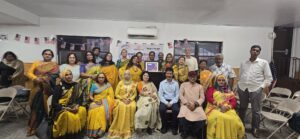
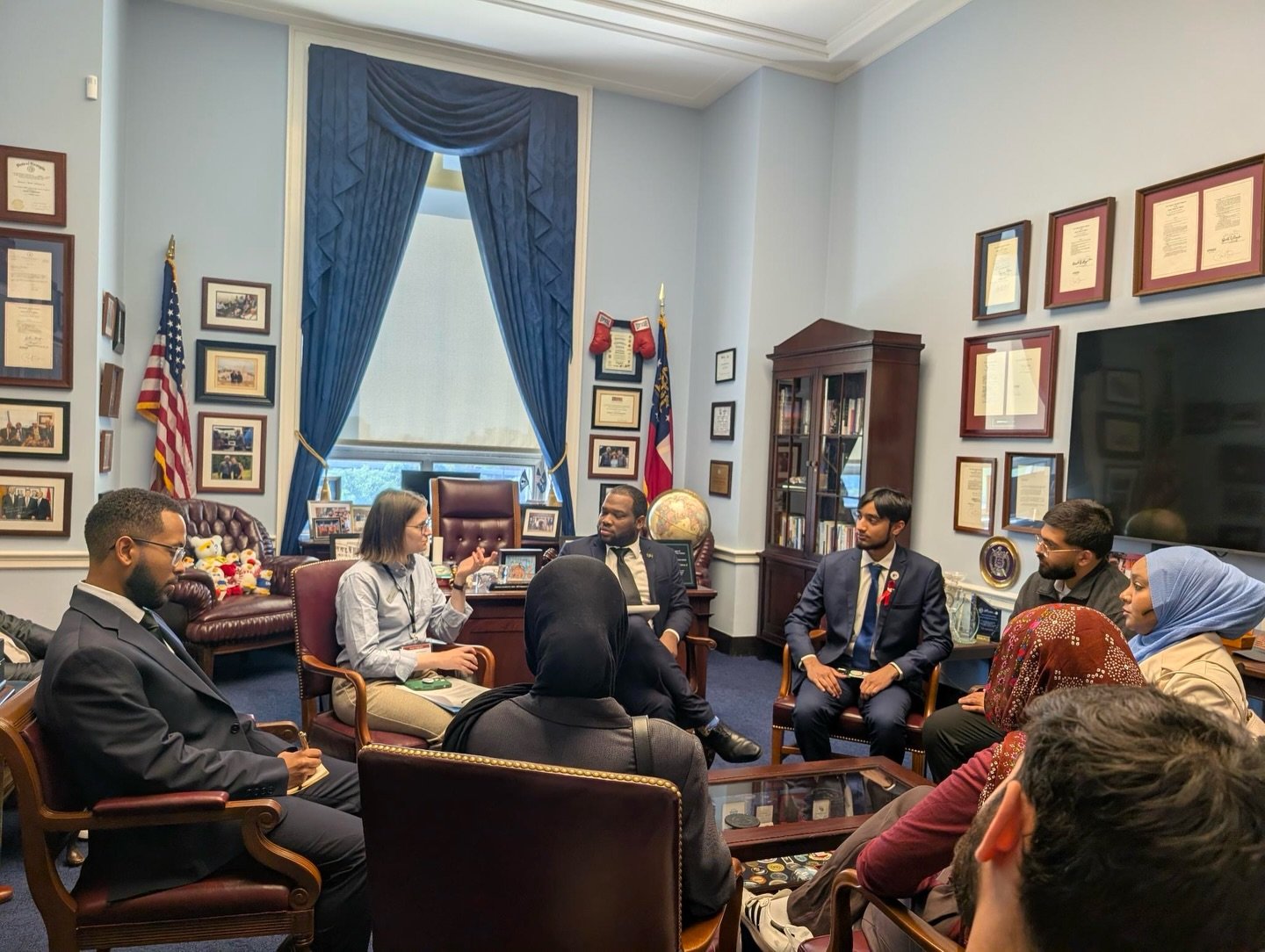
The program reflected a growing confidence among Muslim American communities in using grassroots organizing to influence national policy. In one related meeting, CAIR-Georgia Policy Director Megan Gordon led a delegation of Georgia community members in discussions with the office of Rep. Hank Johnson, highlighting the role of local advocacy in shaping federal conversations.
By bringing together advocates from across the country, National Muslim Advocacy Day 2026 served as both a policy campaign and a civic statement. Its message was clear: Muslim Americans are organized, engaged, and determined to make their voices heard in the halls of Congress.
For more blogs, visit nyn.press