James Anderson:
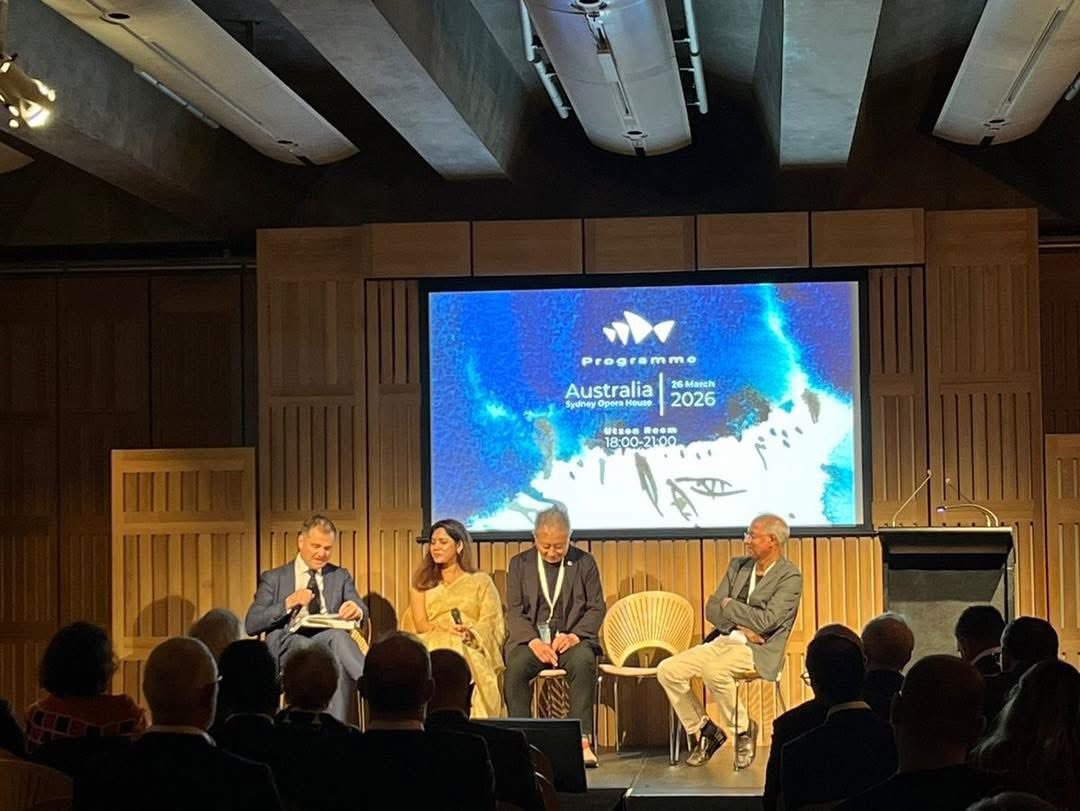
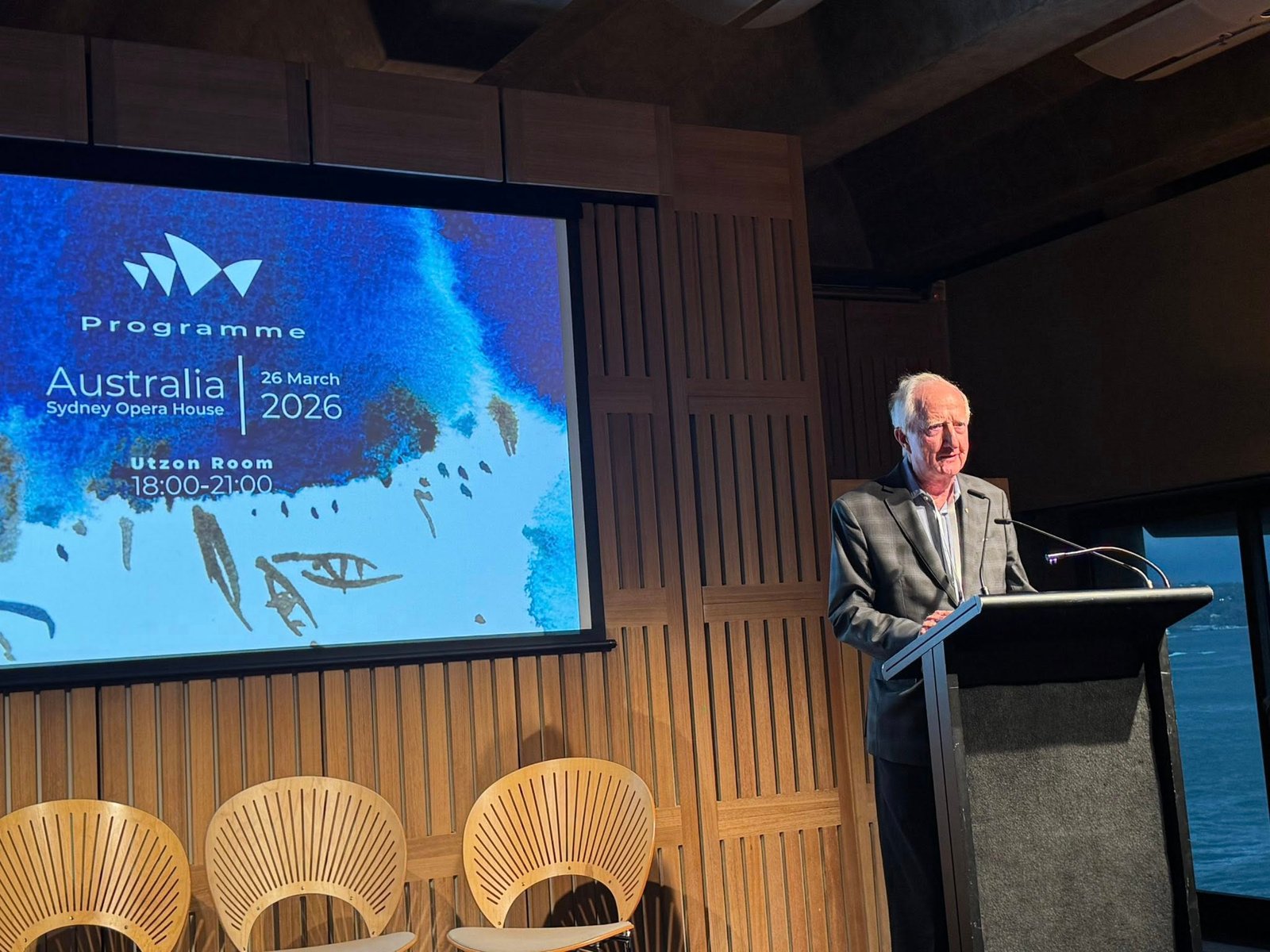
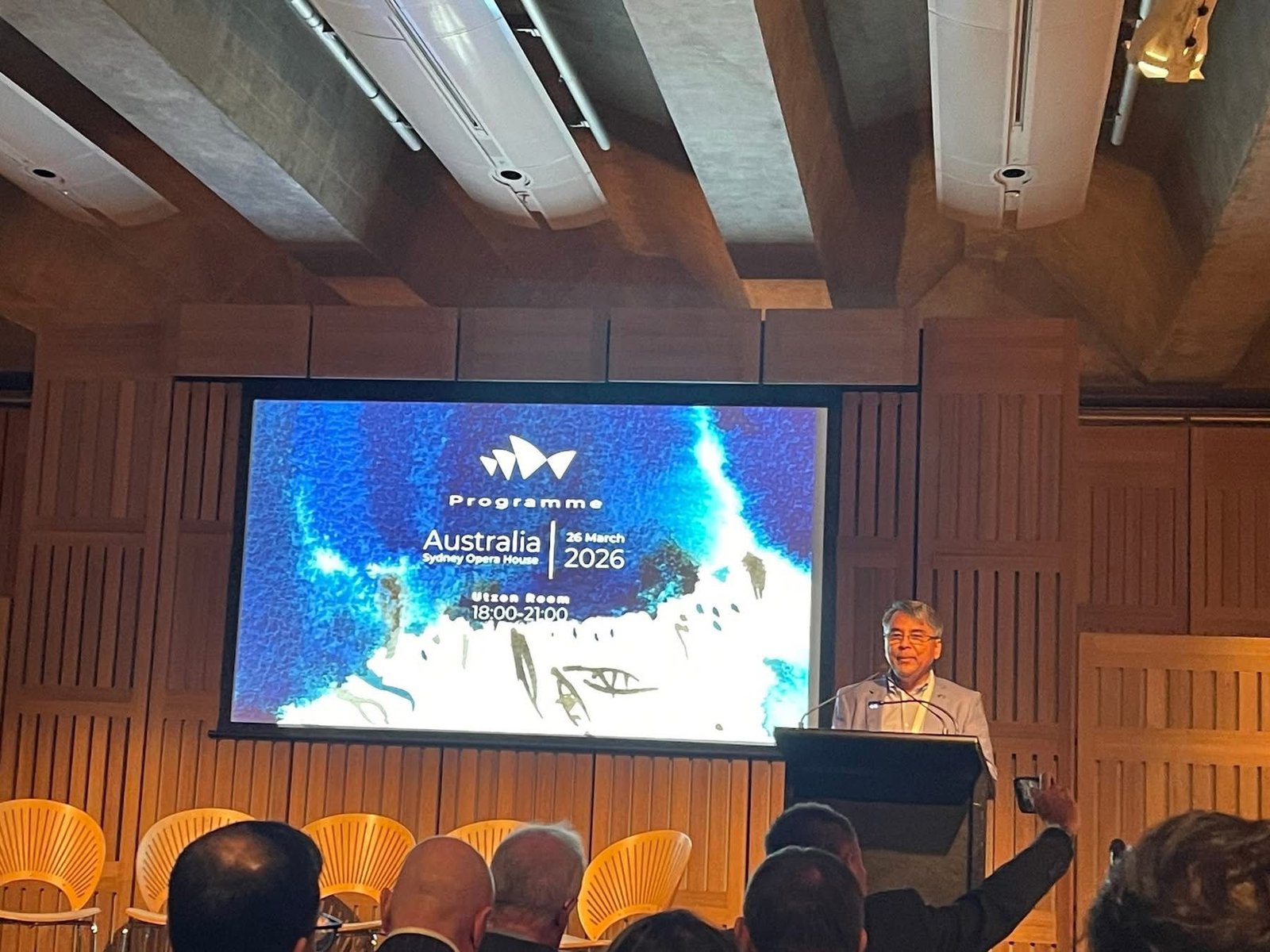
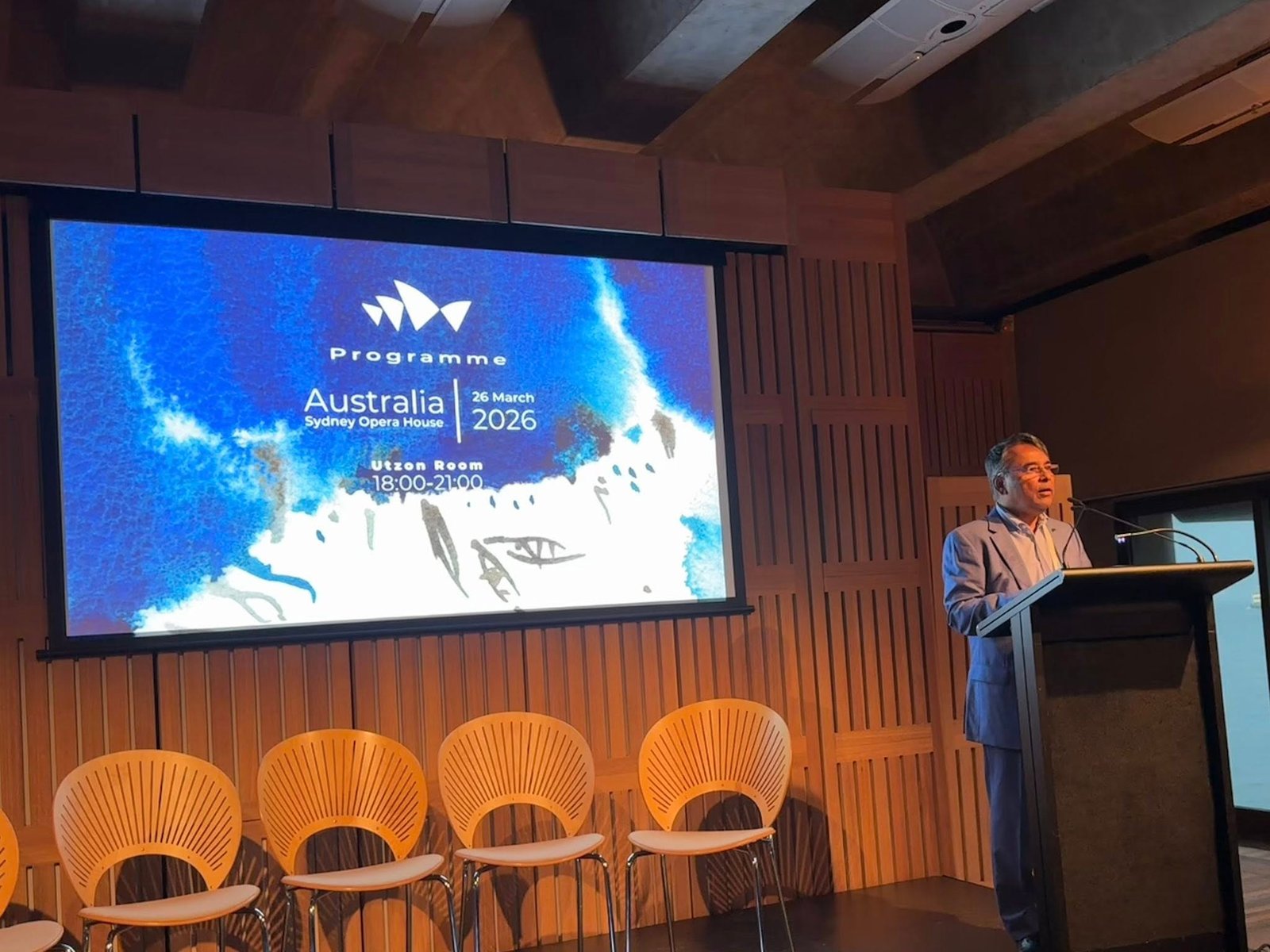
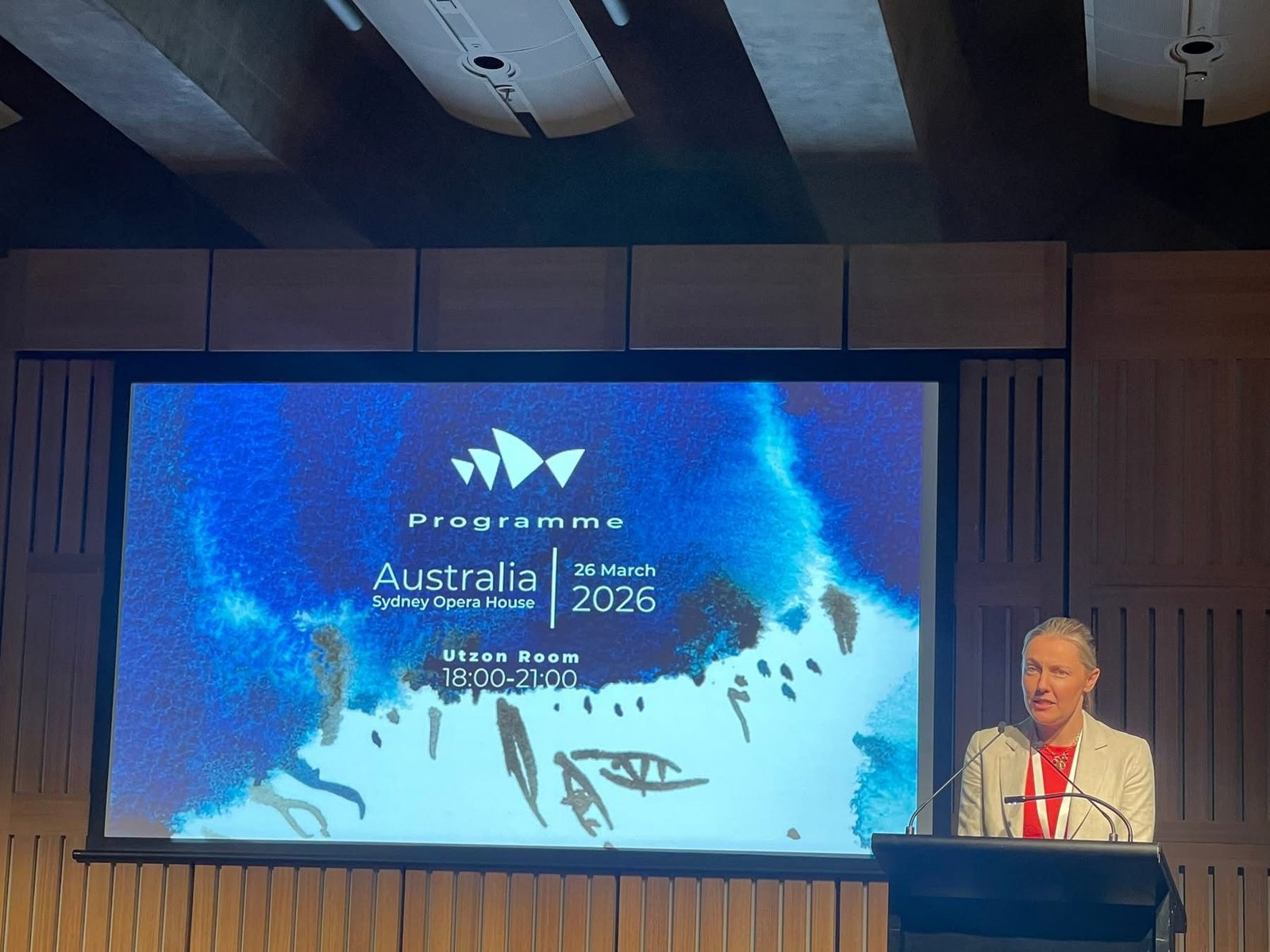
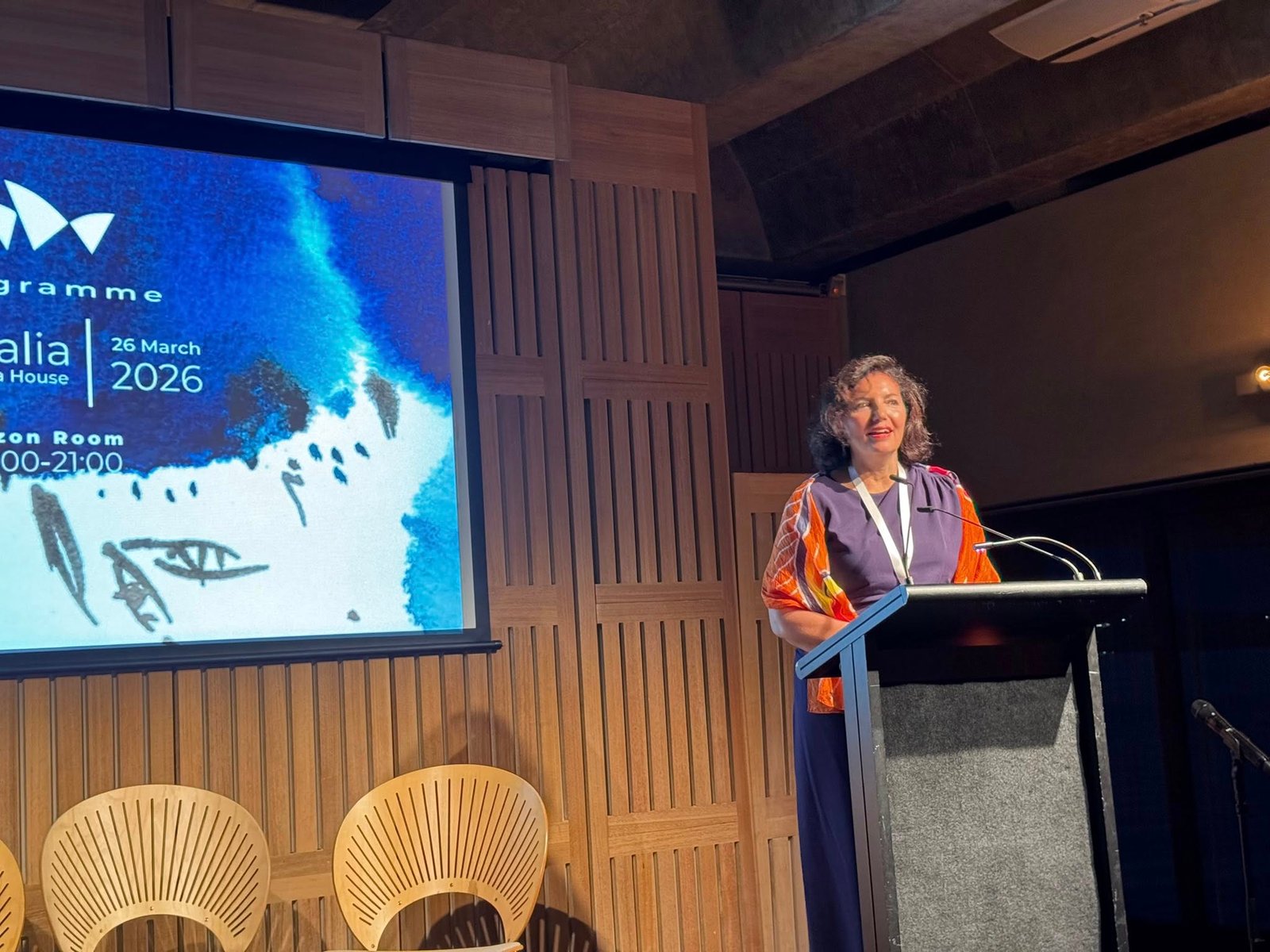
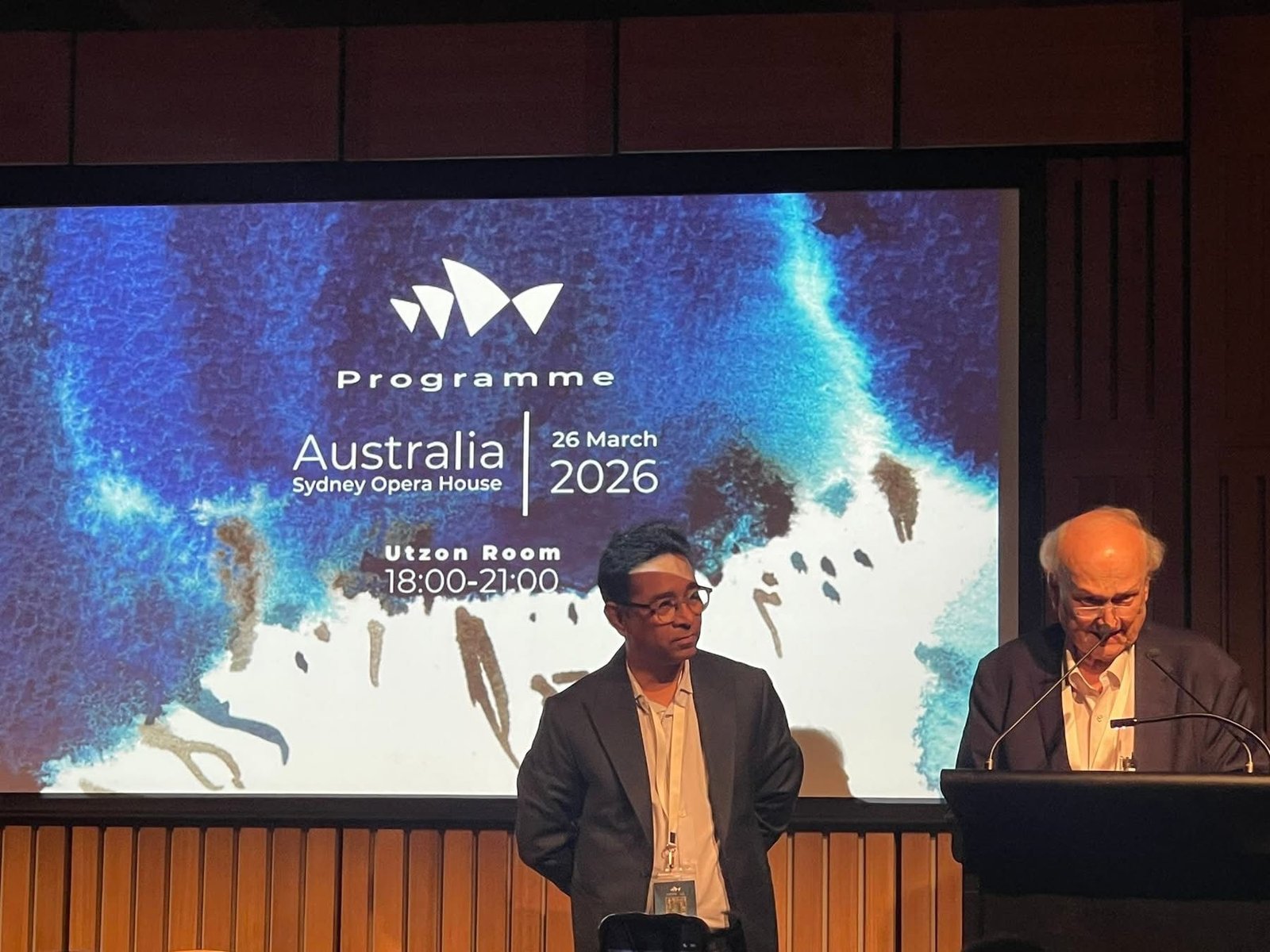
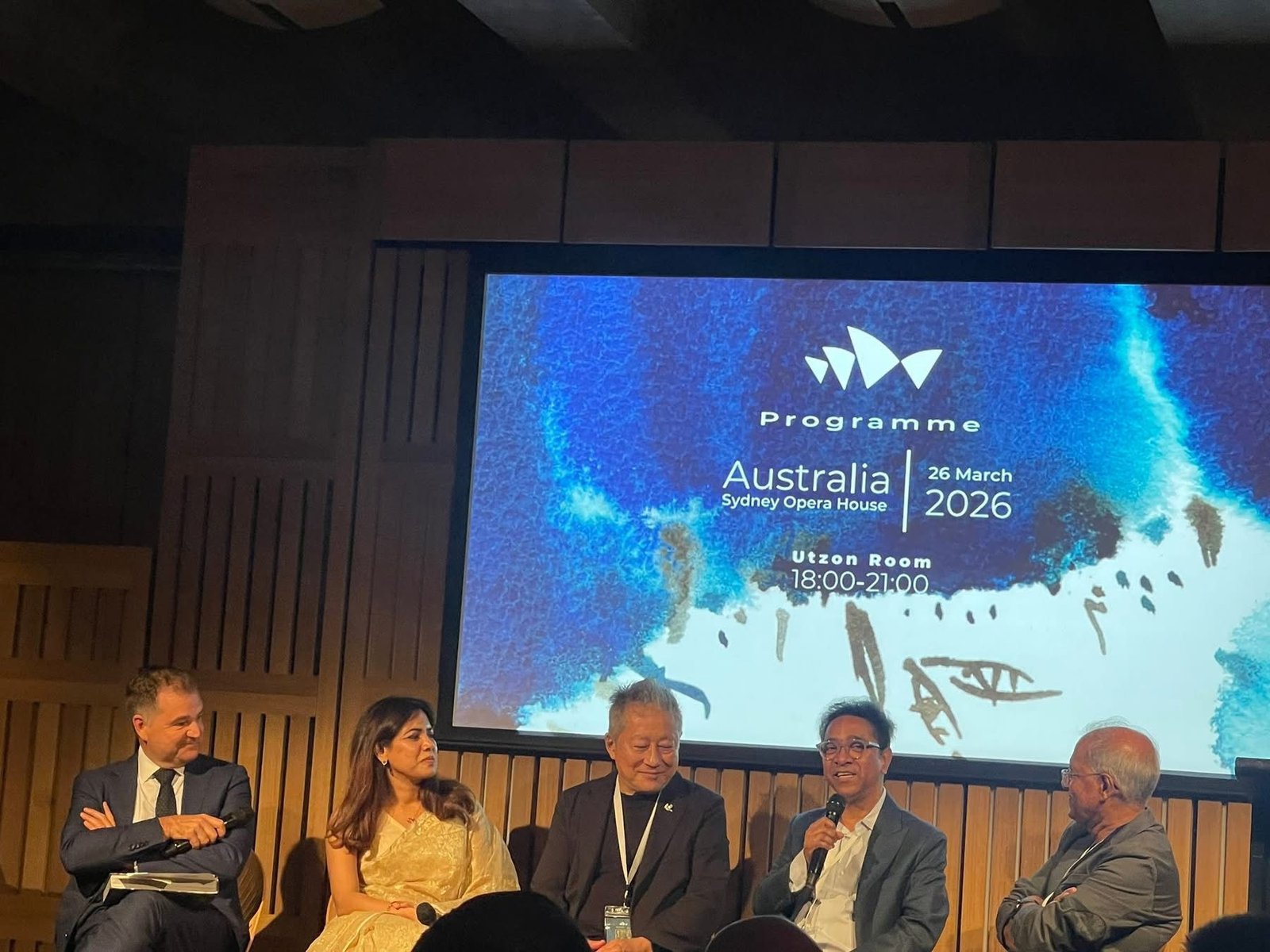
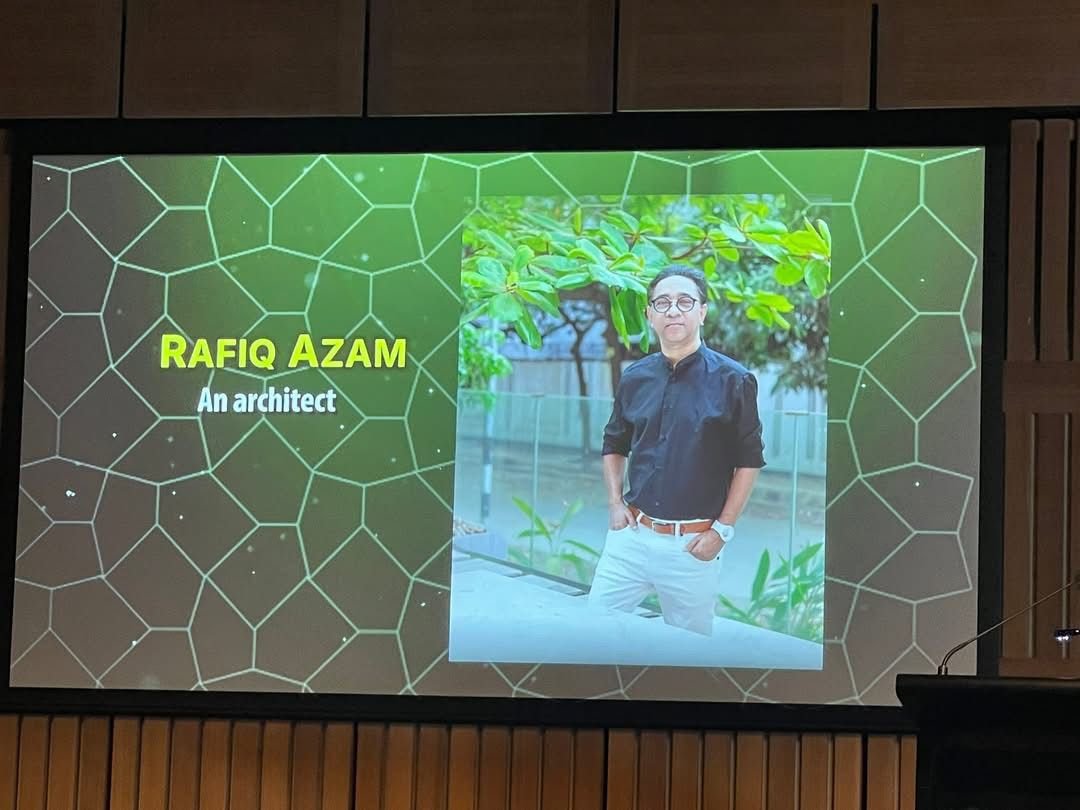
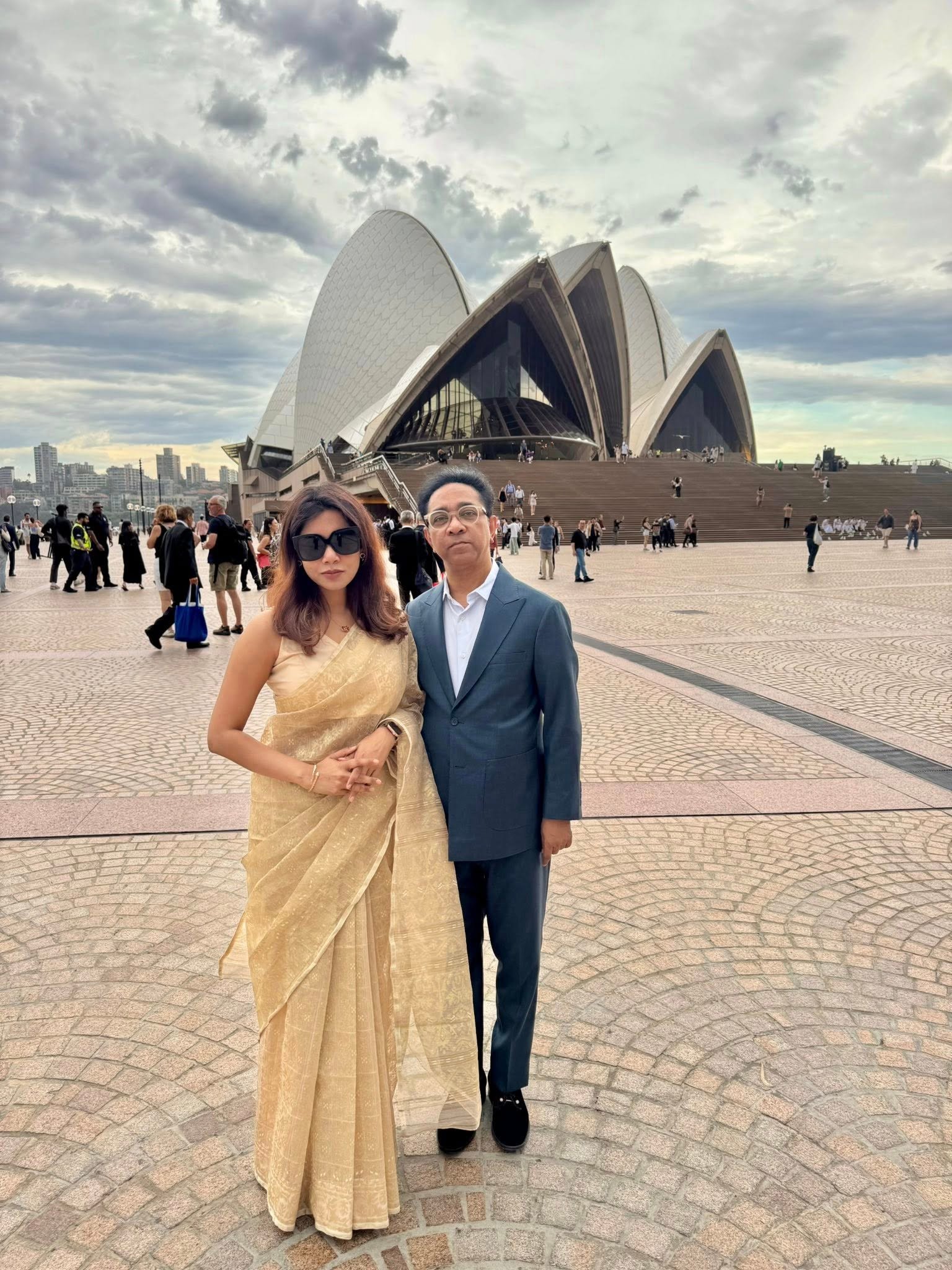
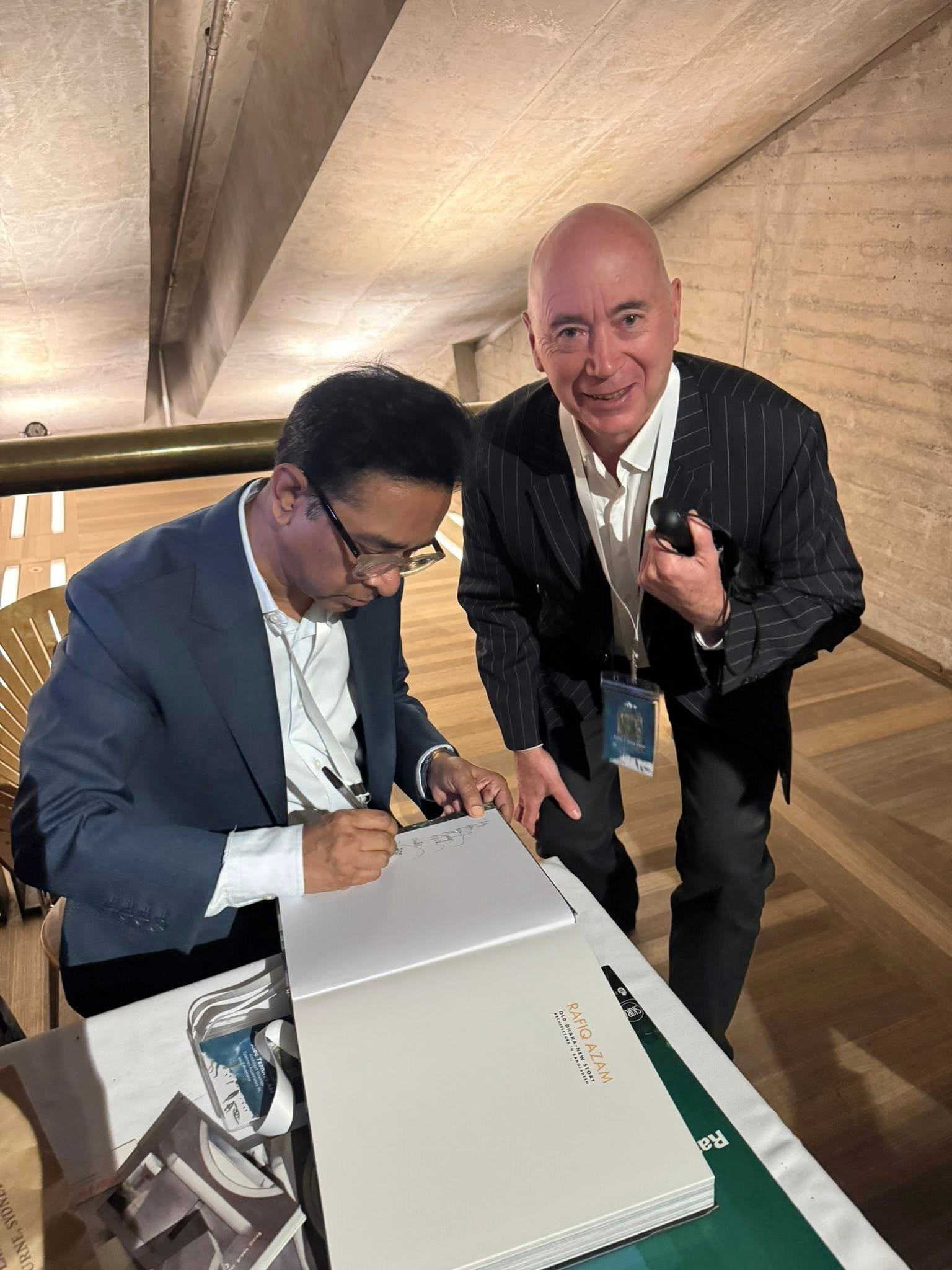
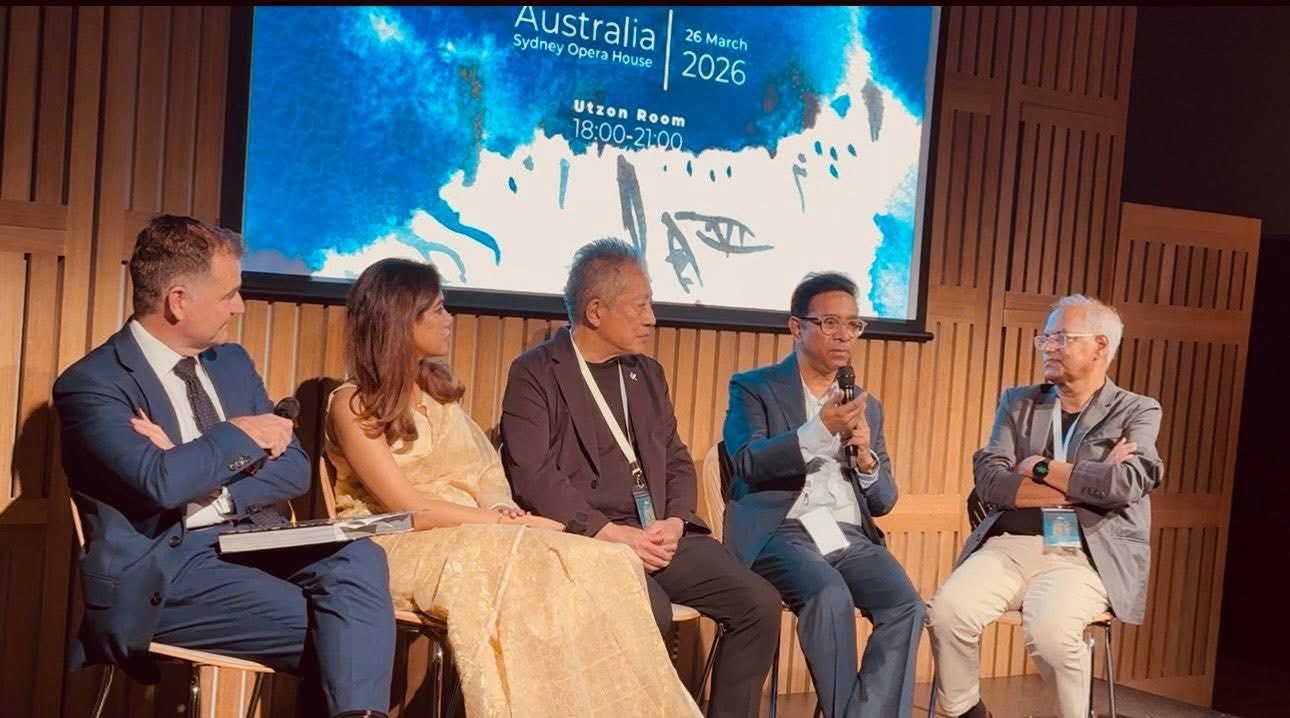
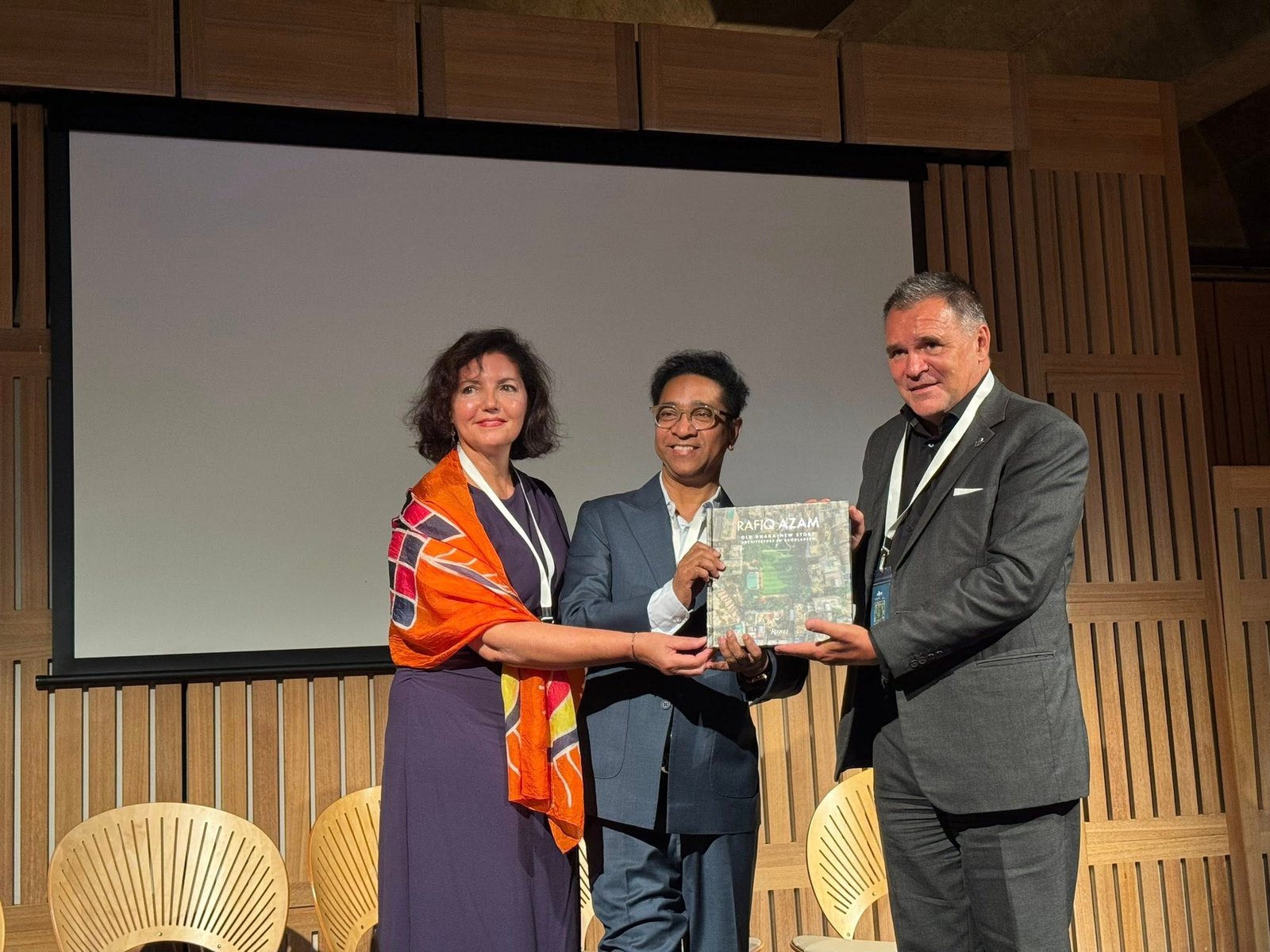
In a striking convergence of national pride, architectural thought, and global recognition, the launch of “Old Dhaka–New Story” by acclaimed architect Rafiq Azam was held on Thursday, March 26, 2026, at 6:00 p.m. in the Utzon Room of the Sydney Opera House in Sydney, Australia.
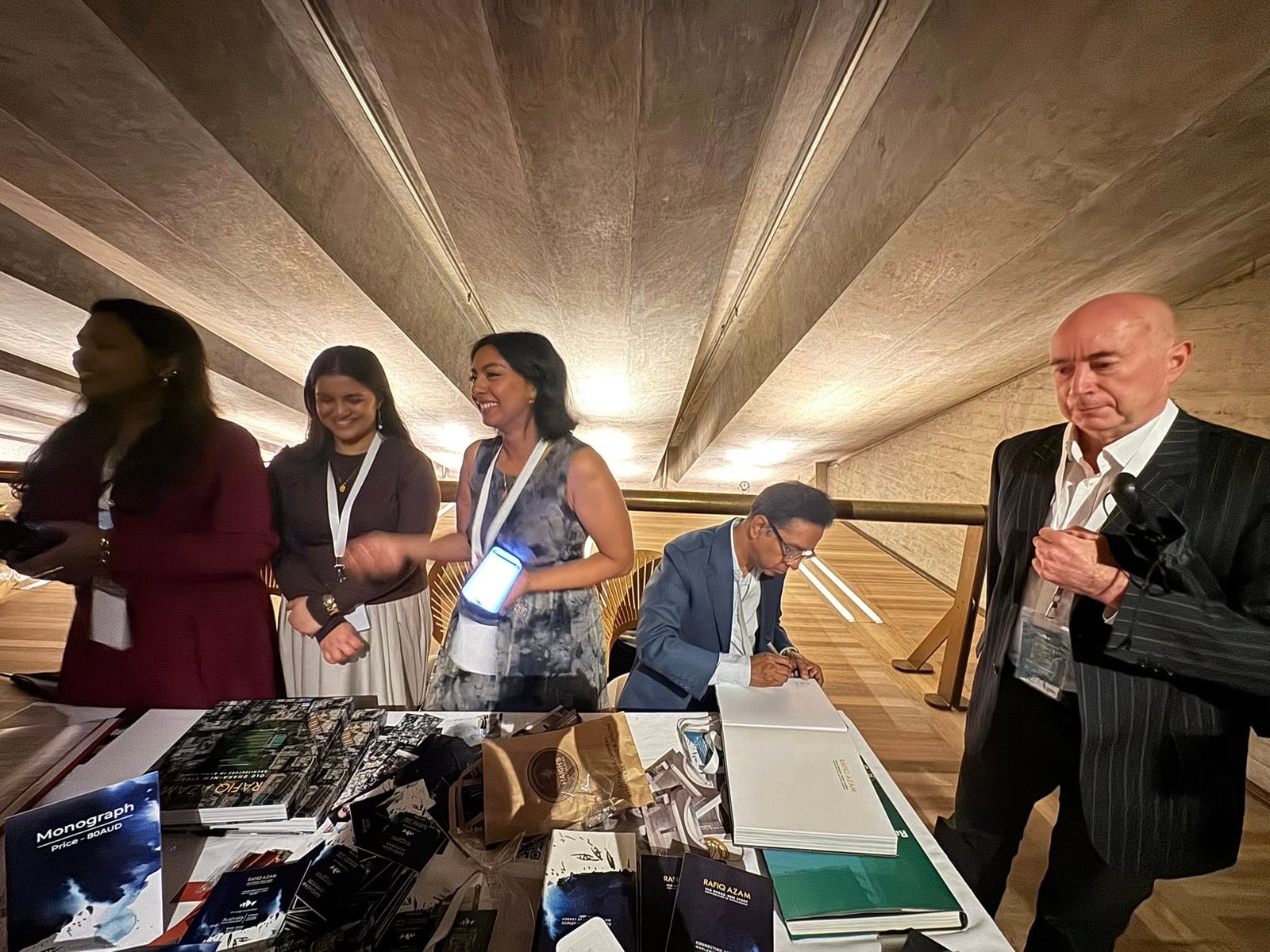
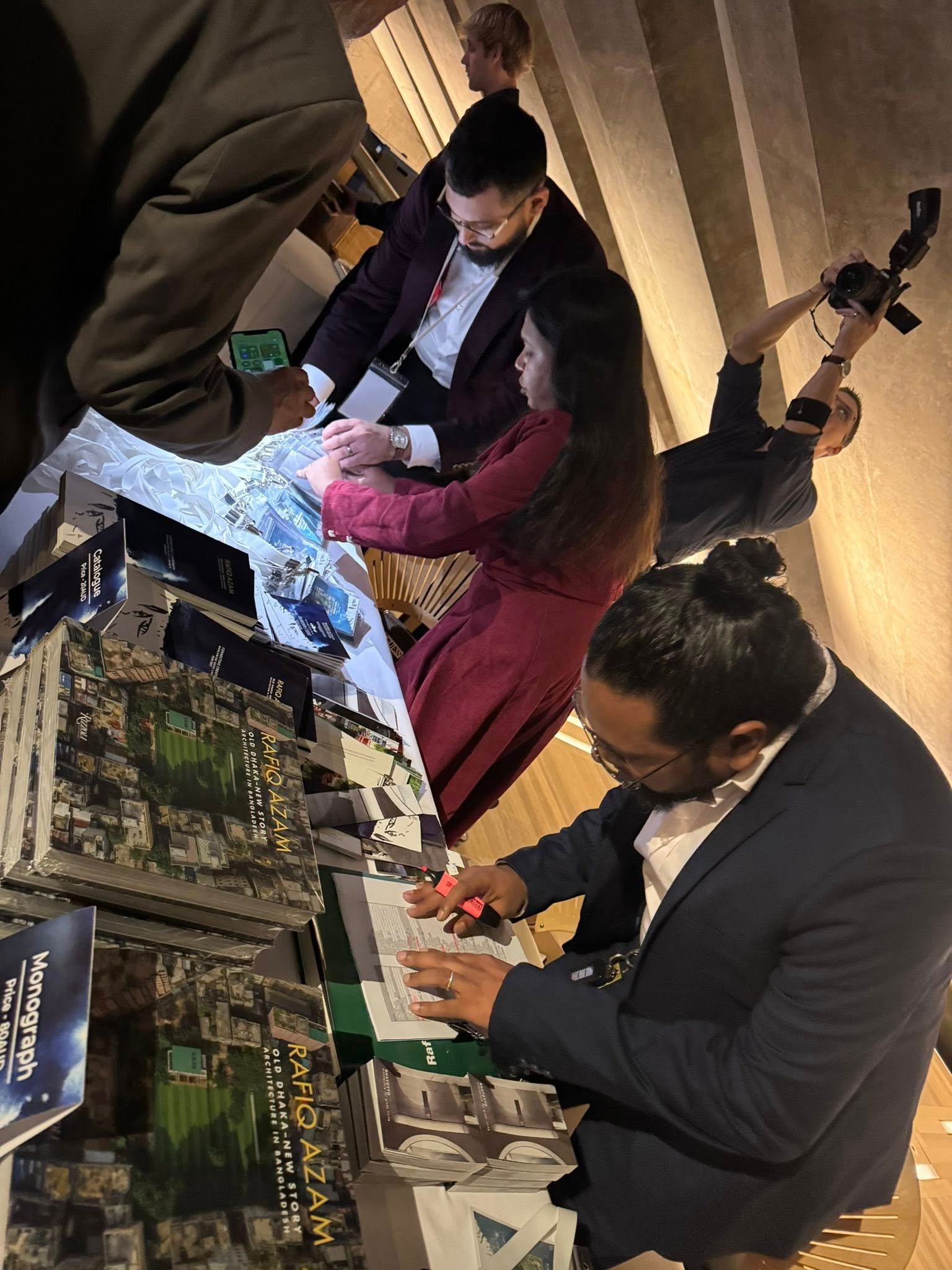
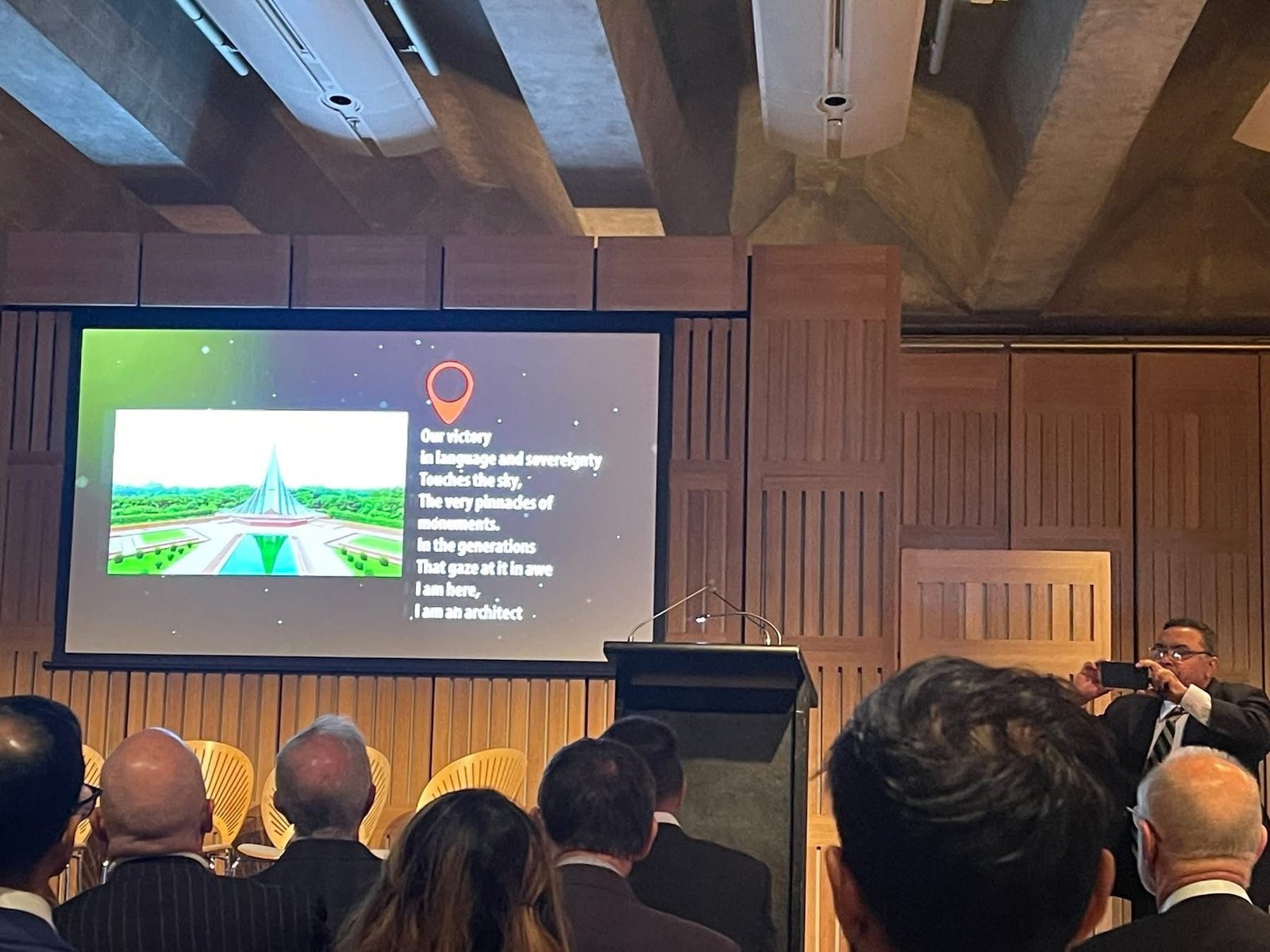
Timed to coincide with Bangladesh’s Independence Day, the event transformed one of the world’s most iconic cultural venues into a platform for reflecting on Bangladesh’s architectural journey, the historic identity of Dhaka, and the social role of design in shaping human life. Published by Rizzoli Publications of America, the book places Old Dhaka at the center of a broader architectural and cultural narrative, linking memory, urban history, and contemporary design vision.
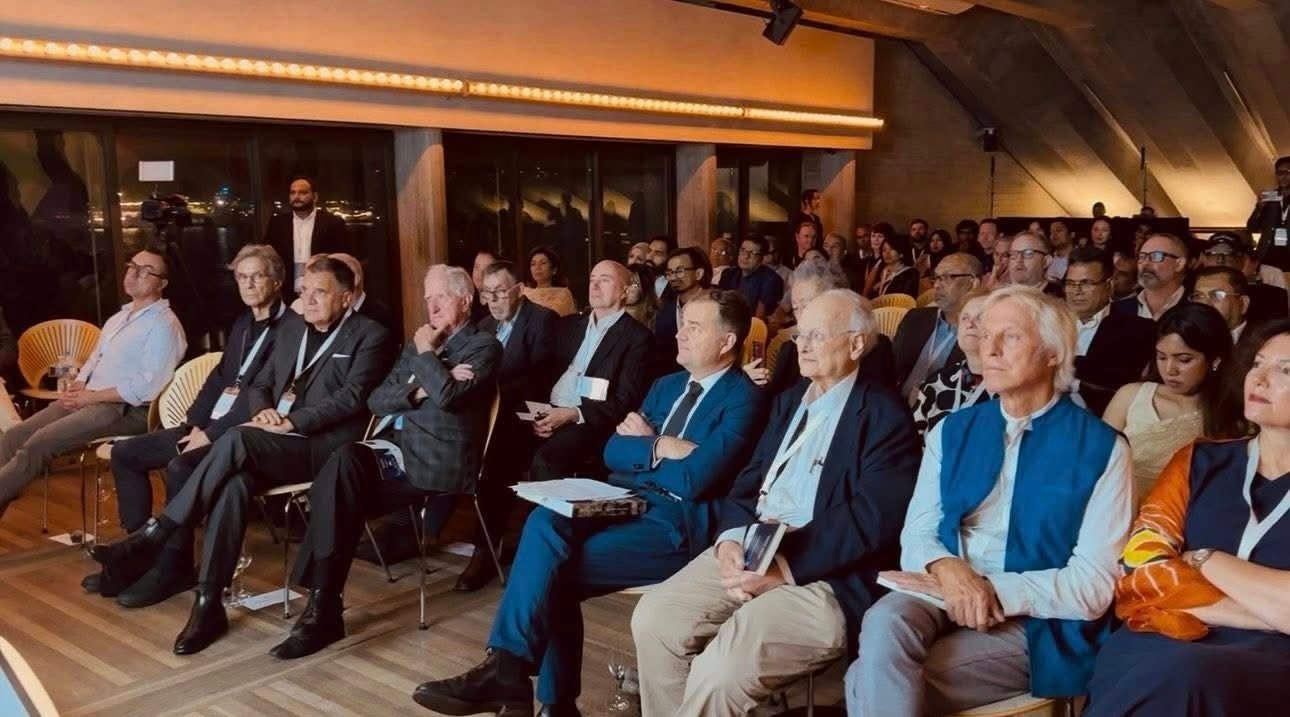
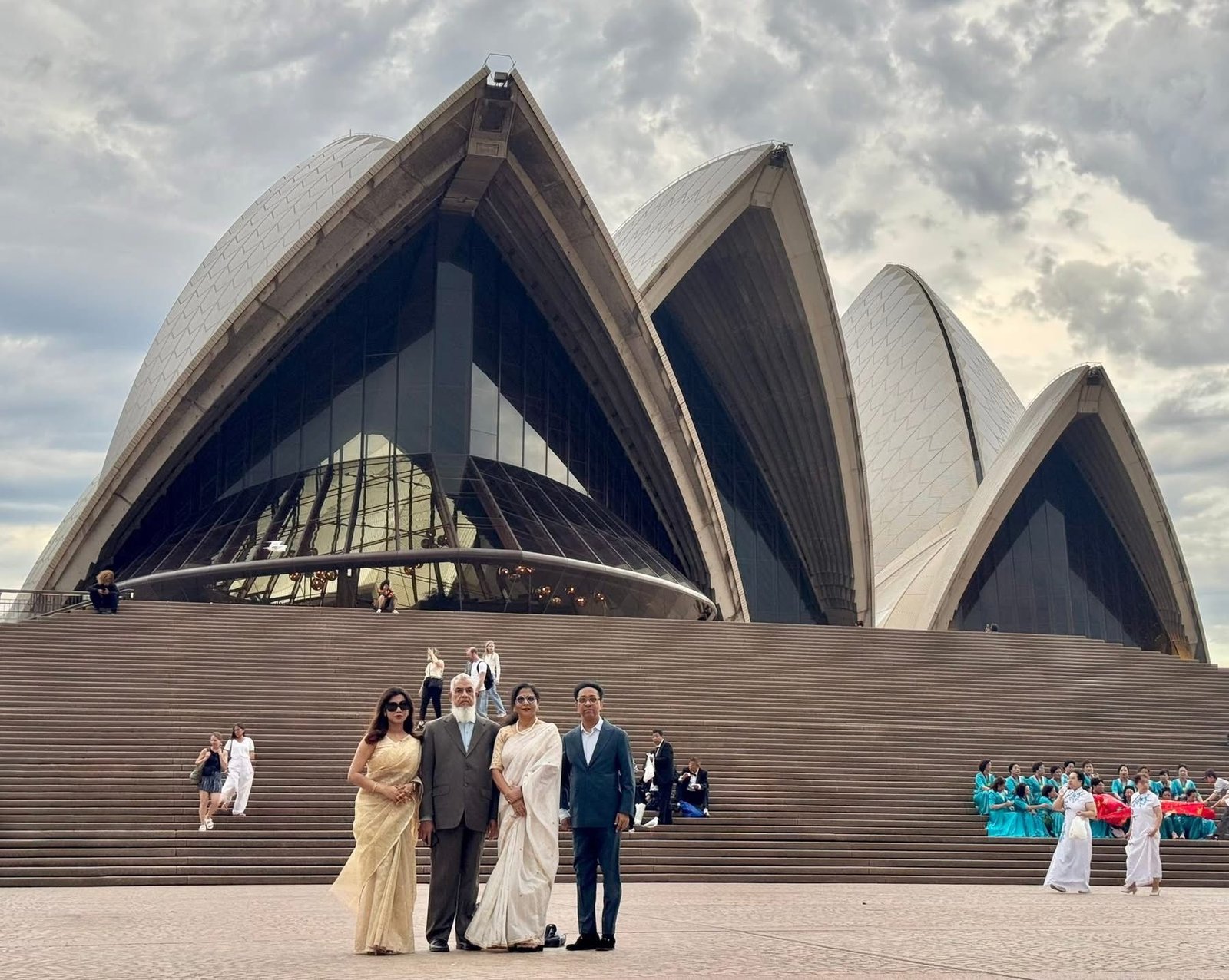
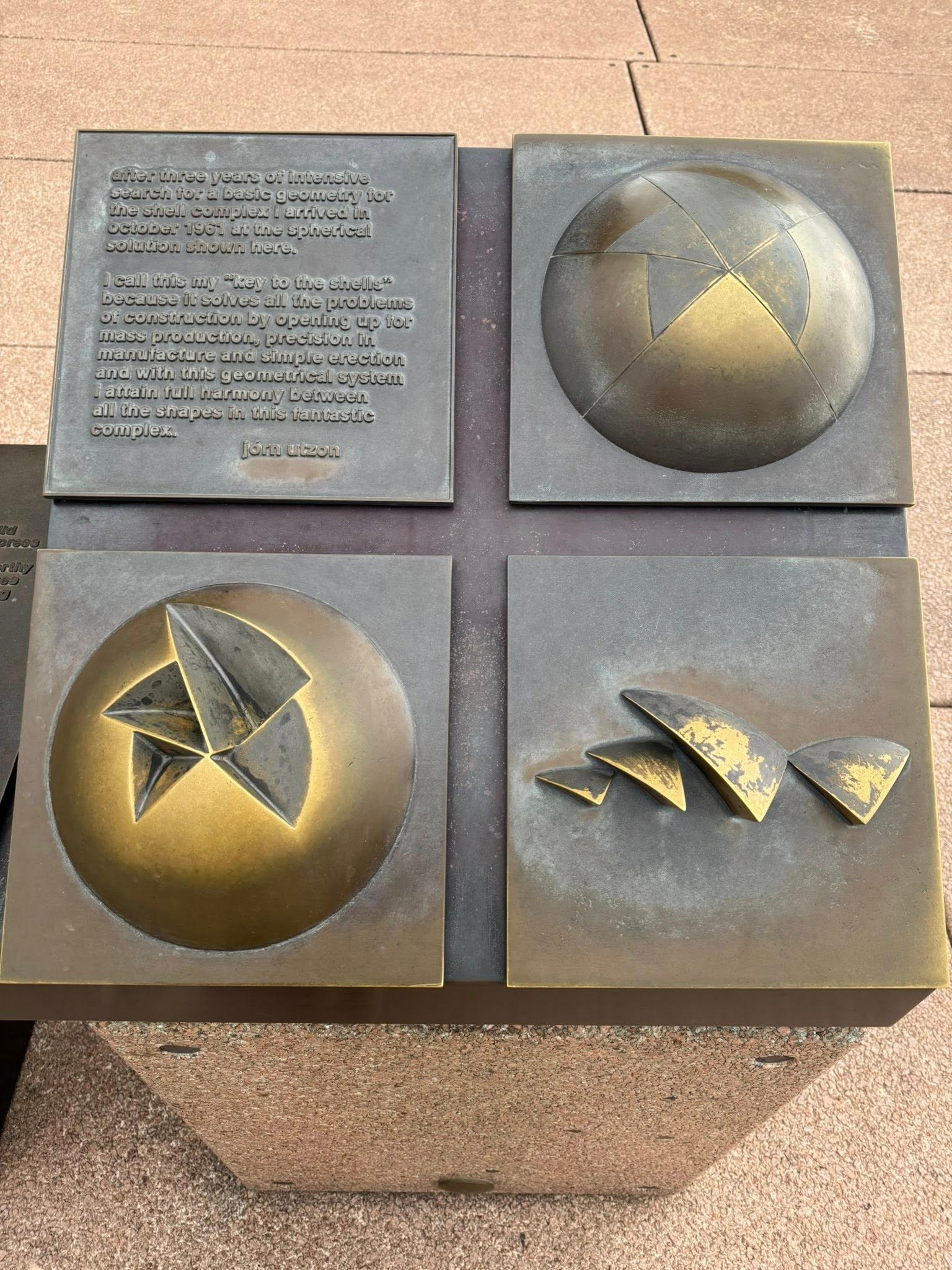
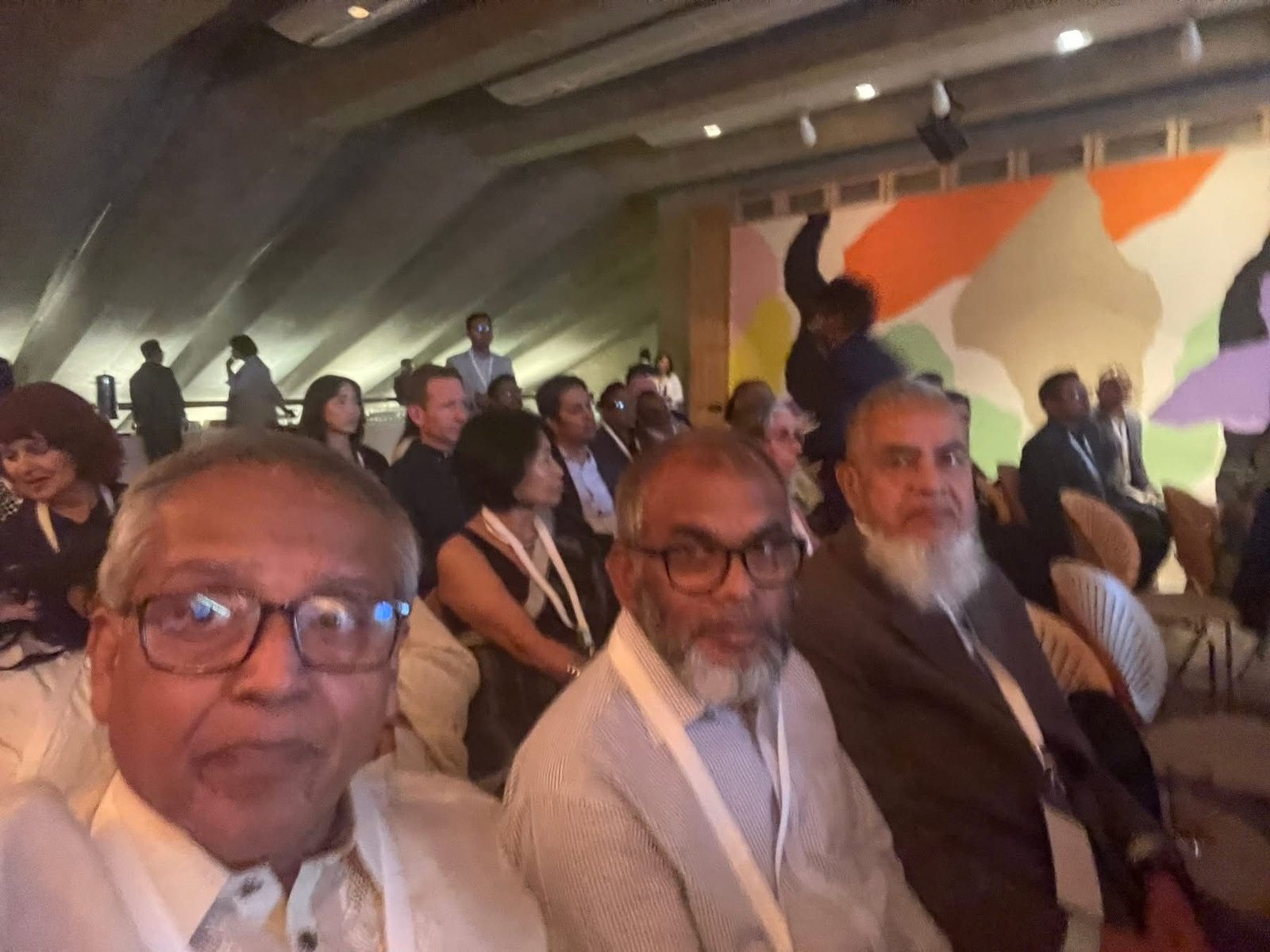
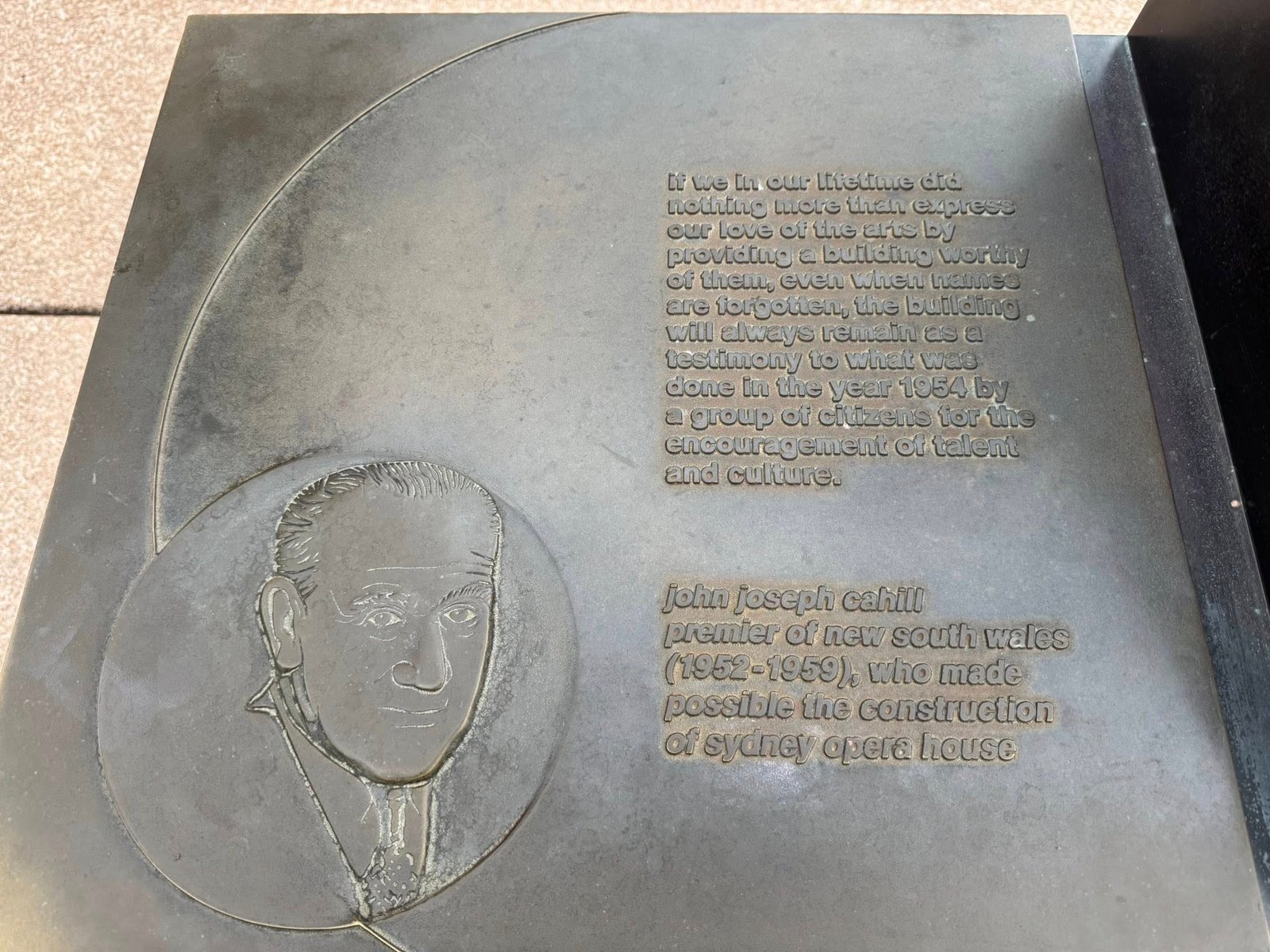
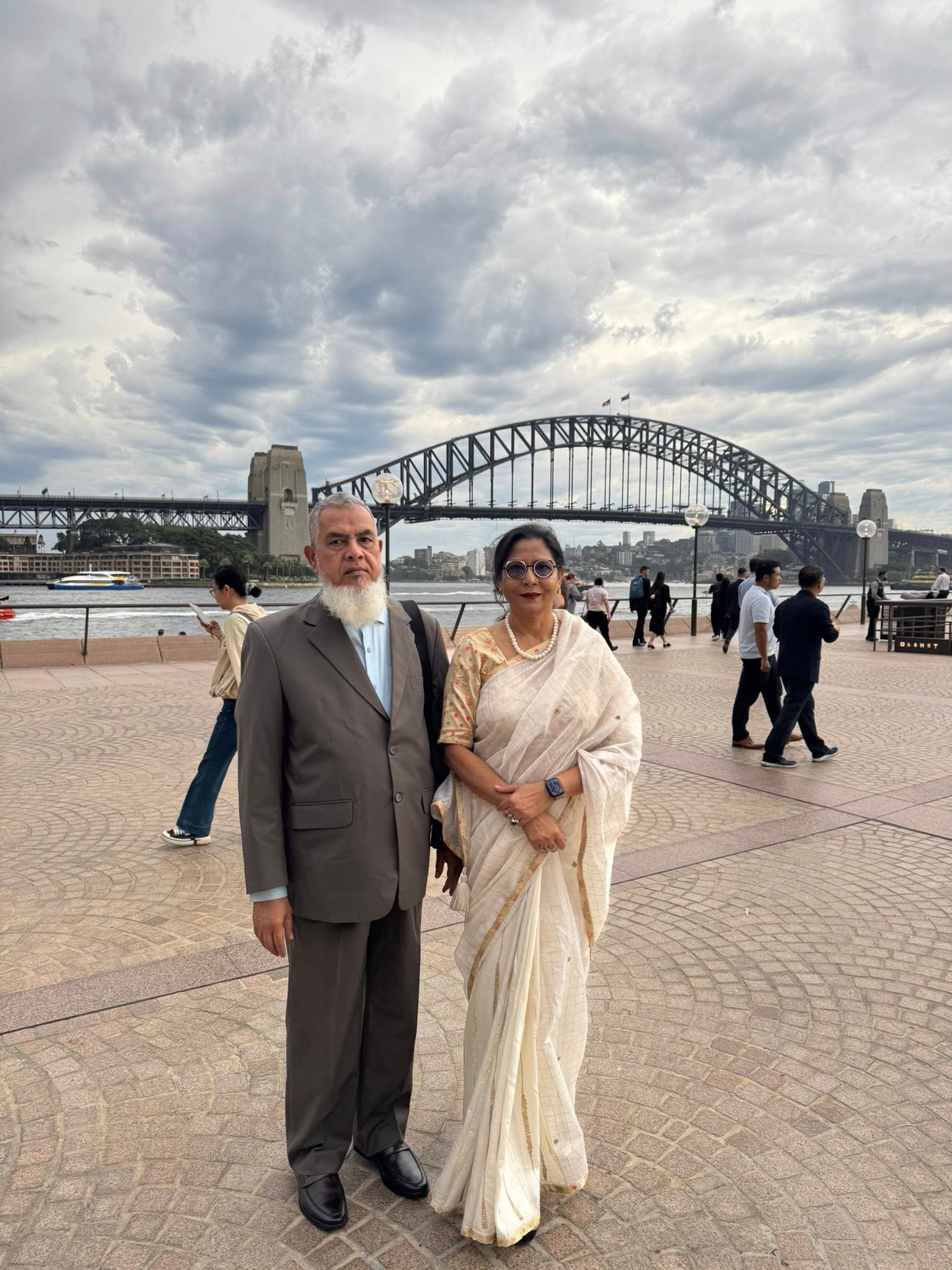
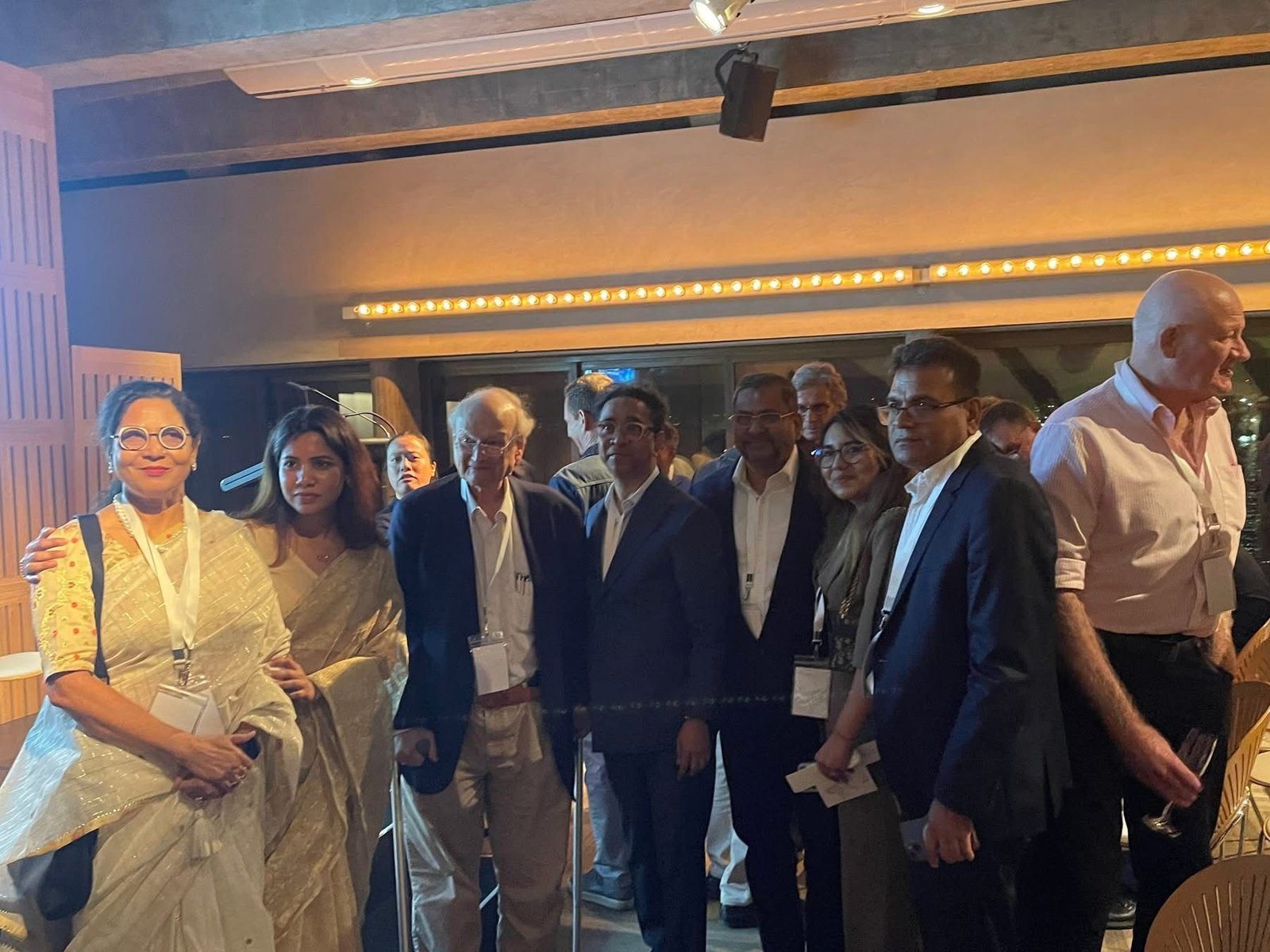
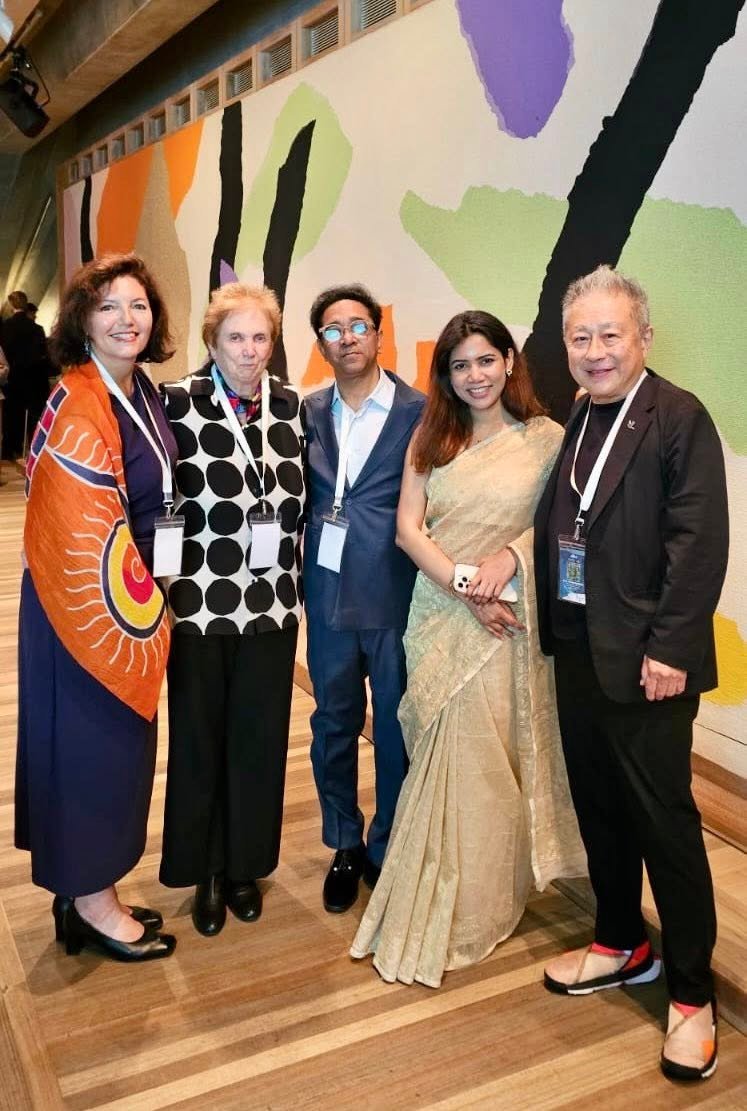
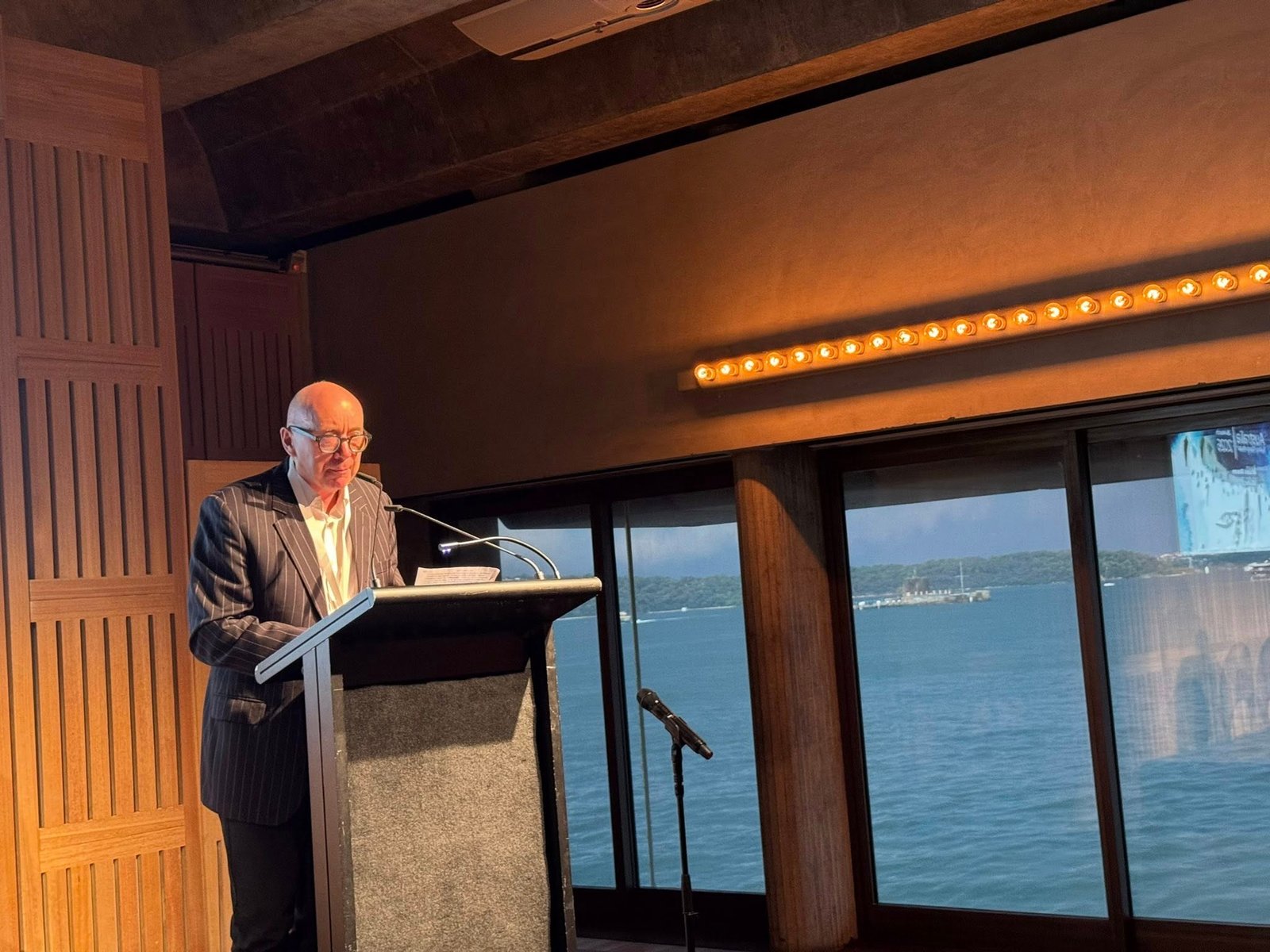
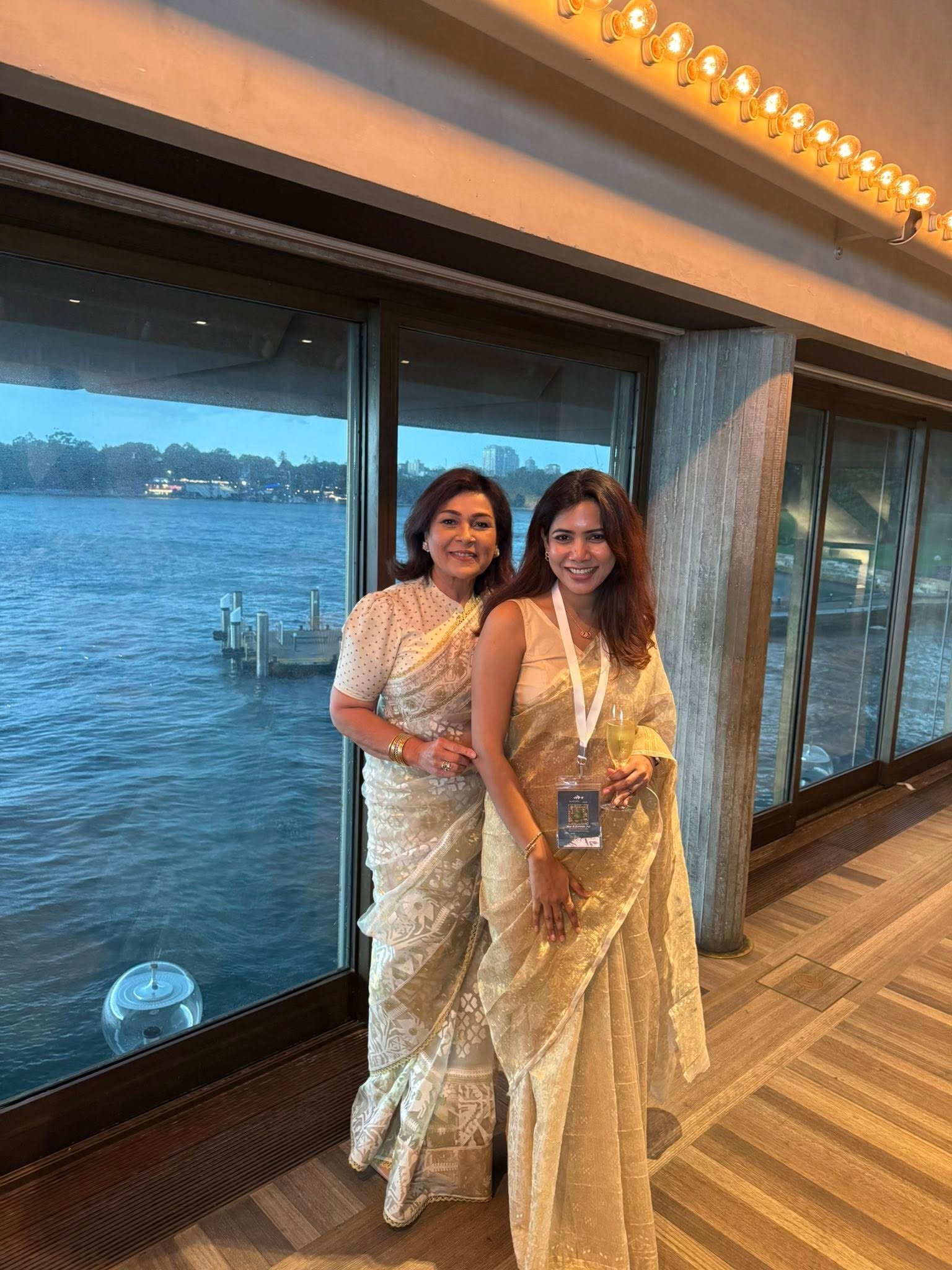
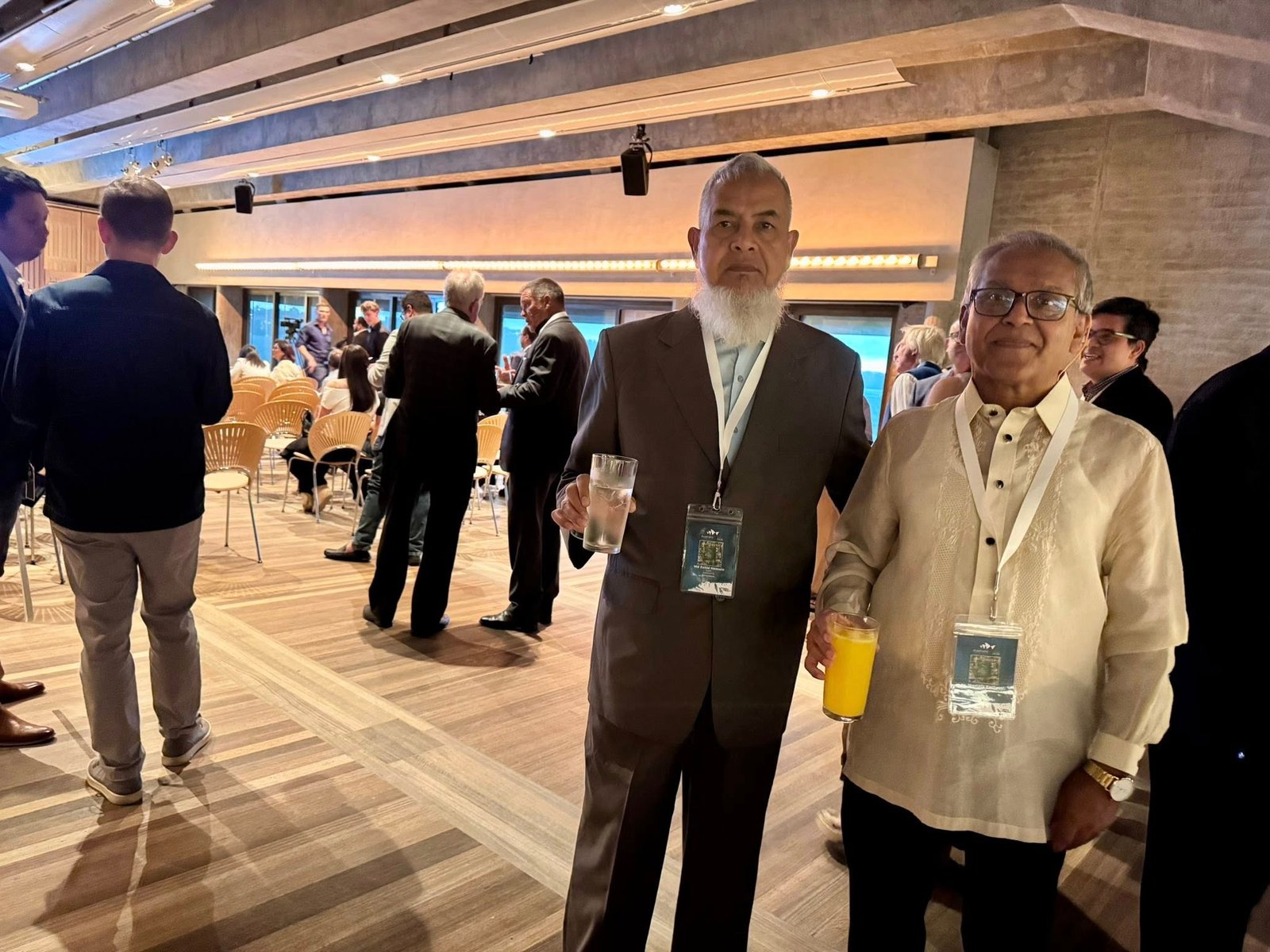
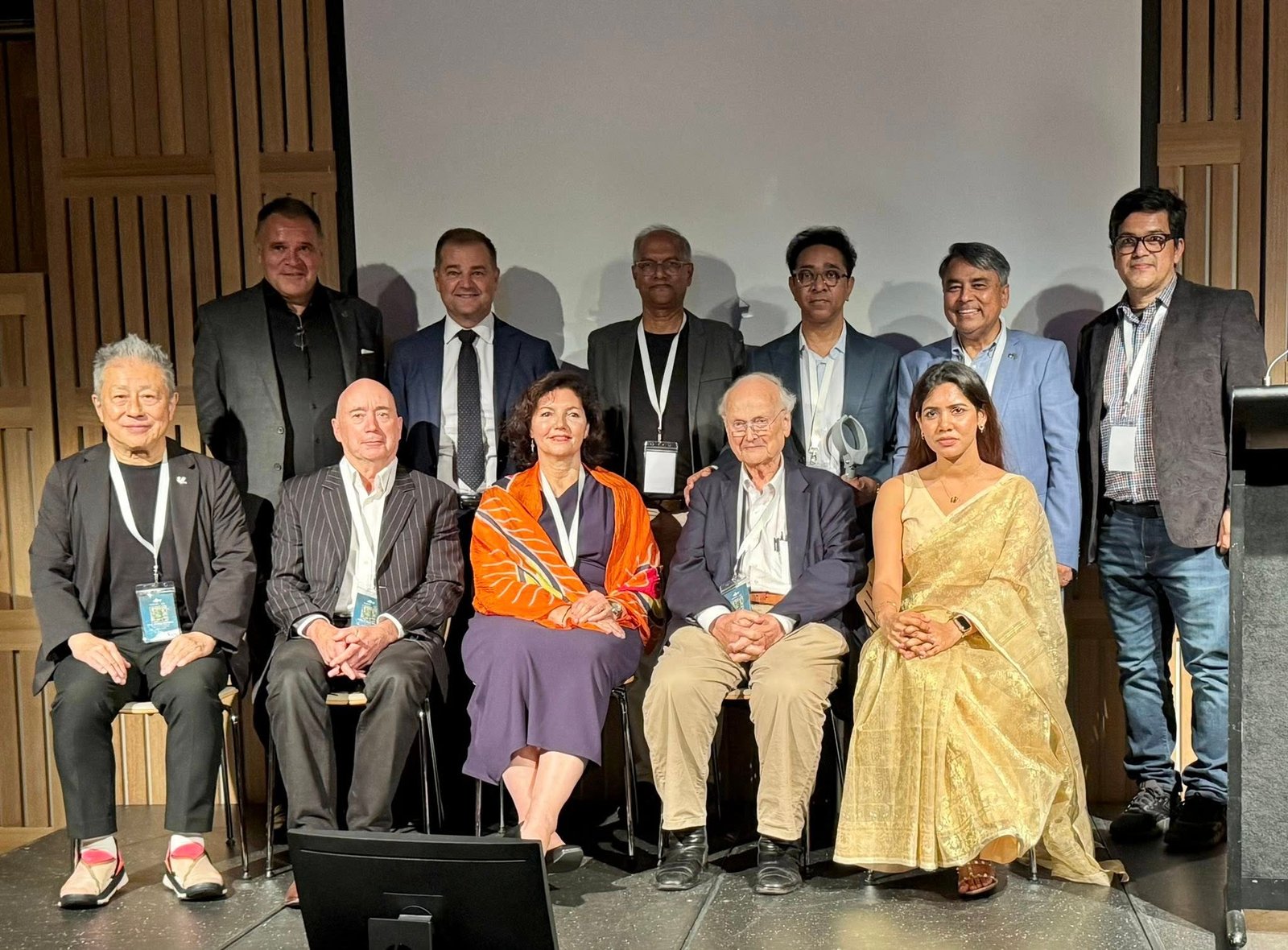
The three-hour program drew an audience of renowned architects, university professors, and other distinguished guests from Australia and across the globe. Set against the dramatic surroundings of the Sydney Opera House, with sweeping harbor views near the Pacific Ocean, the evening carried an atmosphere that attendees described as both intellectually rich and memorable. The venue itself added symbolic resonance: the event was held in the Utzon Room, named for Jørn Utzon, the architect of the Opera House.
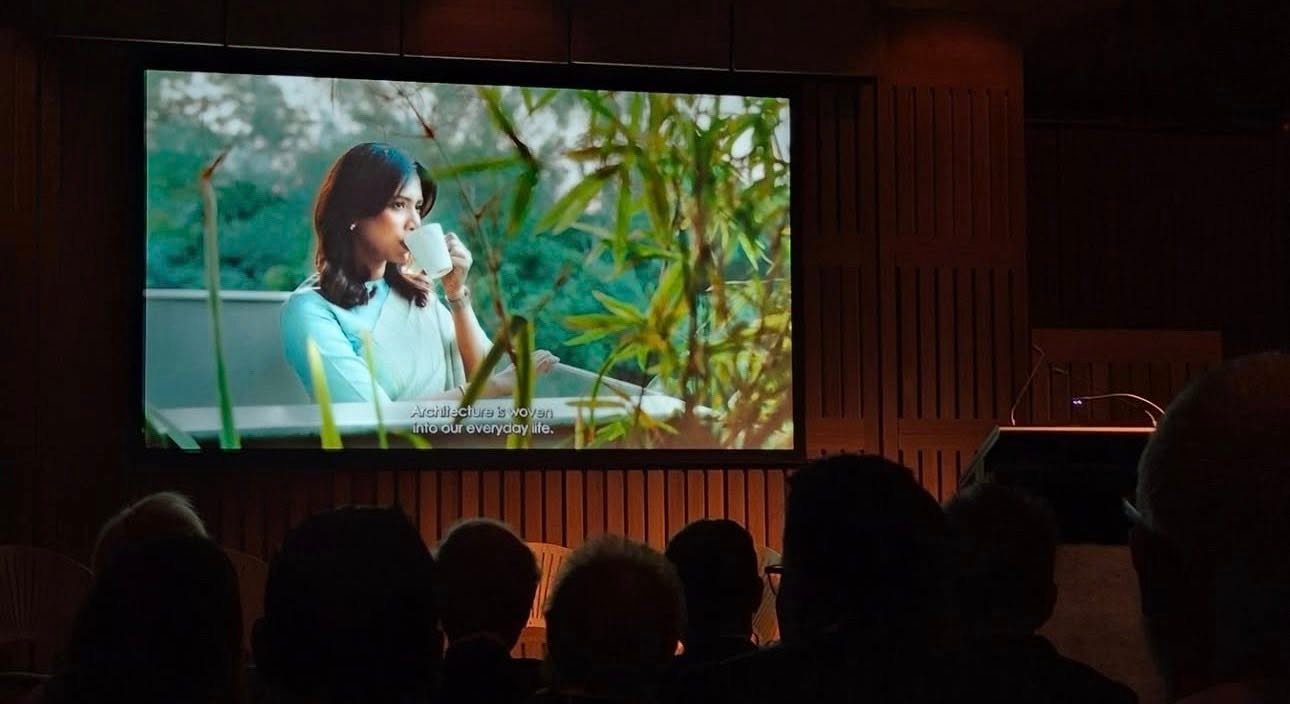
A central focus of the evening was the idea that architecture is not merely about buildings, form, or style, but about human welfare and the public good. Speakers highlighted the evolution of Bangladesh’s architecture, the forward movement of Dhaka’s urban landscape, and the distinctive philosophy behind Rafiq Azam’s work—one rooted in cultural memory, humane design, and social responsibility.
Among the evening’s most notable figures was Glenn Murcutt, the internationally celebrated architect and Pritzker Architecture Prize recipient, whose presence was widely seen as one of the event’s defining moments. Participants expressed hope that the ideas embodied in “Old Dhaka–New Story” would contribute meaningfully to global architectural discourse and deepen public understanding of the relationship between heritage and design.
The program also included a refined social setting, with music, refreshments, and opportunities for conversation among leading intellectuals and design professionals. That blend of scholarship, celebration, and international exchange helped underscore the broader significance of the occasion.
According to information shared at the event, the launch is part of a larger international rollout, with future programs expected in approximately 42 cities across 23 countries, including Tokyo. That ambitious schedule signals that “Old Dhaka–New Story” is more than a book launch—it is part of a growing global conversation about architecture, identity, and the human purpose of design.
By the close of the evening, the message was clear: a story rooted in Old Dhaka had found a powerful global audience in Sydney, and its journey is only beginning.
For more blogs, visit nyn.press