William Henry :
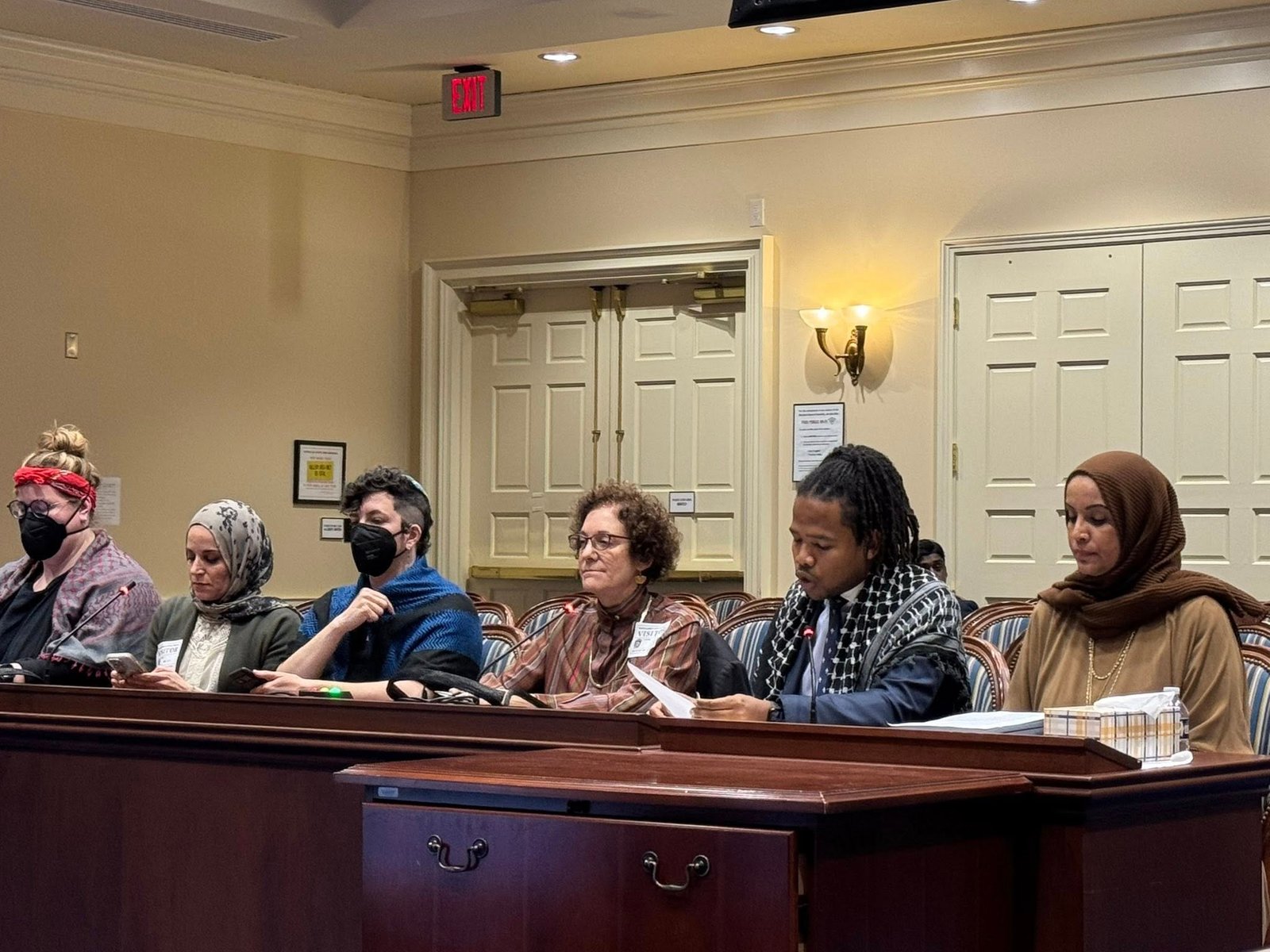
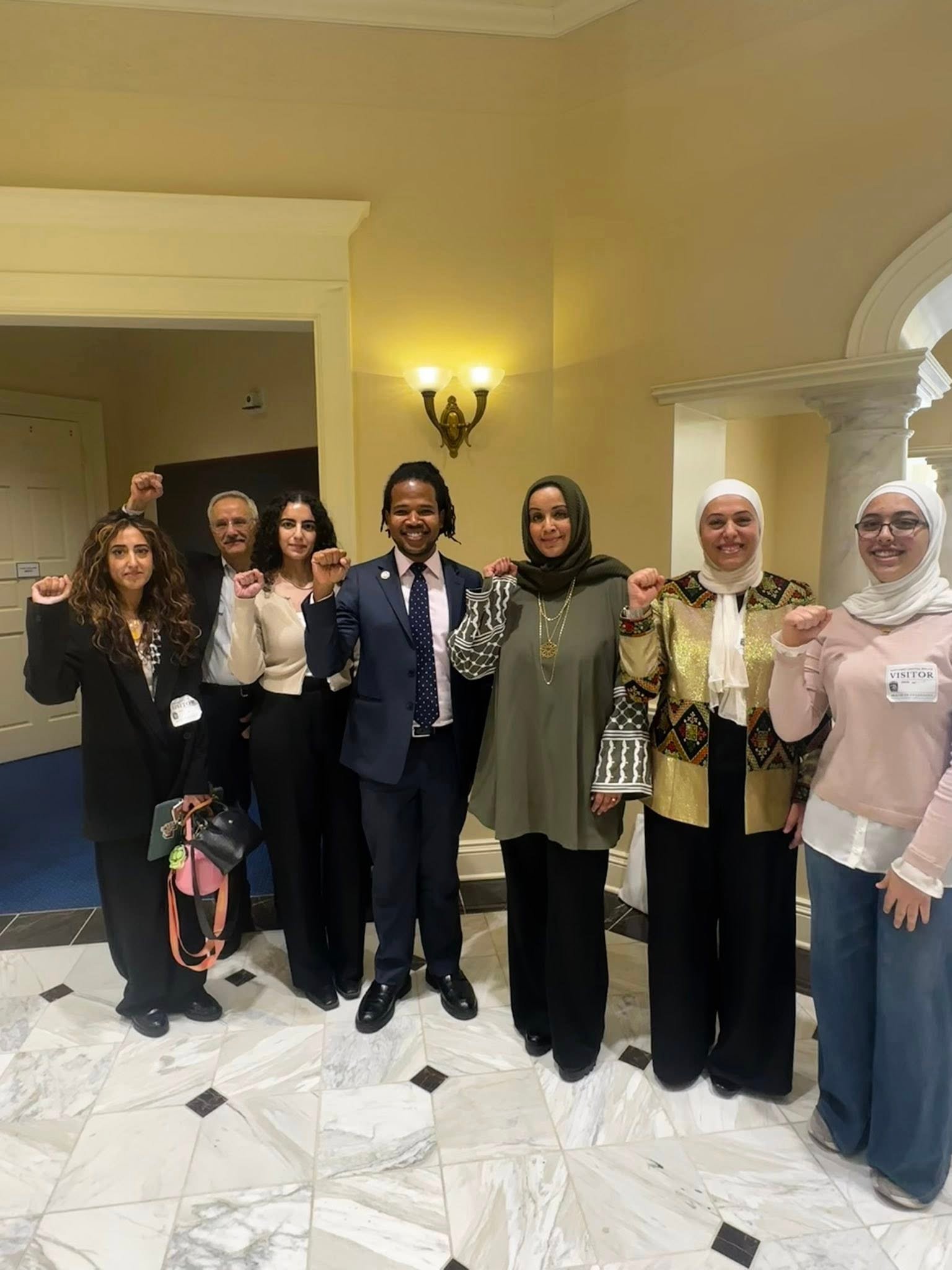
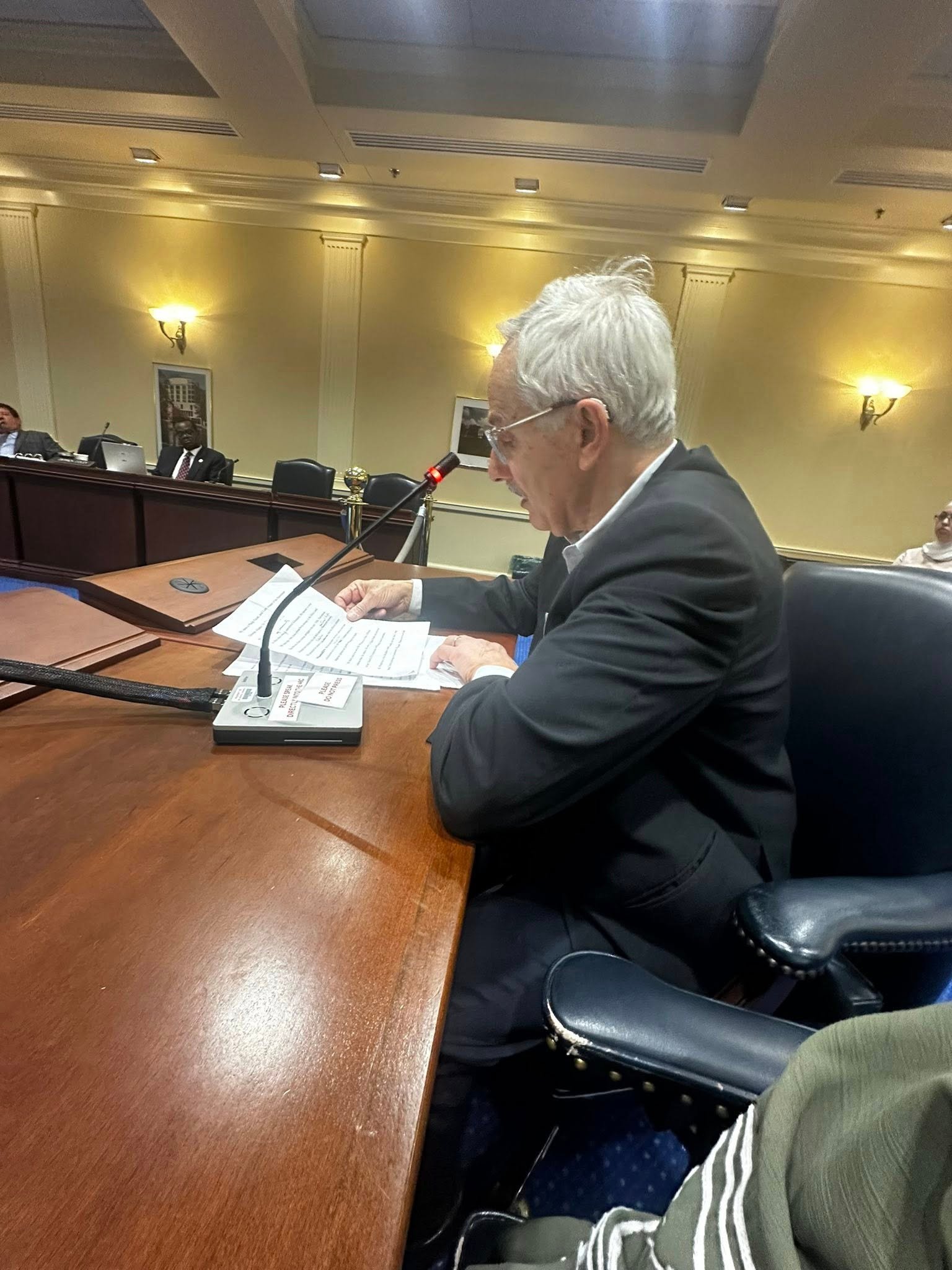
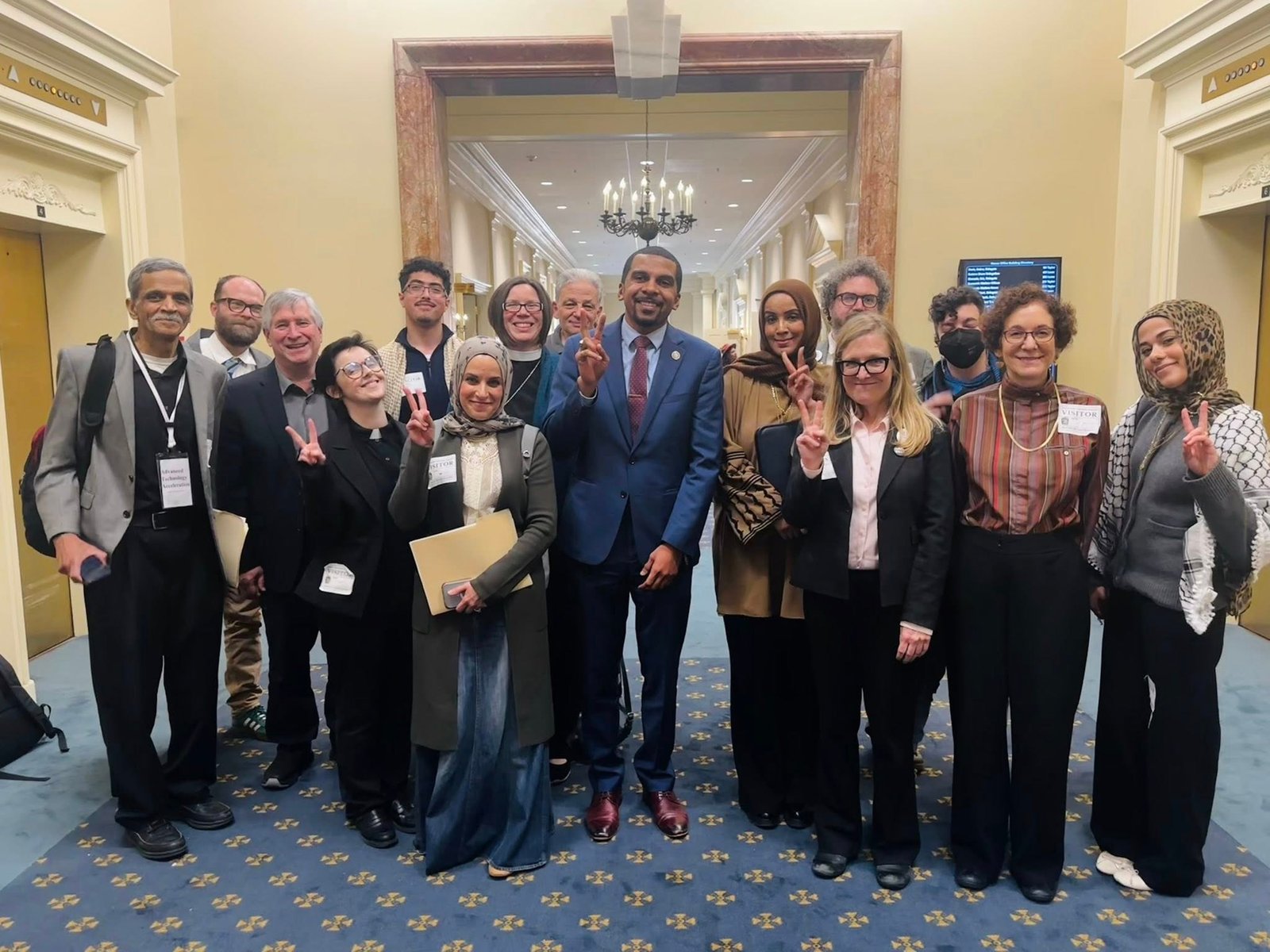
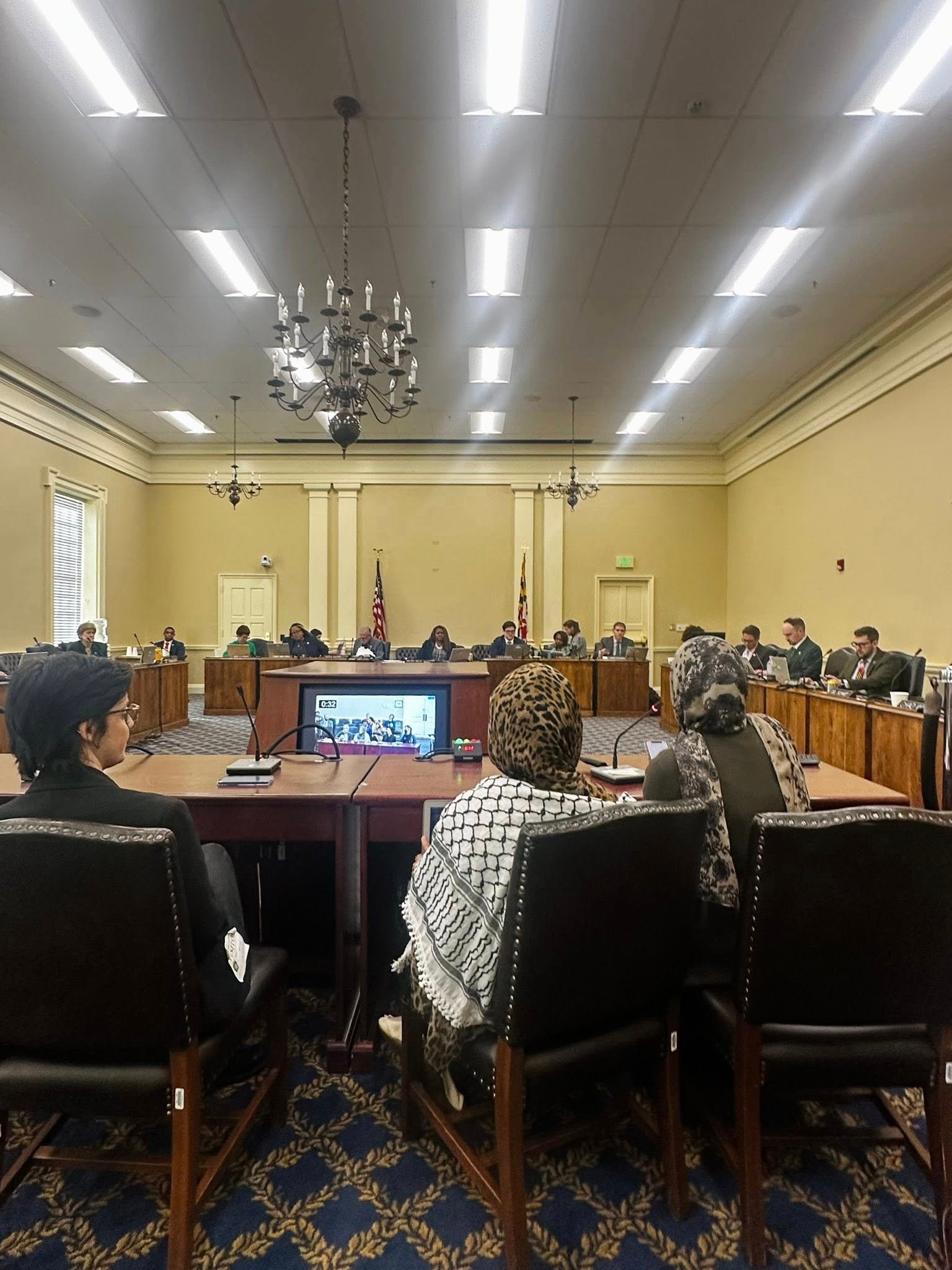
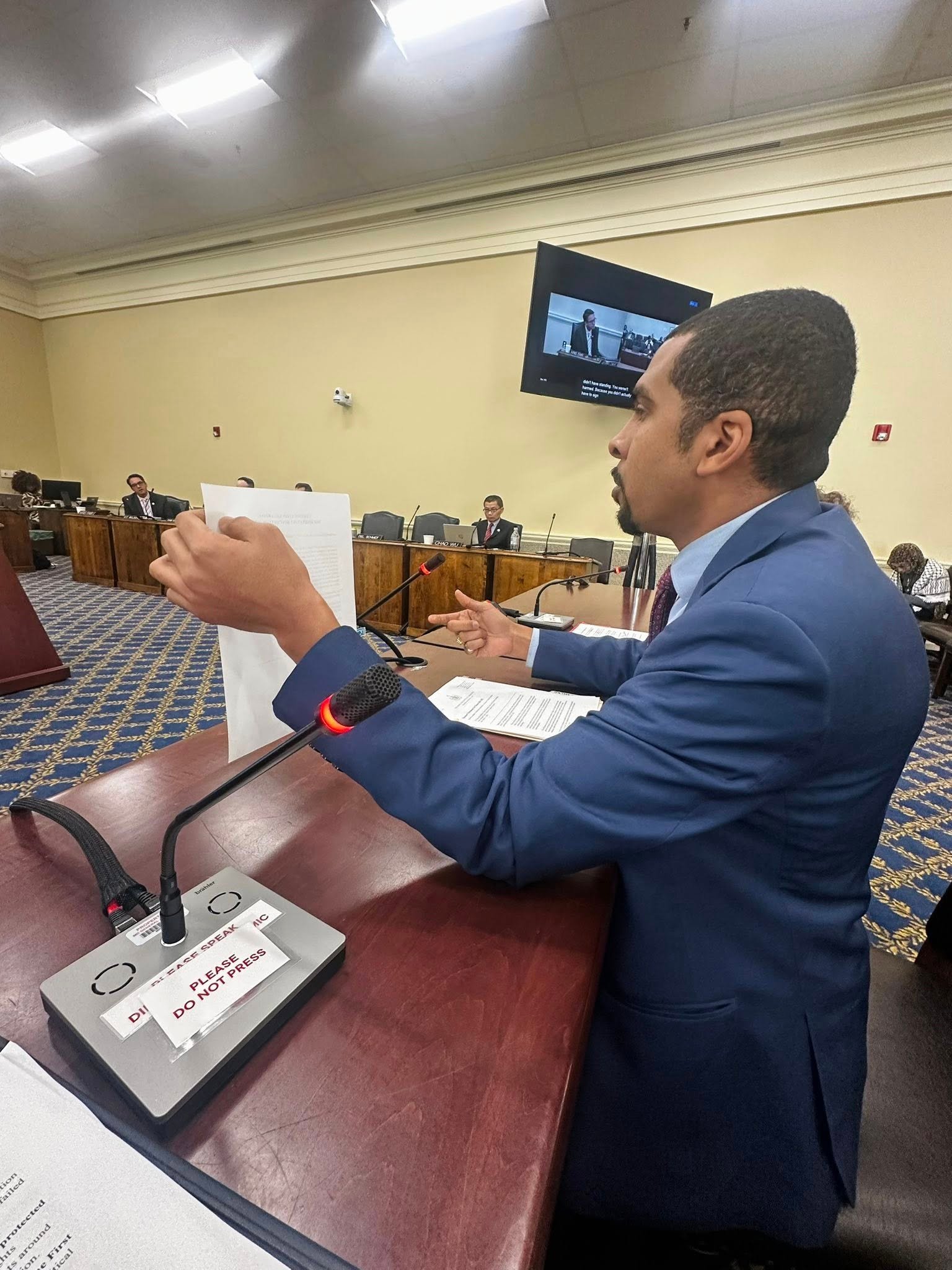
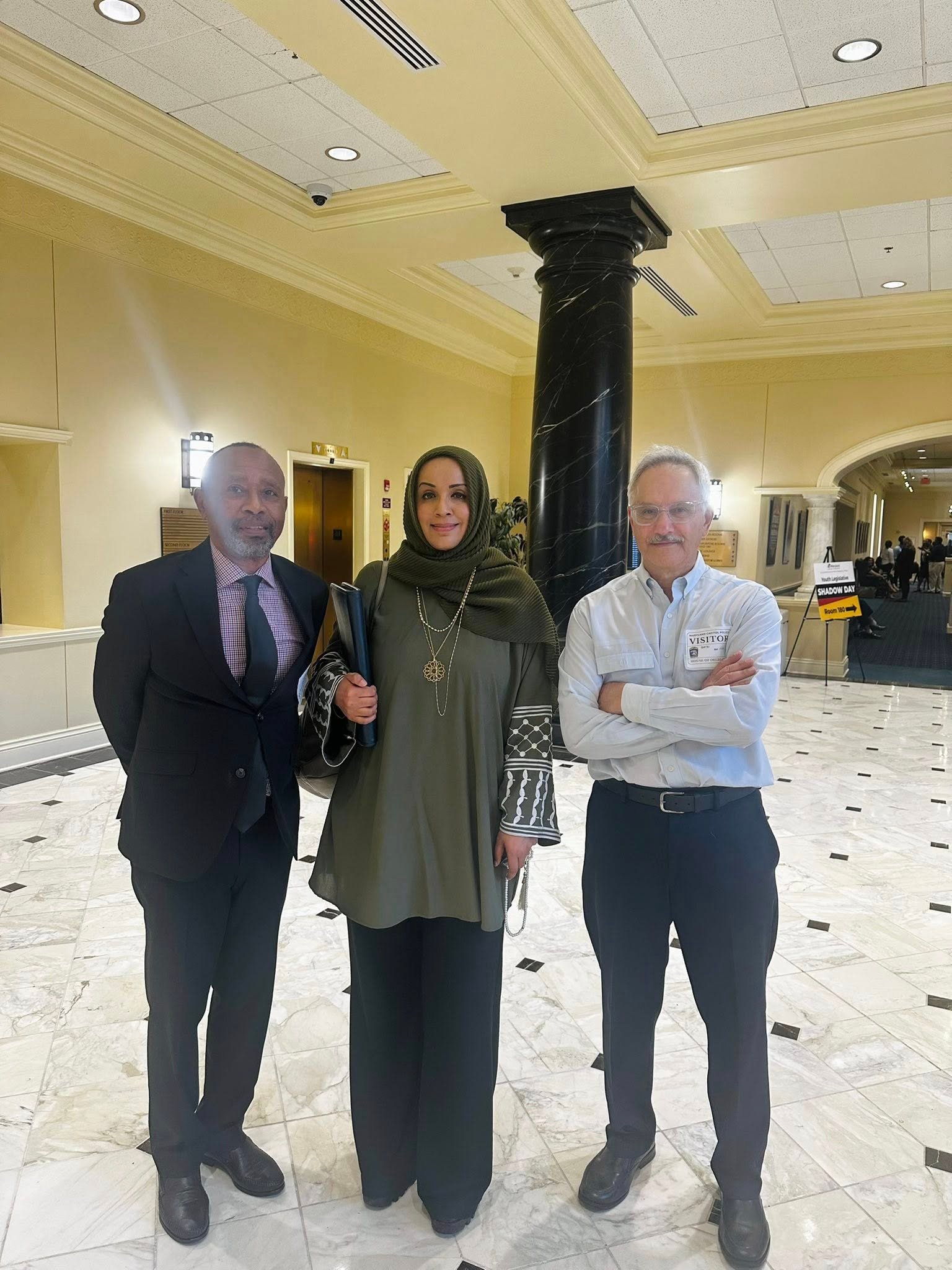
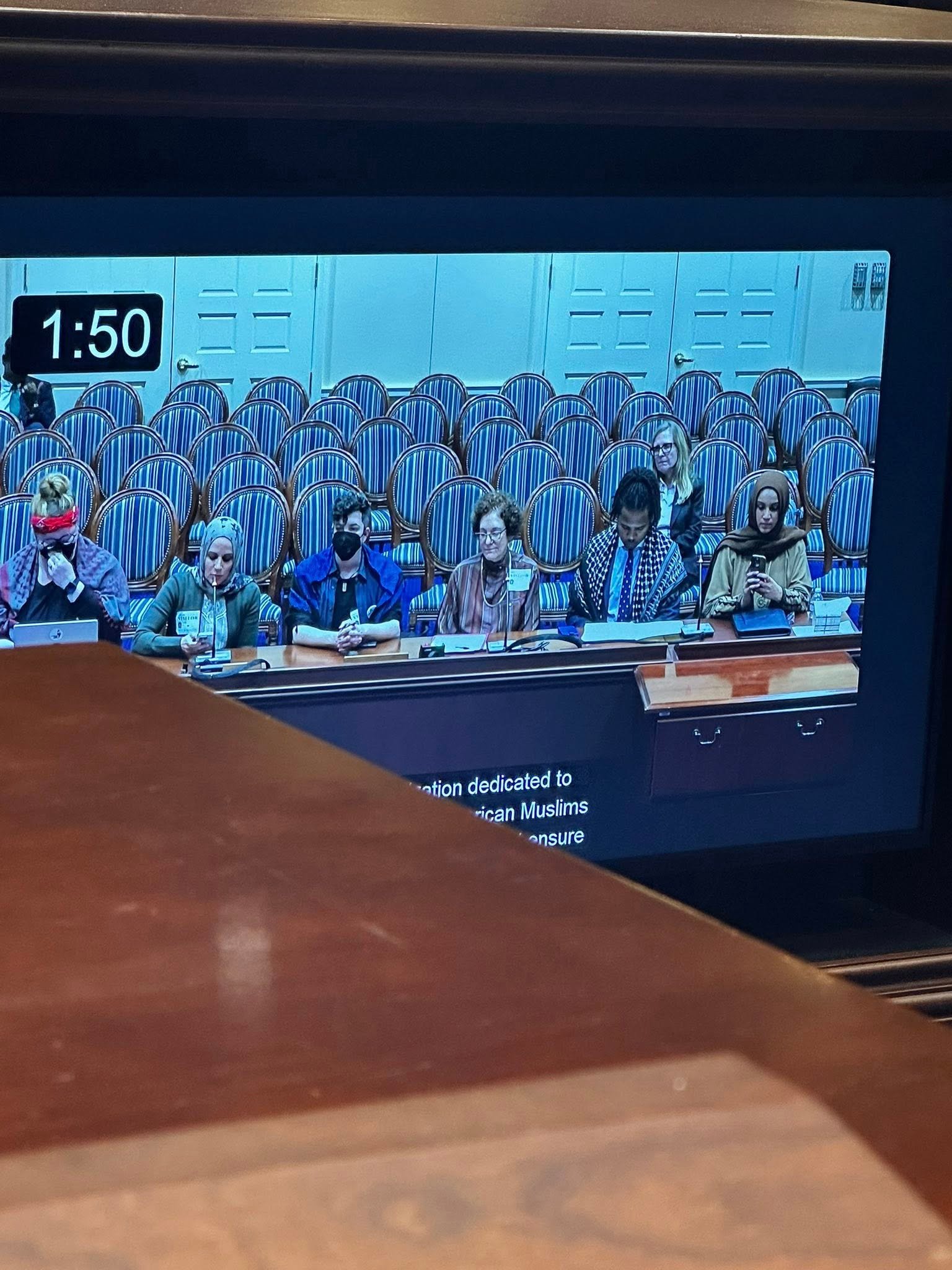
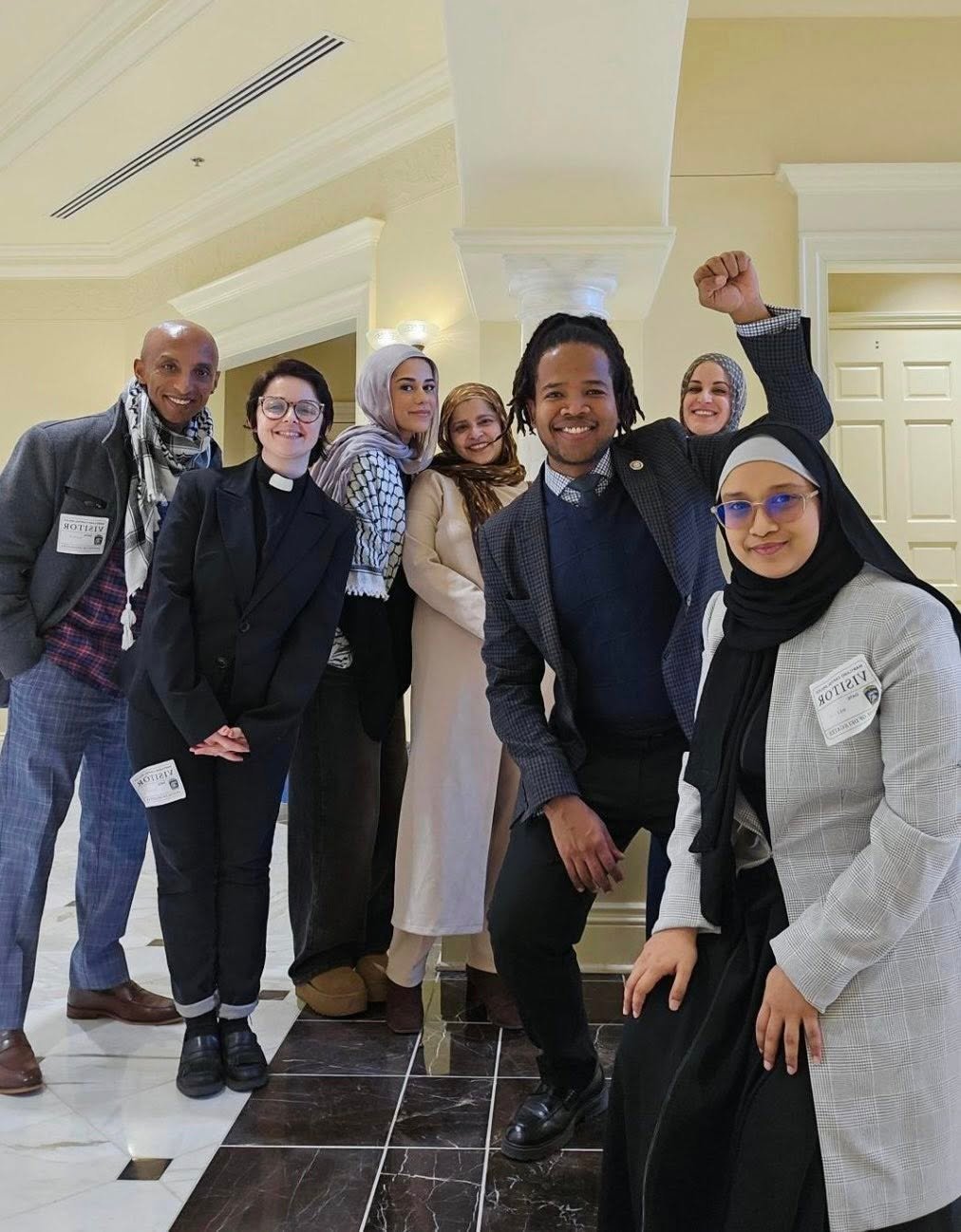
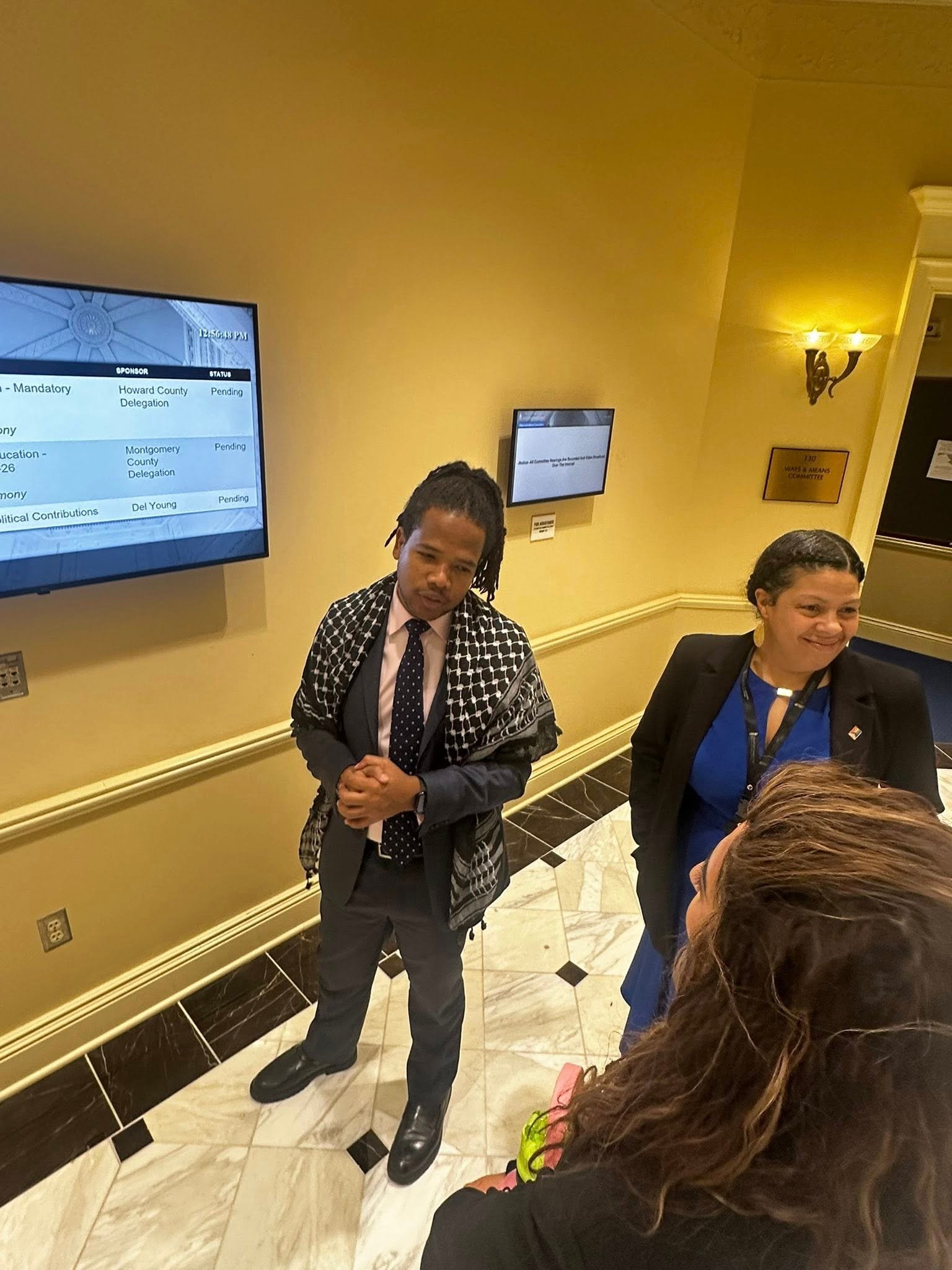
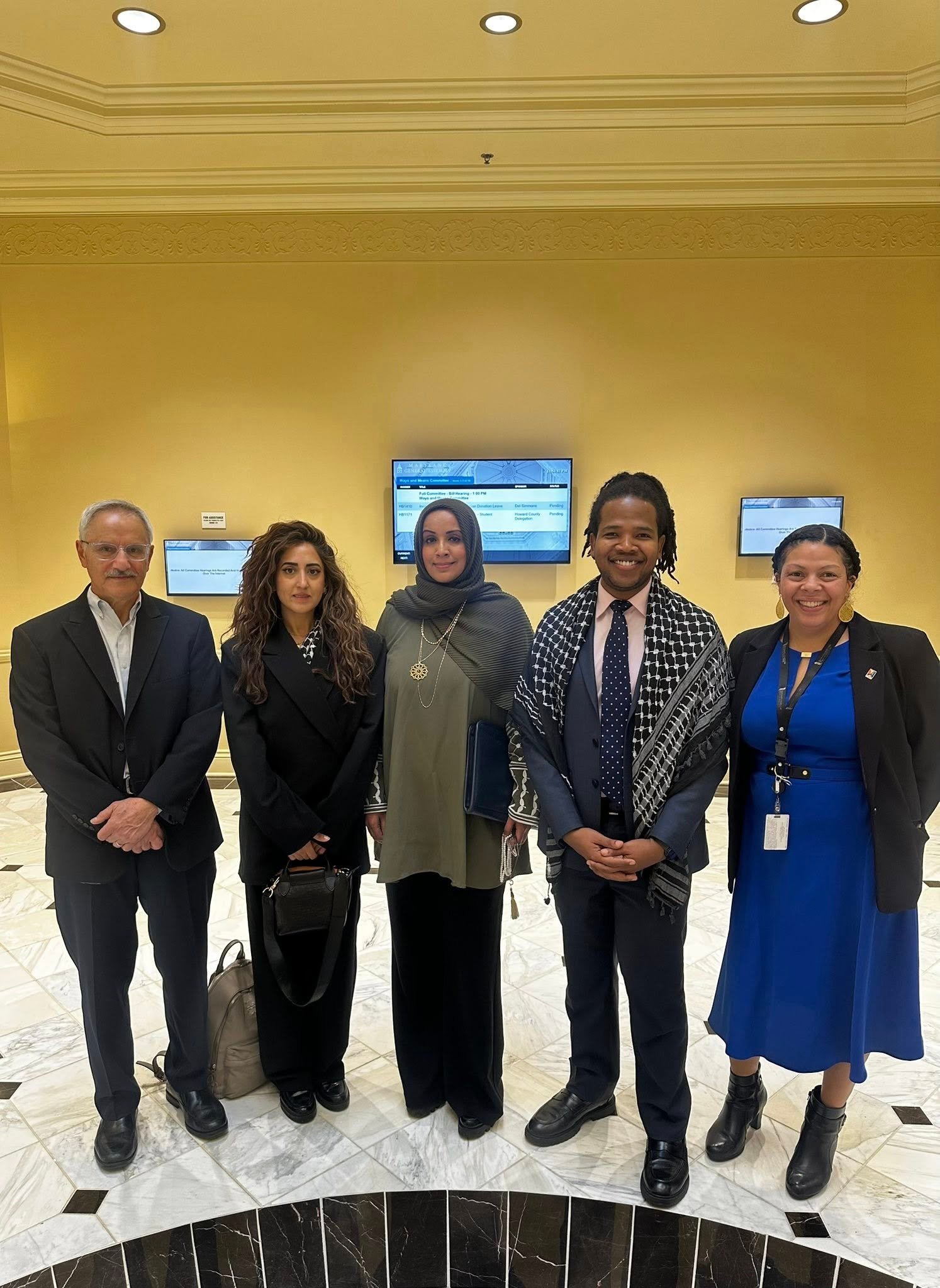
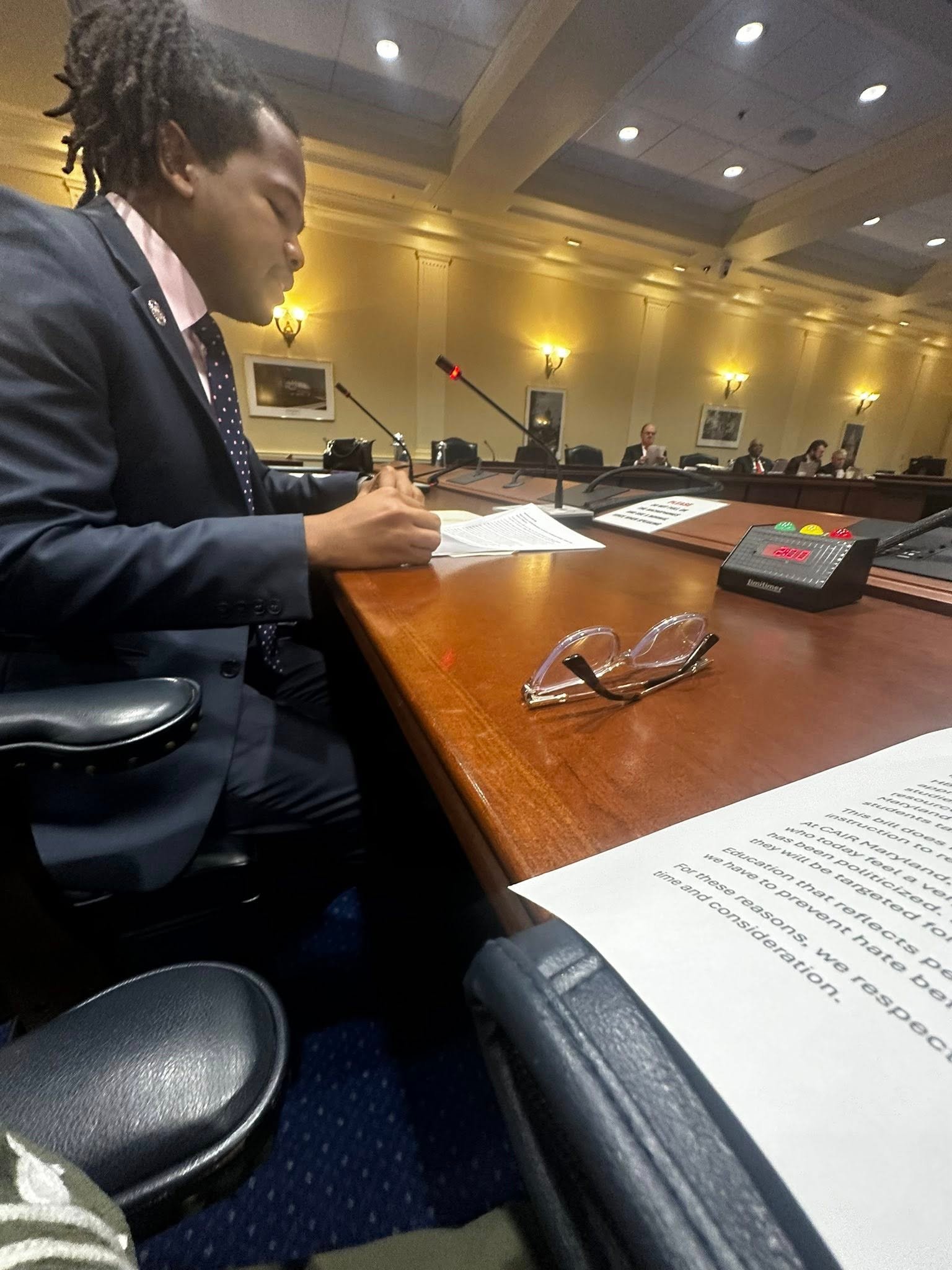
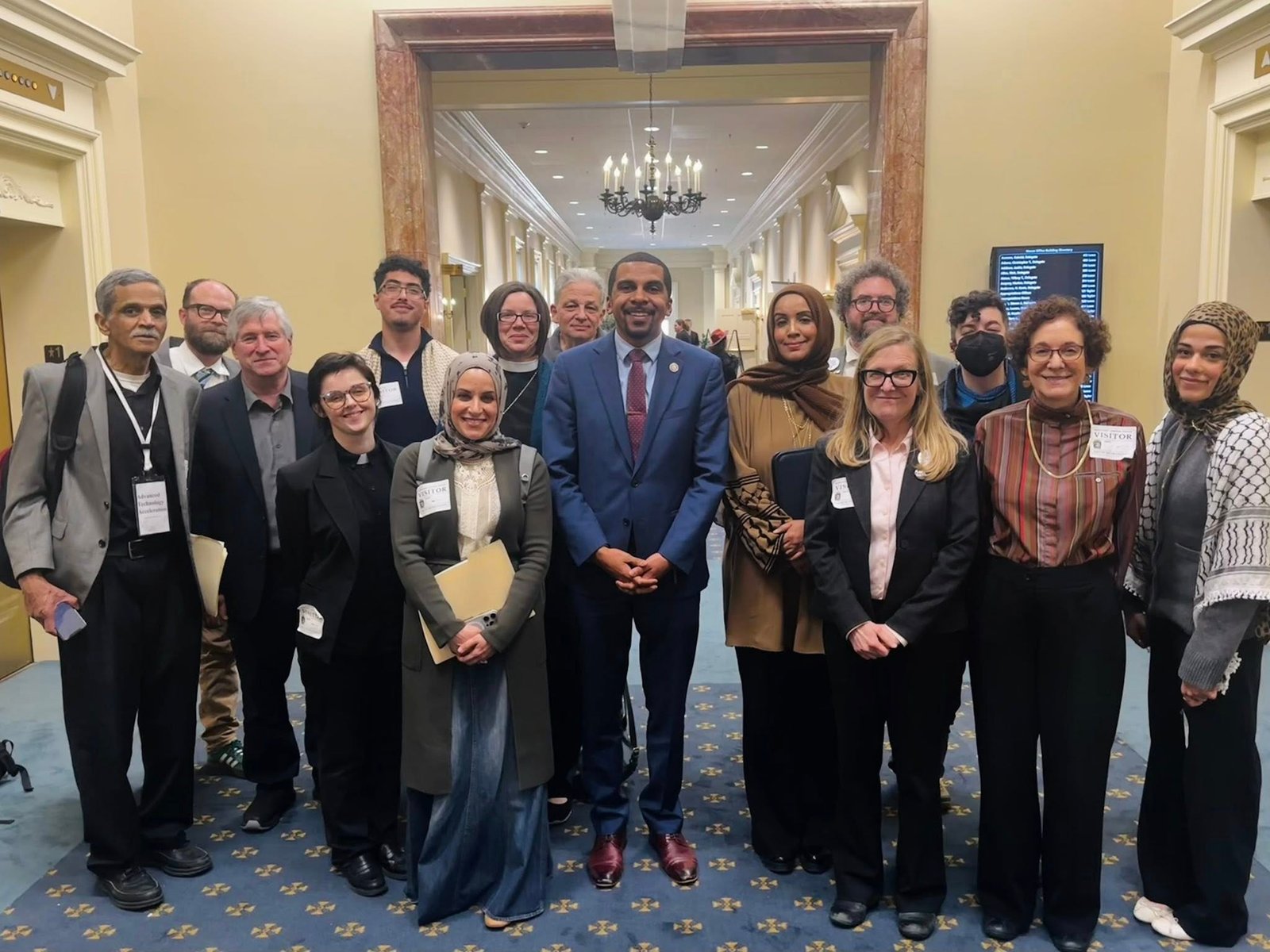
During a demanding week at the Maryland State House in Annapolis, advocates, faith leaders, and community organizers gathered for a marathon Palestine Advocacy Week, testifying on a series of legislative proposals related to Palestinian rights and broader international human rights concerns. The effort unfolded during the ongoing Maryland legislative session, with many participants balancing long hours of civic engagement with the spiritual commitments of Ramadan.
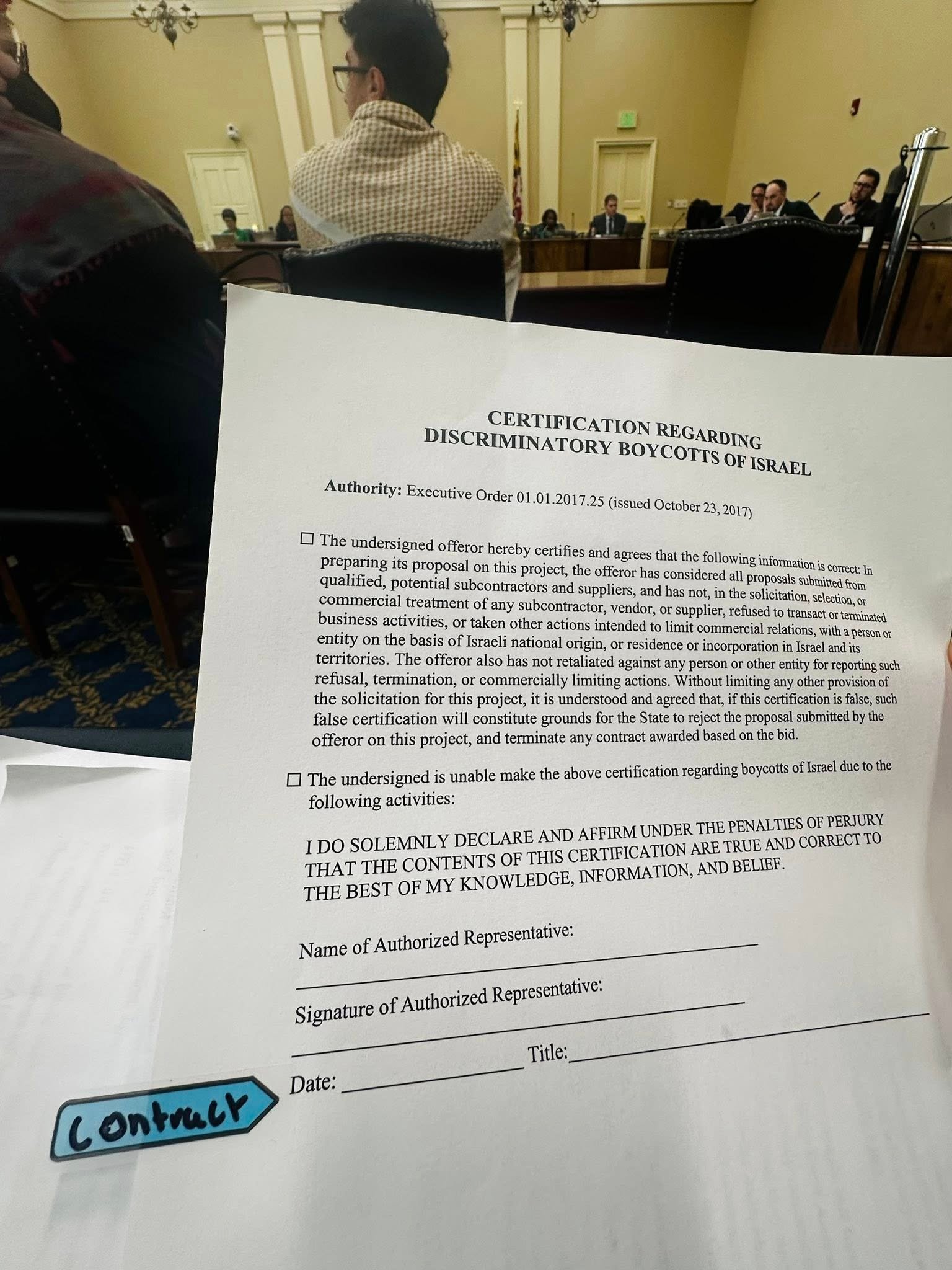
Advocates addressed lawmakers on several proposed bills, including measures aimed at repealing Maryland’s anti-BDS executive order, introducing Palestinian culture and history into public education, and ending state funding for Maryland nonprofits that support illegal Israeli settlements. Another proposal called on the state to formally condemn what advocates described as genocide in Gaza, Sudan, and Congo.
The hearings stretched late into the evening, at times running past the traditional sunset moment when Muslims break their fast during Ramadan. Participants described the legislative schedule as intense even under normal circumstances. “The legislative session is grueling. Legislative session during Ramadan is next level grueling,” one advocate noted, reflecting on the challenge of maintaining advocacy efforts while fasting throughout the day.
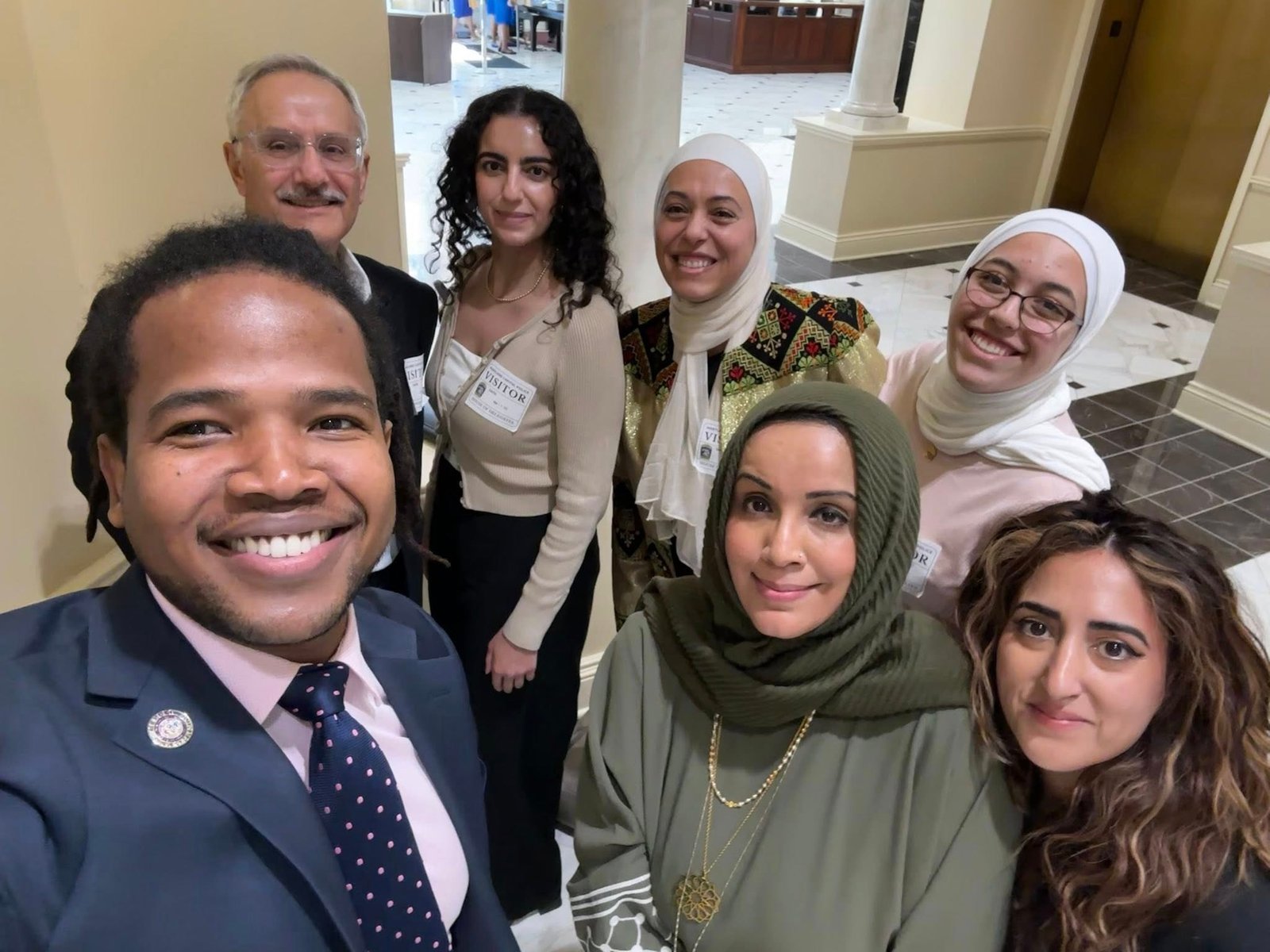
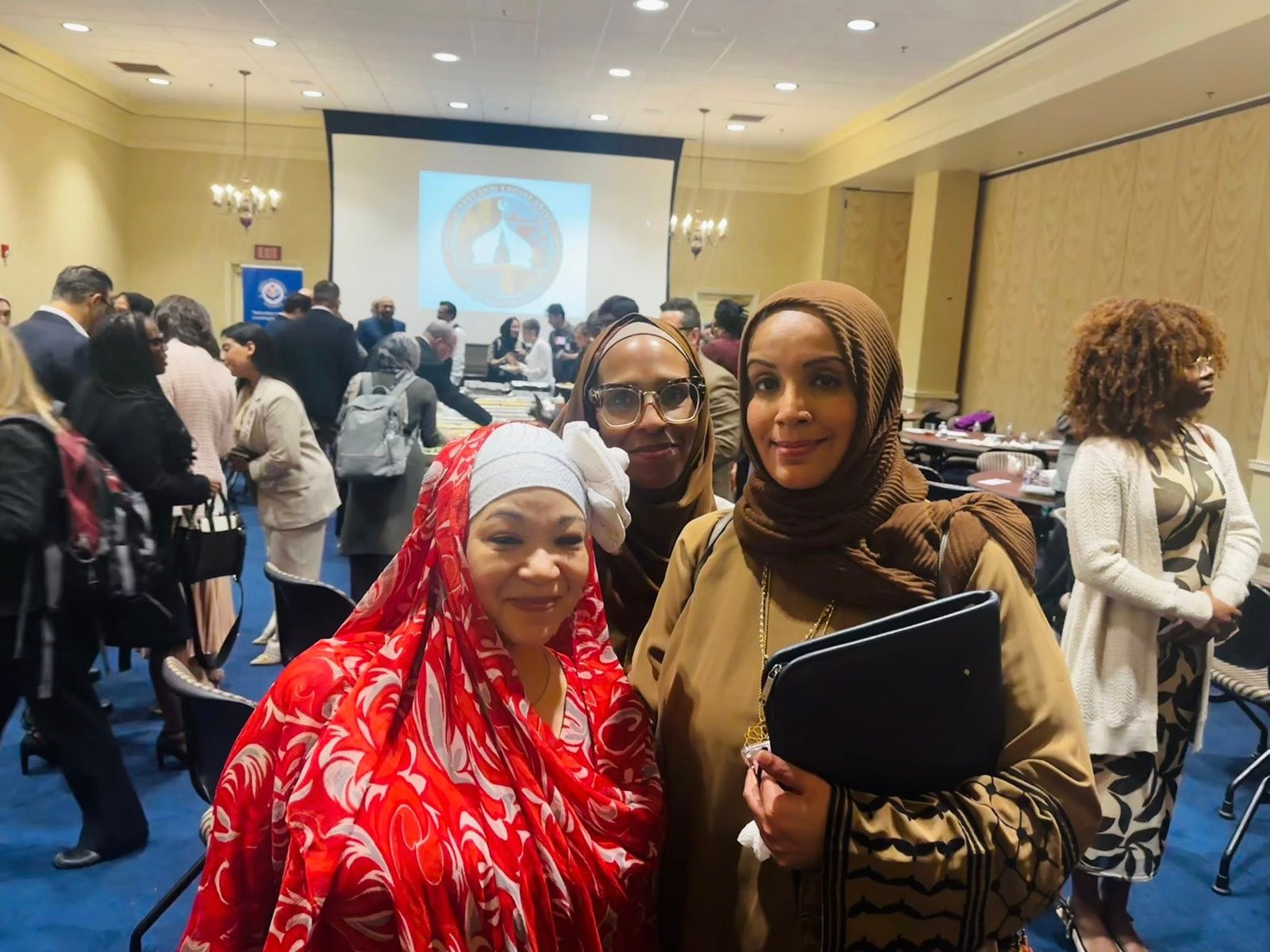
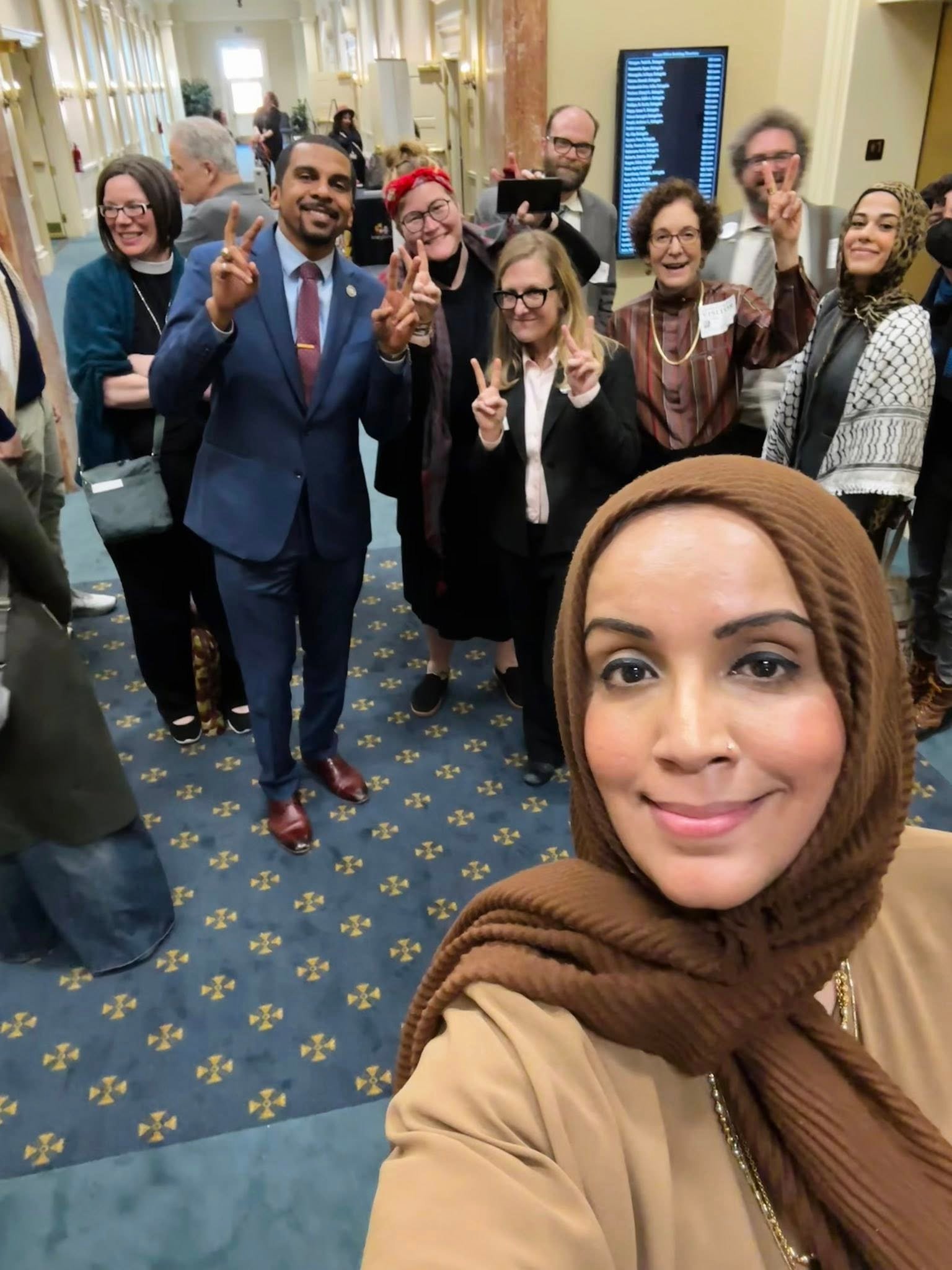
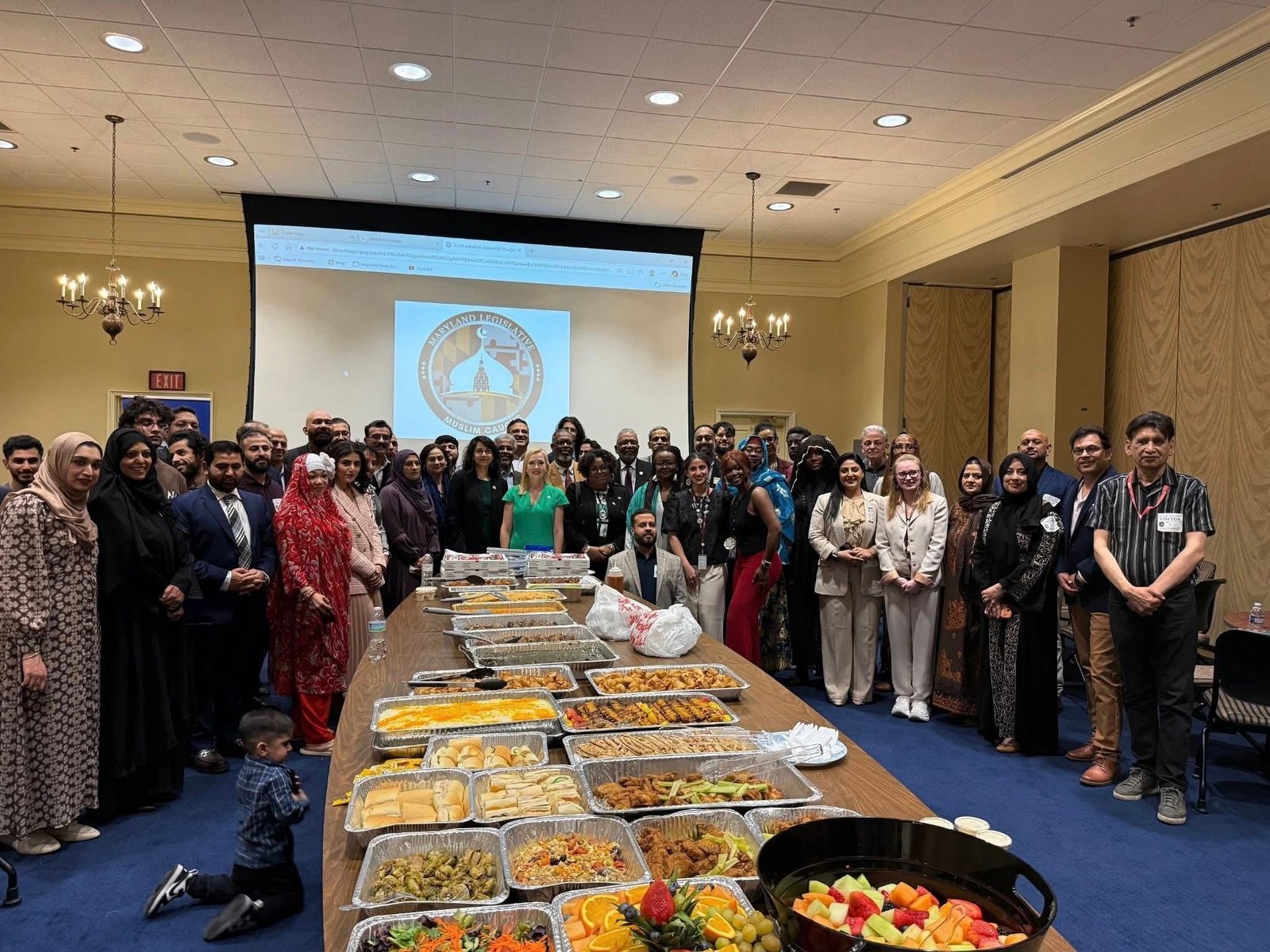
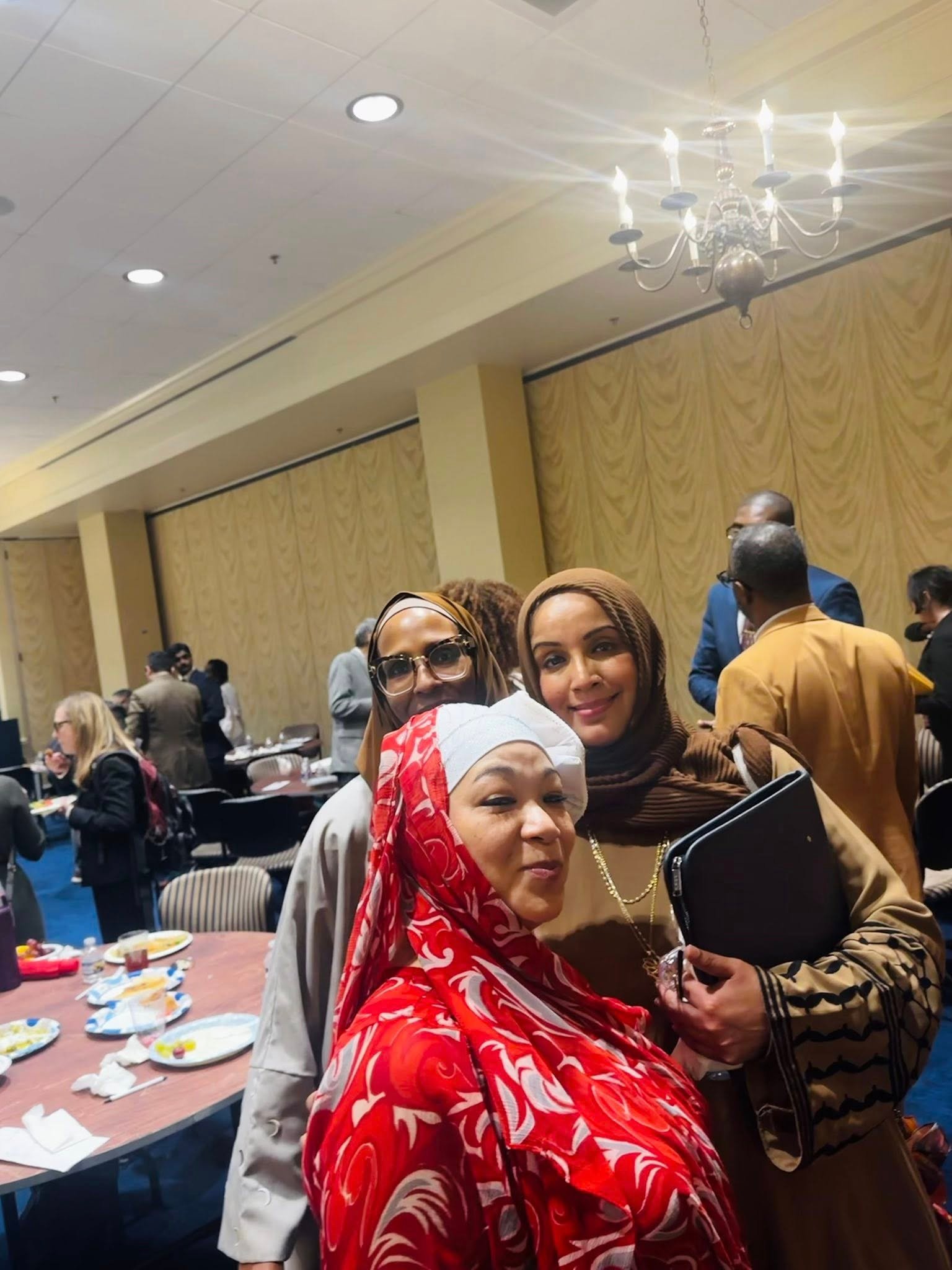
Recognizing the circumstances, members of the Legislative Muslim Caucus and the Women’s Caucus organized an evening iftar for those participating in the hearings. The gathering provided a brief but meaningful pause in the day’s proceedings, offering activists, lawmakers, and supporters a moment of community and reflection before continuing their work.
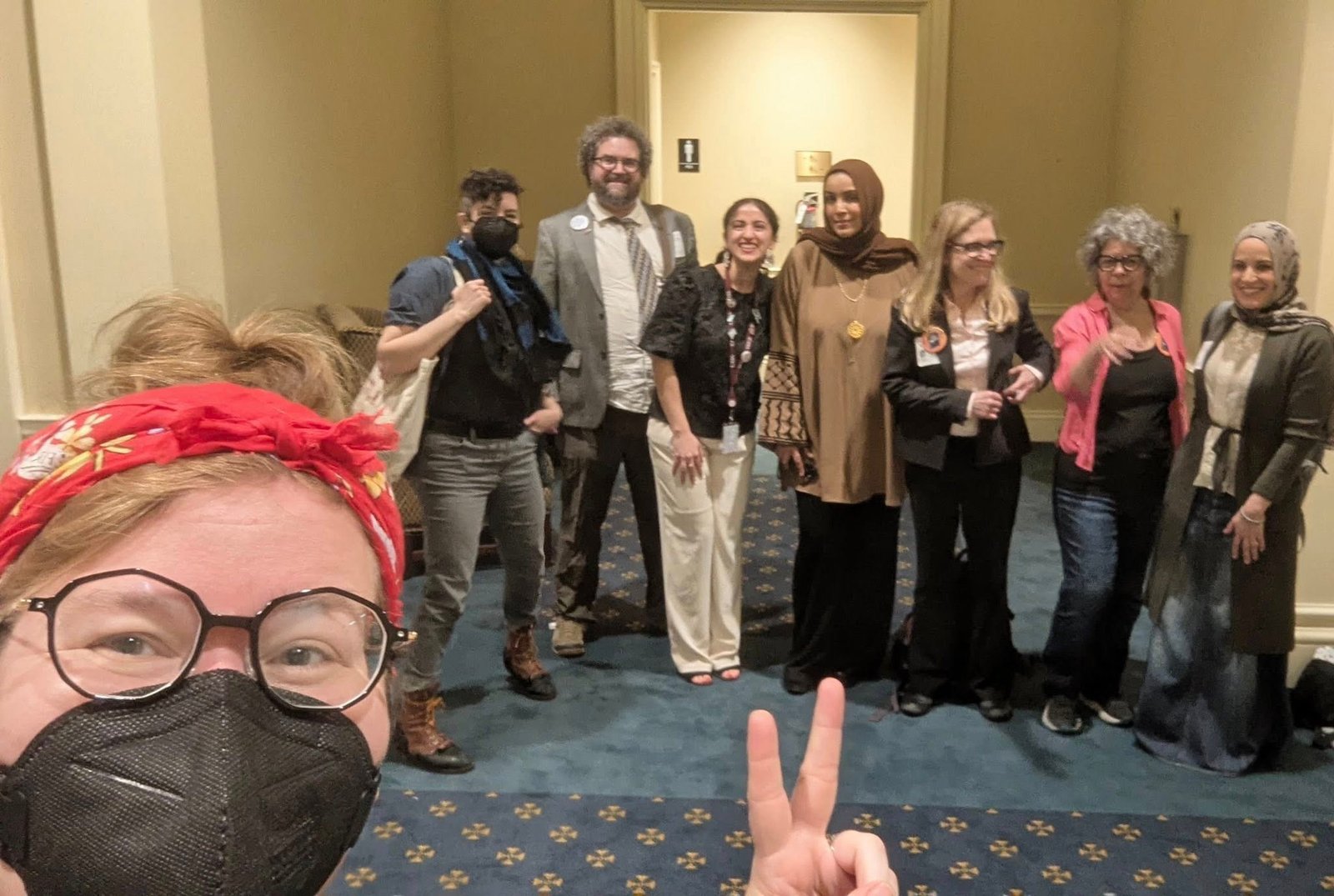
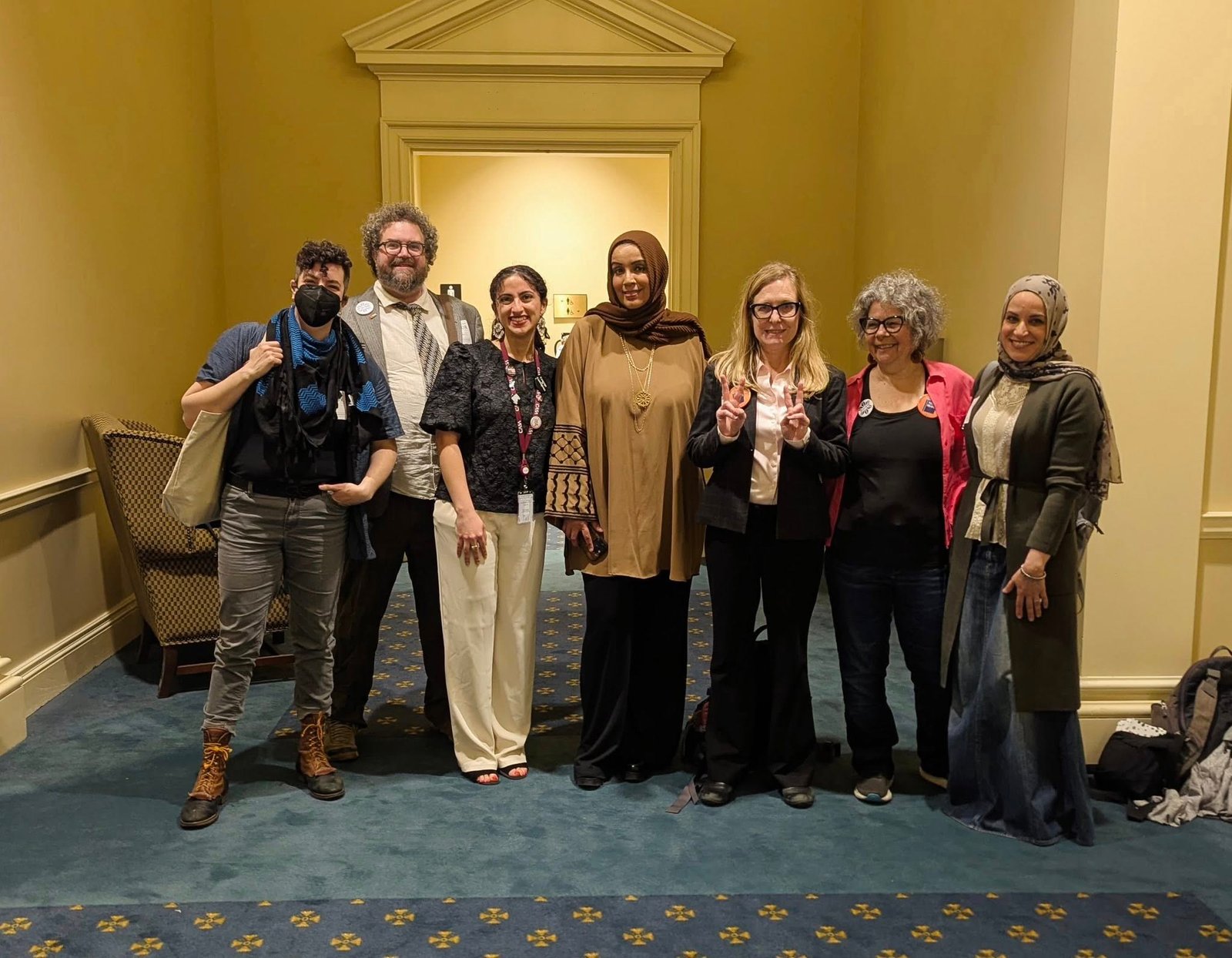
A notable feature of the advocacy effort was the diversity of voices supporting the legislation. Witnesses included Jewish, Christian, and Muslim advocates, highlighting what participants described as a growing interfaith coalition advocating for human rights and accountability. Many additional supporters contributed testimony through virtual participation or written submissions.
For many involved, the advocacy carried both political and spiritual significance. Activists described balancing civic responsibility with personal faith, especially during the final nights of Ramadan. “These moments of gathering remind us that solidarity is something we practice with one another every day,” one participant reflected, emphasizing that the work itself can be seen as a form of devotion and service.
As the hearings concluded for the day, advocates expressed determination to continue pushing for legislative action. Their message remained consistent throughout the week: justice, dignity, and accountability are non-negotiable, and the coalition supporting those principles continues to grow.
For more blogs, visit nyn.press