Marcos Alonso :
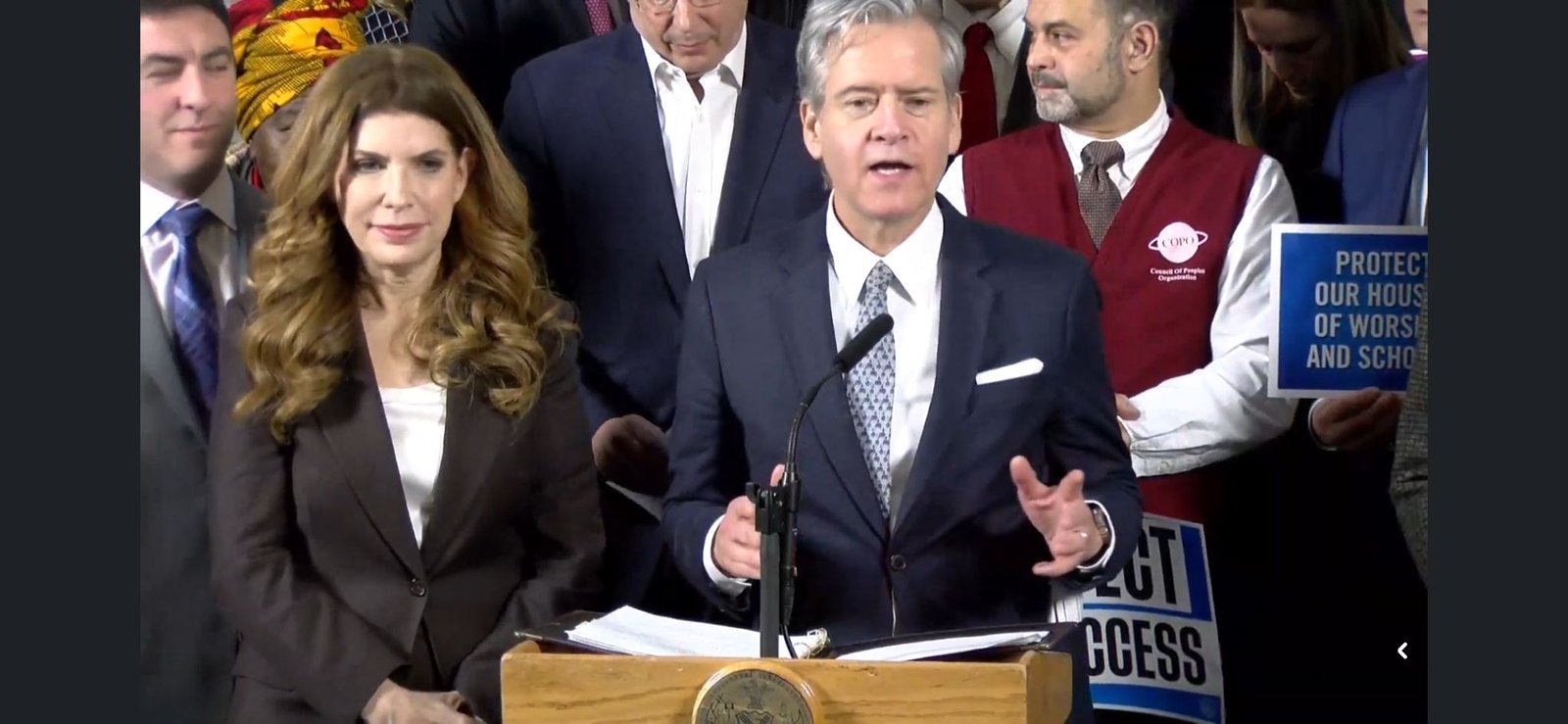
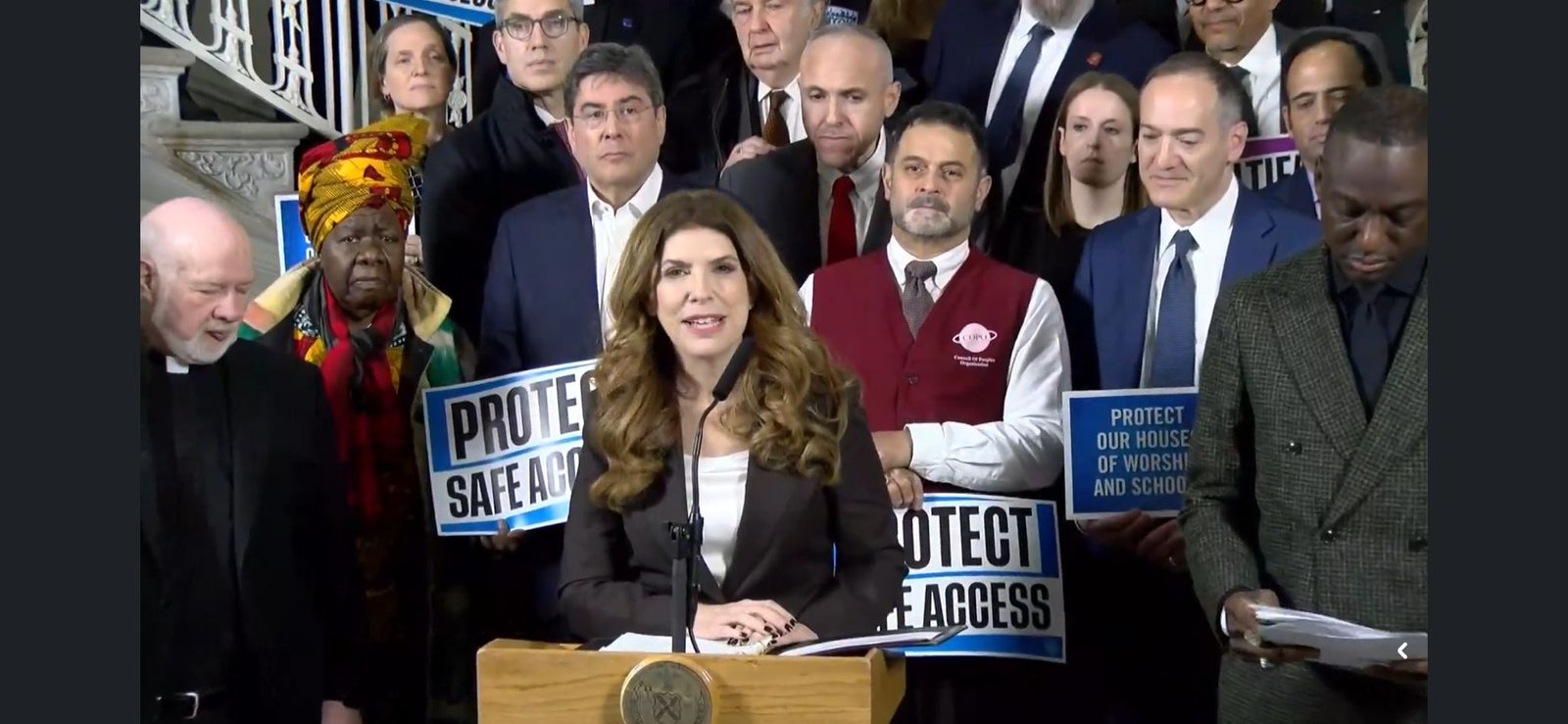
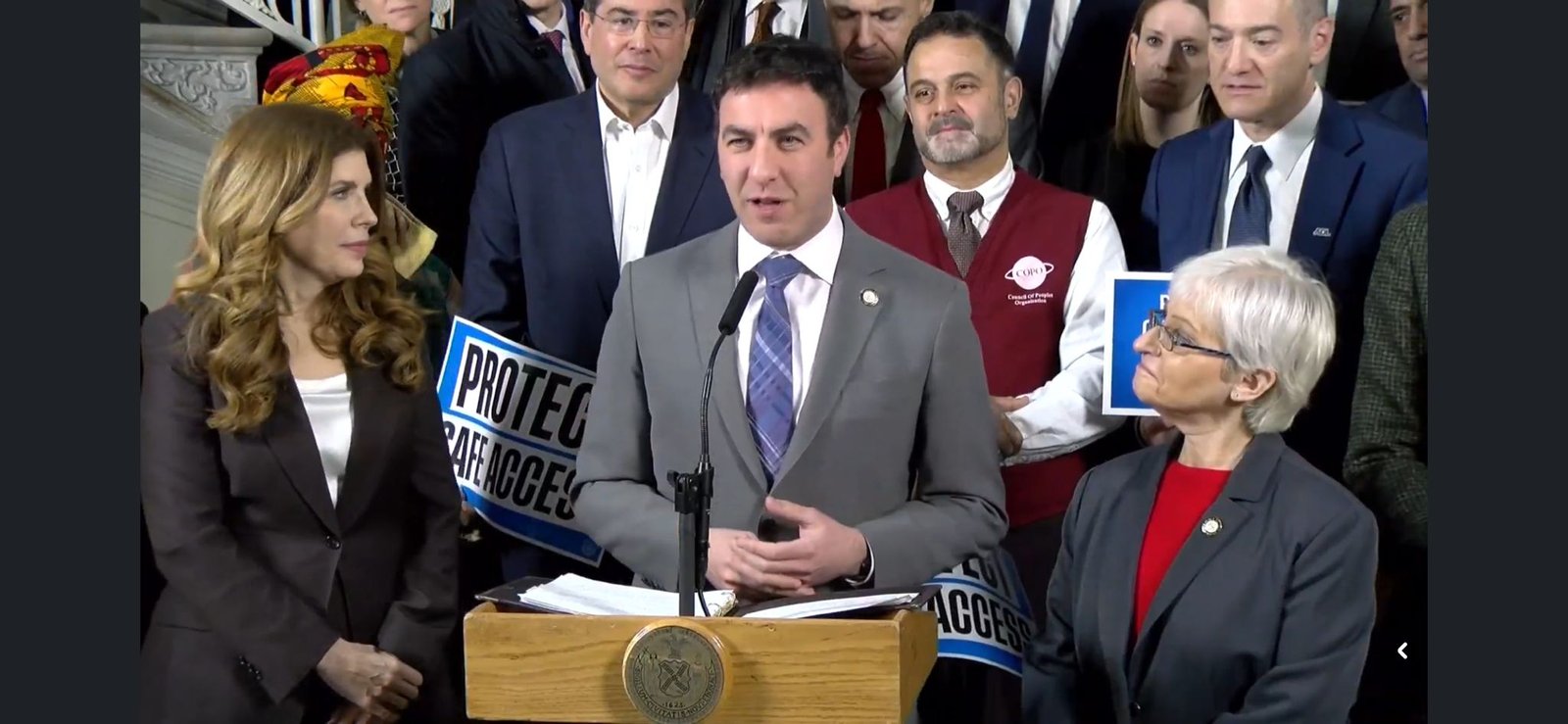
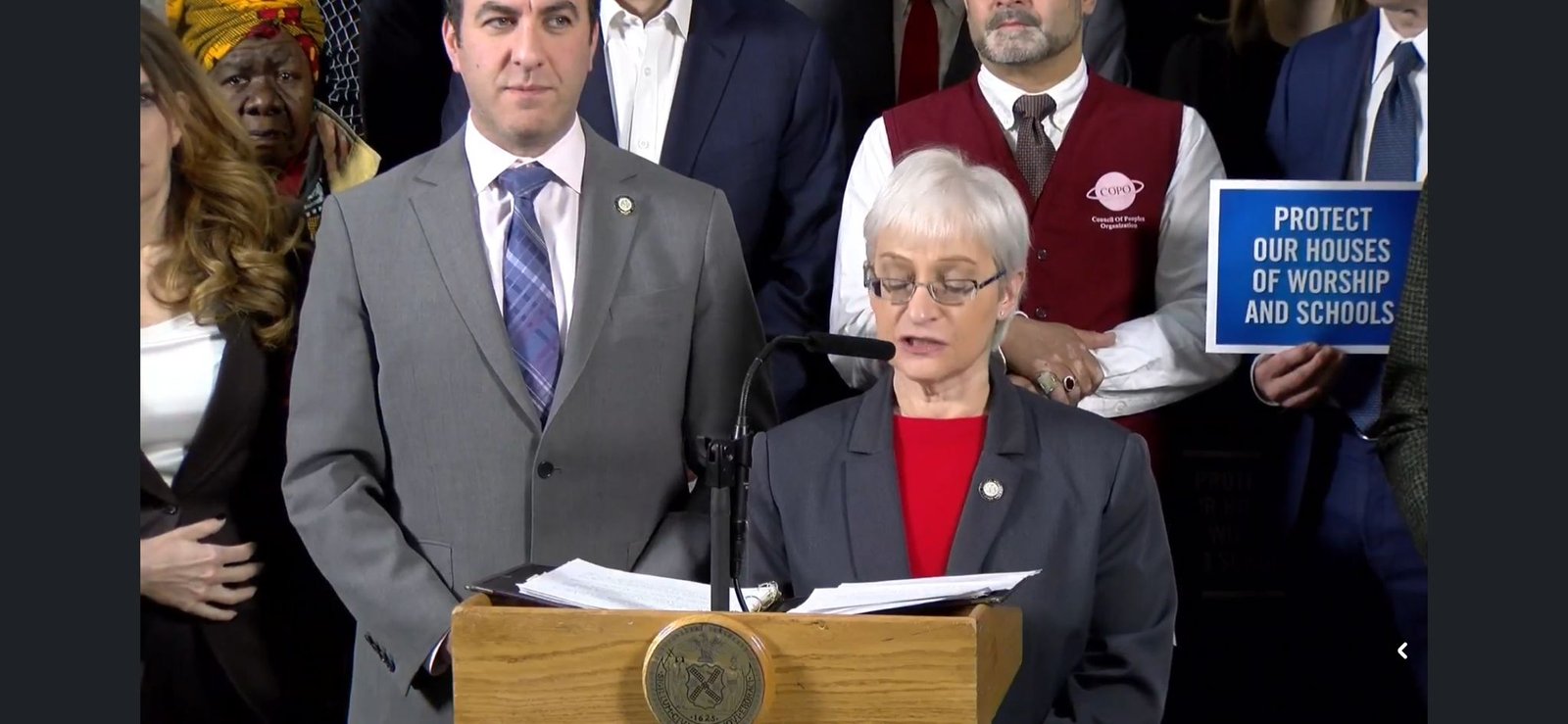
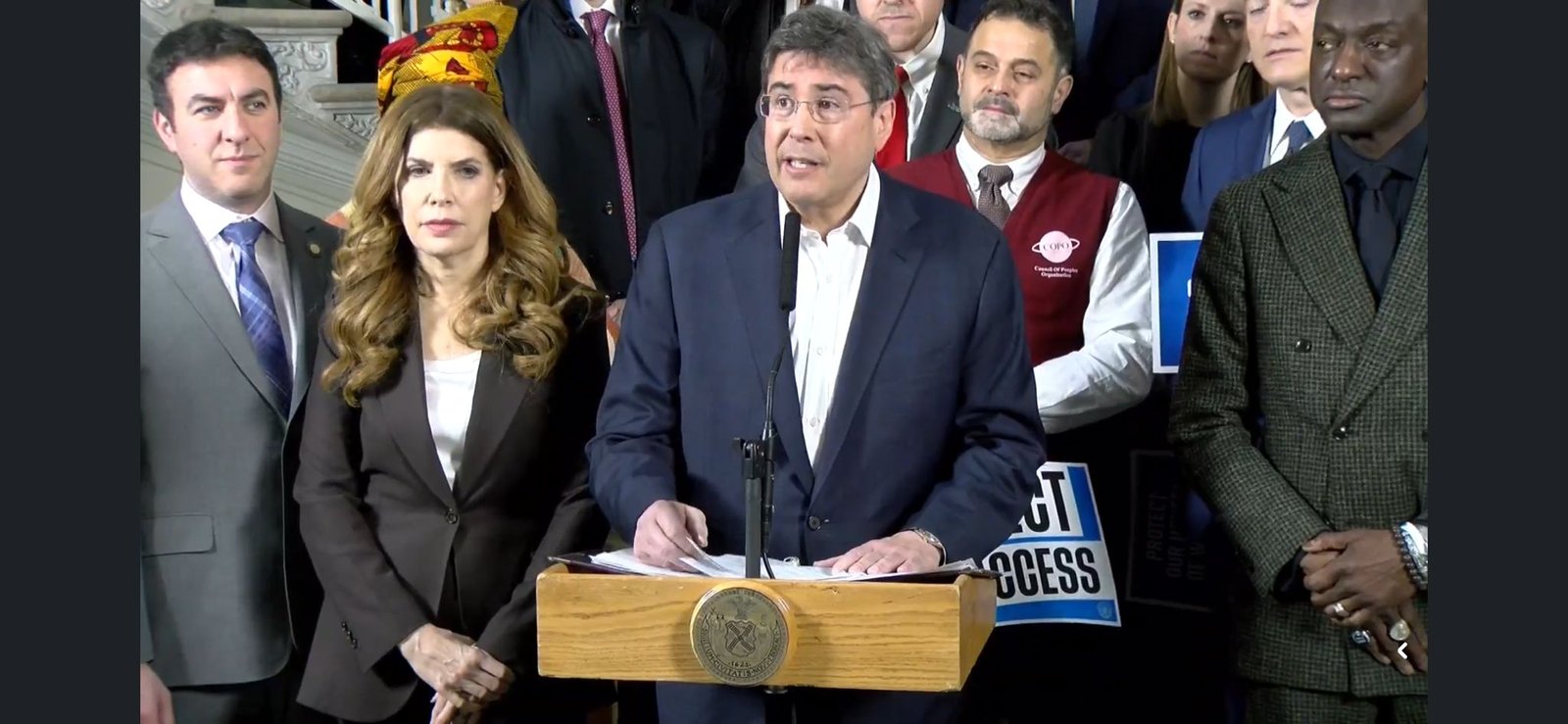
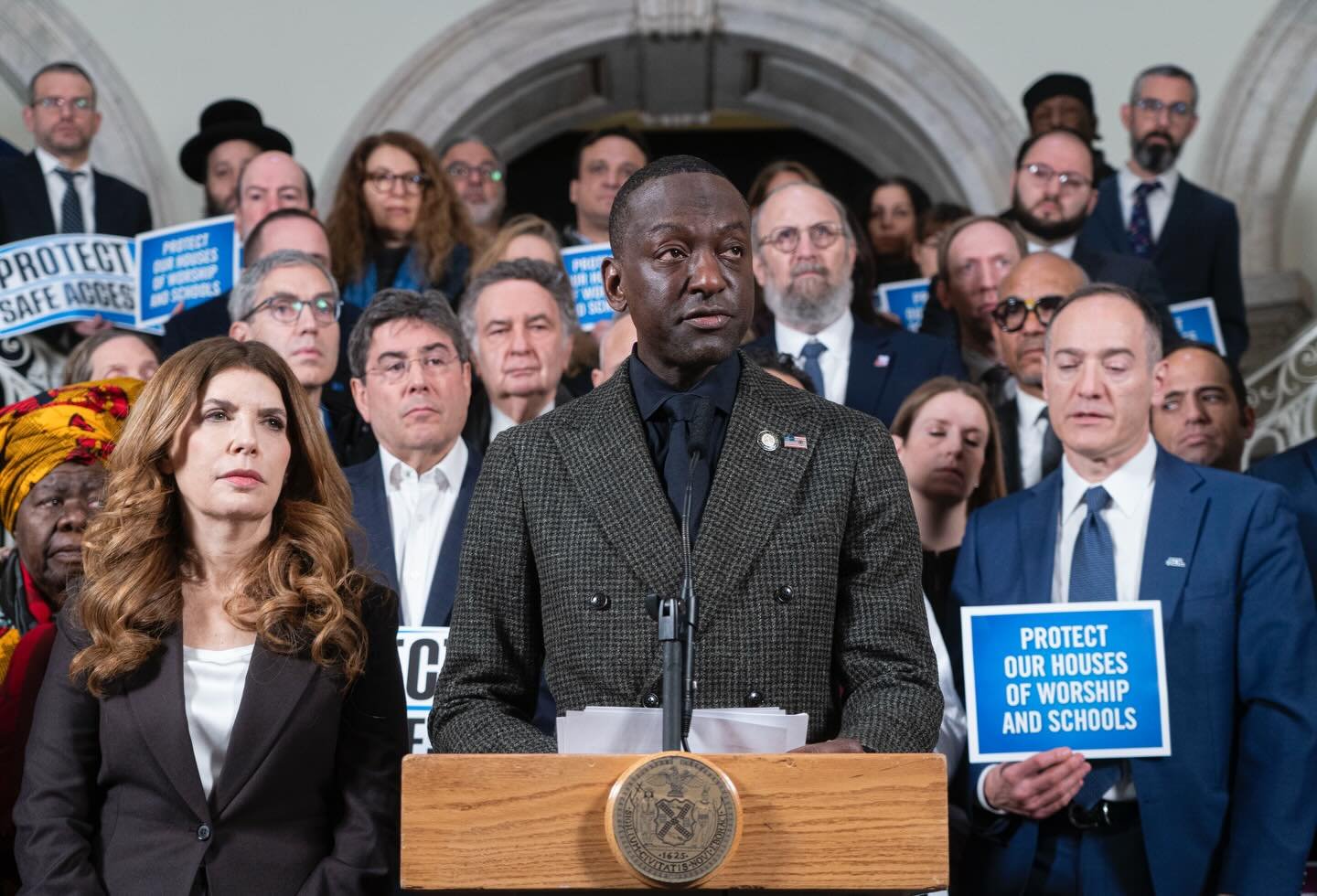
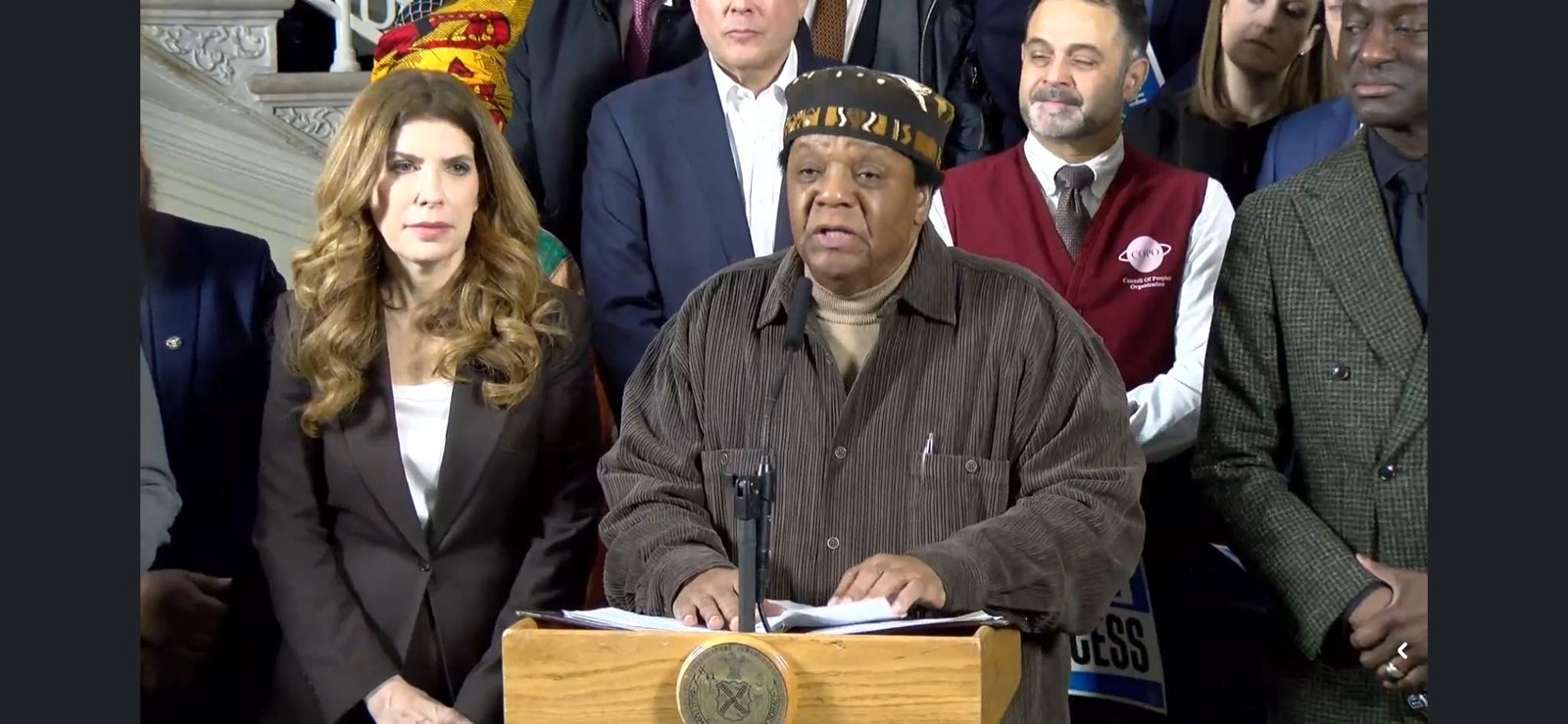
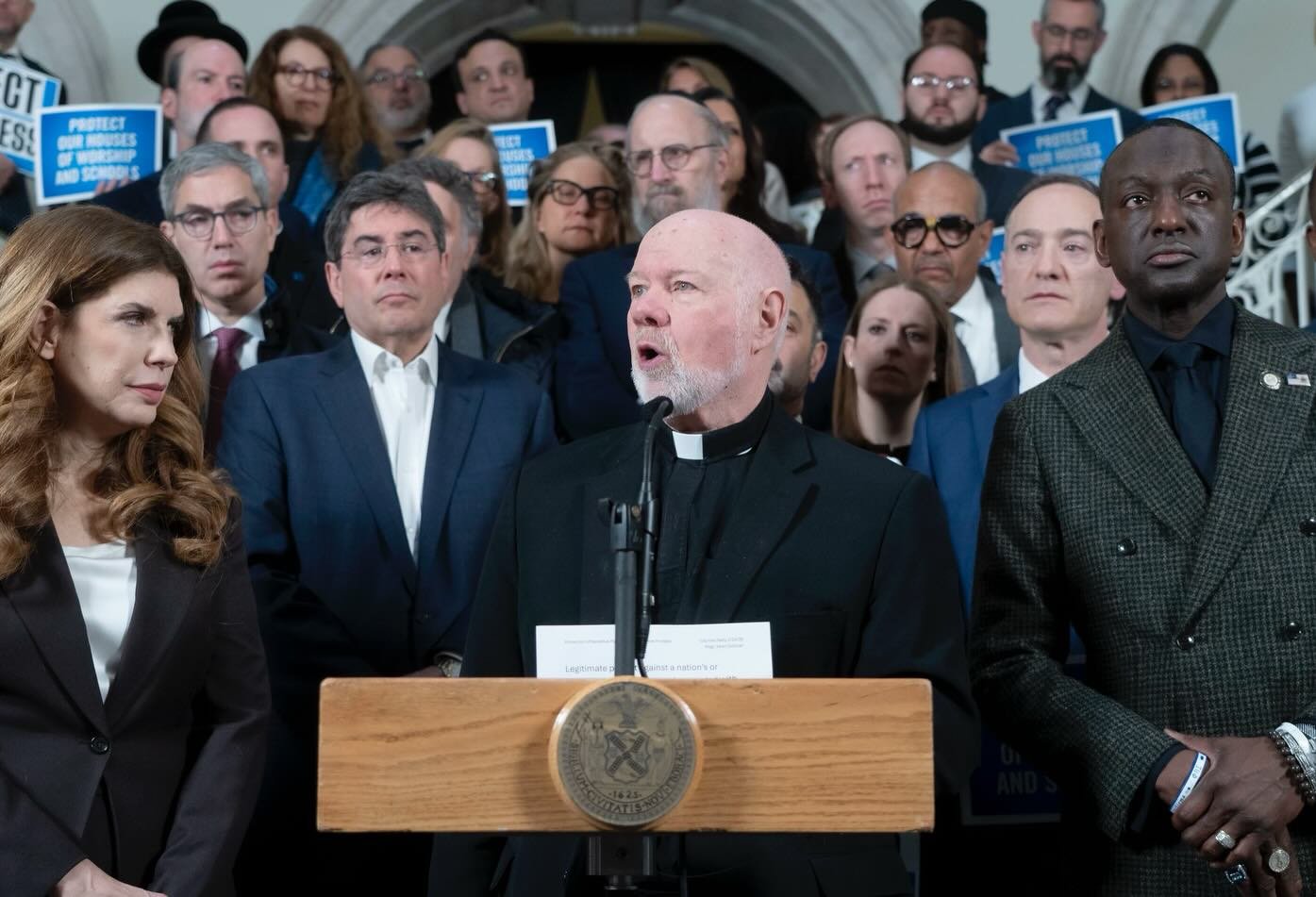
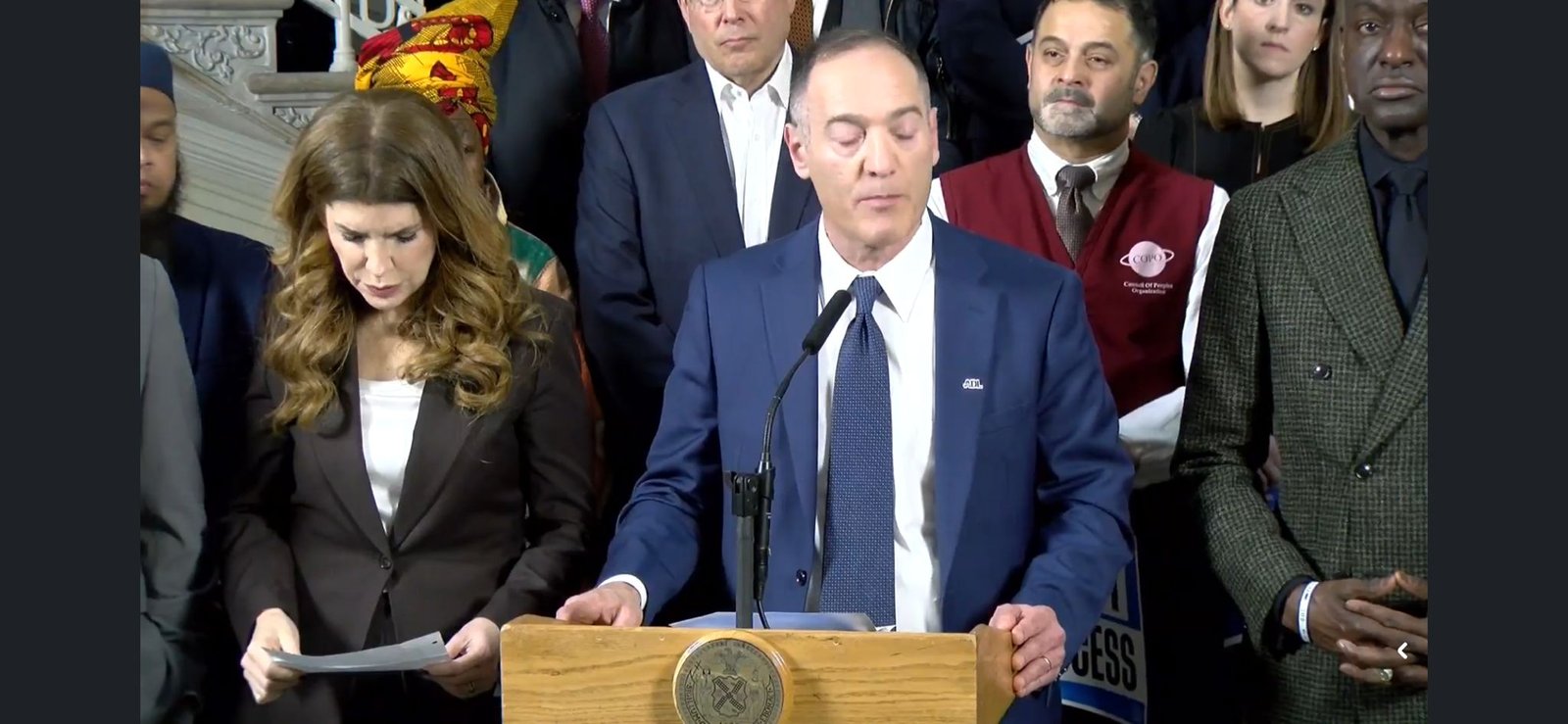
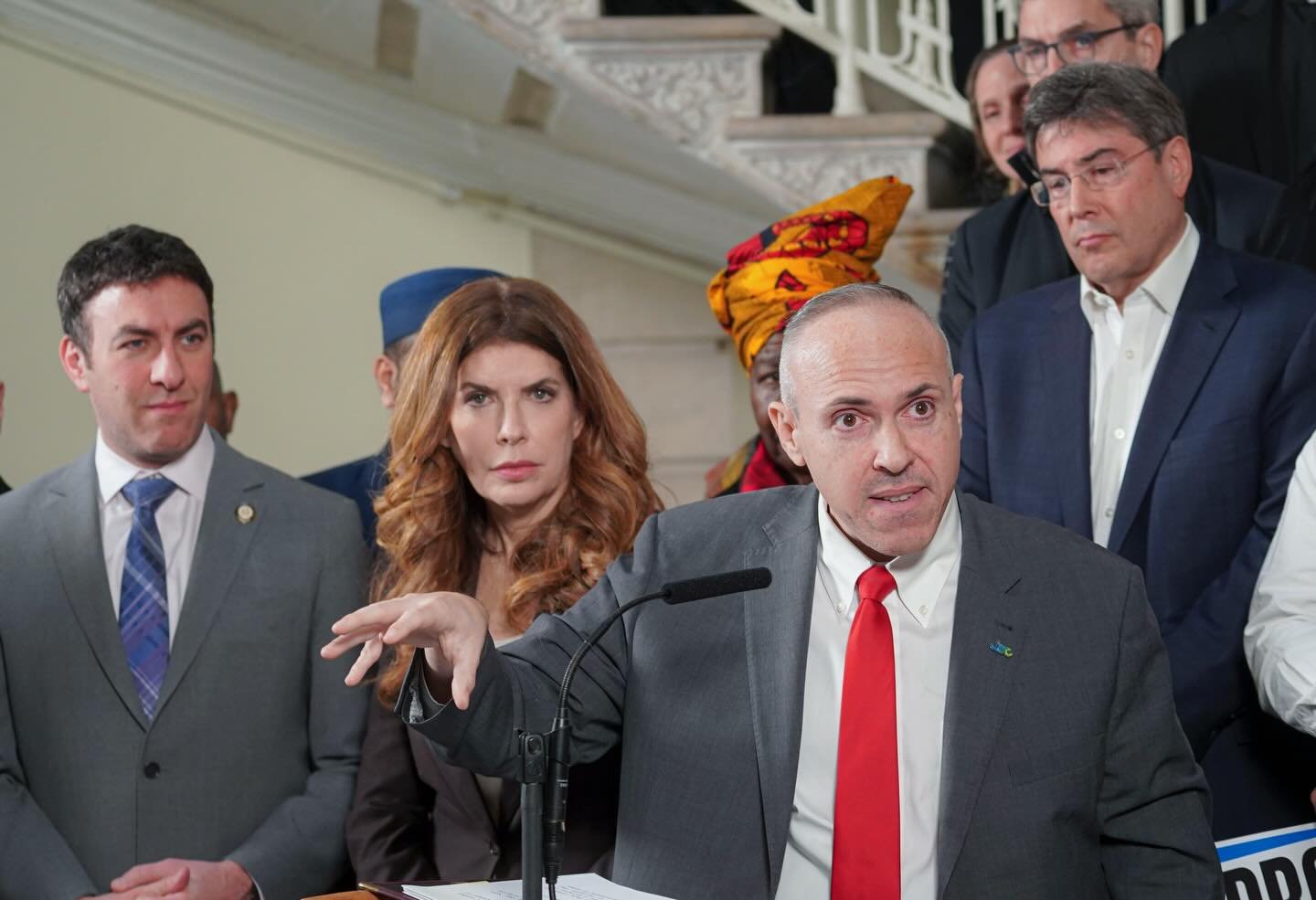
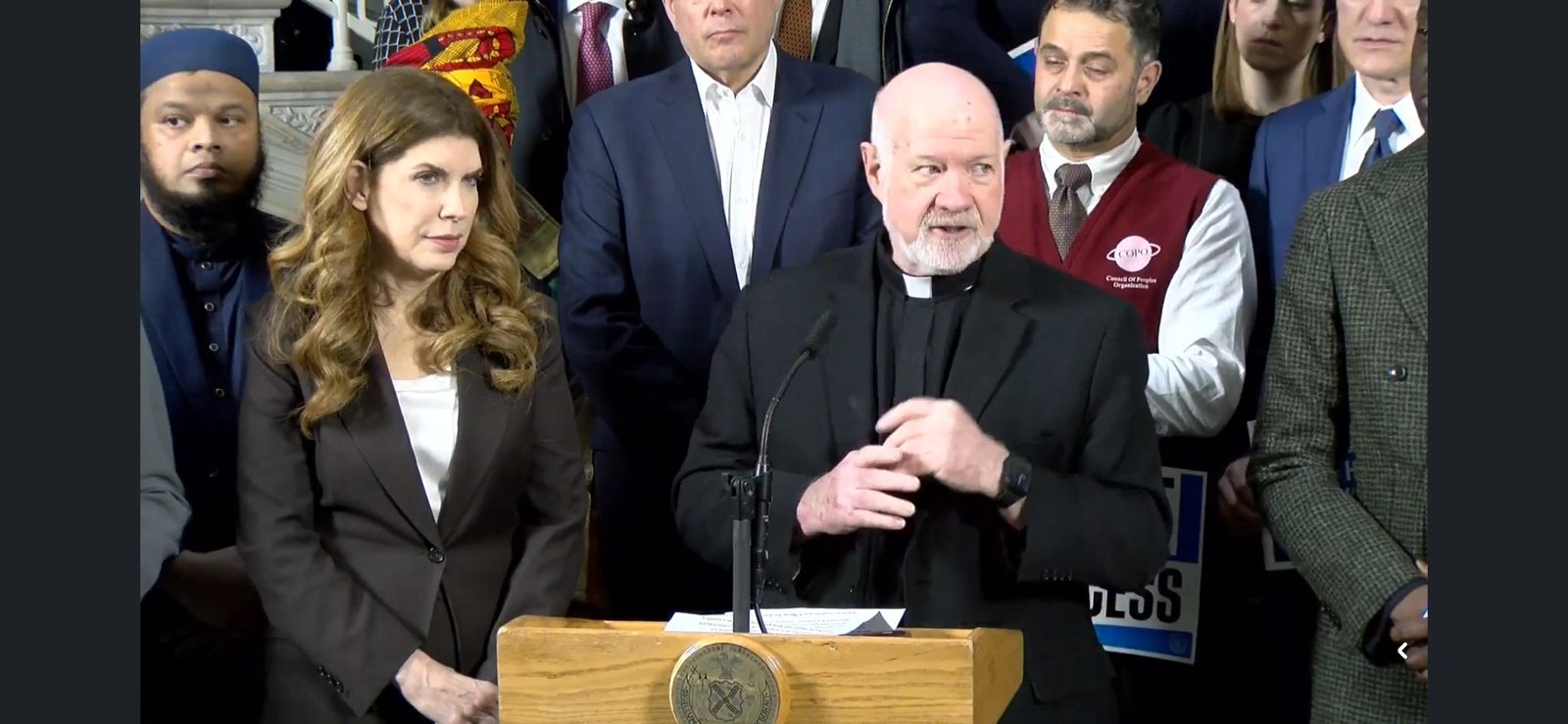
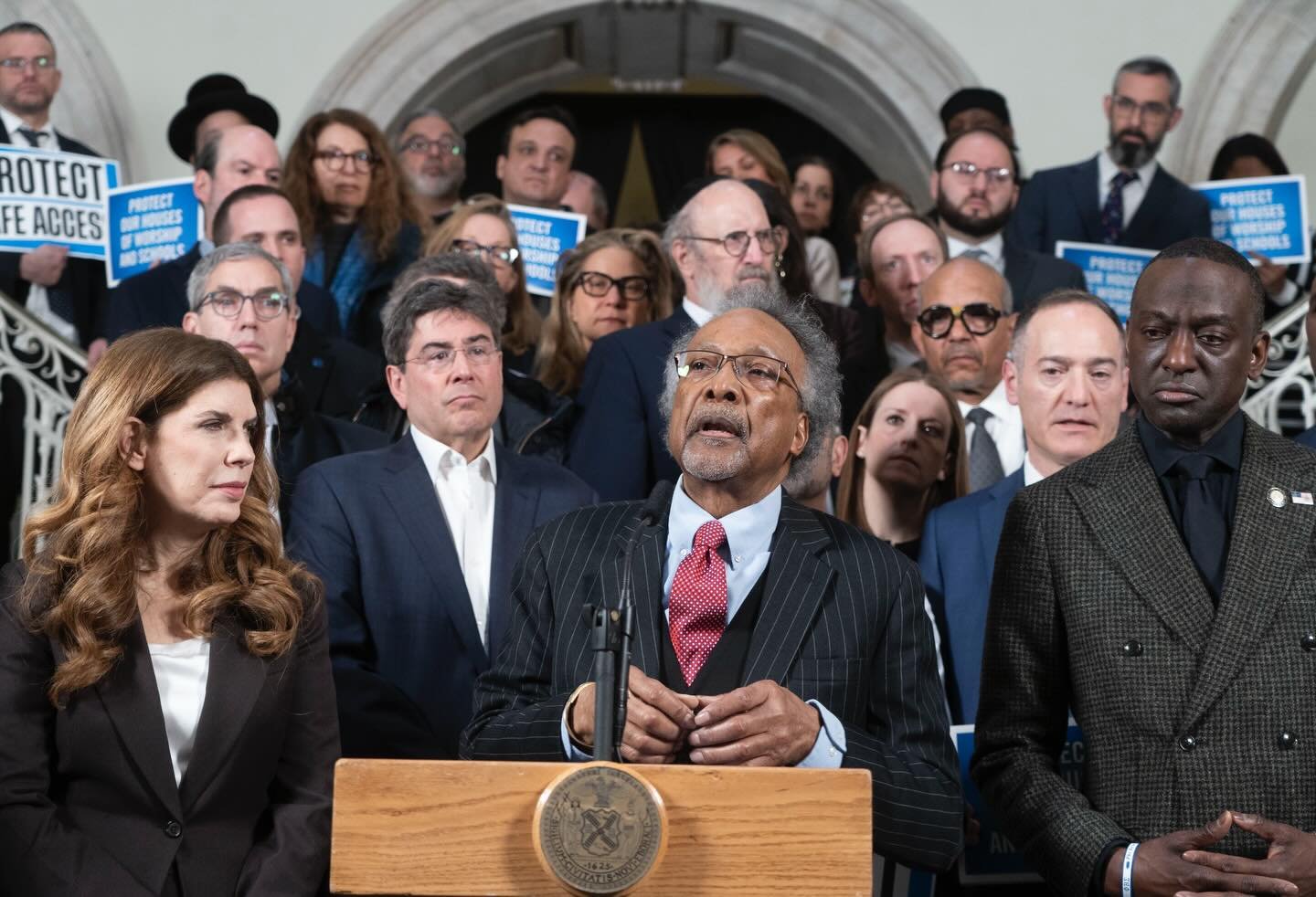
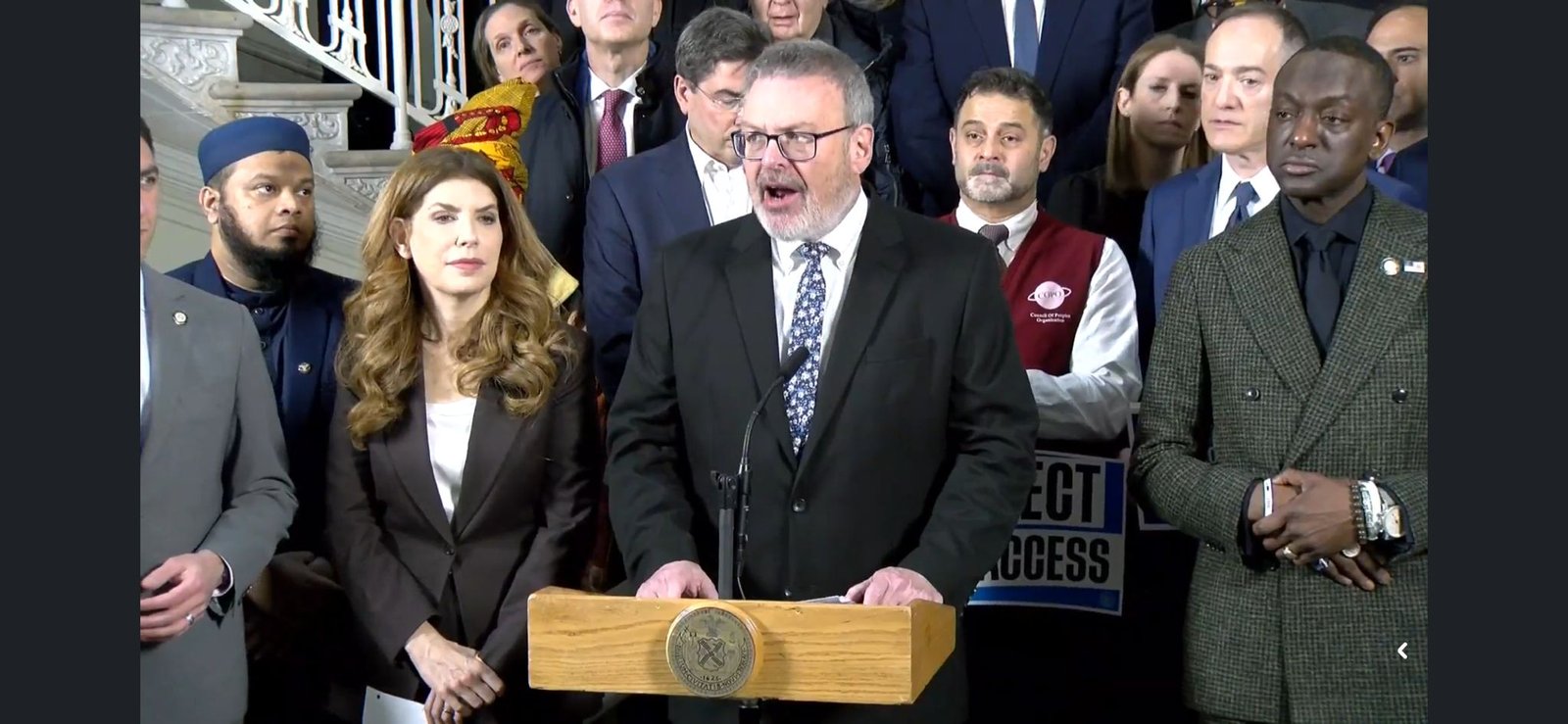
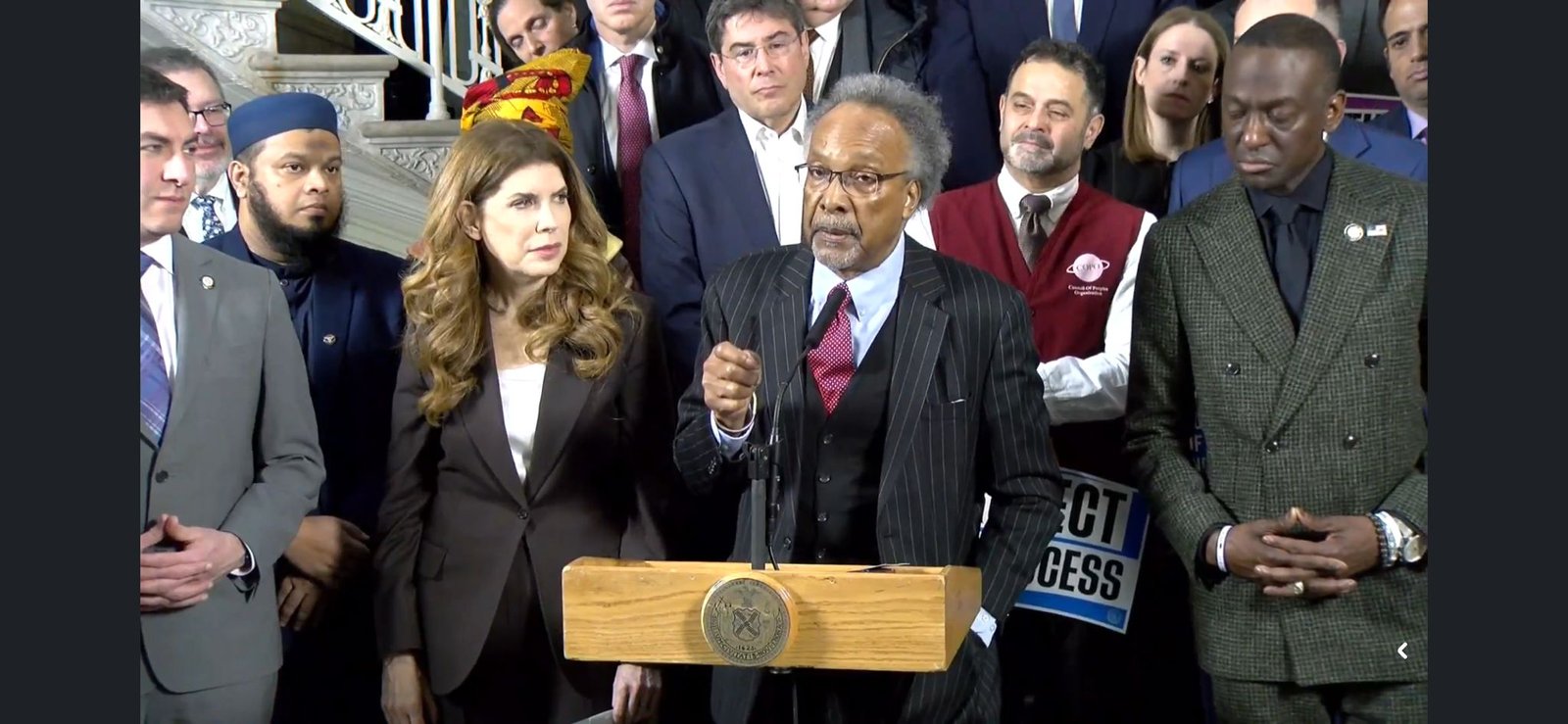
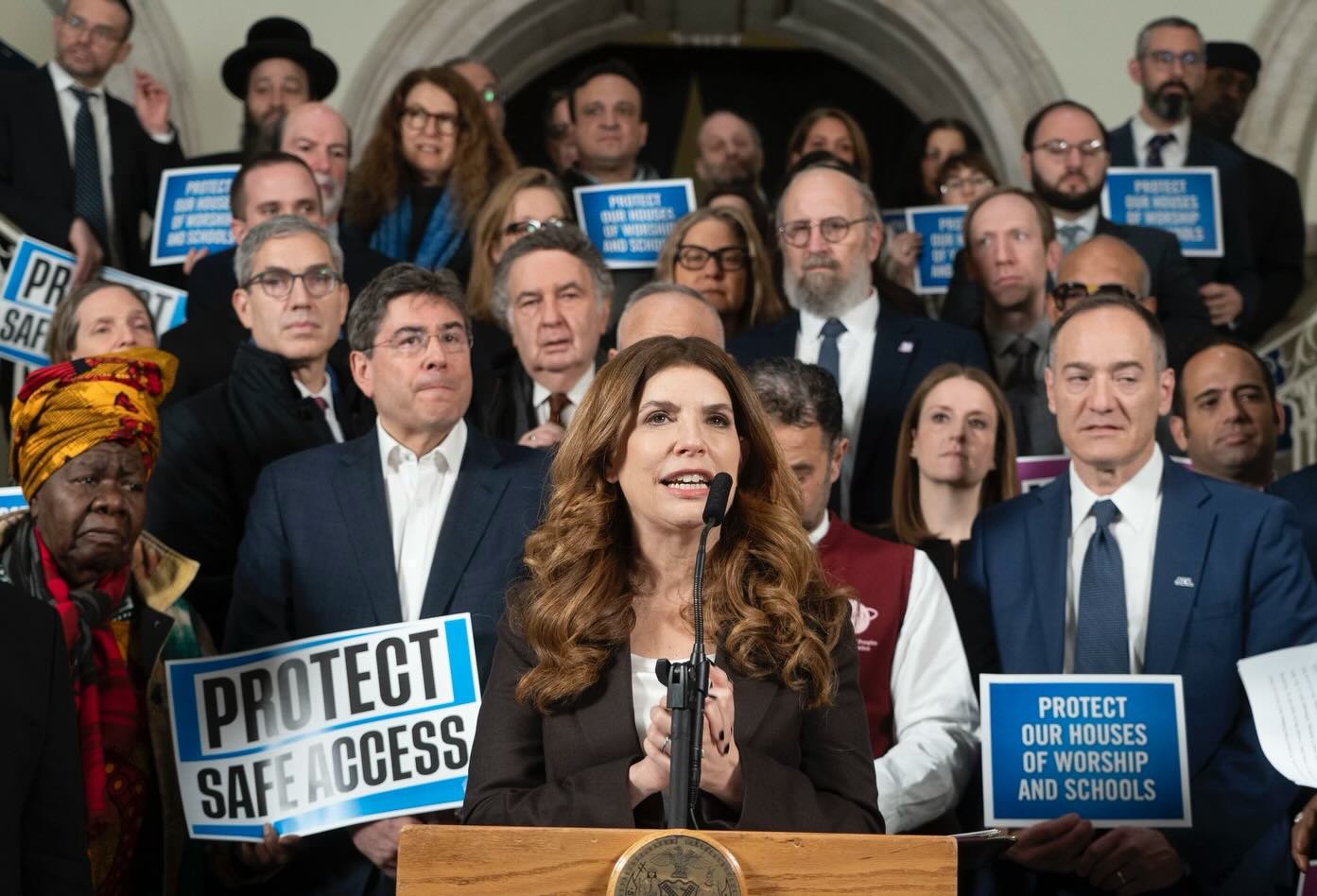
A coalition of city leaders and interfaith advocates gathered at City Hall to support a package of bills aimed at protecting safe access to houses of worship and schools, as Speaker Julie Menin and Councilmember Dr. Yusef Salaam framed the legislation as a necessary response to rising hate across New York City.
“In less than an hour, the Committee to Combat Hate will have their first hearing on a package of bills,” Menin said at the rally, calling the proposals “vital for ensuring that New York remains a place where freedom of religion is protected and basic security is assured.” She added that “freedom of speech is truly sacrosanct,” but said the city “will not allow people to… abuse that freedom to harass and intimidate others outside religious and educational institutions.”
Salaam, who chairs the newly formed Committee to Combat Hate, described the legislation as part of a broader effort to confront bias in all its forms. “These are not just statistics,” he said of recent hate crimes. “These are real people, real lives, and real stories of pain and suffering that we cannot ignore.” He also announced he is exploring a youth academy to combat hate through education and outreach.
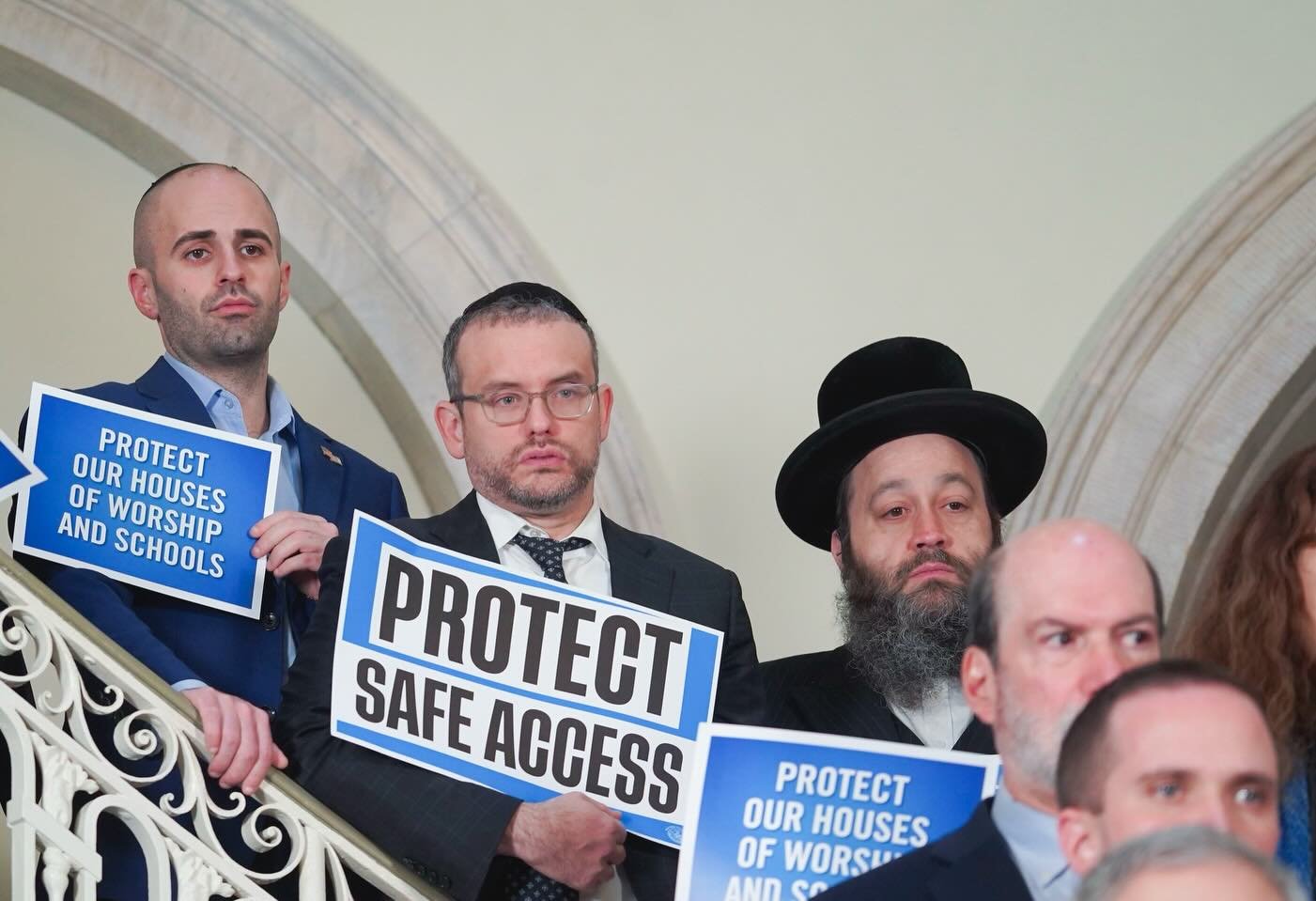
The package under consideration includes proposals requiring the NYPD to publish response plans related to risks near religious sites and schools, create clearer standards for potential buffer zones, establish a hate crime hotline, improve hate crime data reporting, and address online bias and cyber-hate. Menin later said the measures are intended to protect both safe access and constitutional rights. Supporters have argued that in a city where synagogues, churches, mosques, and other institutions often serve not only as places of worship but also as centers of counseling, charity, education, and community support, people should be able to enter them without fear of harassment or intimidation.
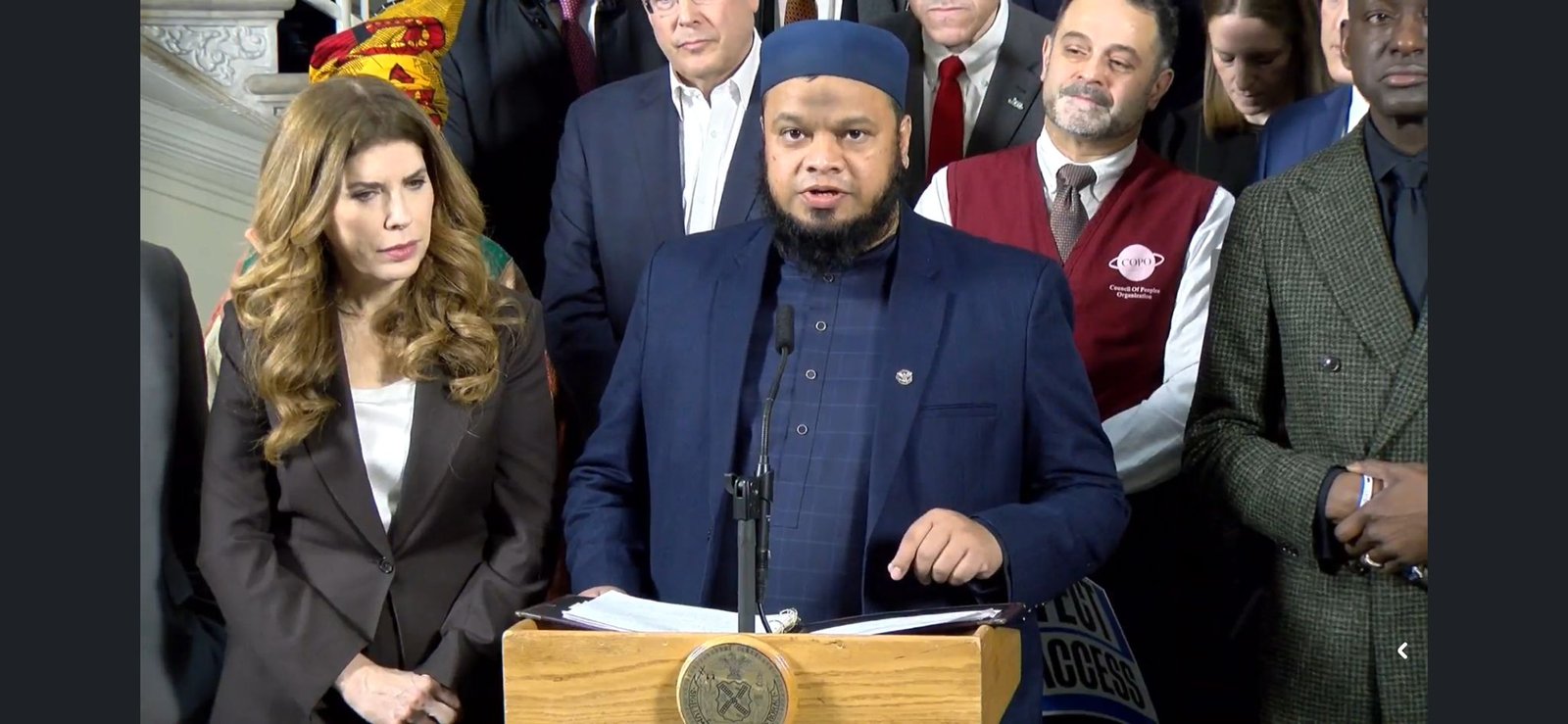
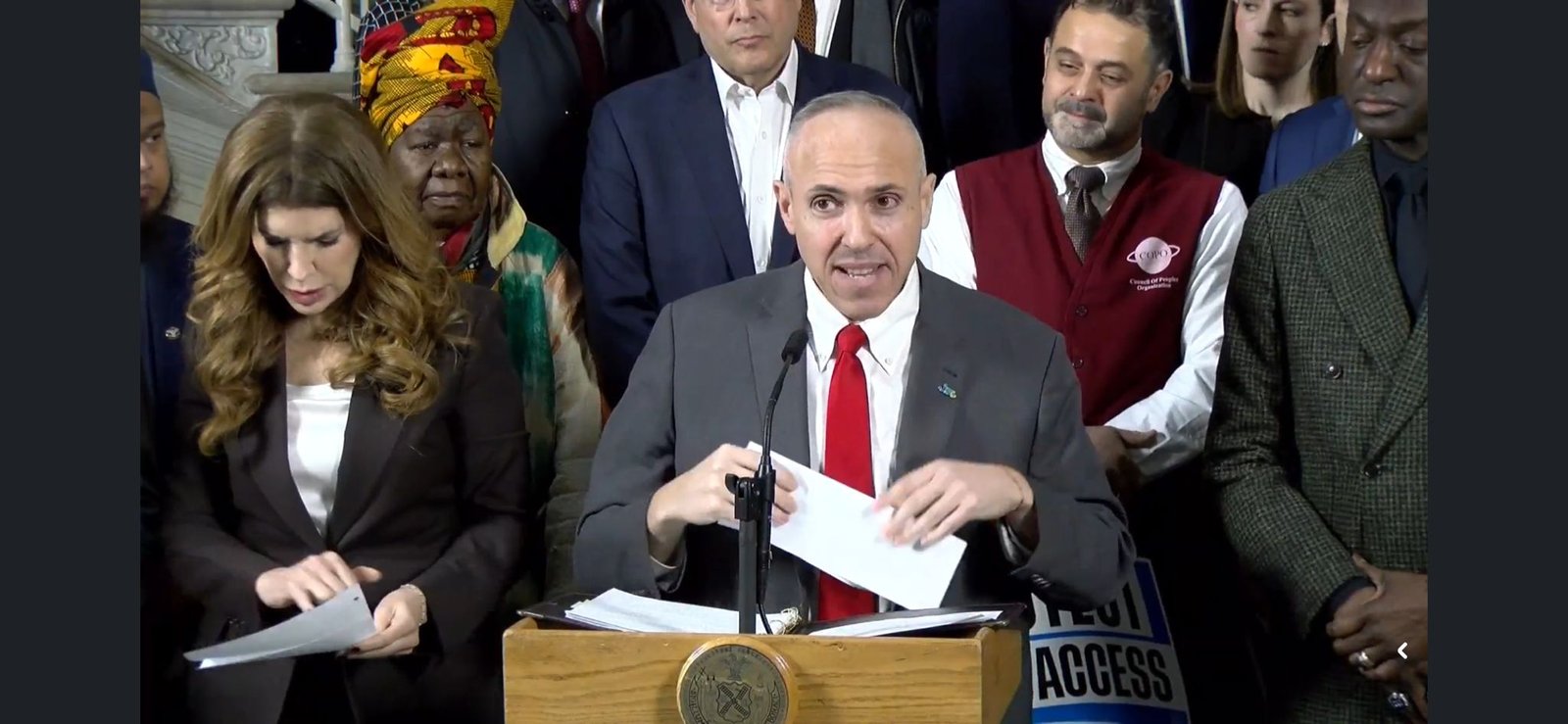
Supporters at the rally included elected officials and faith leaders across traditions. Imam Muhammad Shahidullah said his support for the bills was rooted in the lessons of Ramadan, stressing “safety, security, and peace.” Eric Goldstein of UJA, Mark Treyger of JCRC, Scott Richman of the ADL, and religious leaders from Muslim, Catholic, and Protestant communities also backed the effort, arguing that no New Yorker should fear entering a school or place of worship. Their message echoed a broader interfaith view that reasonable protections near entrances can preserve both peaceful expression and safe access.
But the later hearing, which stretched nearly 10 hours, revealed sharp disagreement. While many testified in support, others — including some Black, Brown, Palestinian, and civil liberties advocates — warned that the proposals could chill lawful protest, expand police power, and create new risks for demonstrators. The result was a day that underscored both the urgency of combating hate and the complexity of balancing public safety with free expression in a deeply diverse city.
As Menin later wrote, the council was “standing with faith leaders — Jewish, Muslim, and Christian — to combat hate in all its forms,” while also aiming to uphold “all New Yorkers’ free speech and religious rights.” The debate made clear that while there is broad agreement that hate must be confronted, New Yorkers remain divided over exactly how to do it.
For more blogs, visit nyn.press