William Henry :
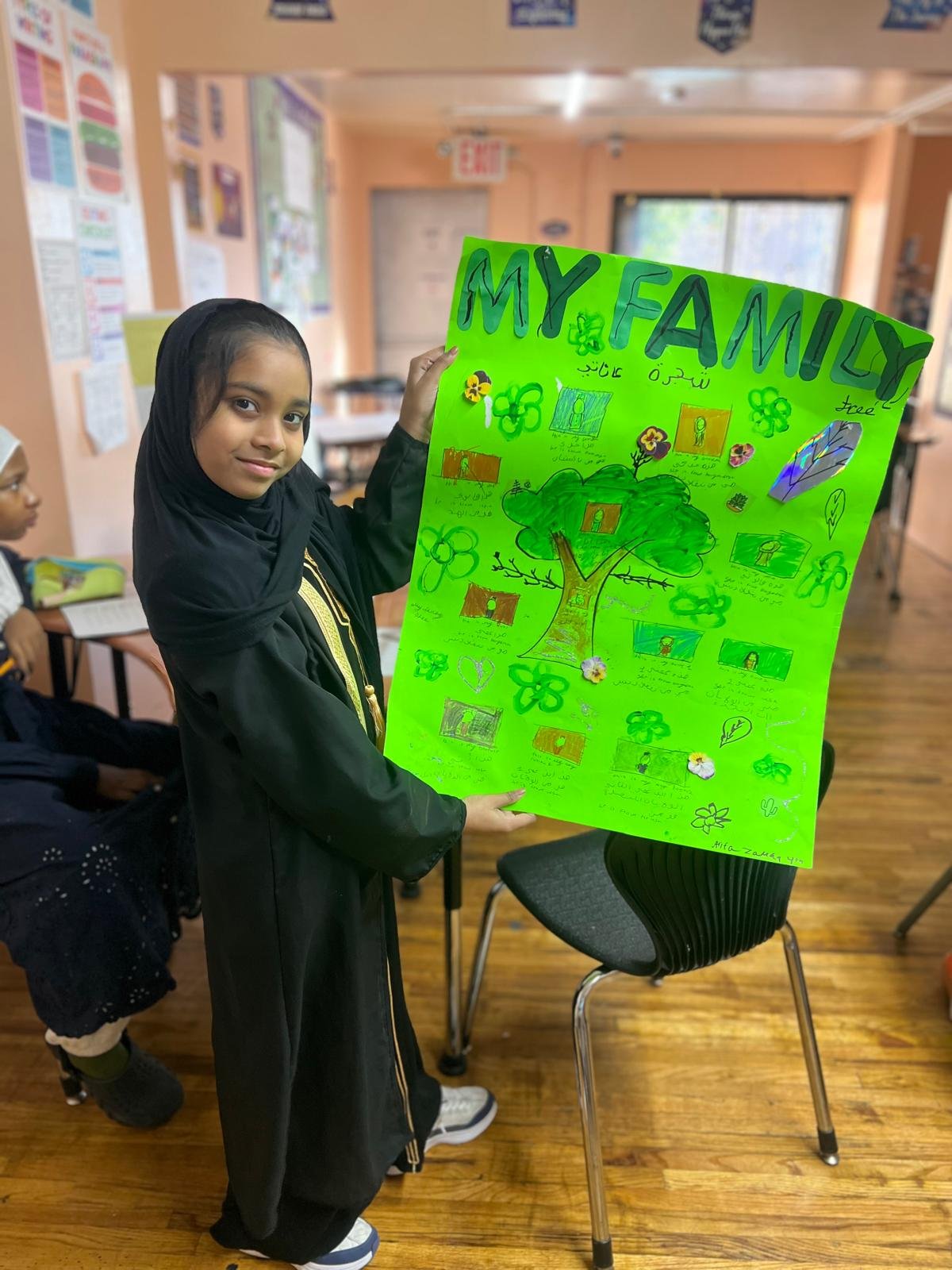
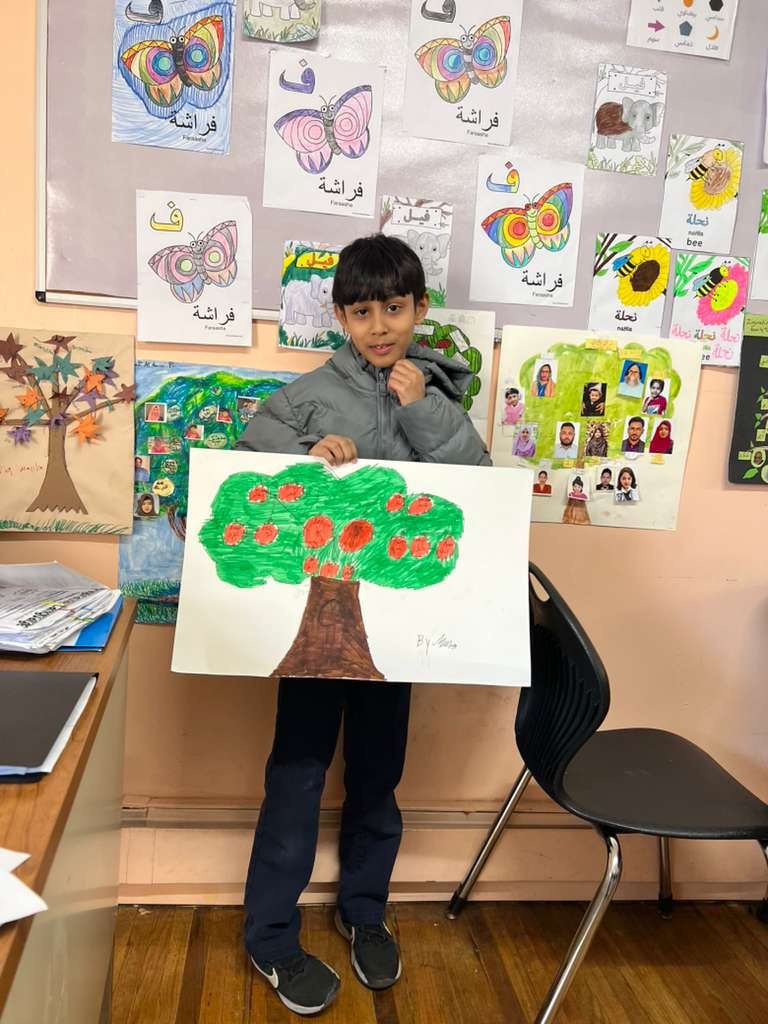
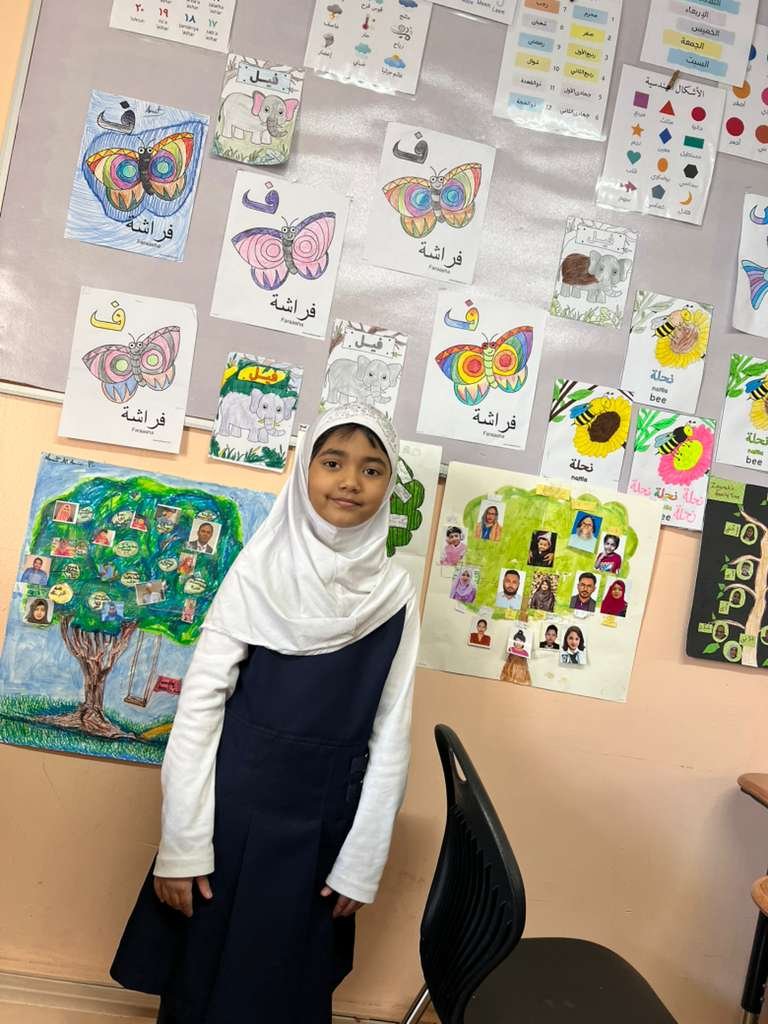
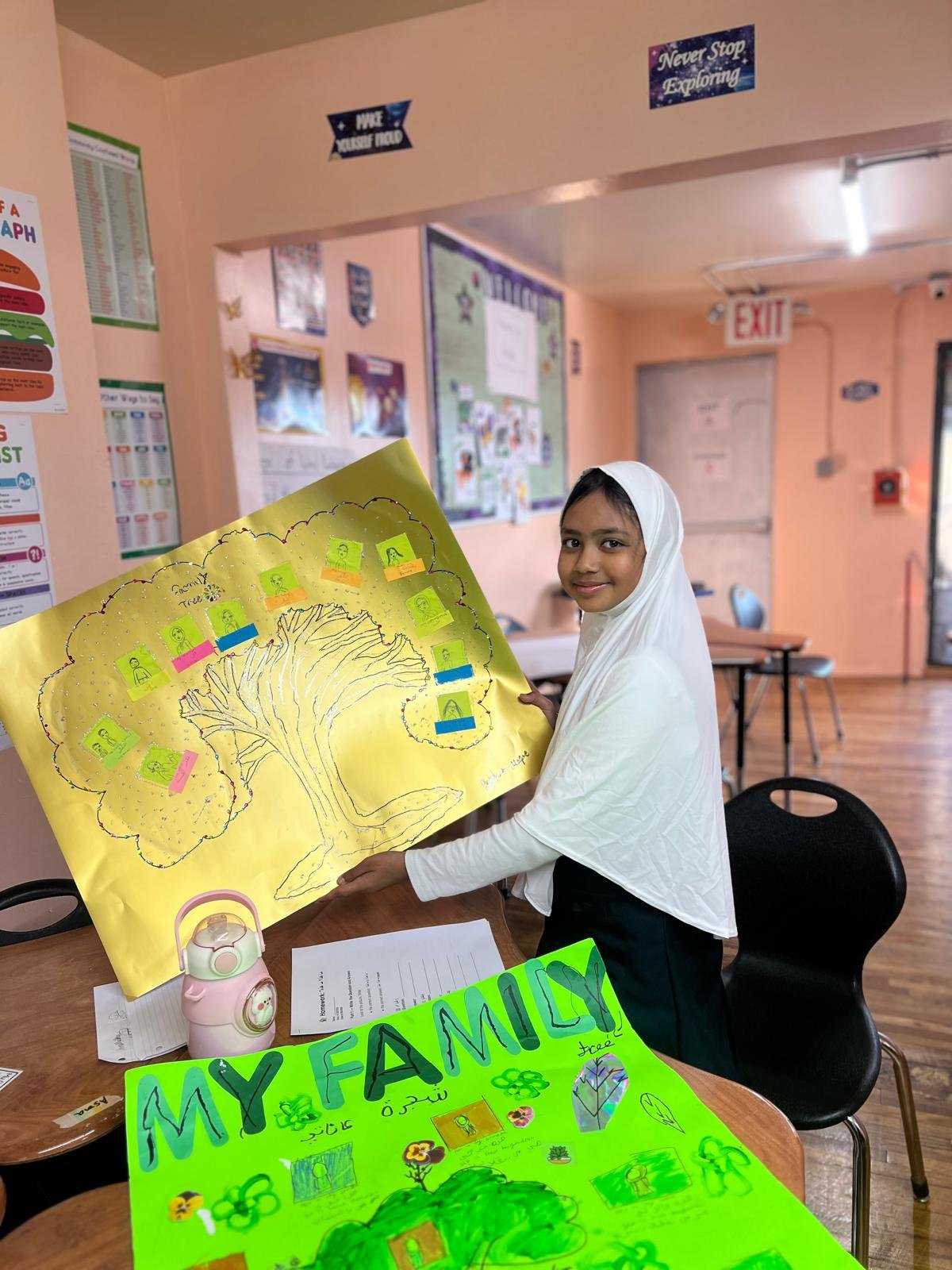
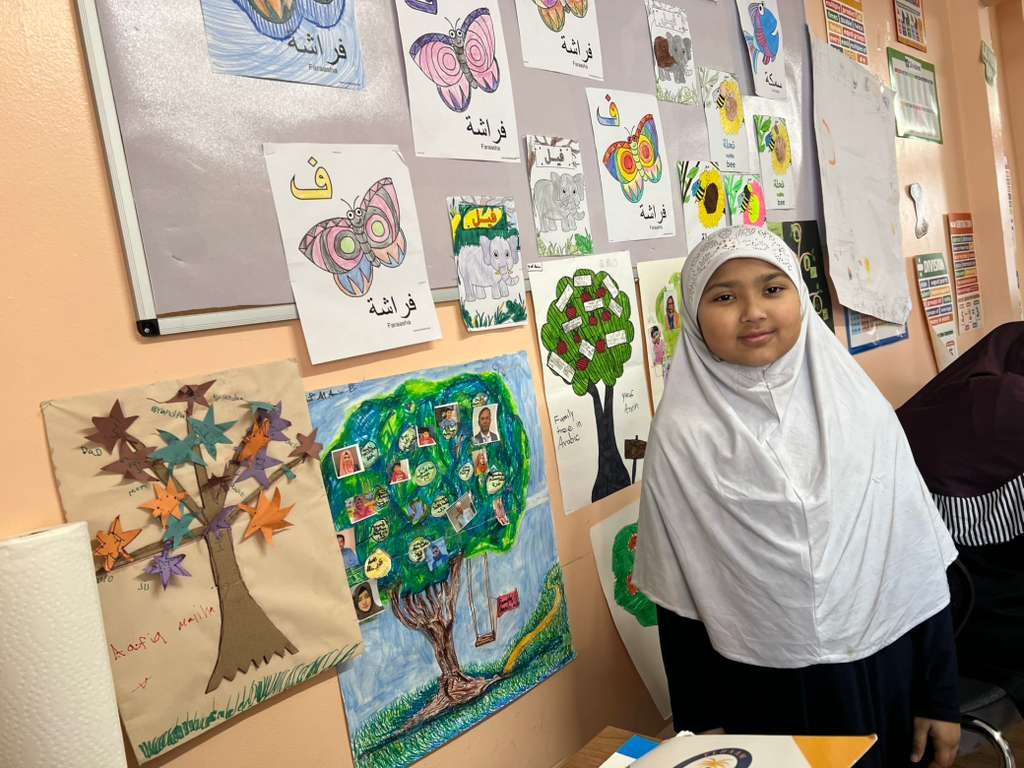
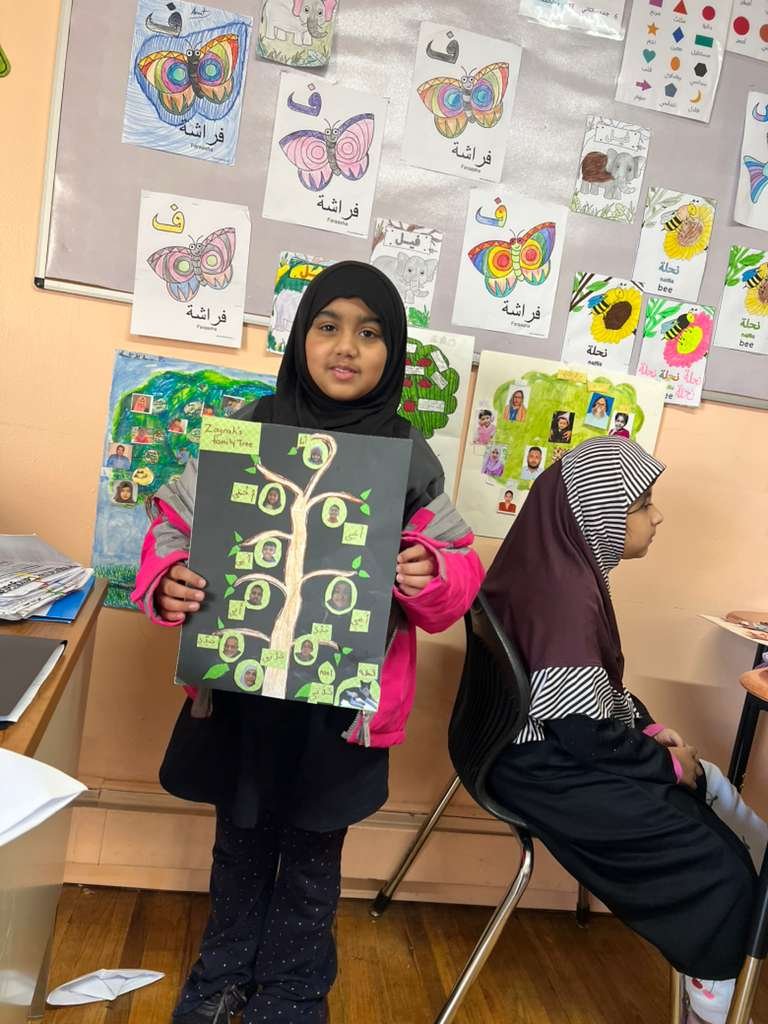
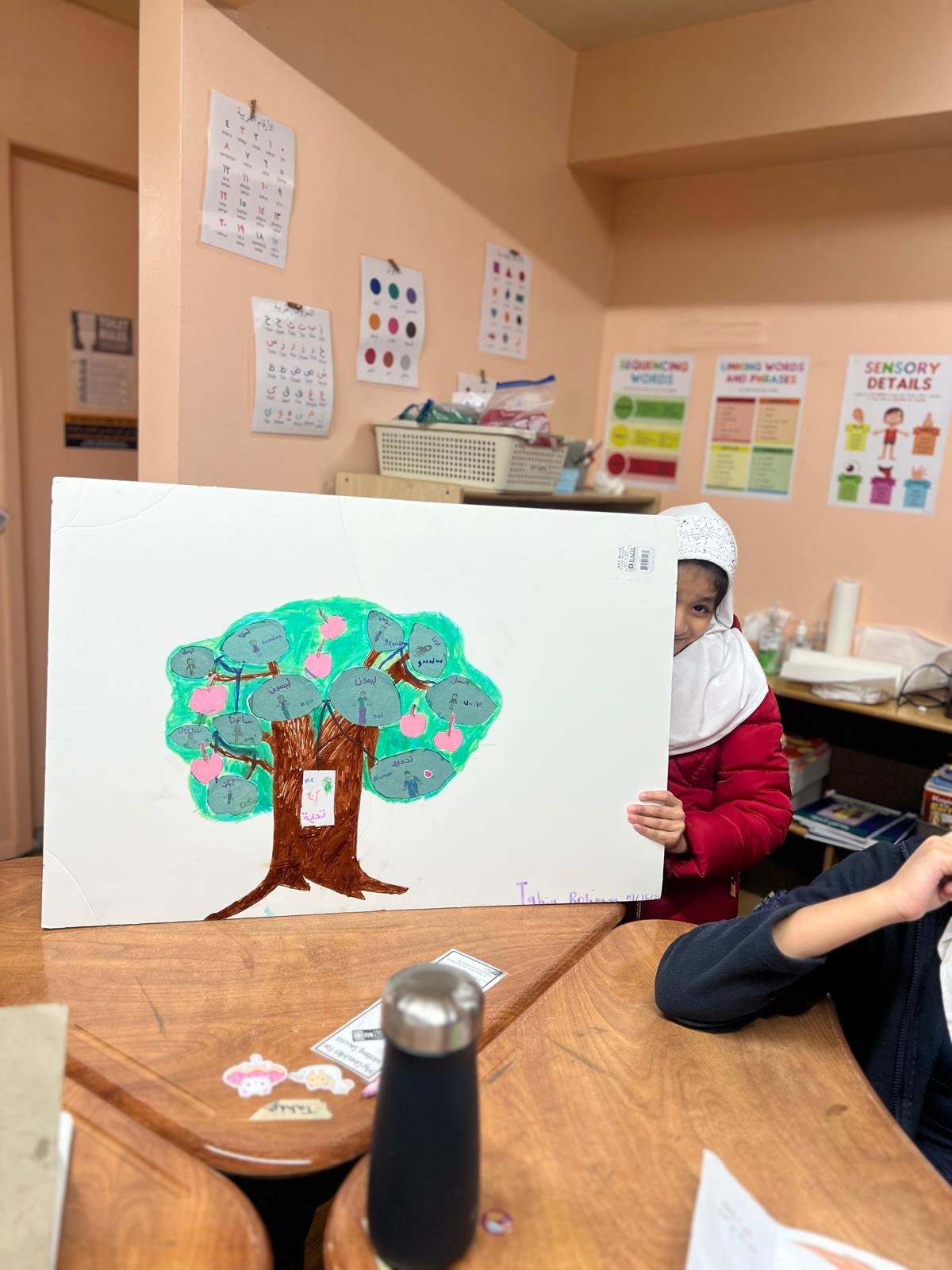
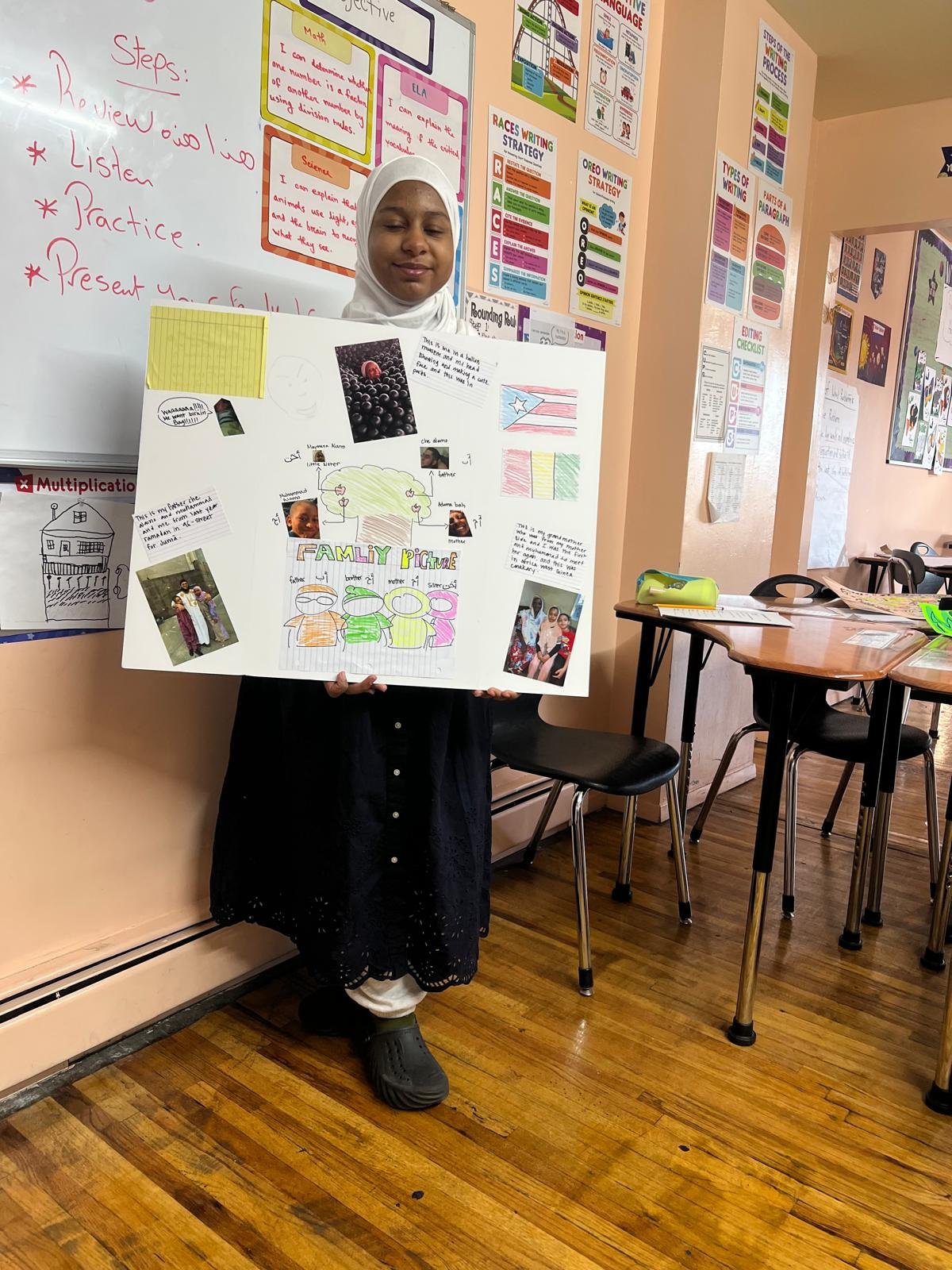
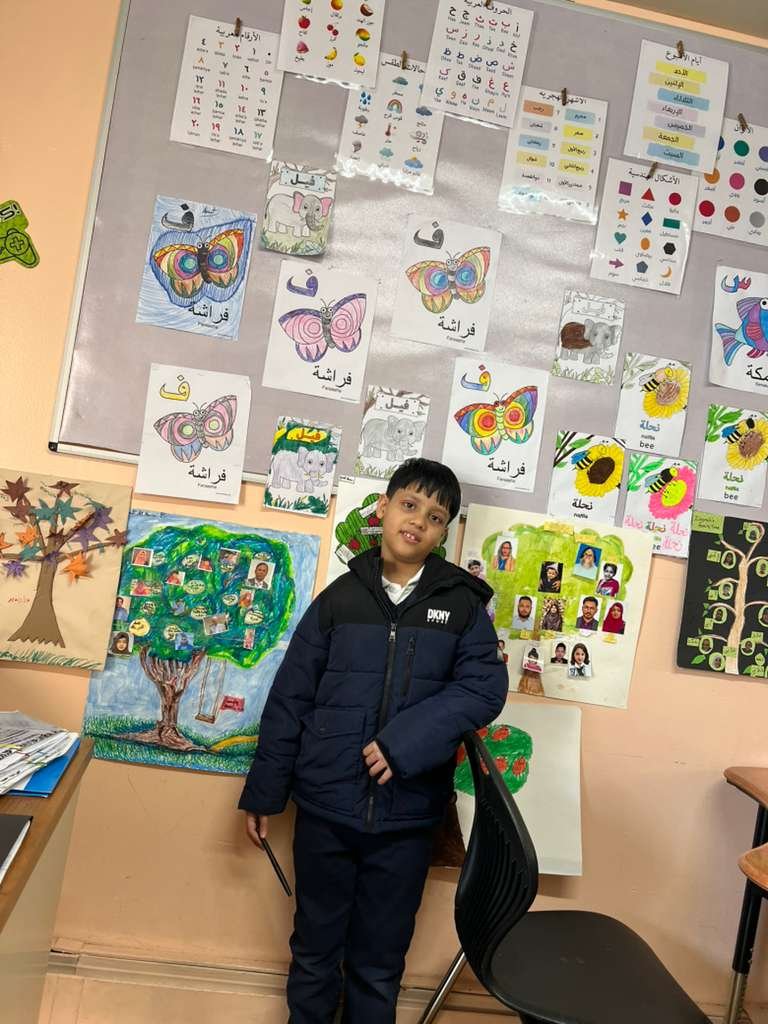
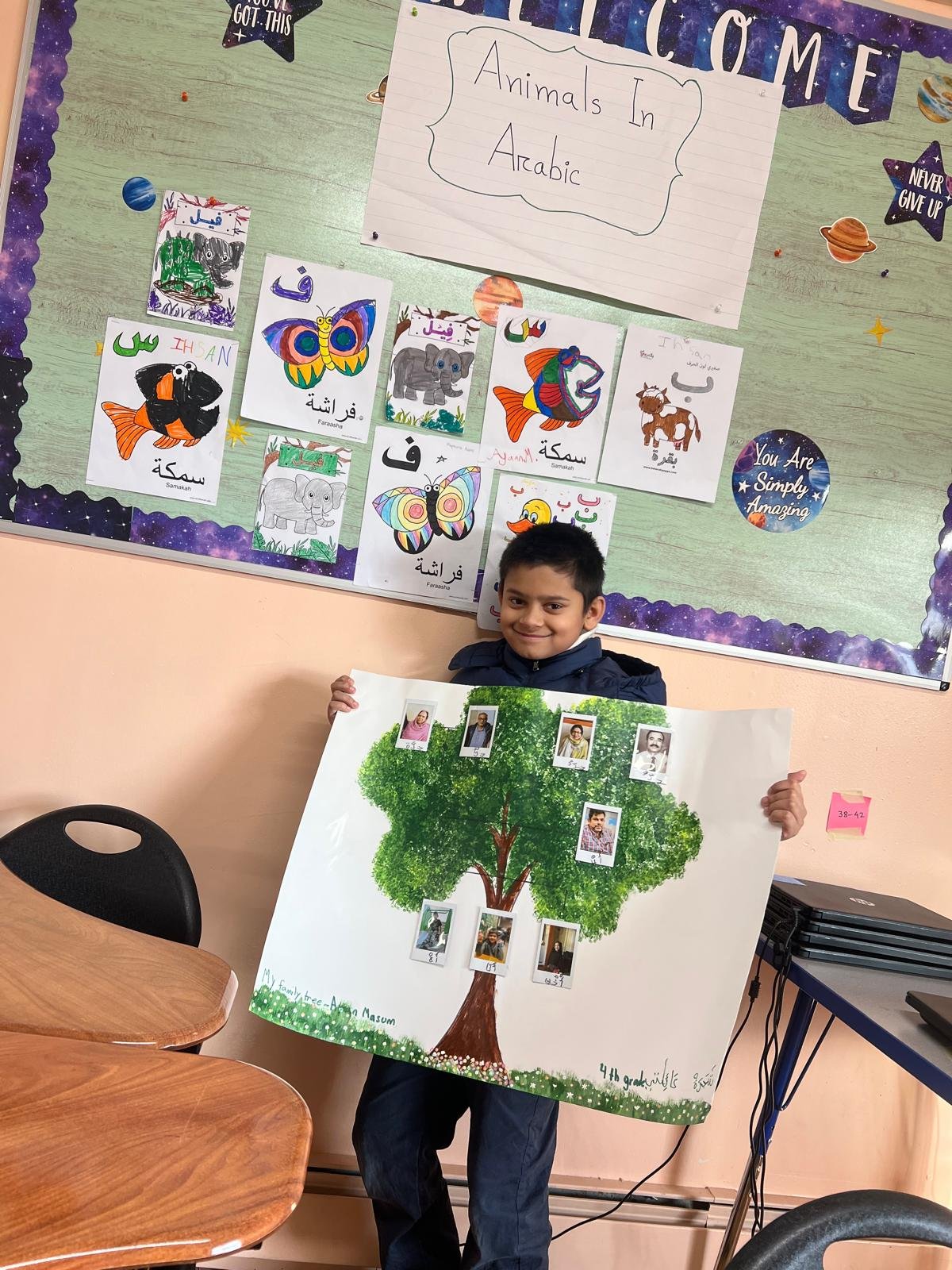
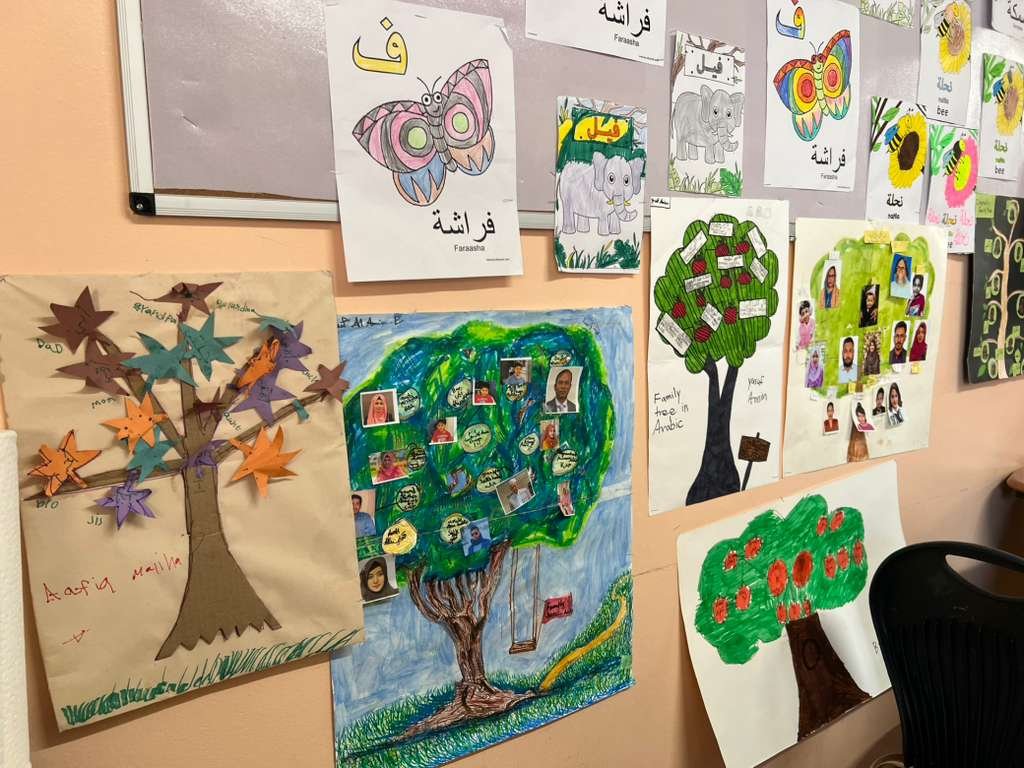
In a colorful and meaningful display of learning and identity, students at Elhaam Academy recently showcased their growing command of the Arabic language through a unique classroom project—family tree presentations designed entirely in Arabic.
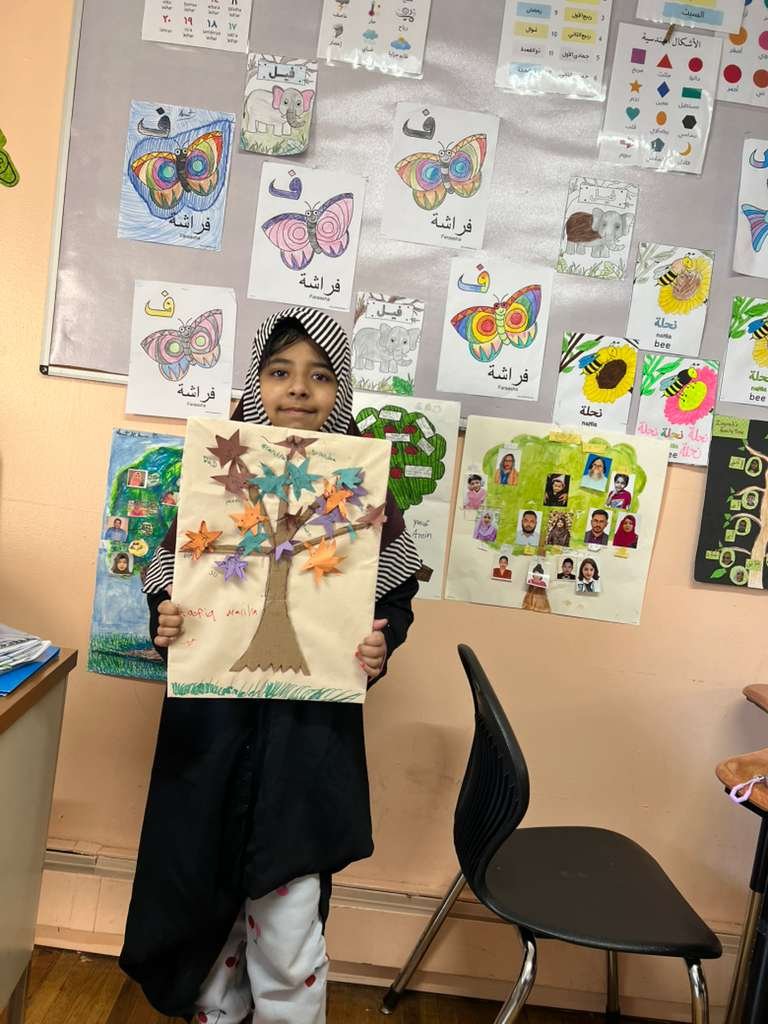
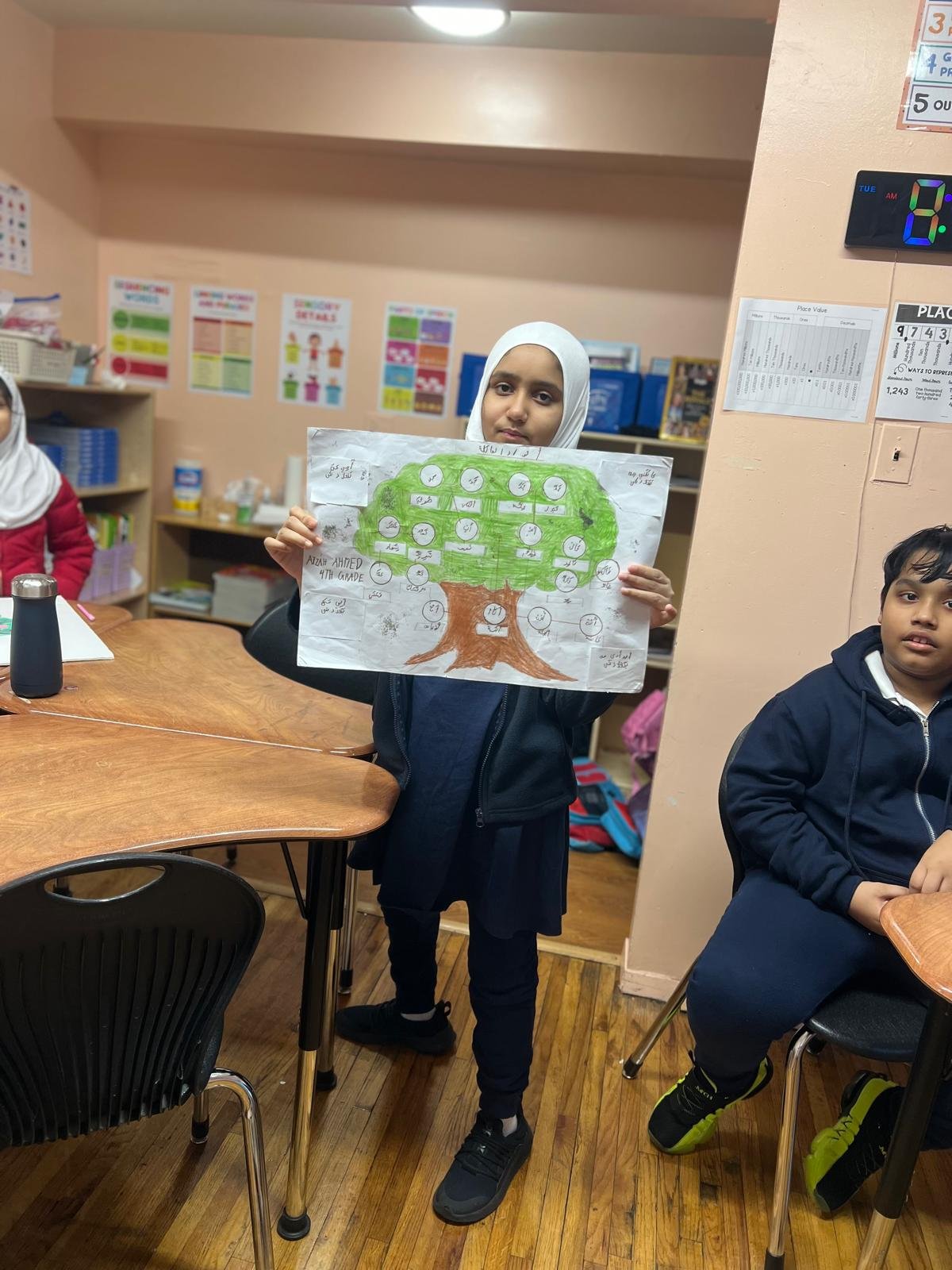
The project, part of the school’s Arabic language curriculum, asked students to create visual family trees, using Arabic vocabulary to label relatives and describe relationships. What emerged was a vibrant collection of charts, drawings, and posters that not only demonstrated language acquisition but also reflected each student’s cultural background and creativity.
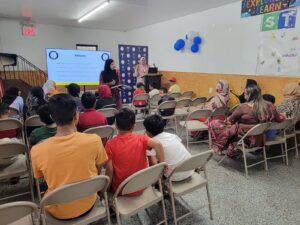
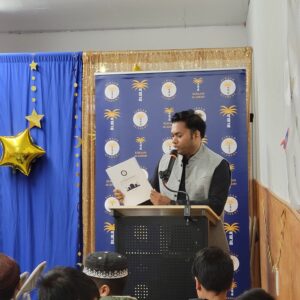
Students proudly stood before their peers and teachers to present their family trees, confidently using Arabic terms for family members such as abu (father), umm (mother), jadd (grandfather), and ukht (sister). The exercise offered a practical and personal way to practice vocabulary, pronunciation, and sentence structure, while also helping students draw meaningful connections between language and heritage.
“This project brought together language, identity, and creativity,” said one Arabic instructor. “It gave students a chance to apply what they’ve learned in a real-world context, and the results were thoughtful and impressive.”
Beyond the academic benefits, the family tree presentations also helped foster a deeper appreciation for family traditions and cultural roots. Many students expressed excitement about discussing their family histories at home, while others shared how the project sparked conversations with parents and grandparents about ancestry.
Teachers noted that the exercise not only improved students’ Arabic comprehension, but also boosted their confidence in speaking and presenting in front of others—a critical skill in language learning. The classroom was filled with encouragement and applause as each student proudly explained their family connections using newly acquired Arabic vocabulary.
As Elhaam Academy continues to emphasize holistic, culturally enriched education, projects like this stand out as a testament to the school’s commitment to nurturing both academic excellence and self-expression. For these young language learners, building a family tree was more than a classroom activity—it was a journey through language, identity, and pride.
For more blogs, visit nyn.press