James Anderson:
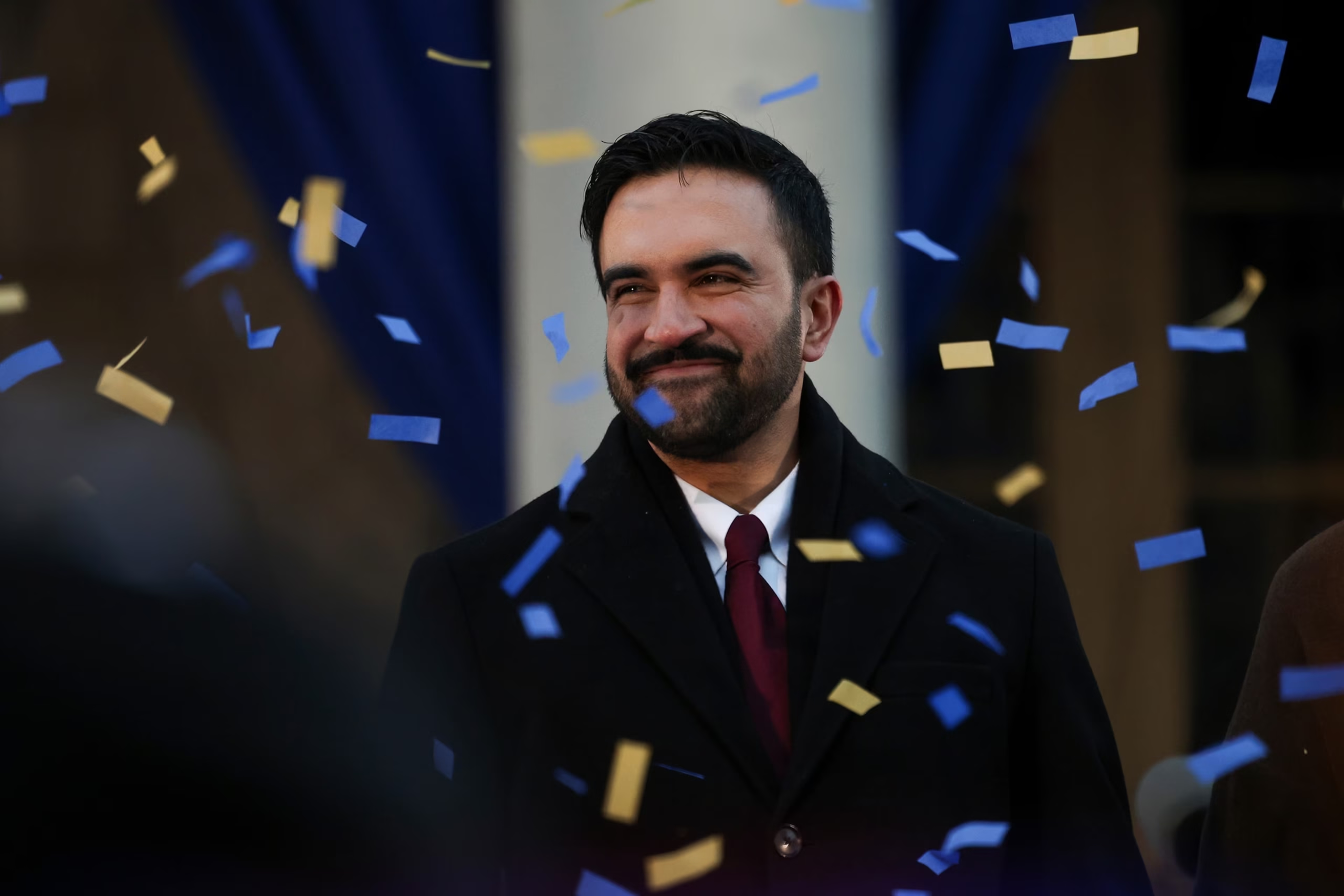
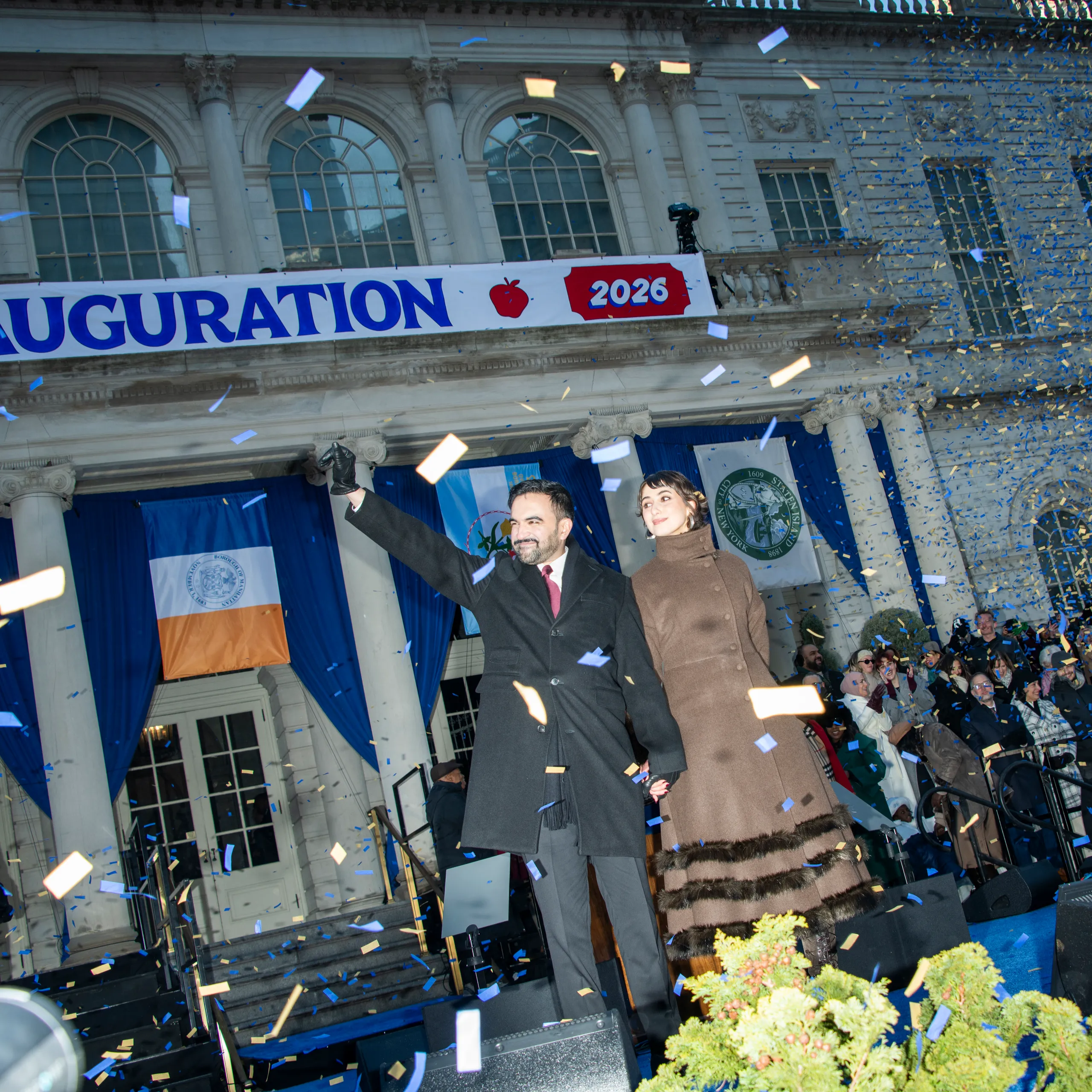
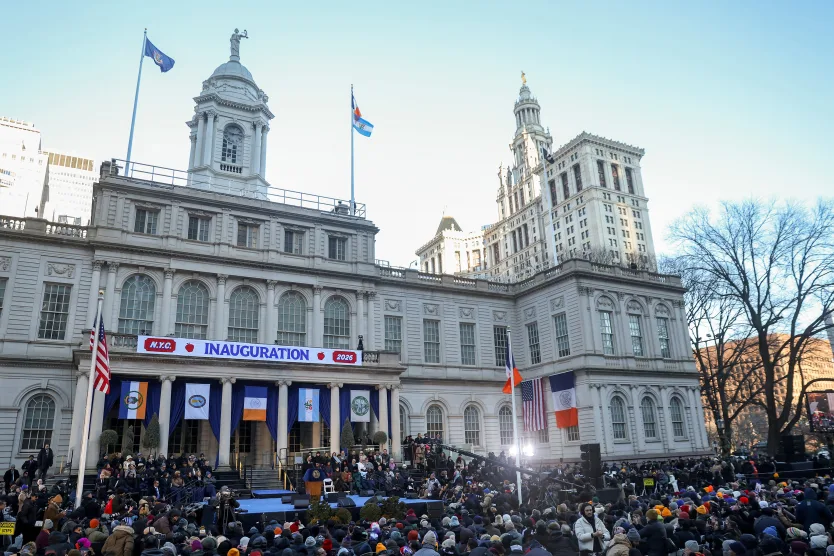
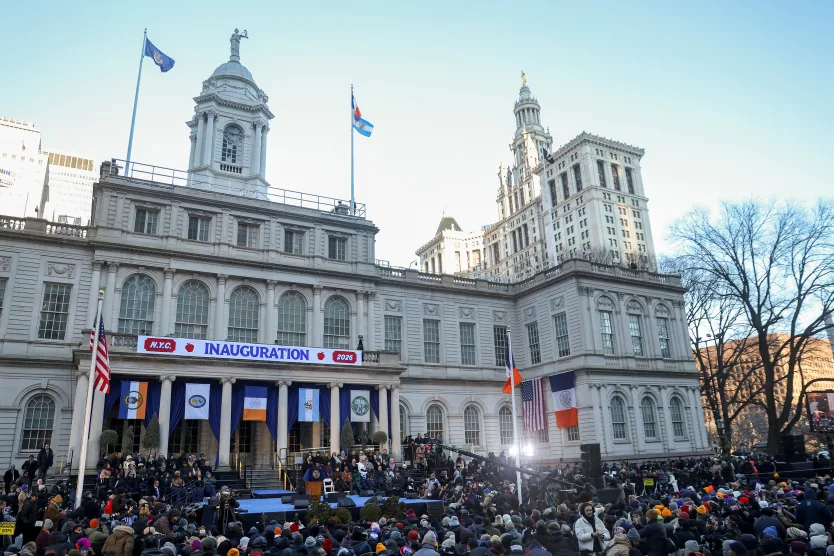
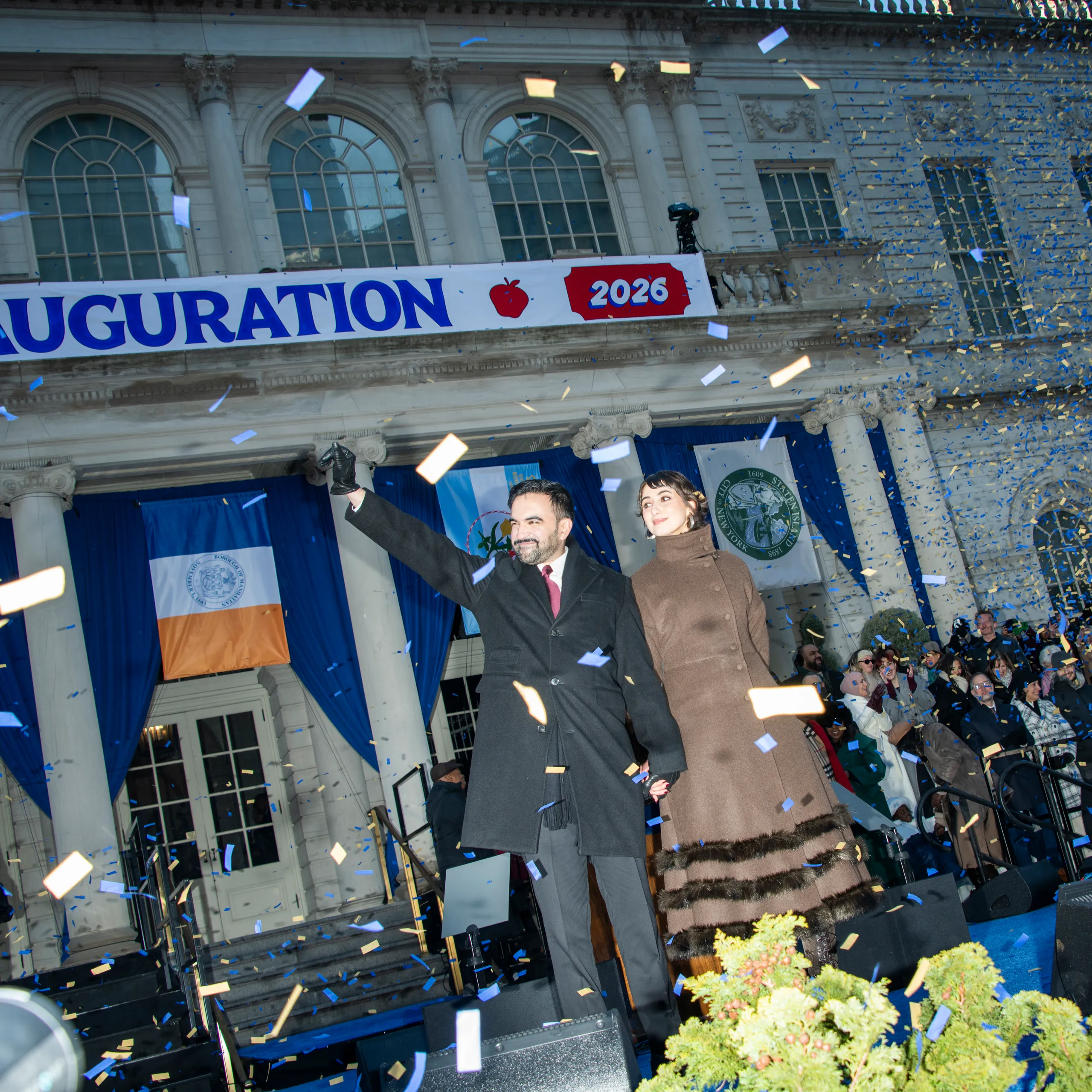
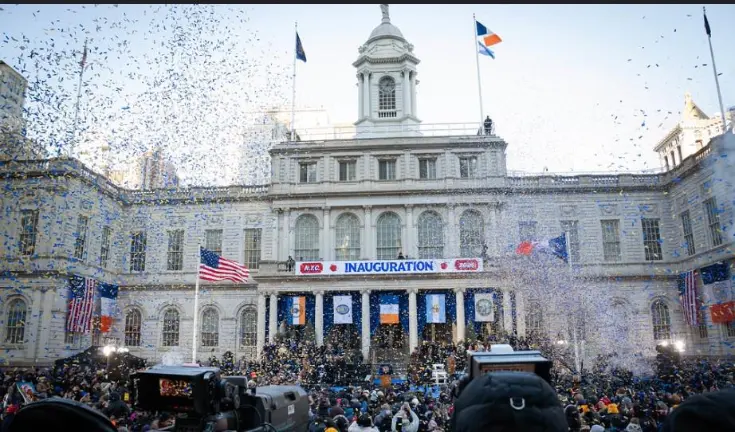
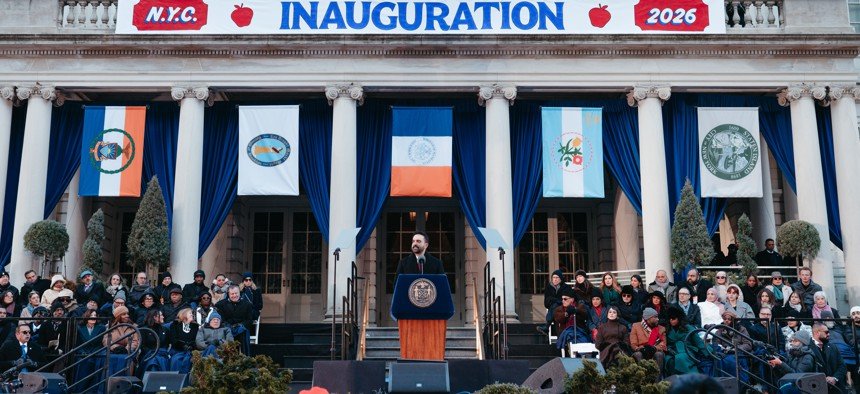
In a sweeping inauguration that broke with tradition and political caution, Zohran Mamdani was sworn in as the 112th mayor of New York City, launching his administration with fiery rhetoric, urgent action, and a resounding message: the era of bold progressive governance has arrived.
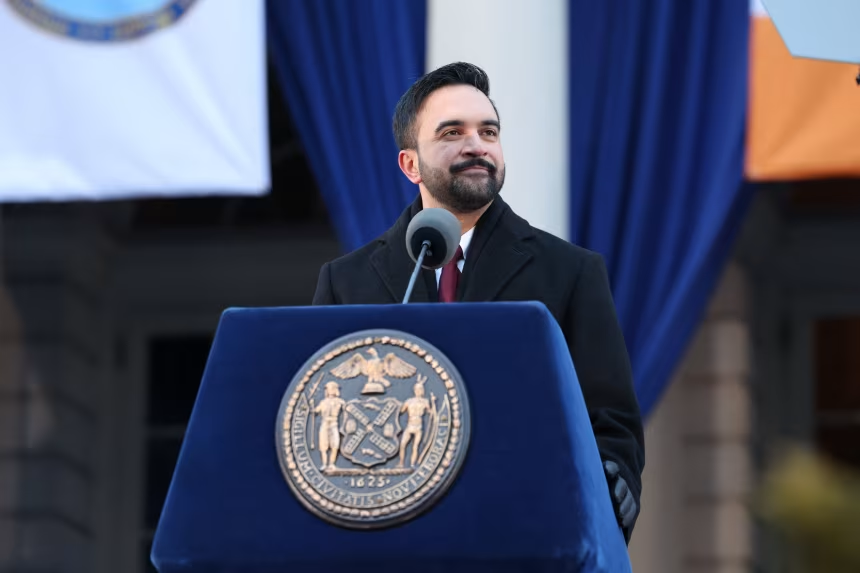
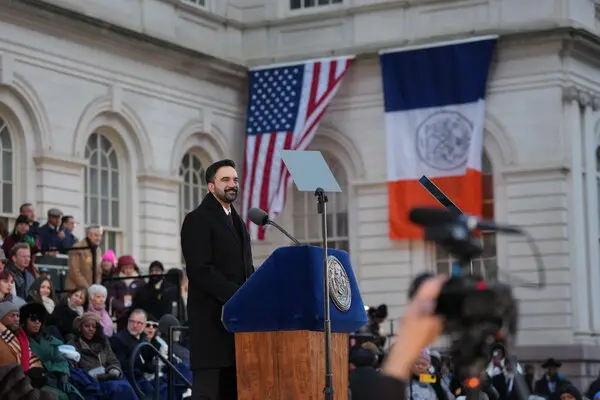
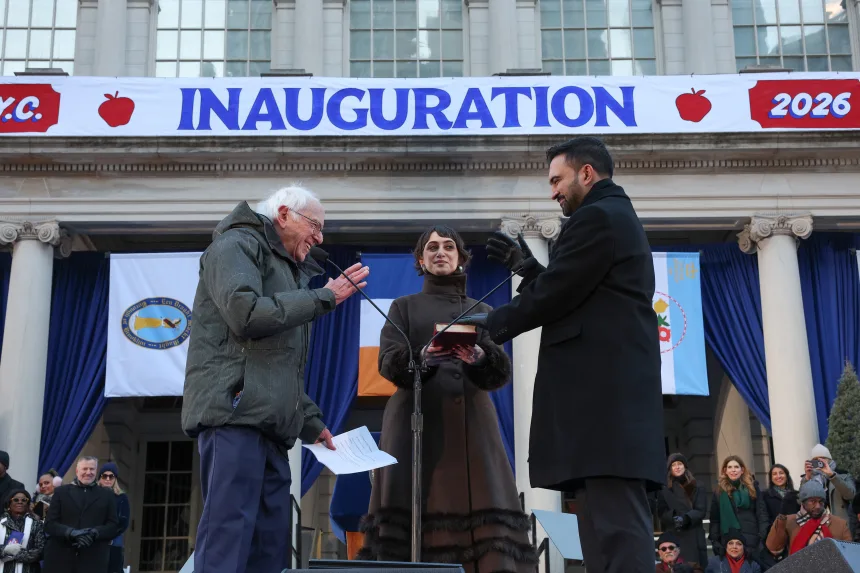
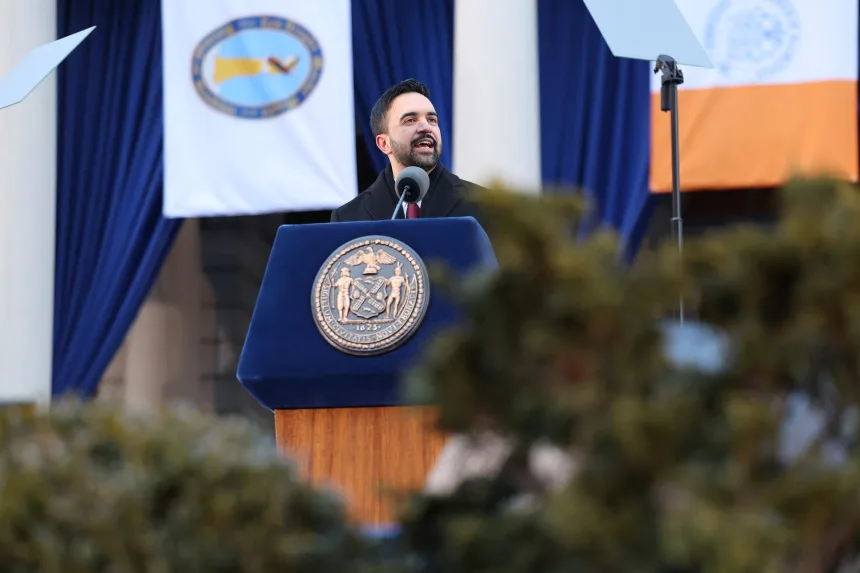
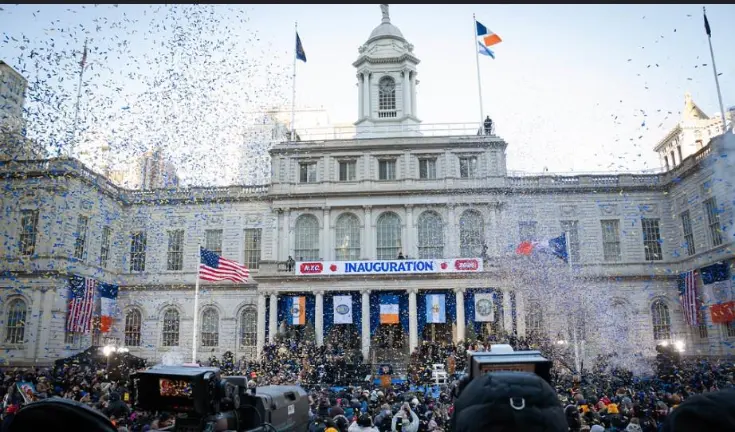
A democratic socialist, Mamdani, 34, made history as the city’s first Muslim, first South Asian, and youngest mayor in more than a century. His inaugural address, delivered from the steps of City Hall in front of tens of thousands of supporters, was a defiant and optimistic declaration of intent. “I was elected as a democratic socialist, and I will govern as a democratic socialist,” he proclaimed. “We may not always succeed, but never will we be accused of lacking the courage to try.”
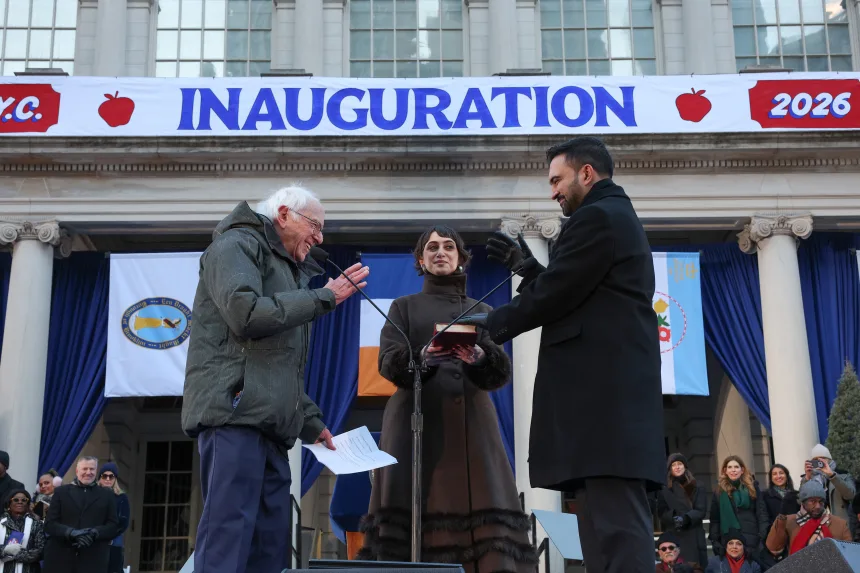
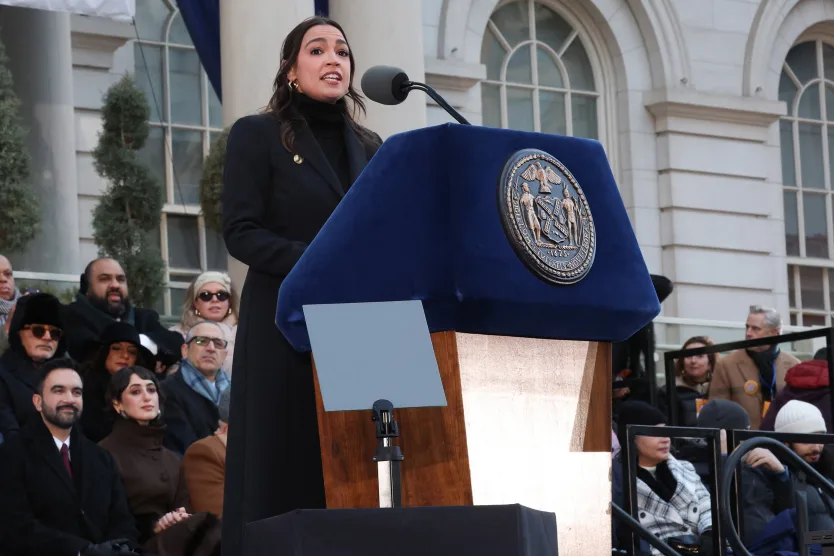
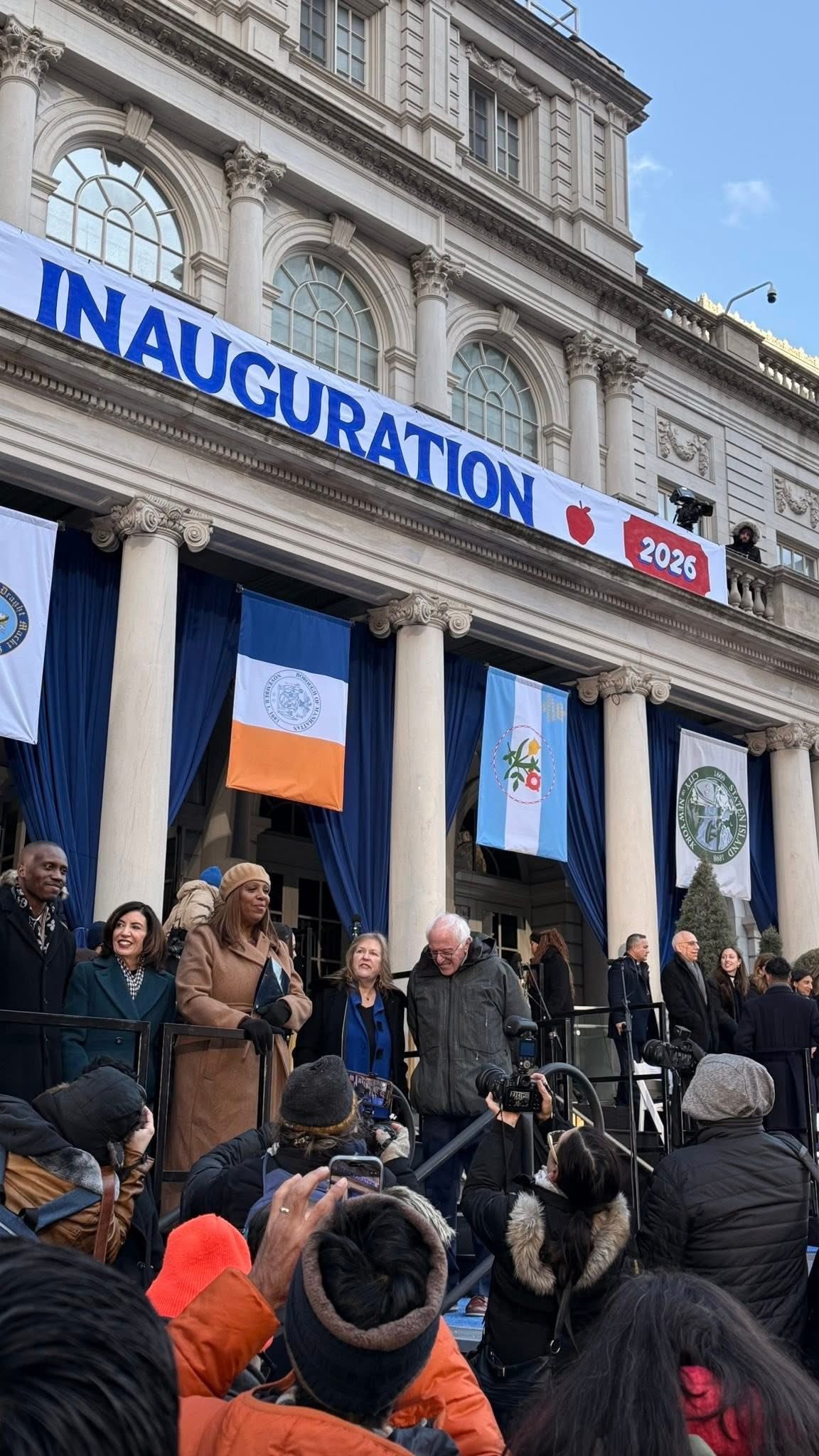
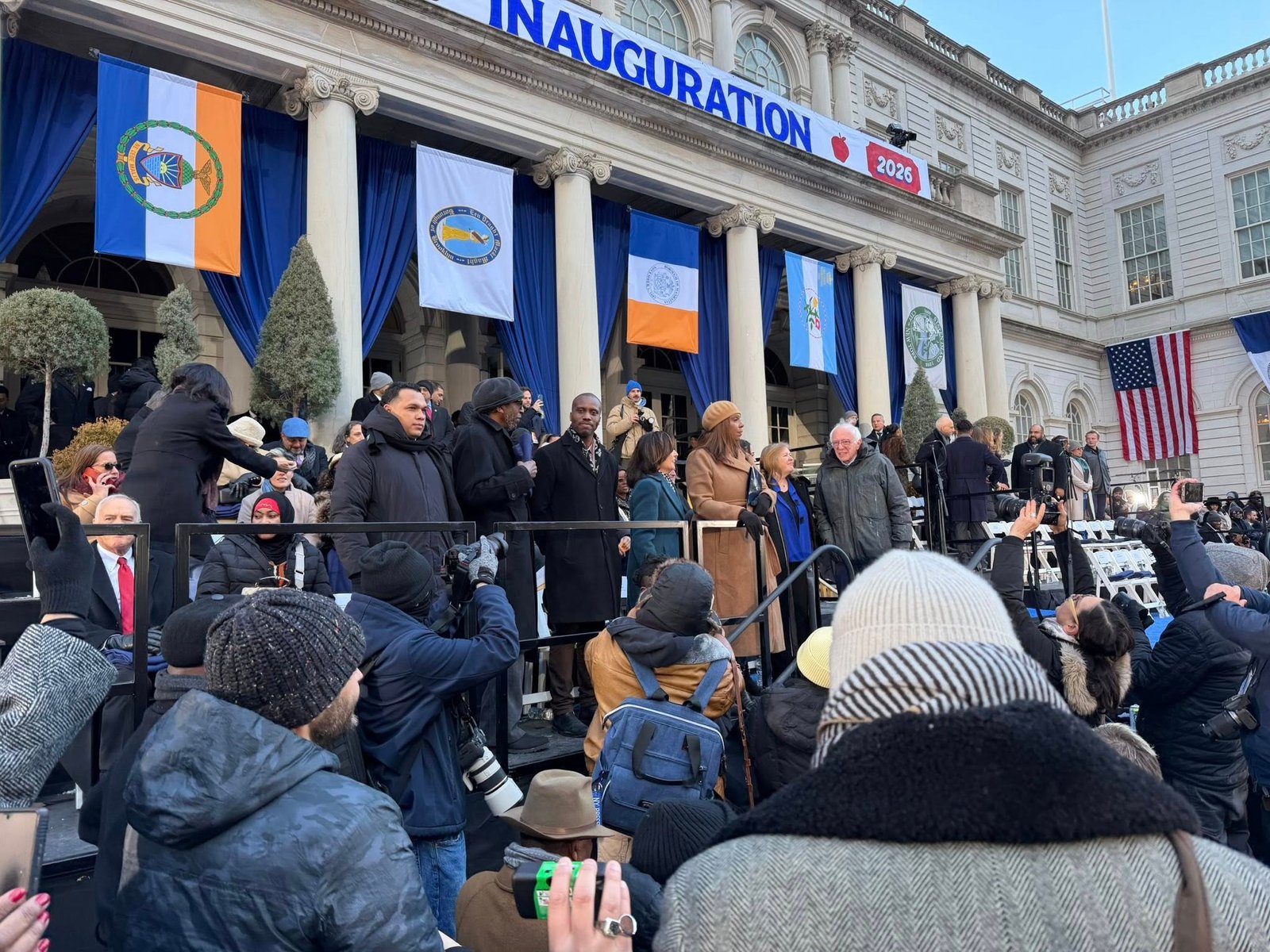
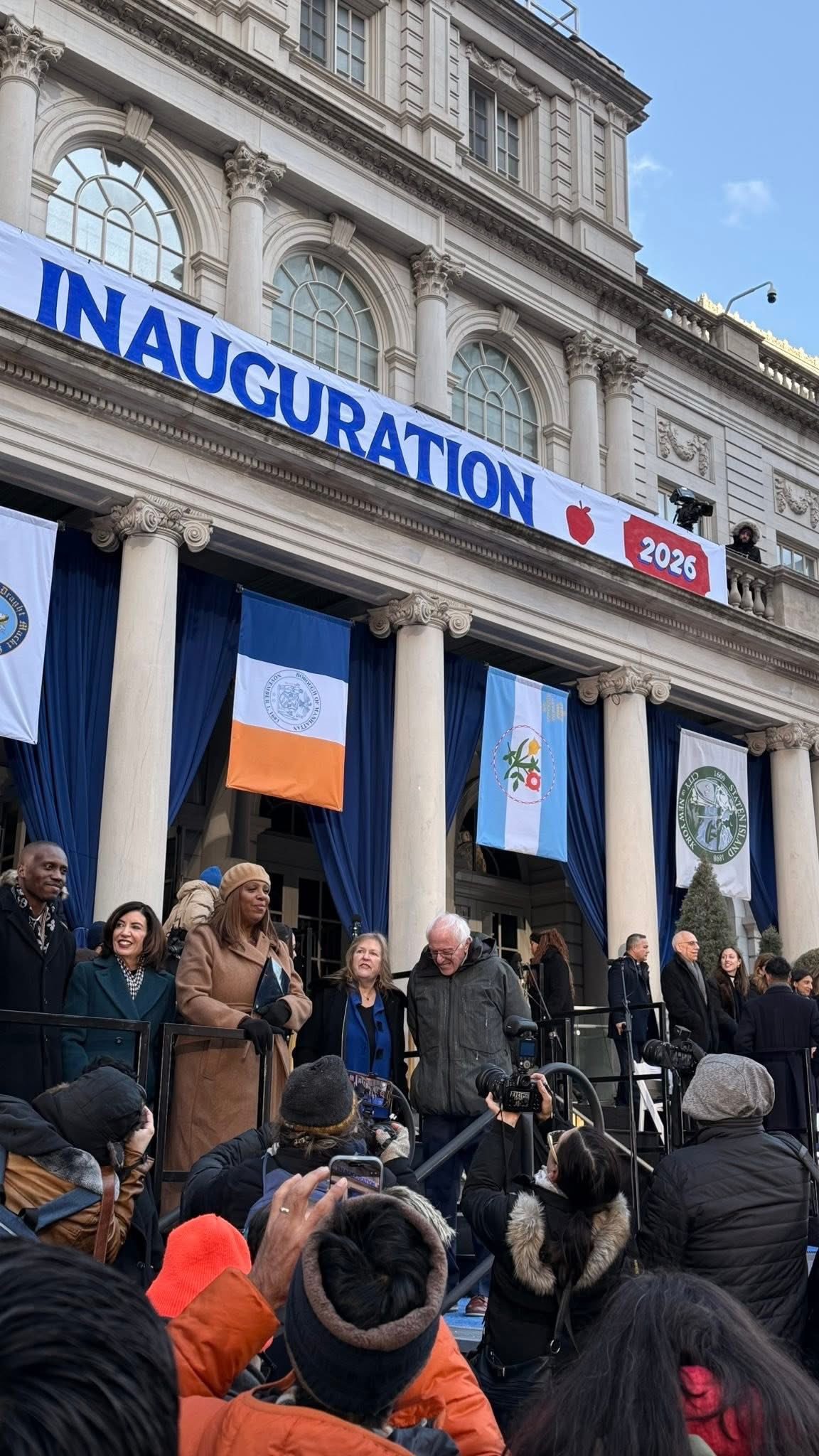
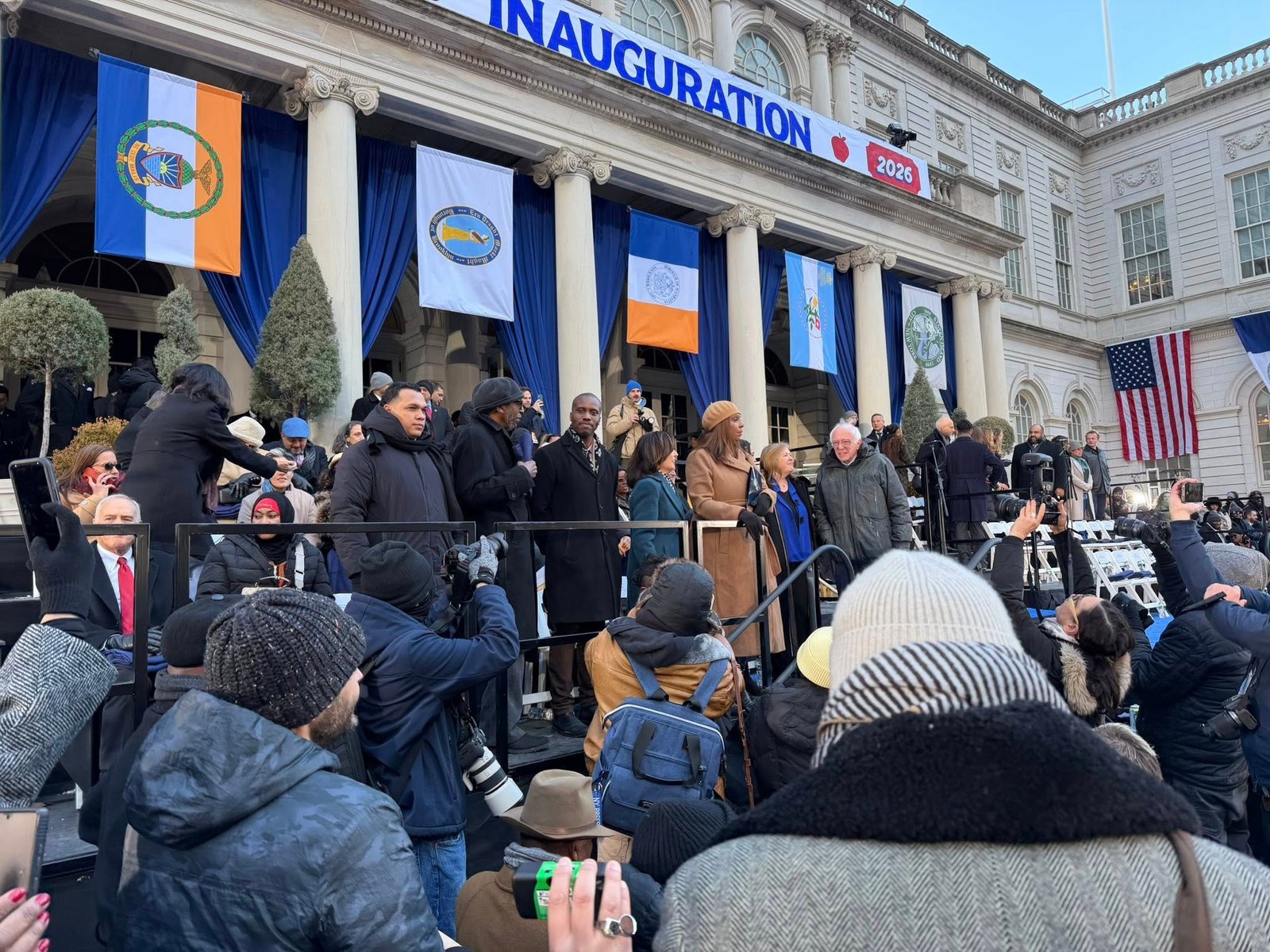
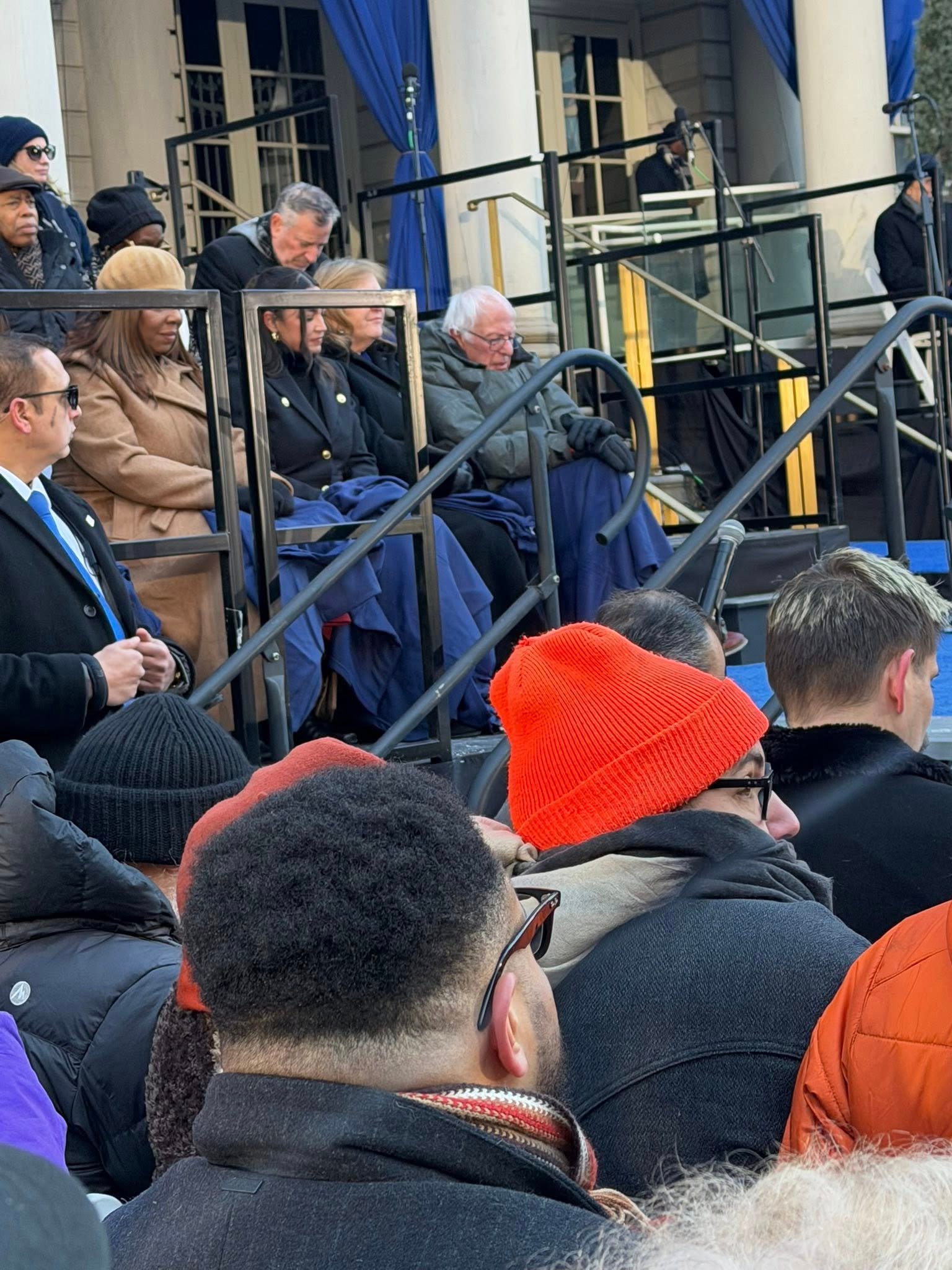
Senator Bernie Sanders administered the public oath, praising New Yorkers for choosing leadership that “gives hope and inspiration to people all over this country.” Sanders and Representative Alexandria Ocasio-Cortez flanked Mamdani during the ceremony, underscoring the national significance of the moment for the American left.
Mamdani’s campaign focused on affordability, public transit, and tenants’ rights. His platform includes free and fast city buses, universal childcare, and a rent freeze for nearly 2 million rent-stabilized tenants. These promises remained central in his inaugural speech. “We will not reset to low expectations,” Mamdani declared. “The only expectation I seek to reset is that of small expectations.”
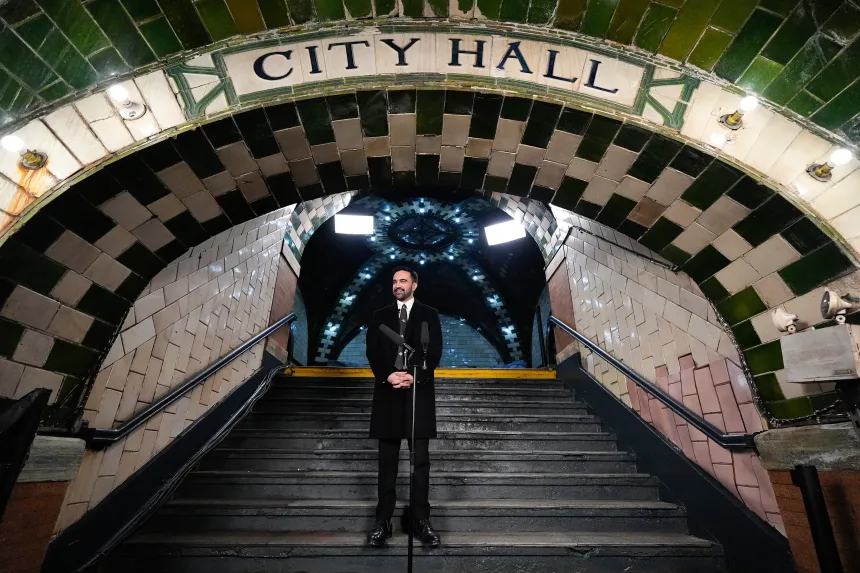
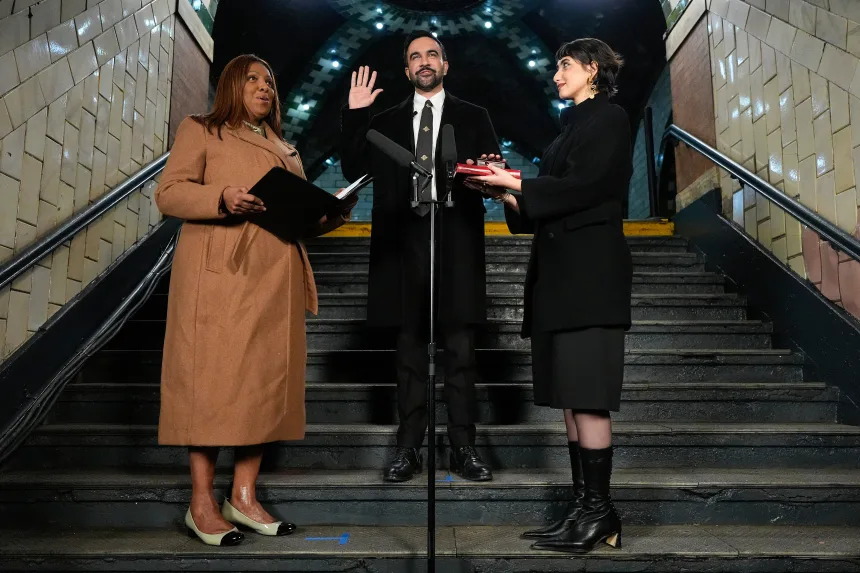
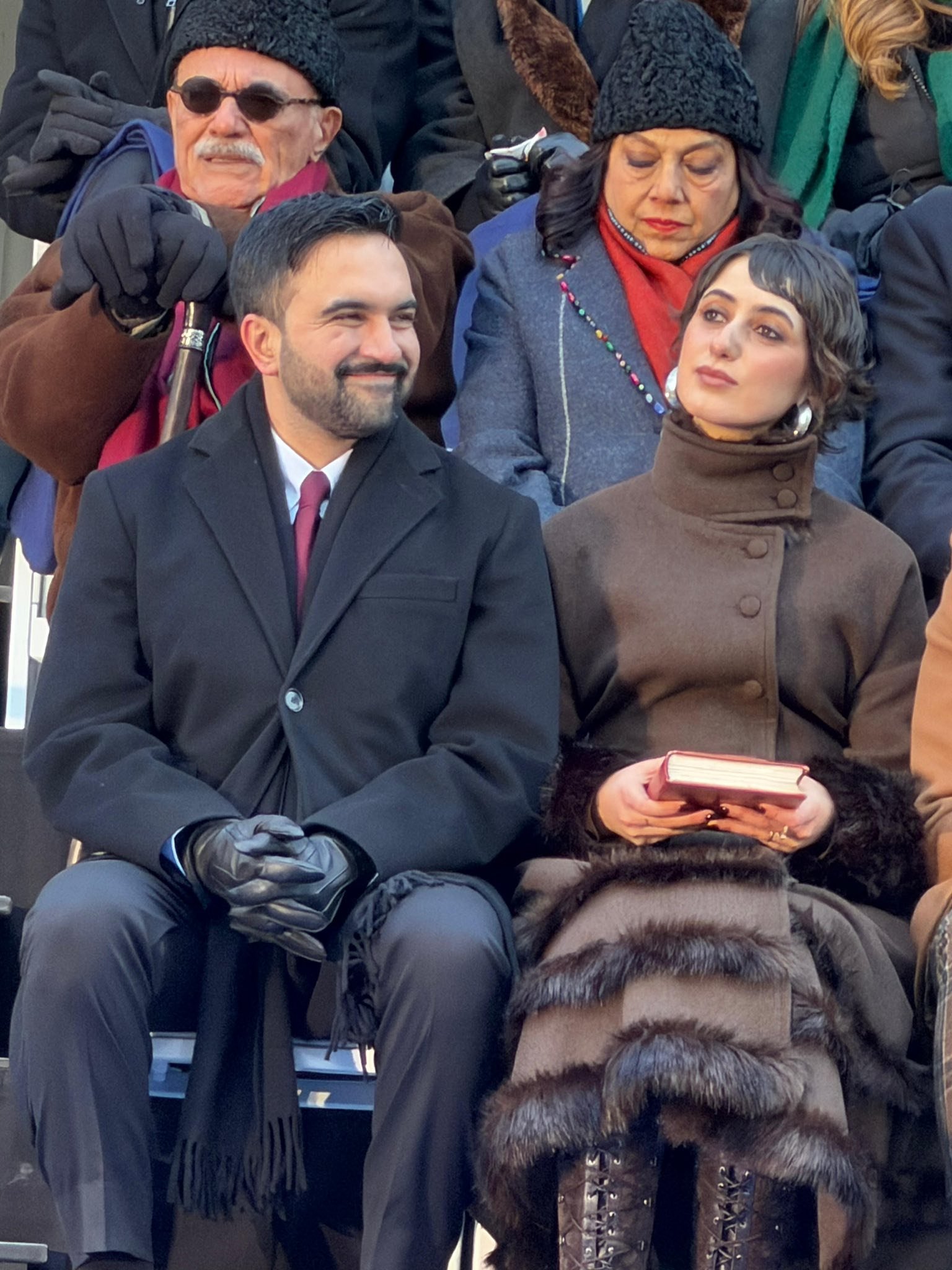
Earlier, in a symbolic midnight swearing-in beneath City Hall at the historic subway station shuttered since 1945, New York Attorney General Letitia James administered the official oath. Mamdani placed his hand on two Qurans—one from the New York Public Library, once owned by Afro-Latino historian Arturo Schomburg, and another passed down from his grandfather.
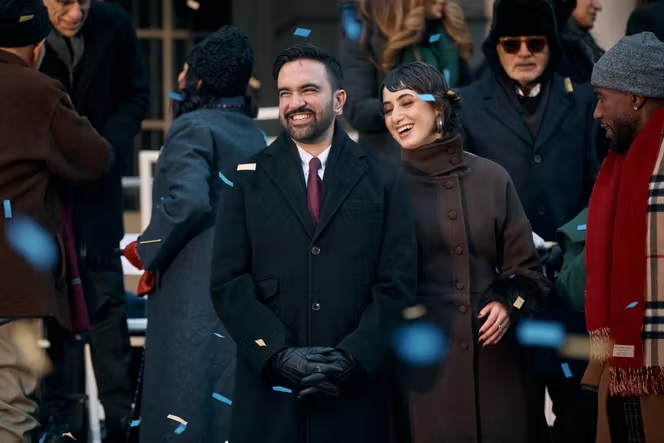
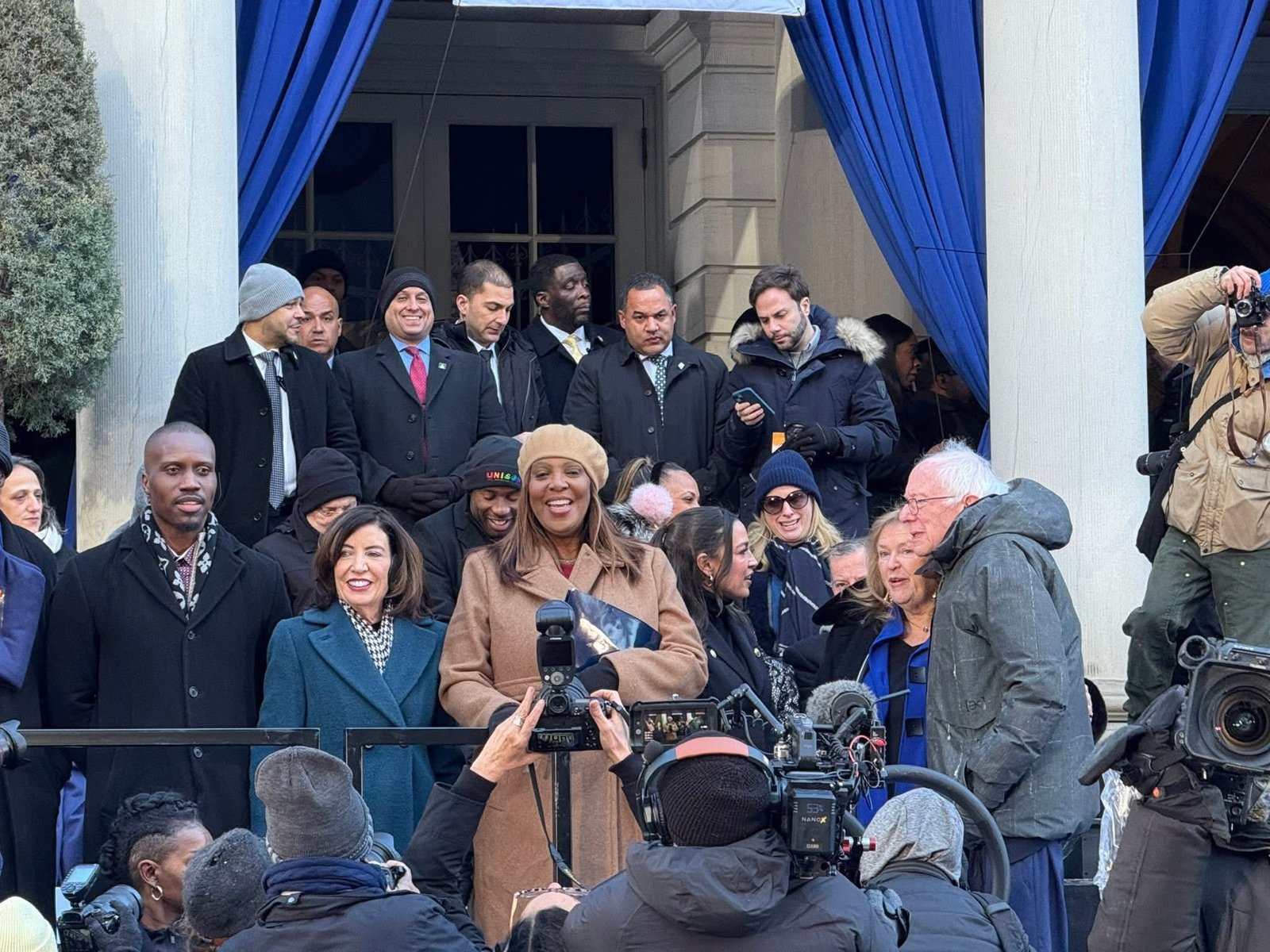
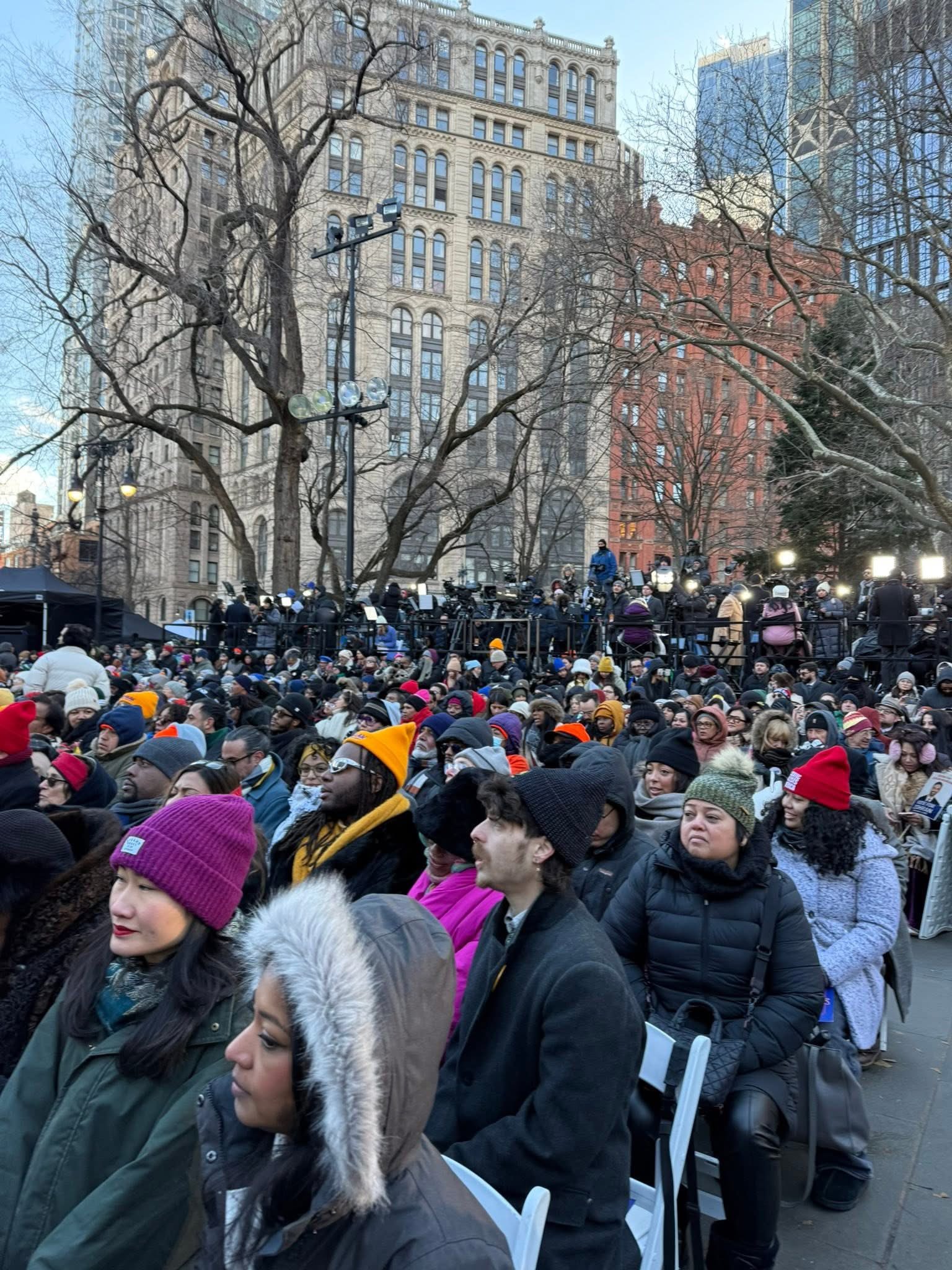
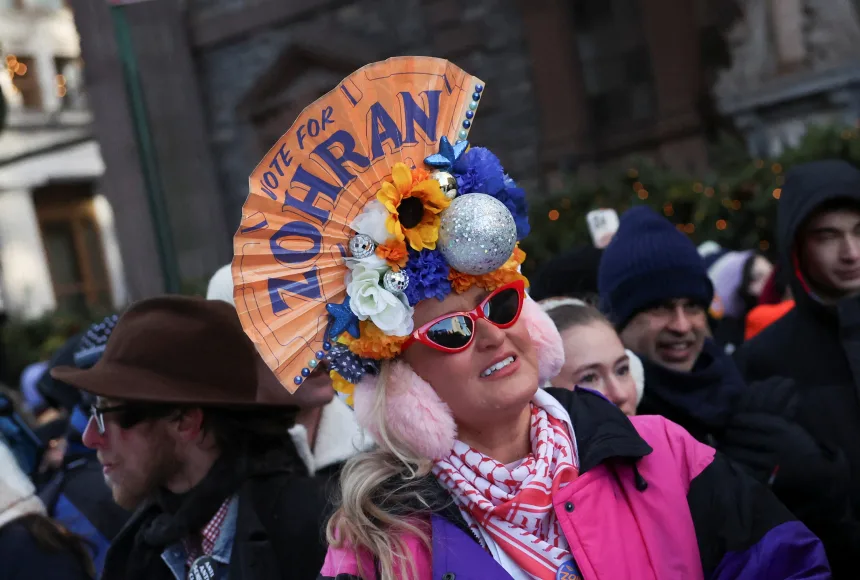
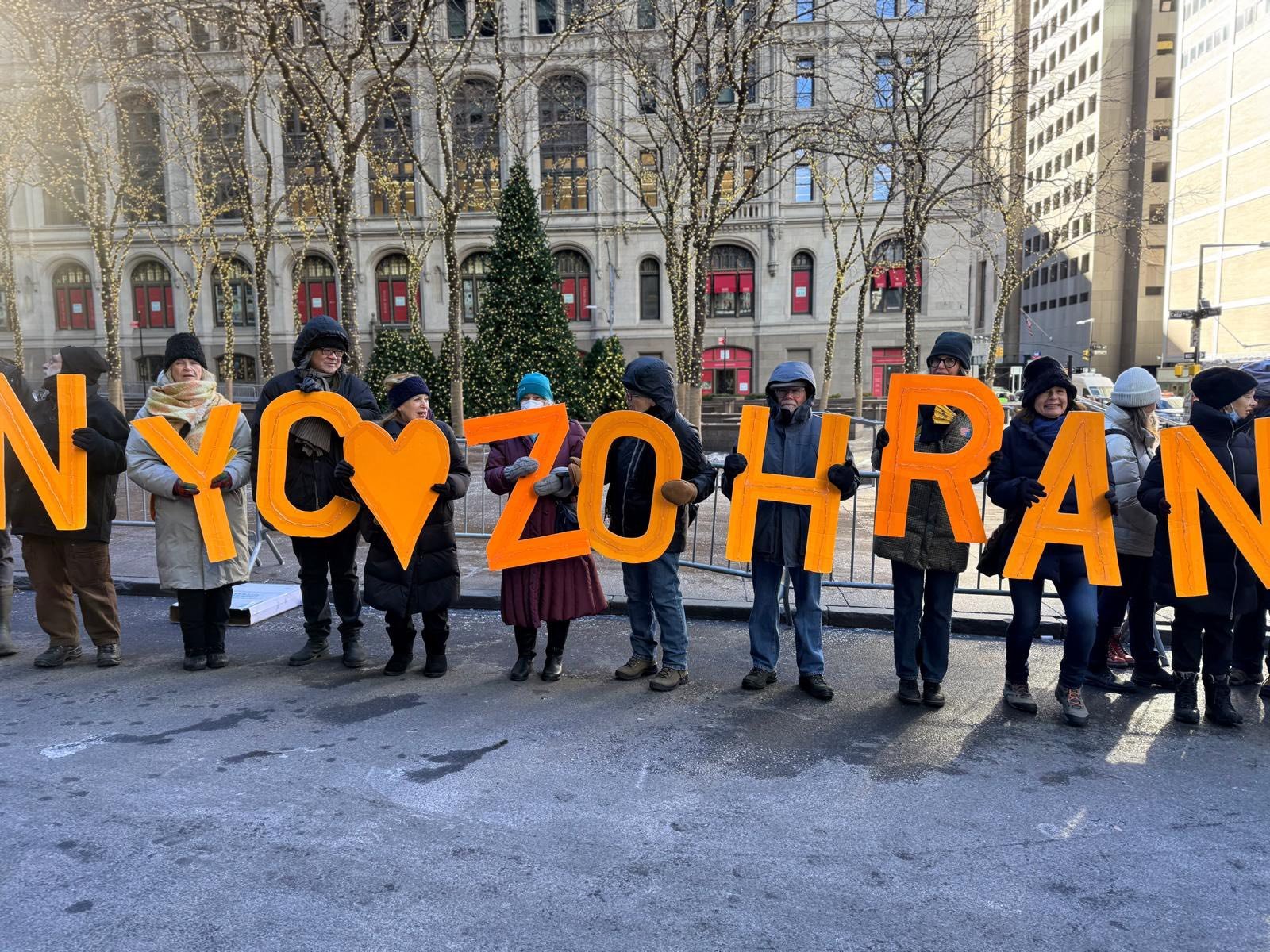
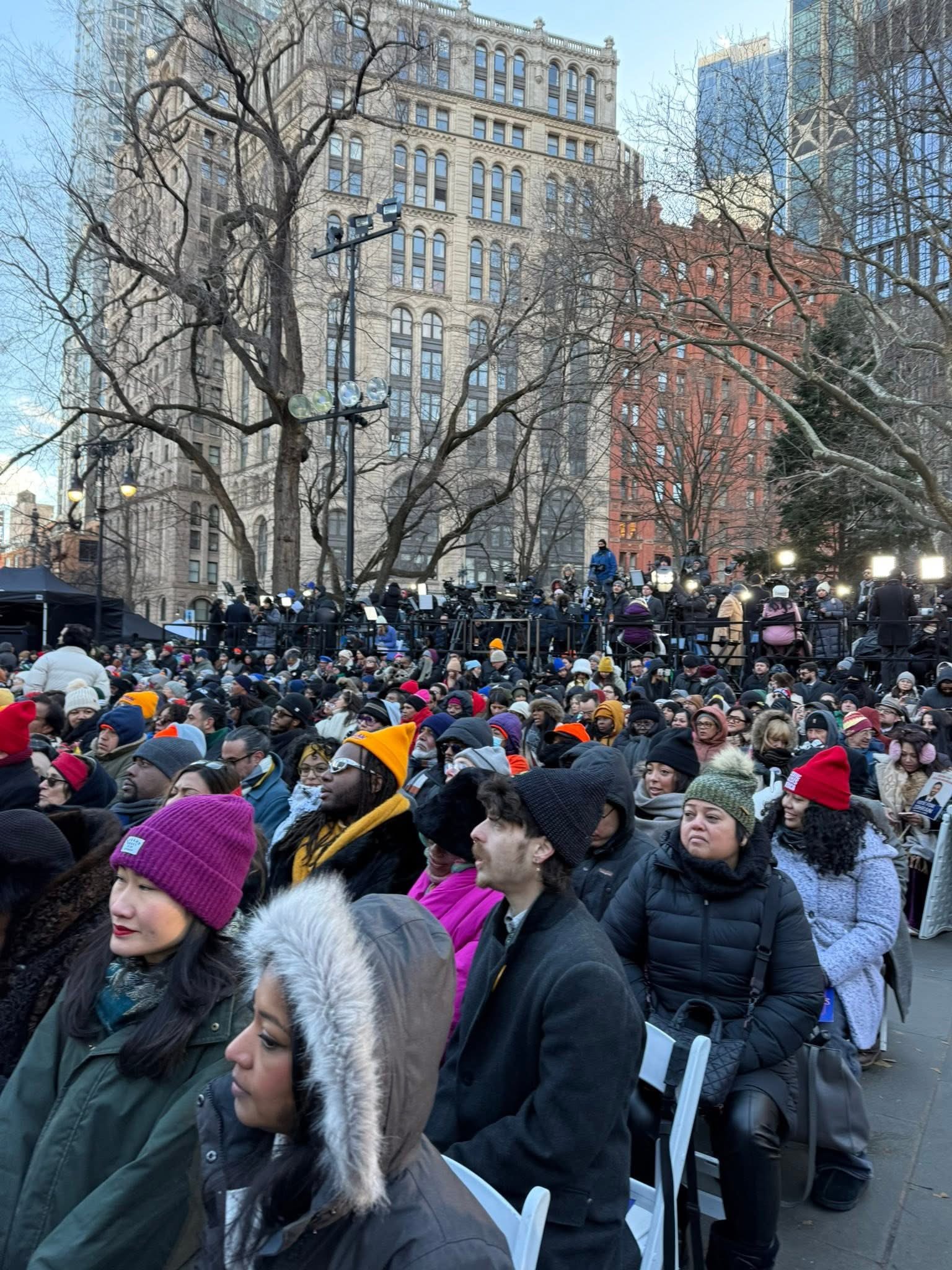
The celebrations extended into a massive seven-block-long block party in Lower Manhattan, where bundled-up New Yorkers gathered despite frigid temperatures. It was a striking departure from the typically exclusive, indoor inaugural ceremonies—fitting for a mayor who campaigned on openness and equity.
On his first day in office, Mamdani moved swiftly to implement policy. At a press conference in a rent-stabilized building in Brooklyn, he signed three executive orders focused on the housing crisis, including the formation of two task forces to identify city-owned land for housing and strategies for development.
“We will not wait to deliver action,” Mamdani said, emphasizing urgency. Deputy Mayor for Housing and Planning Leila Bozorg affirmed the administration’s intent: “Protecting tenants, going after bad landlords, and building more affordable housing—that’s the mission.”
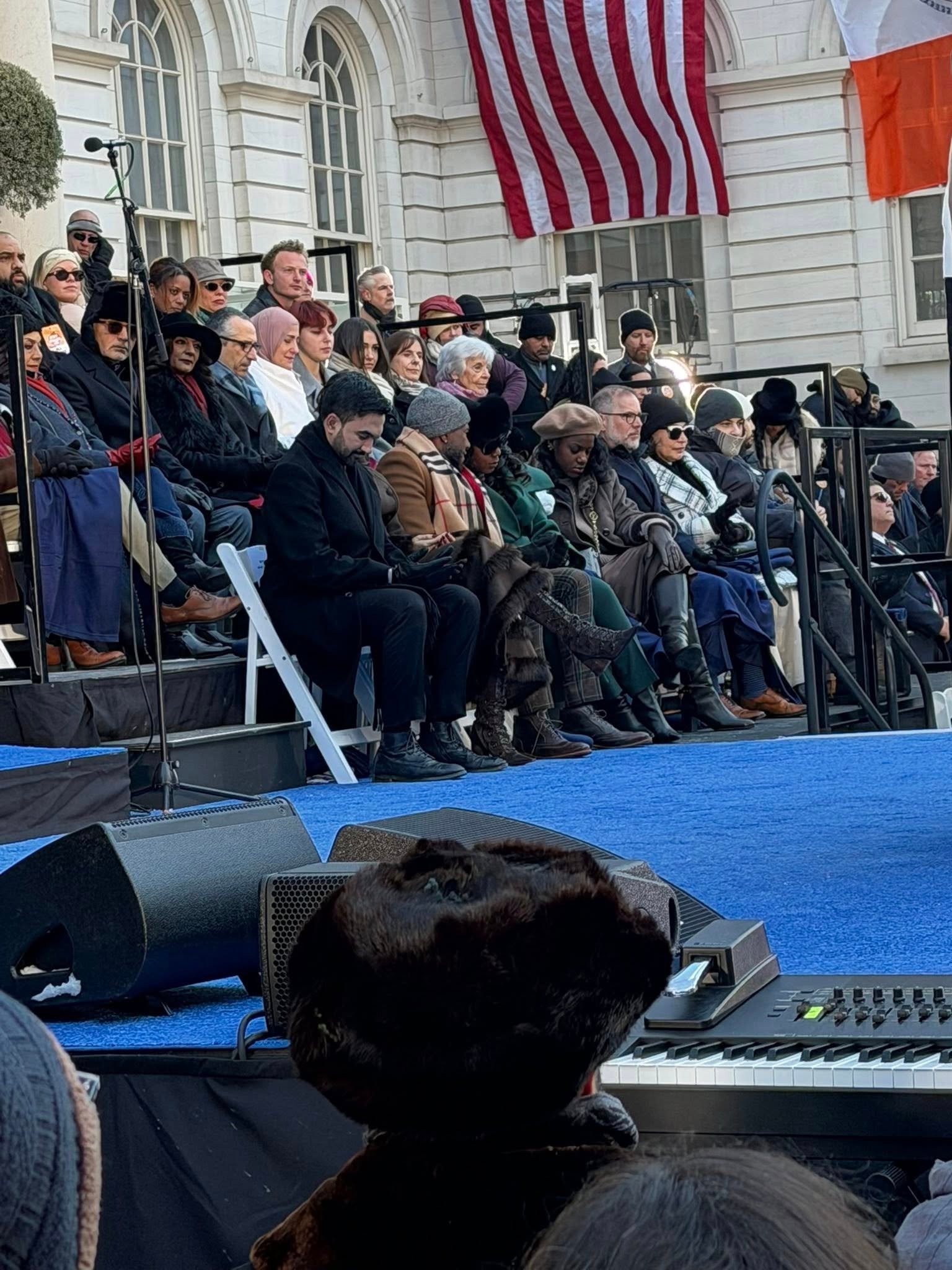
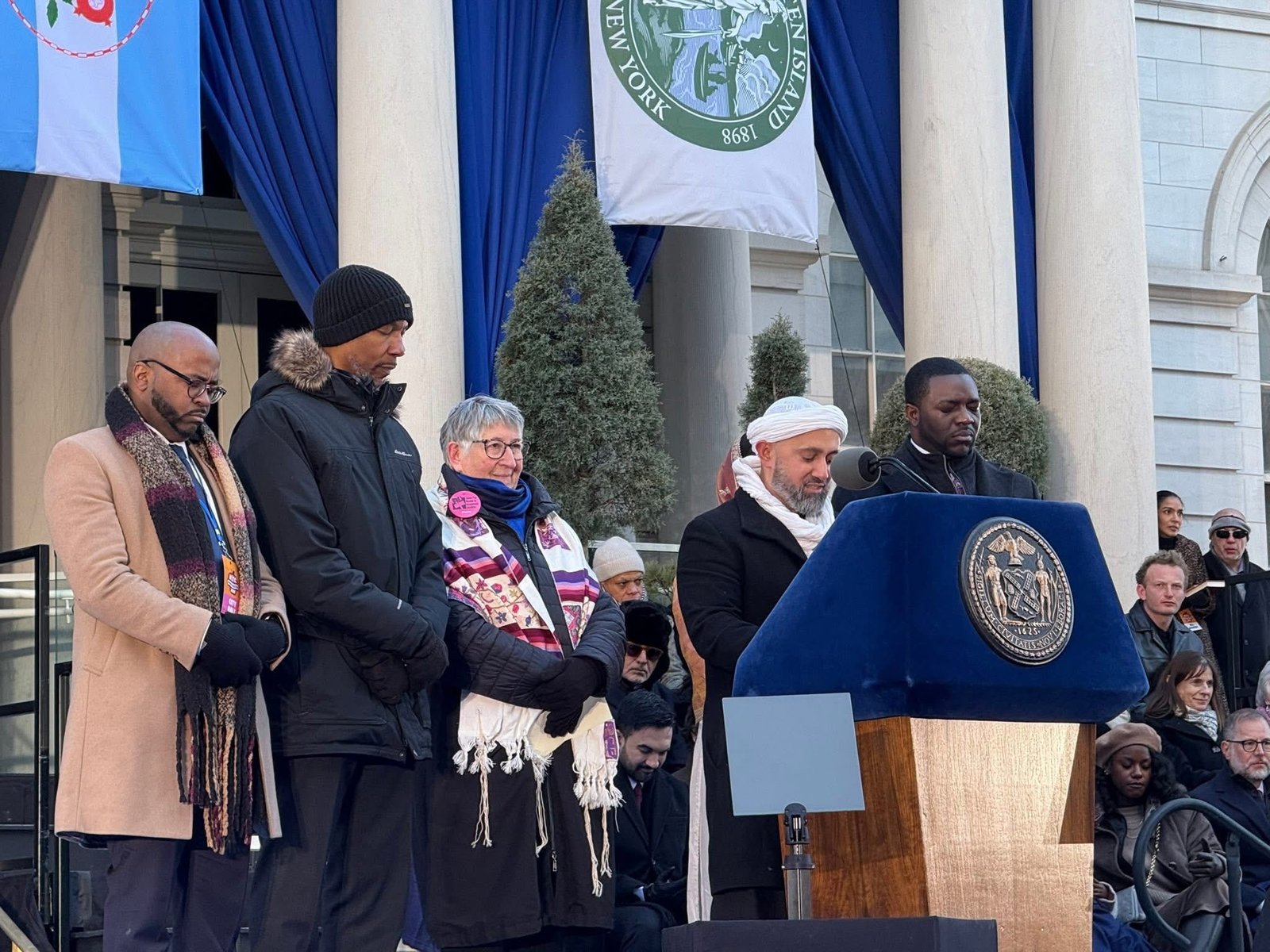
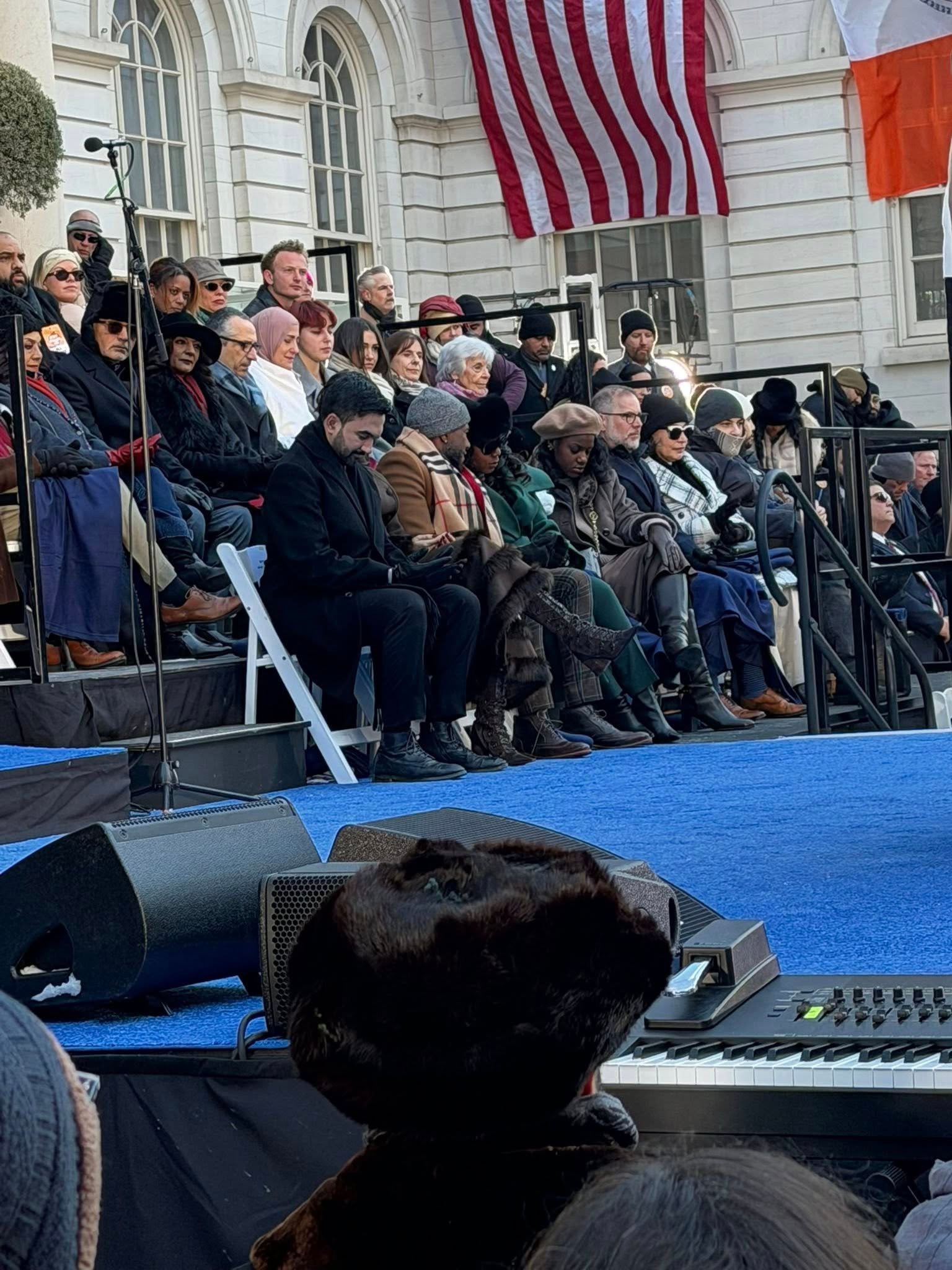
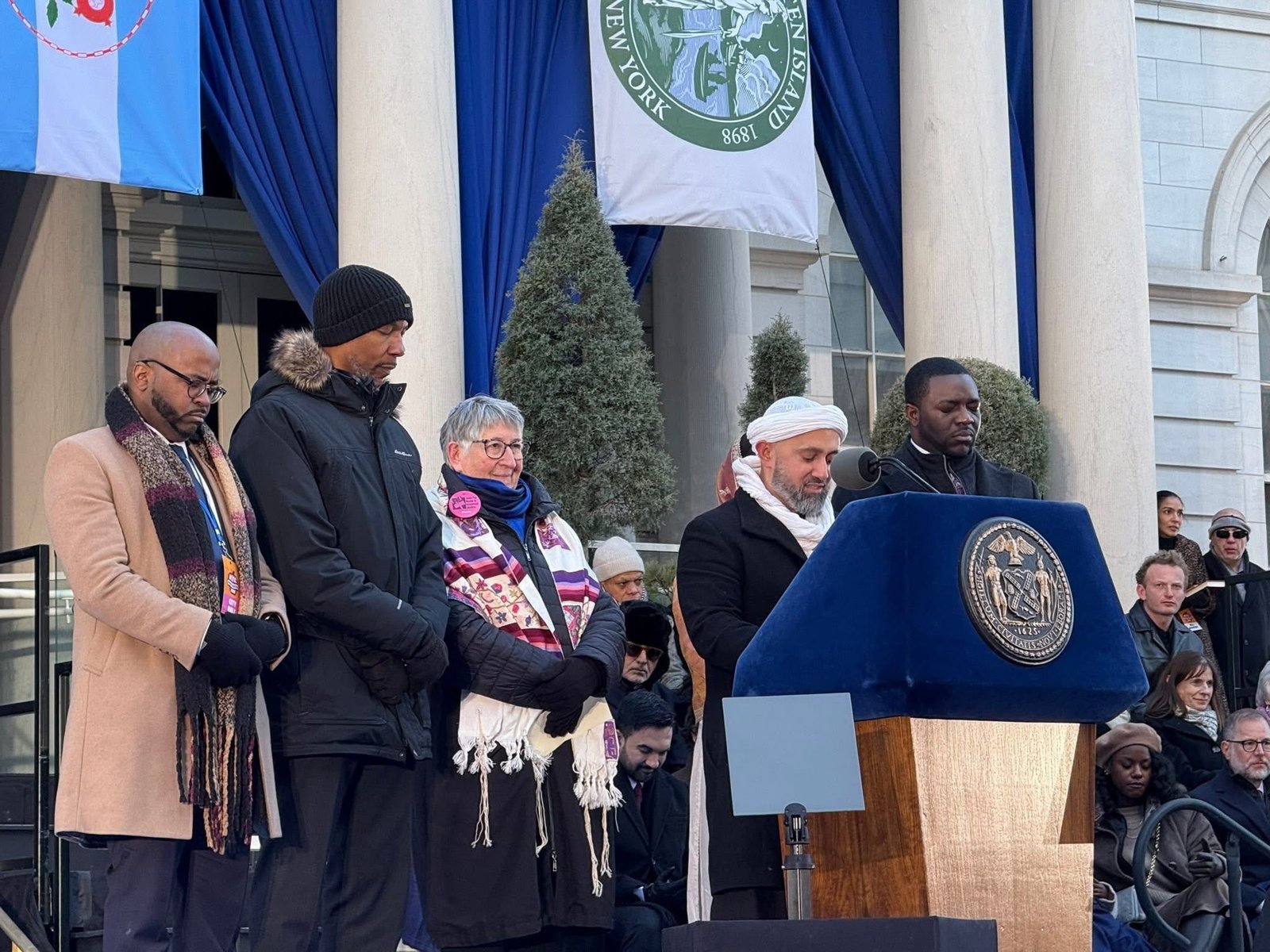
The inauguration, attended by a broad coalition of faith leaders, city officials, and community members, also spotlighted New York’s pluralism. Oaths were taken on the Quran, Bible, and Torah, with speeches delivered in English, Spanish, Hebrew, and Greek.
For many New Yorkers, the day was about more than politics—it was a collective affirmation of the city’s diversity, hope, and demand for economic justice. “My fellow New Yorkers, today begins a new era,” Mamdani said. And for thousands who stood with him, it felt like one already in motion.