Benjamin Lee:
Under the solemn summer skies of Japan, participants from around the world have embarked on a spiritually rich and culturally profound journey as part of the Heiwa Peace Pilgrimage Tour, which began on August 1 and will continue through August 11, 2025. Traveling across Osaka, Nara, Kyoto, Hiroshima, and Nagasaki, the pilgrimage is offering a unique blend of interfaith engagement, historical reflection, and cultural education.
The tour opened with a full-day program in Osaka, where participants visited prominent religious institutions and engaged in meetings with interfaith leaders. This opening day laid the foundation for a journey rooted in dialogue, spiritual exploration, and global understanding. It was an opportunity not just to observe sacred spaces, but to exchange perspectives with those dedicated to peace-building across traditions.
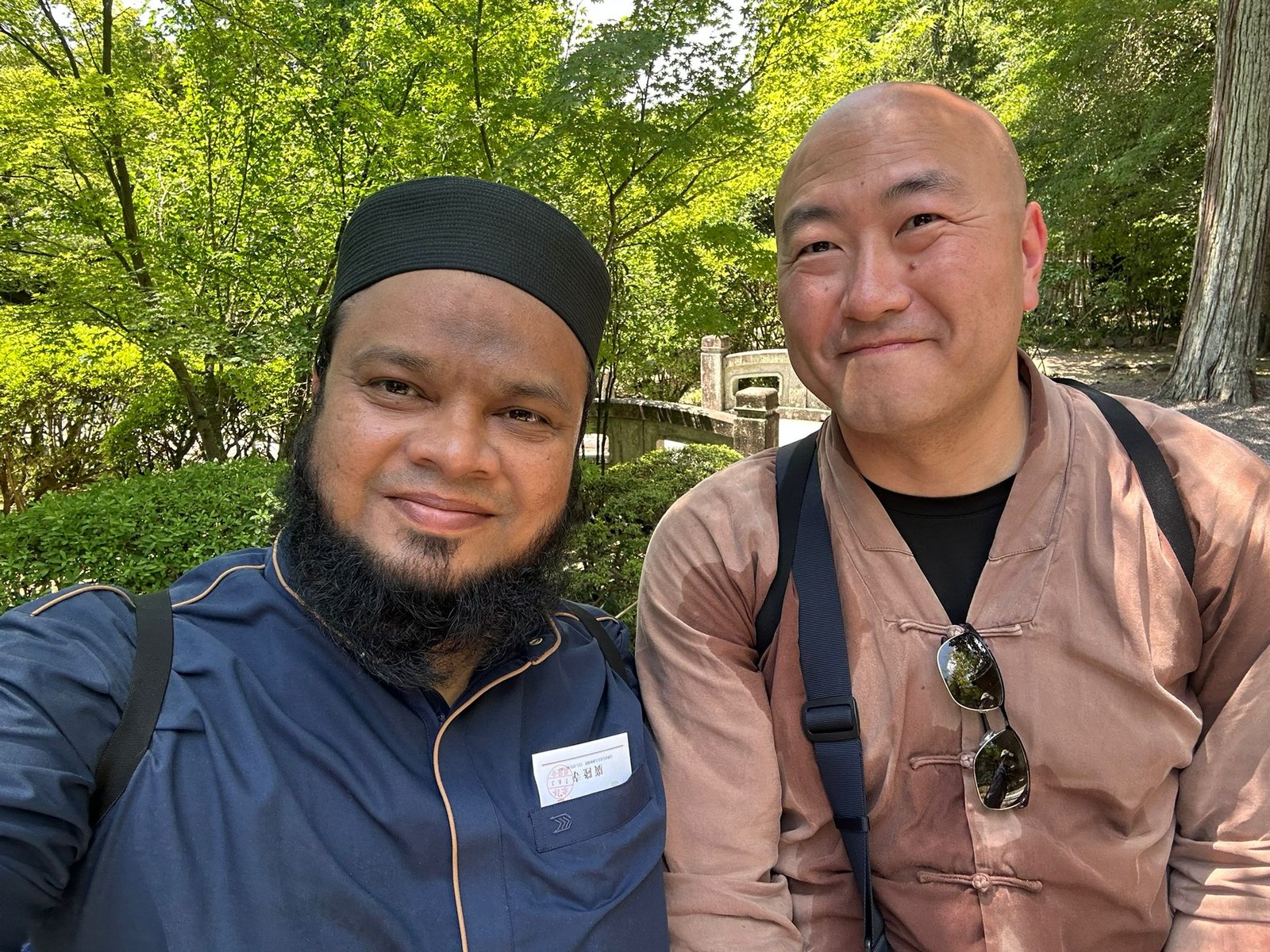
The following day, the group continued to Kyoto, a city known for its deep spiritual roots and historical richness. The day included visits to several key religious institutes, where participants met with local spiritual leaders from diverse backgrounds. These encounters culminated in a conference and peace walk, uniting international delegates and Japanese faith leaders in a shared call for compassion and justice. The rest of the day was spent exploring Kyoto’s historic and cultural sites, adding a rich layer of context to the spiritual connections made earlier.
In Nara, pilgrims stood before the towering Great Buddha of Tōdai-ji and explored the historic grounds of Kōfuku-ji Temple, surrounded by the sacred deer of Nara Park, revered in Shinto tradition as divine messengers. Each stop deepened the group’s appreciation for the spiritual continuity and cultural depth of Japan’s sacred sites.
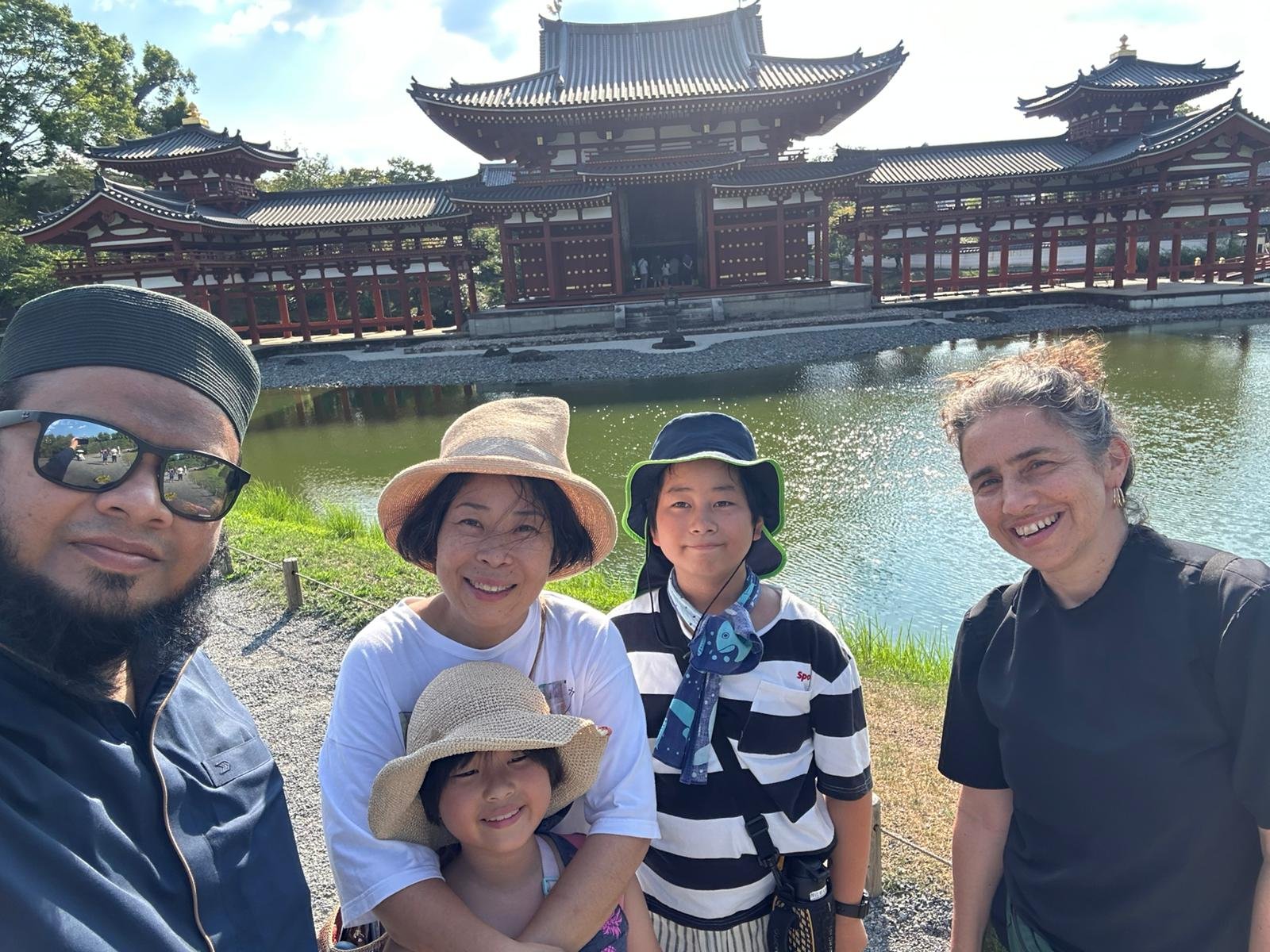
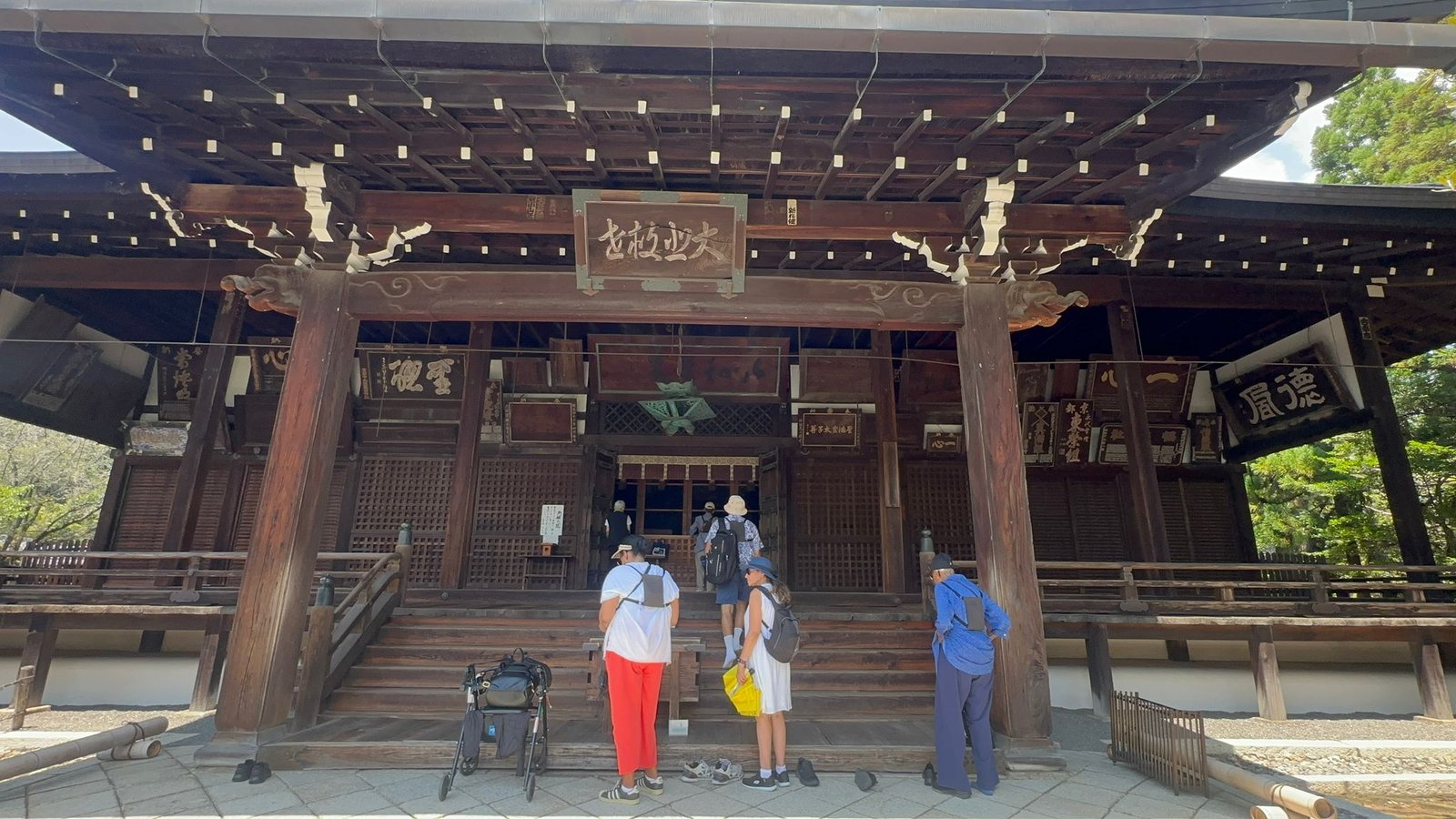
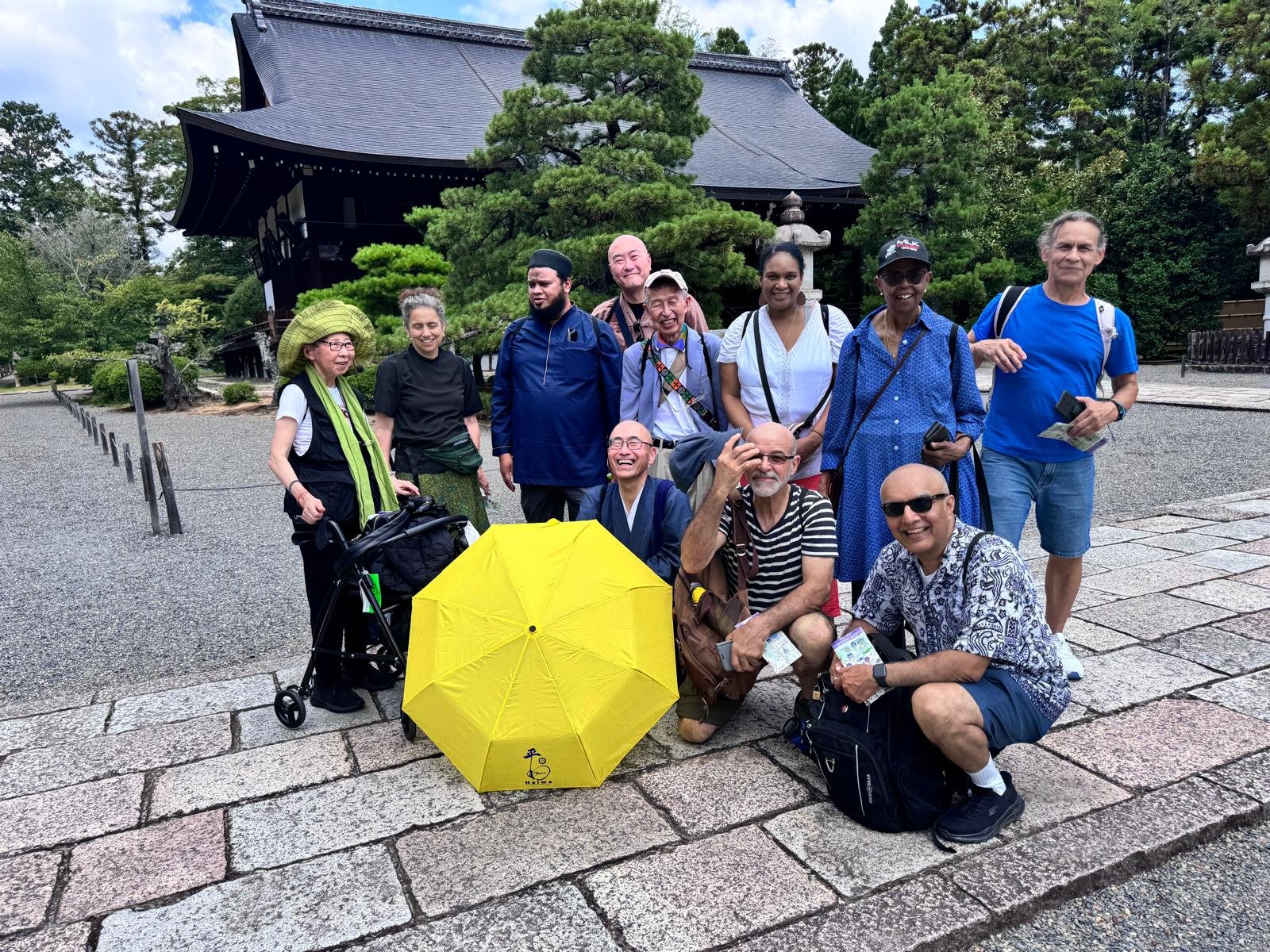
Now continuing through Kyoto, the delegation has visited one of the city’s oldest temples, Kōryū-ji, dating back to 603 CE. Its historic halls hold national treasures, including a wooden statue of Miroku Bosatsu from the Asuka Period. Additional key visits include the visually striking Fushimi Inari Shrine, the iconic Byodo-in Temple in Uji, and the solemn wooden interior of Sanjusangendo, which houses 1,001 statues of the goddess Kannon.
Each day of the pilgrimage begins with silent meditation and prayer, often before sunrise, grounding participants in reflection as they walk the same paths once tread by monks and seekers centuries ago. These experiences offer more than cultural insight—they open doors to personal transformation and global solidarity.
Later this week, the group will travel to Hiroshima to take part in events marking the 80th anniversary of the atomic bombing. Ceremonies will be held at the Hiroshima Peace Memorial Park, A-Bomb Dome, and Peace Museum, followed by a moving tōrō nagashi (lantern floating) ceremony. In Nagasaki, participants will continue their journey of remembrance with visits to Peace Park, Urakami Cathedral, and the atomic bomb epicenter, alongside concerts, dialogues, and interfaith services.
Throughout the tour, participants are immersing themselves in Japan’s spiritual legacy—from UNESCO World Heritage Sites to quiet shrines and community gatherings—while forging relationships that transcend borders, faiths, and generations. Visits to Miyajima’s Itsukushima Shrine, Kokedera (Moss Temple), and Nishi Hongan-ji further reflect the pilgrimage’s commitment to mindful travel and collective healing.
Though the journey is still in progress, its impact is already being felt. It is fostering mutual understanding, intergenerational dialogue, and a renewed sense of responsibility to peace. As one participant shared during a group reflection, “Walking through places where peace was once shattered is already shaping how we choose to rebuild it in ourselves and in the world.”
From the contemplative paths of Kyoto to the solemn silence of Hiroshima, the Heiwa Peace Pilgrimage is more than a cultural journey—it is a living testimony to memory, unity, and the enduring pursuit of peace.
For more blogs, visit nyn.press