Jessica Morgan:
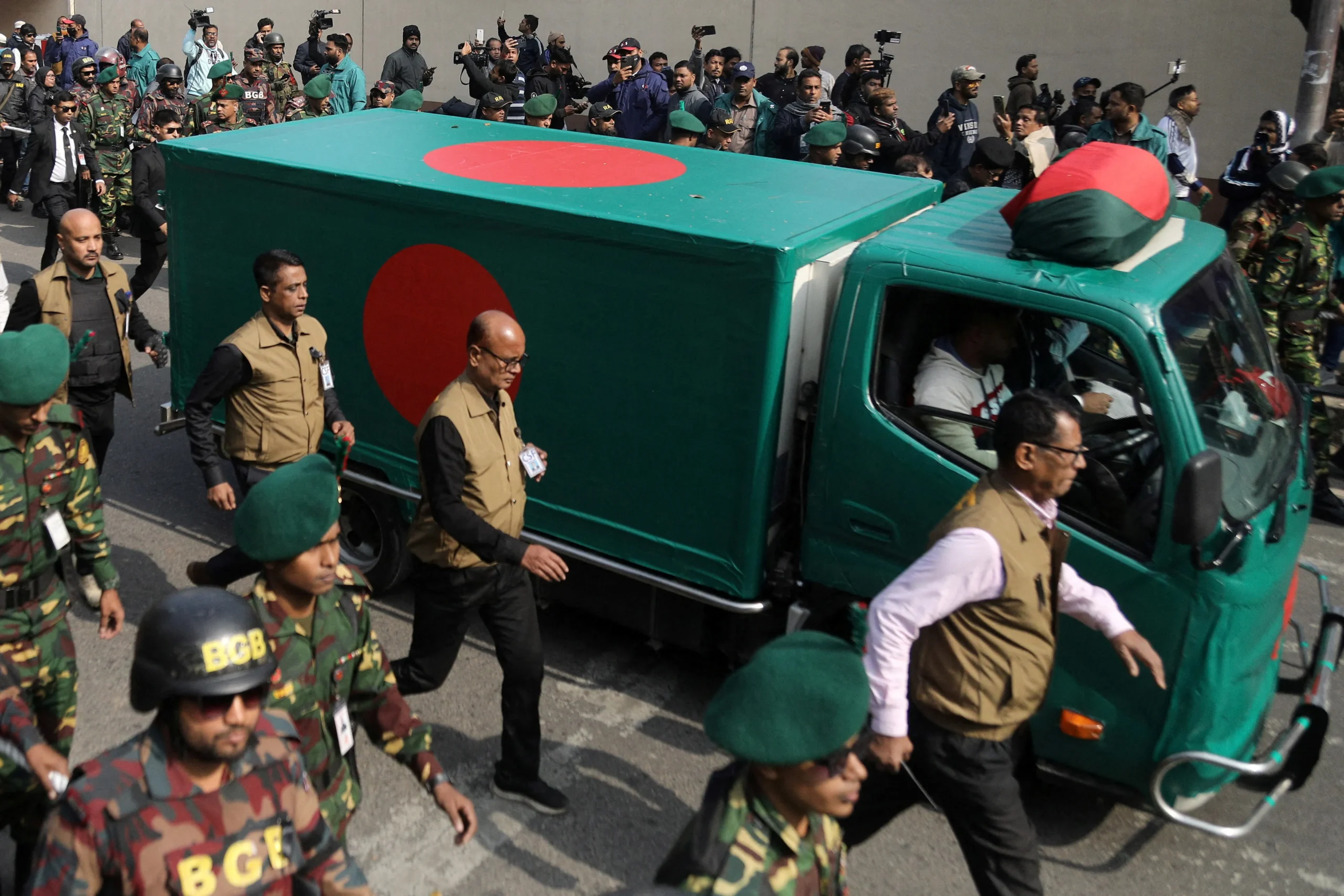
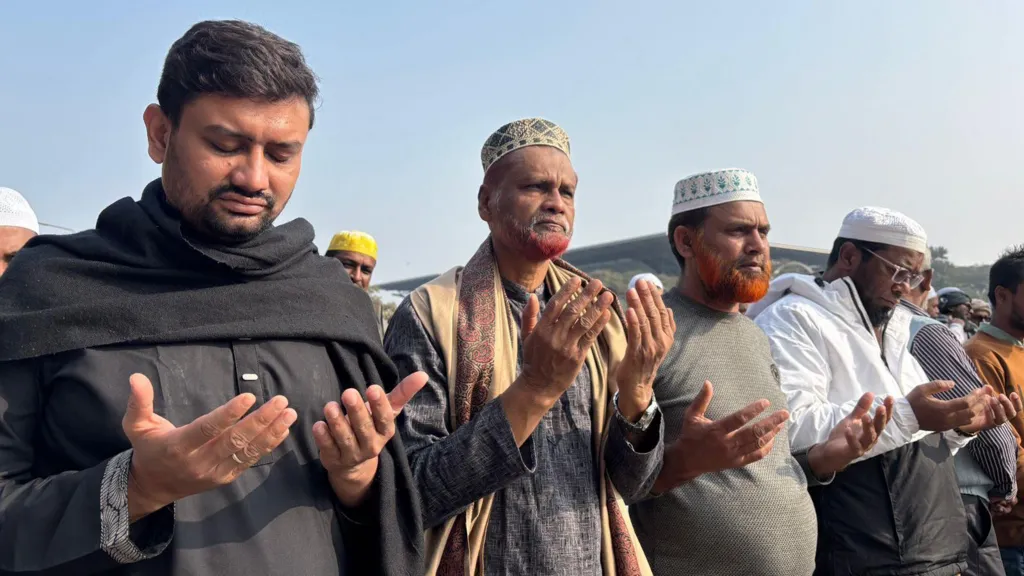
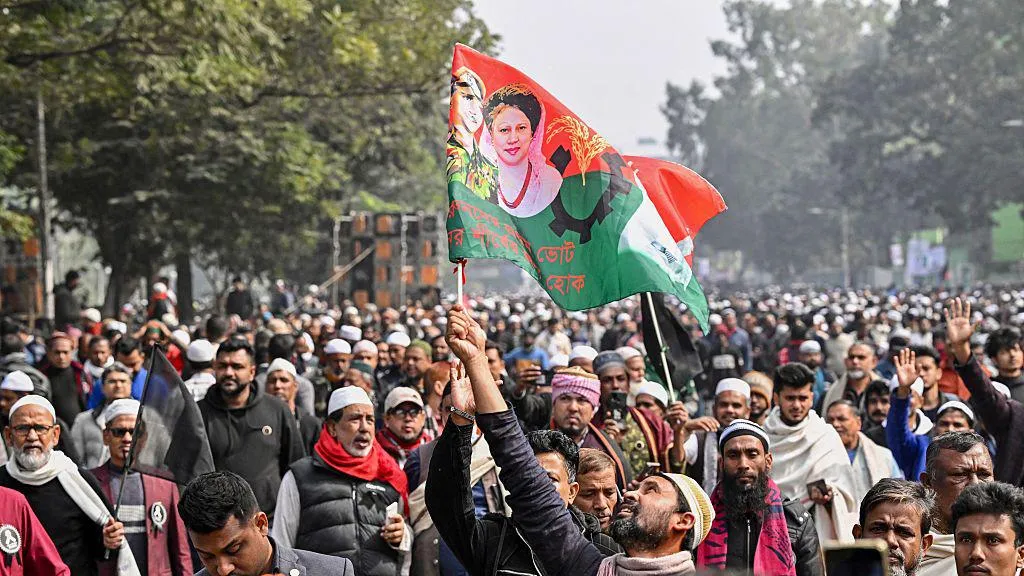
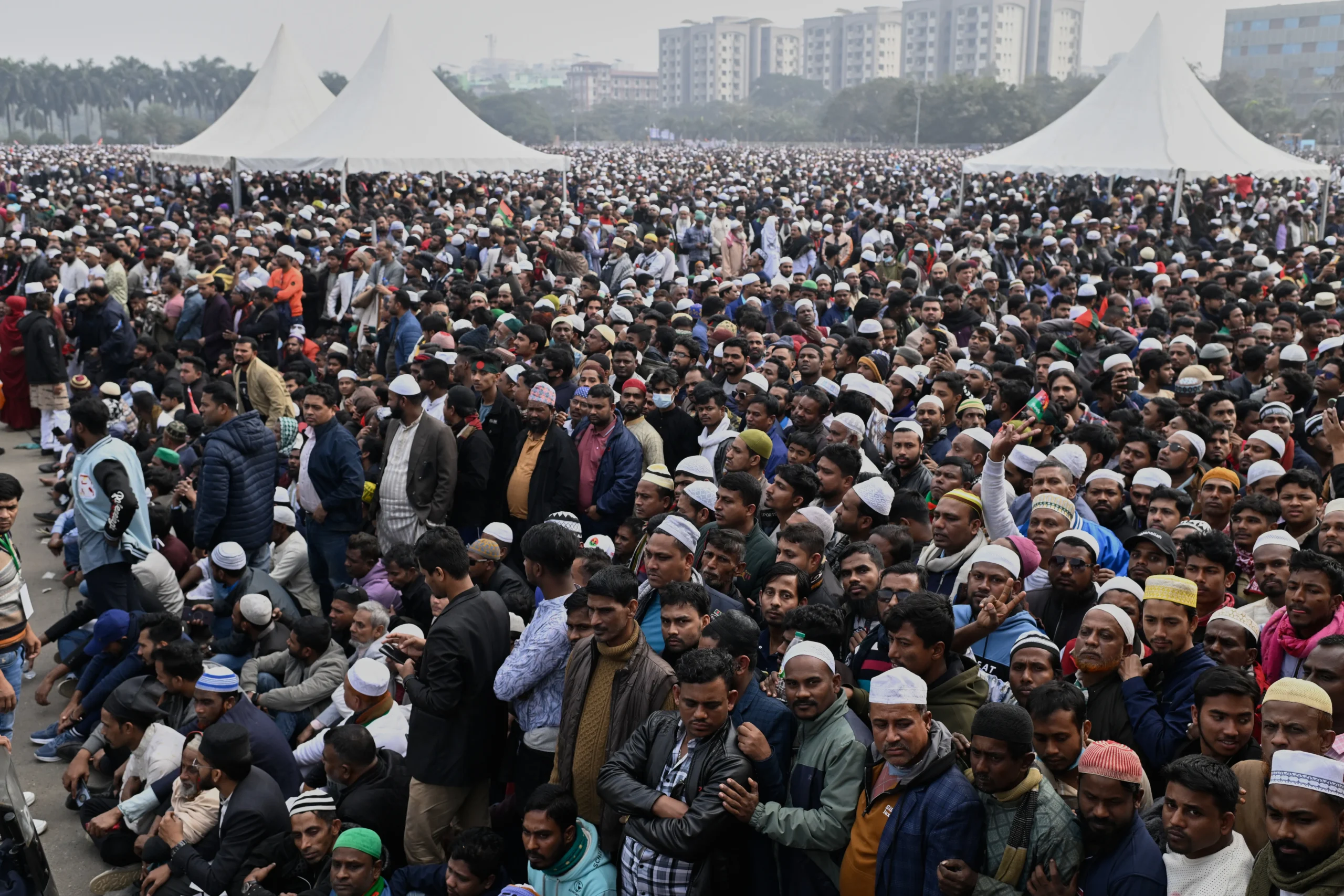
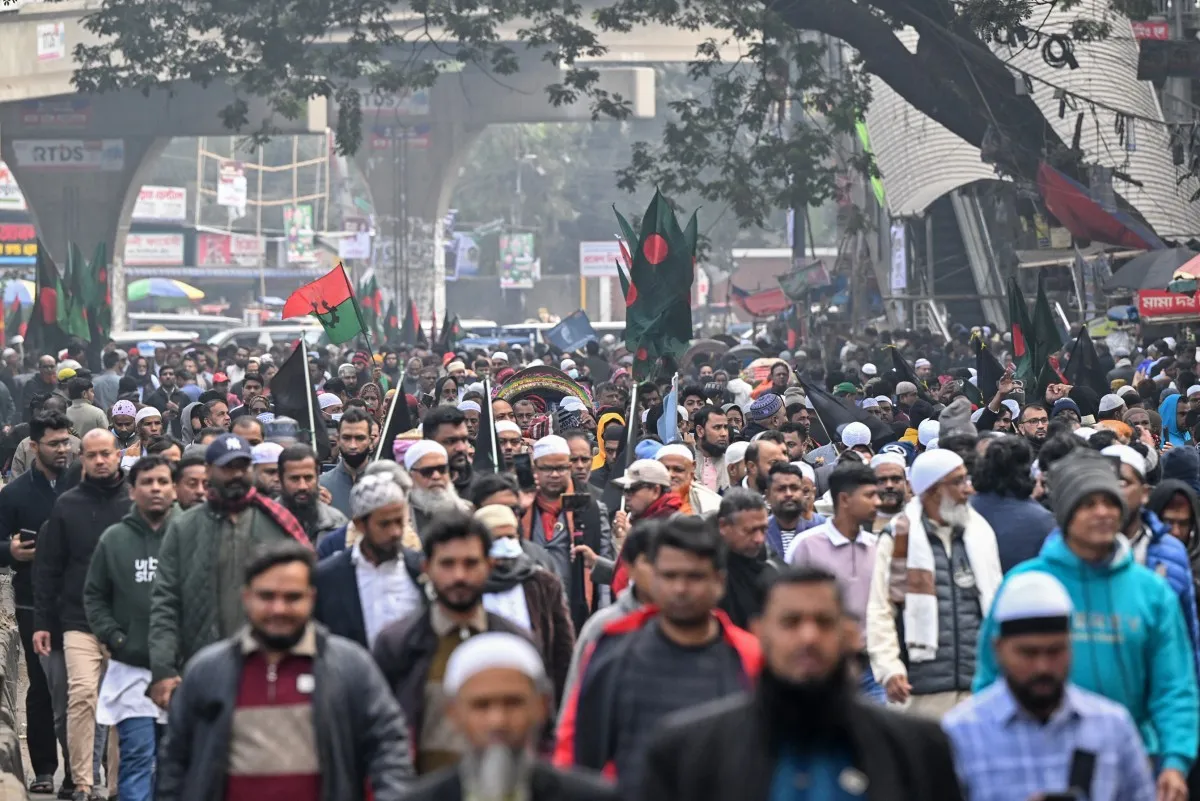
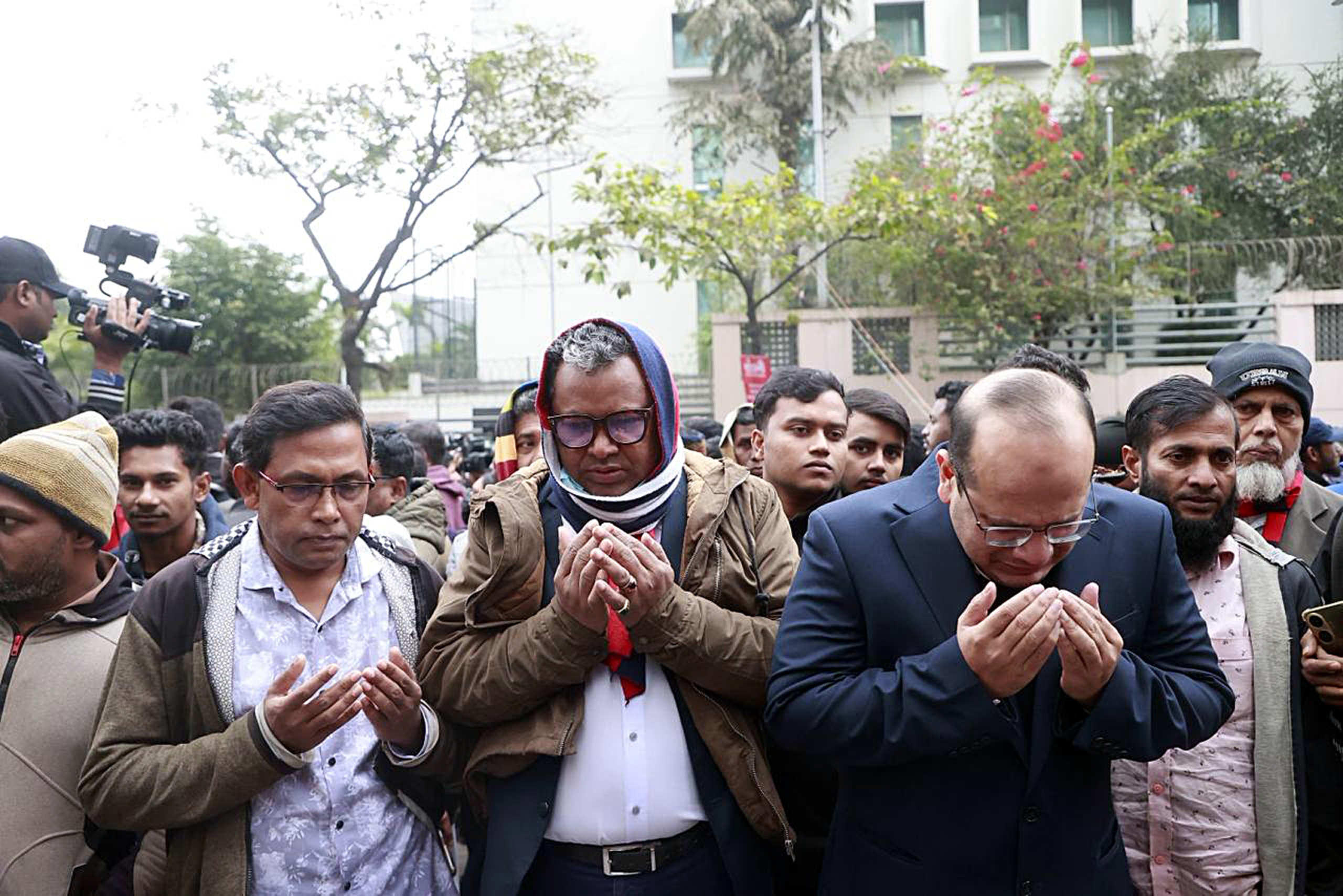
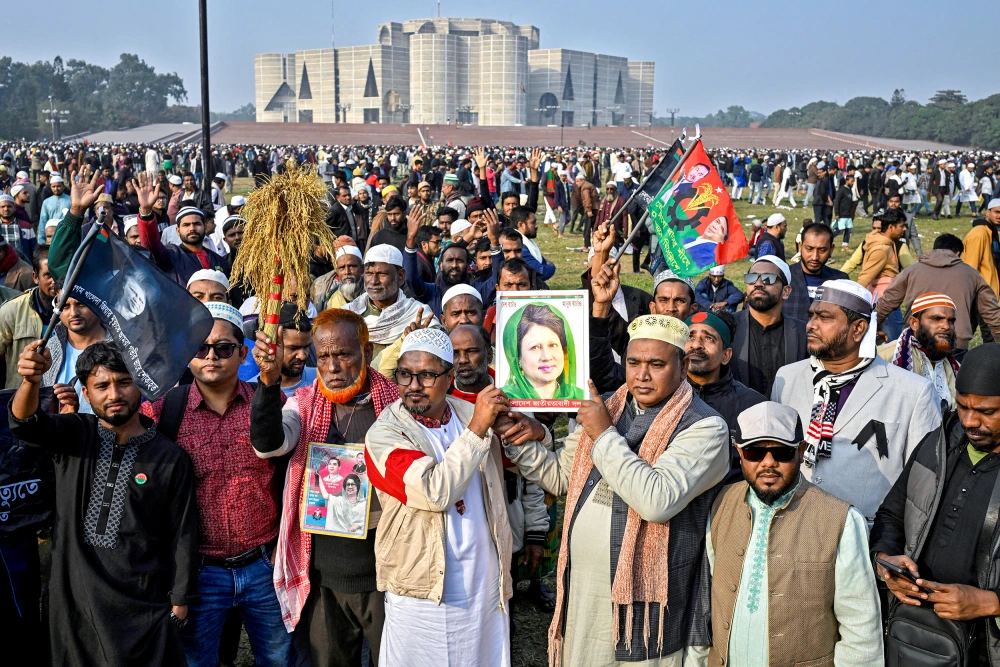
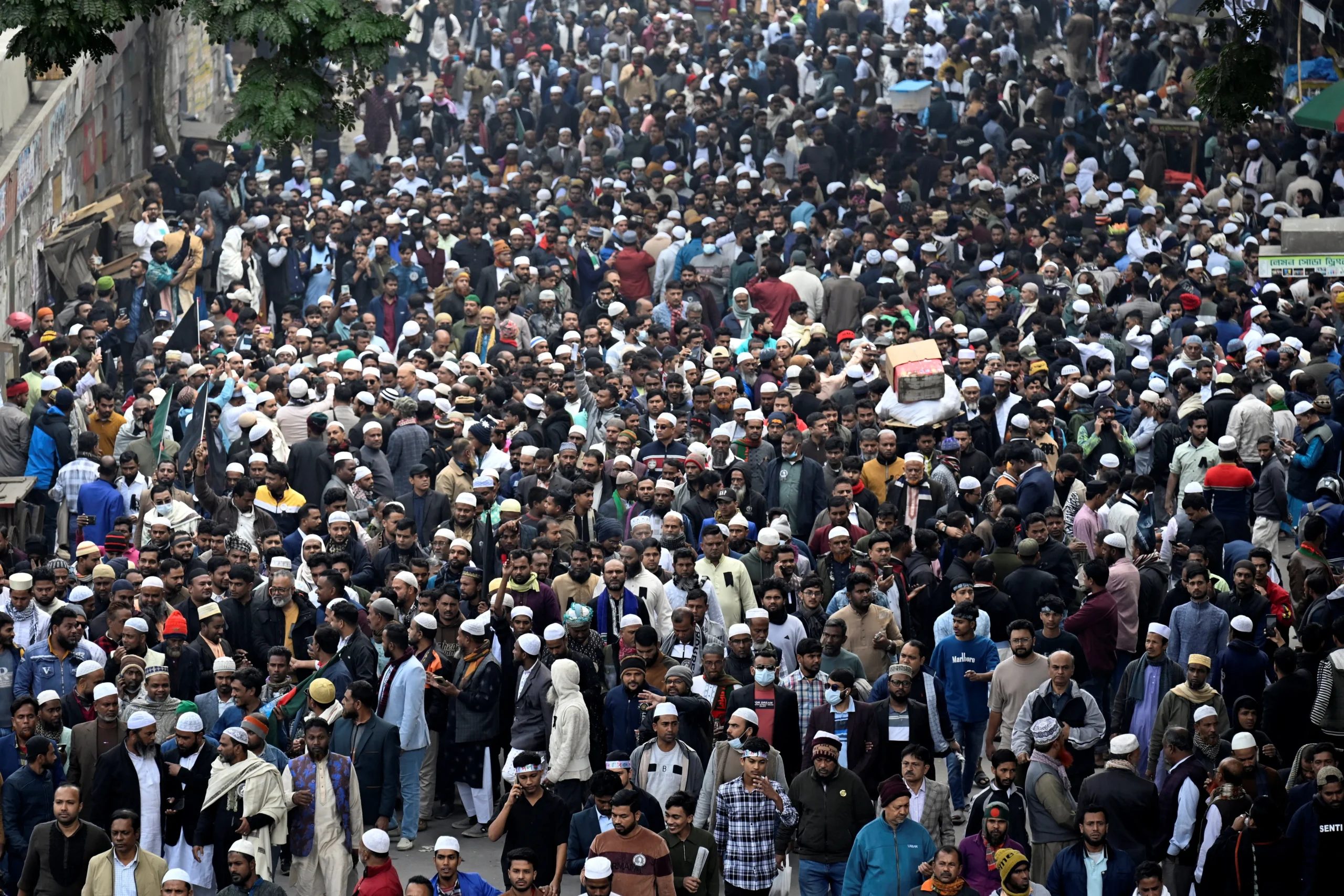
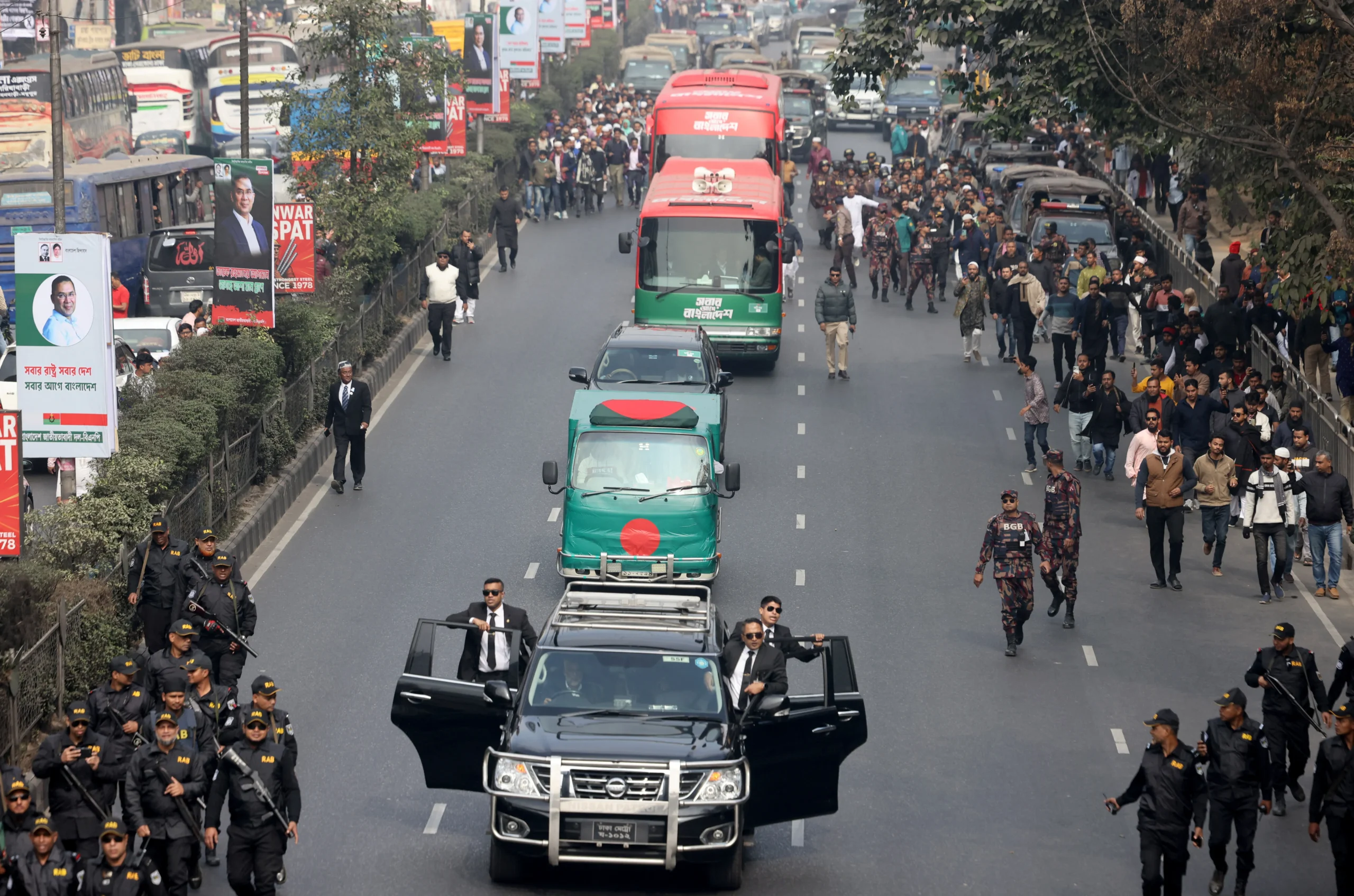
In an unprecedented outpouring of national grief, hundreds of thousands of people gathered in the streets of Dhaka on Wednesday to attend the state funeral of Khaleda Zia, Bangladesh’s first female prime minister, who passed away on Tuesday at the age of 80 following a prolonged illness. Draped in the national flag, her coffin was carried through Manik Mia Avenue to the grounds outside the national parliament, where waves of mourners—some of whom had traveled overnight from distant villages—waited in silence, prayer, and tears.
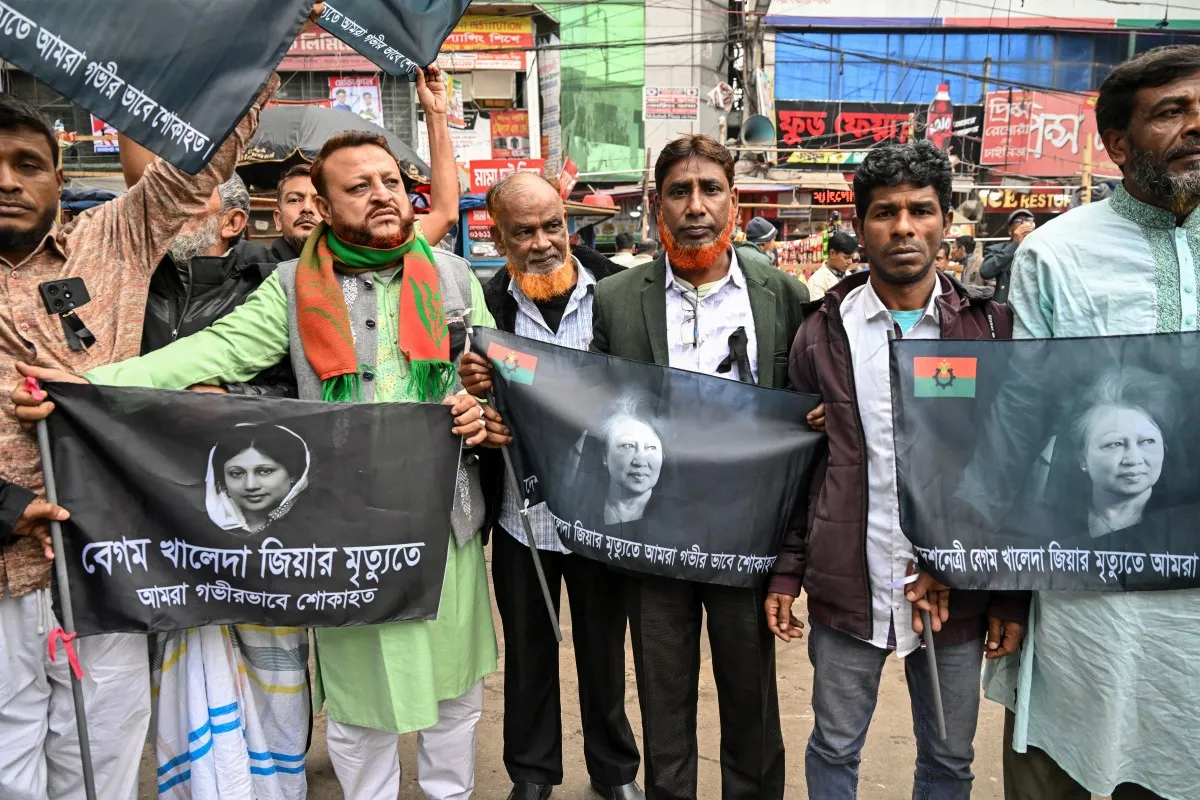
“She was our mother,” said a crying mourner as she watched the motorcade pass. Flags flew at half-mast, 10,000 security personnel were deployed, and Wednesday was declared a public holiday to allow citizens to pay their final respects. The emotion was palpable across the capital and beyond as crowds filled city streets, many raising their hands in prayer or holding flags bearing Zia’s image.
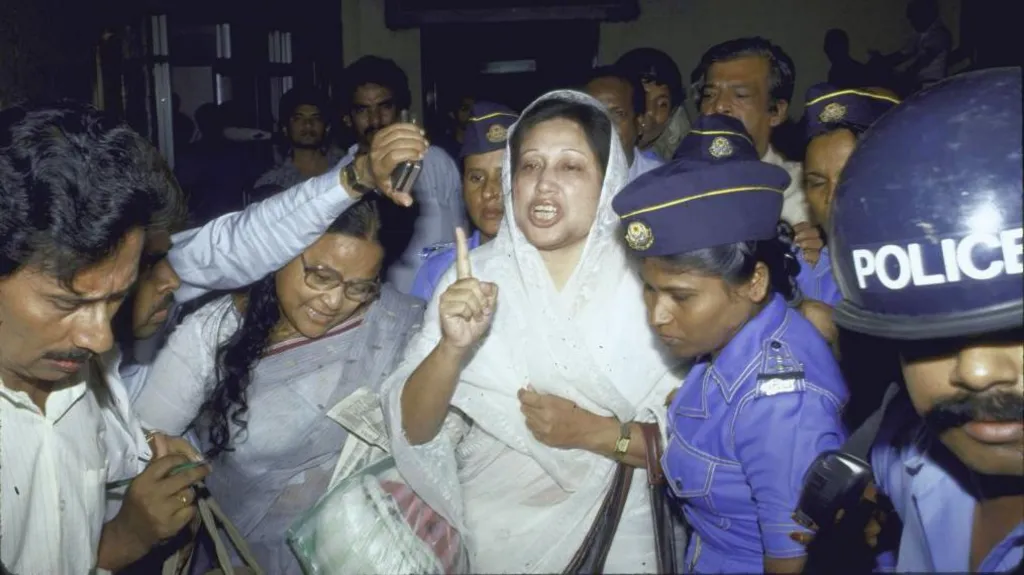
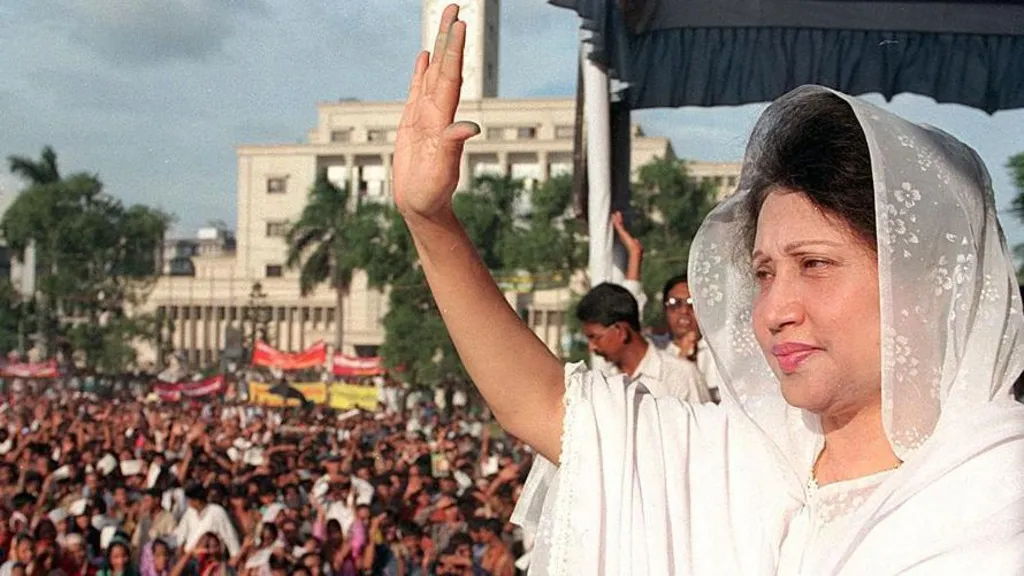
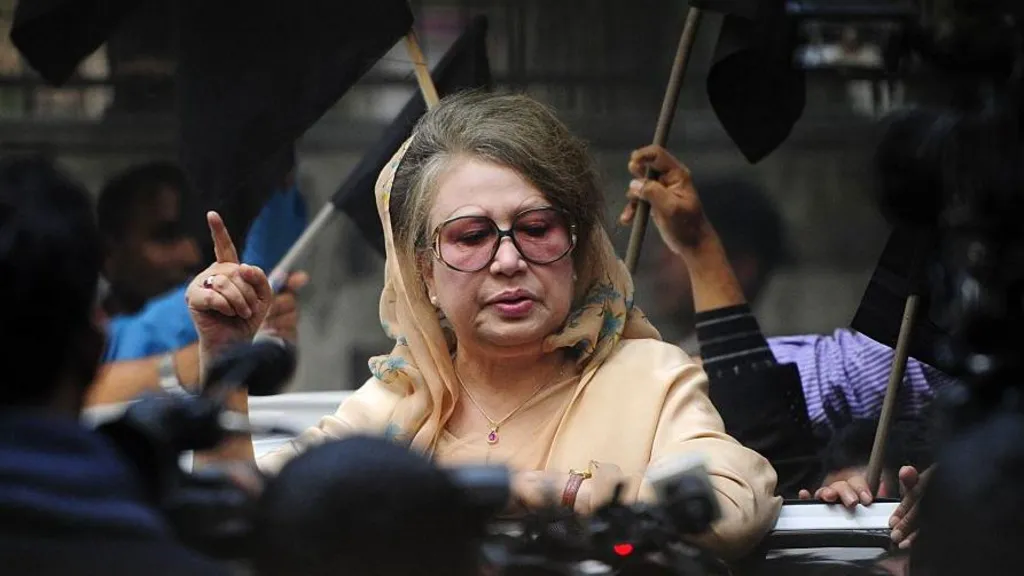
Khaleda Zia, who served as prime minister in 1991 and 2001, was not only a political leader but a symbol of resistance and democratic aspiration. She entered politics after the assassination of her husband, President Ziaur Rahman, in 1981, and went on to lead the Bangladesh Nationalist Party (BNP) through decades of turbulent political history. Her decision to boycott military-controlled elections in the 1980s earned her the moniker of an “uncompromising leader.”
“She showed us the way to democracy,” one mourner told reporters, echoing the sentiments of many who saw her as a foundational figure in Bangladesh’s modern political landscape. Even critics came to pay tribute. “I never voted for her, but her contributions will always be remembered,” said Minhaz Uddin, a retired official, standing beside his grandson.
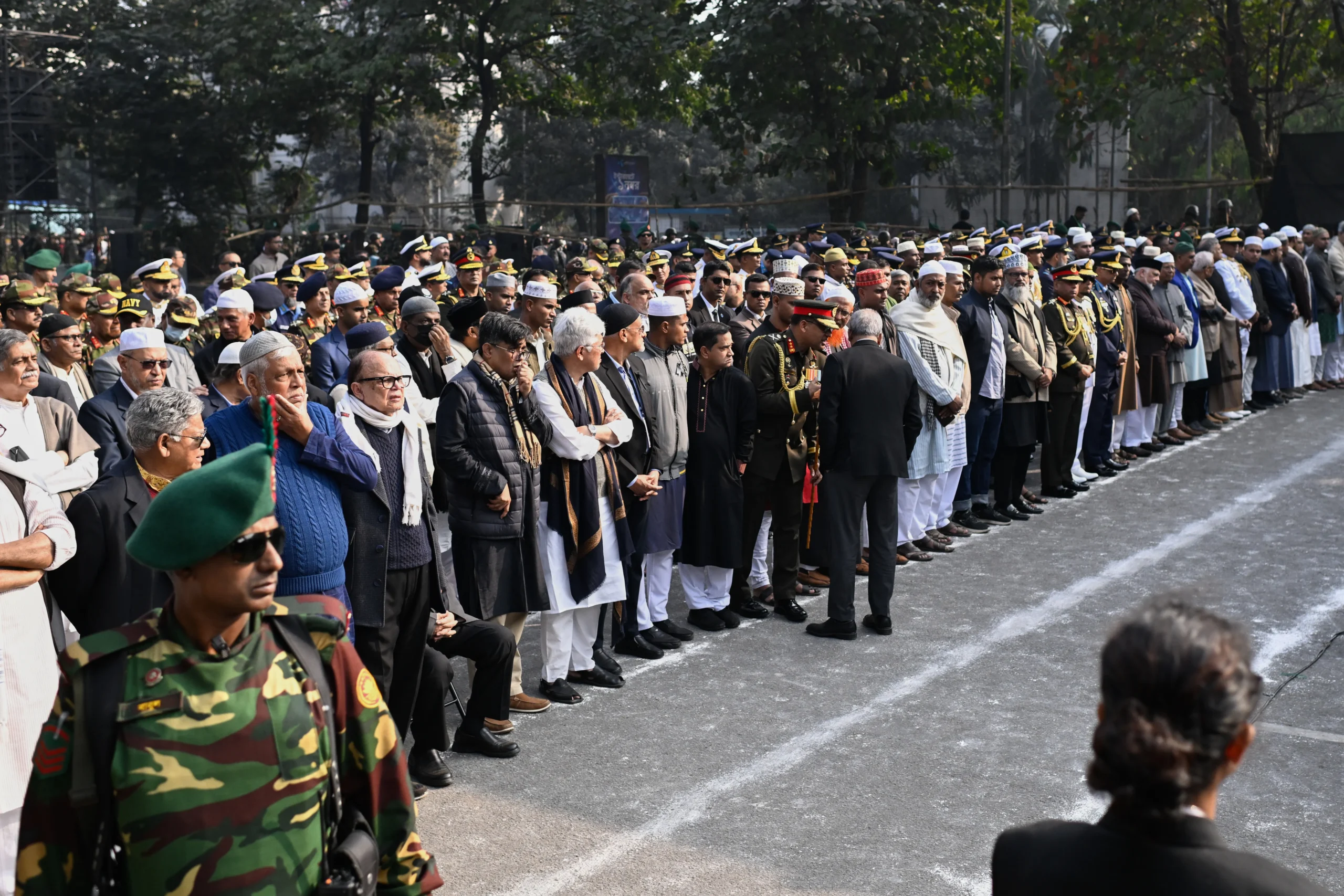
Zia’s final journey was attended by regional leaders and foreign dignitaries. India’s Foreign Minister S. Jaishankar, Pakistan’s Speaker Ayaz Sadiq, and Bhutan’s Foreign Minister DN Dhungyel were among the attendees. Local media reported that representatives from 32 countries were present.
The current acting chairman of the BNP, Zia’s son Tarique Rahman, returned to the country last week from 17 years of exile in London to be by his mother’s side. “The country mourns the loss of a guiding presence that shaped its democratic aspirations,” Rahman said. “Her resilience was unbreakable.”
Despite poor health and years of imprisonment, Zia had planned to run in the upcoming February 2026 elections, the first since last year’s mass uprising that unseated long-time rival Sheikh Hasina. According to the party’s candidate list, she was set to contest in three constituencies. Many now see Rahman as her political heir, poised to carry forward her legacy.
Zia’s life was marked by imprisonment, political battles, and unwavering resolve. During the rule of the military-backed caretaker government in 2007, she was detained. Under Hasina’s Awami League, she faced criminal charges, was jailed in 2018, and denied medical care abroad. Yet her popularity never waned. Even during her final days, she remained a unifying figure for a fractured nation.
One woman, Sharmina Siraj, remembered how Zia’s education stipends had transformed her daughters’ futures. “She was an inspiration,” Siraj said. “It’s difficult to imagine women in leadership again anytime soon.”
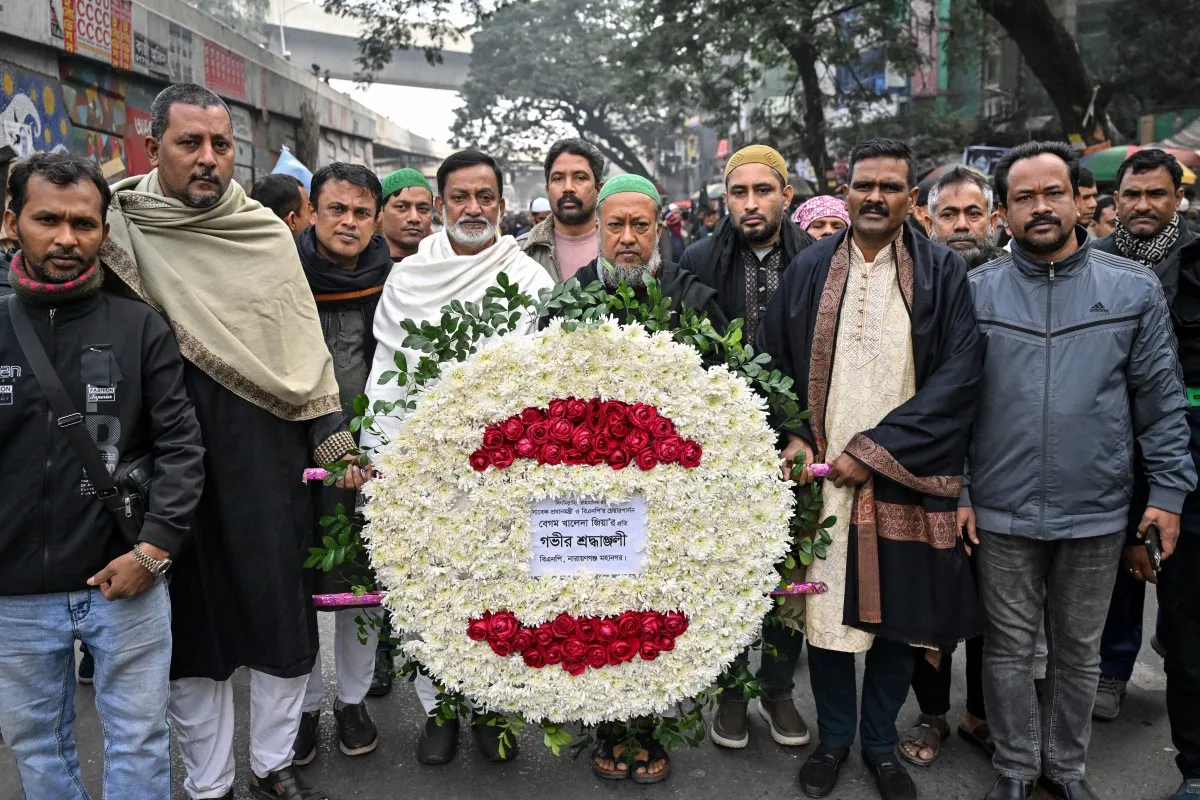
Zia was buried beside her husband in the martyrs’ section of a park near the parliament. Floral wreaths, military salutes, and tearful farewells marked the end of a chapter that helped shape Bangladesh’s post-independence democracy.
As the nation observed three days of mourning, Khaleda Zia’s legacy left an unfillable void in the political fabric of Bangladesh. More than just a politician, she was a presence that demanded attention, asked hard questions, and—most importantly—believed deeply in the power of elected leadership. Her passing closes a tumultuous yet vital chapter in South Asia’s political history.