Jessica Morgan:
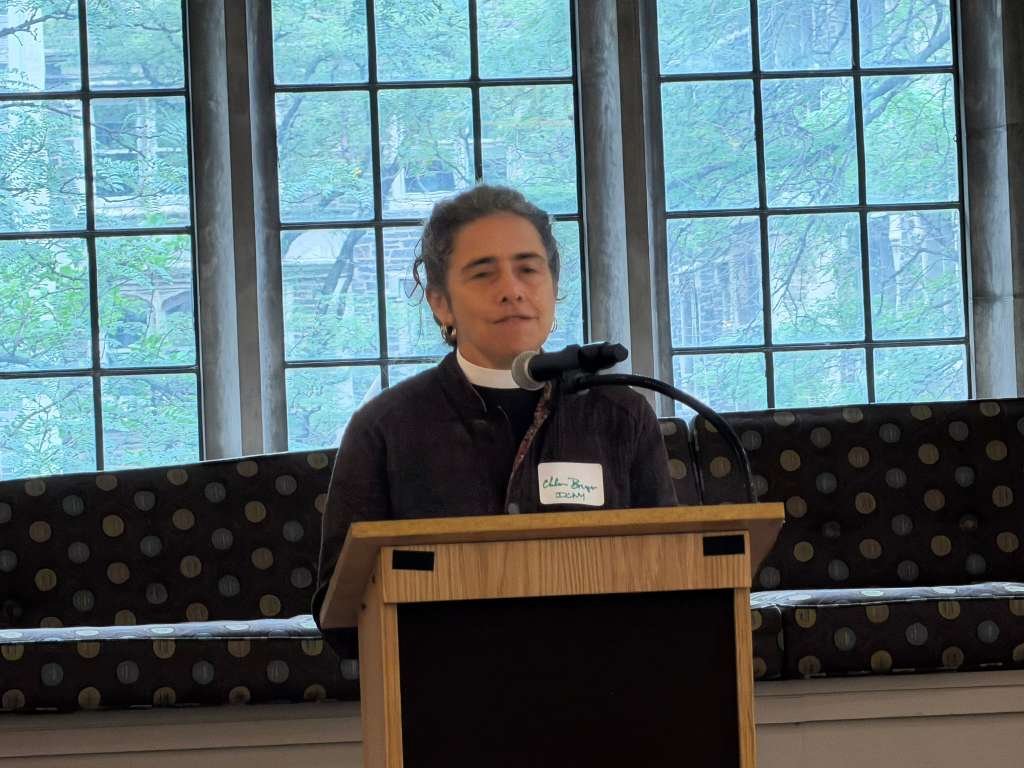
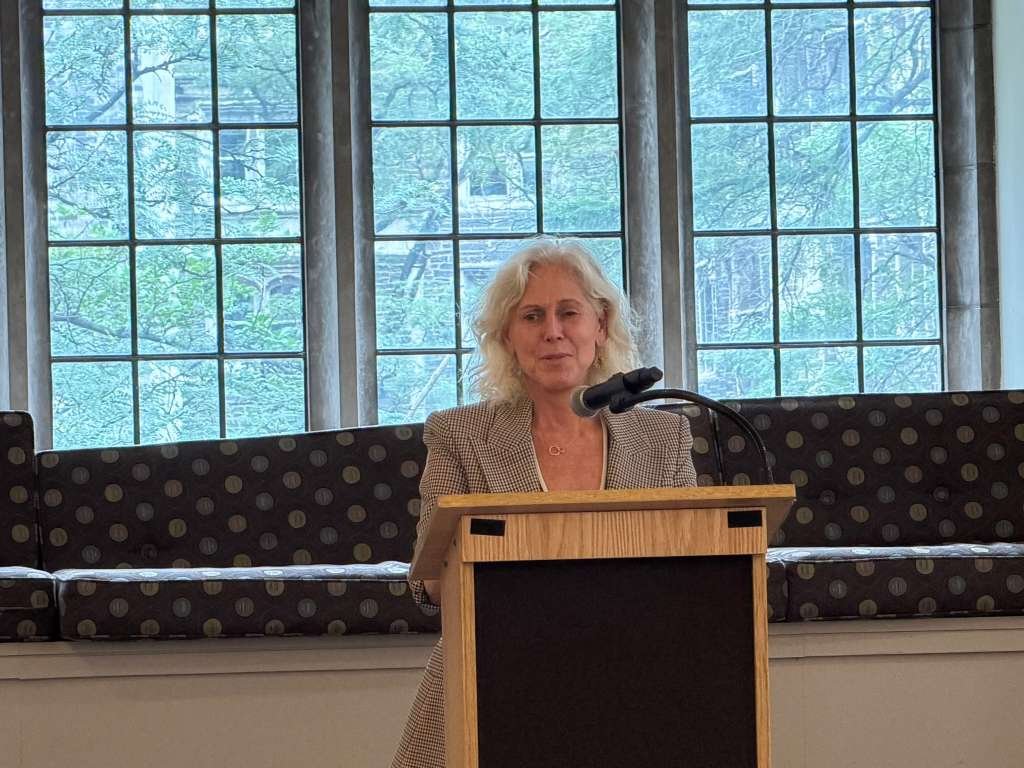
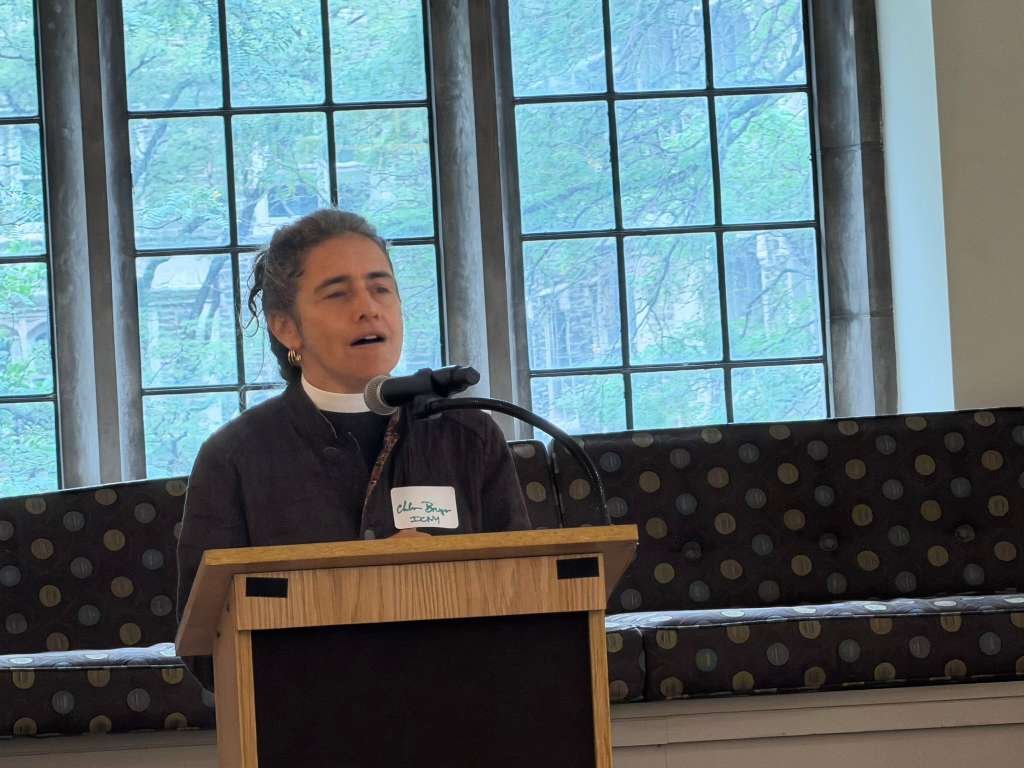
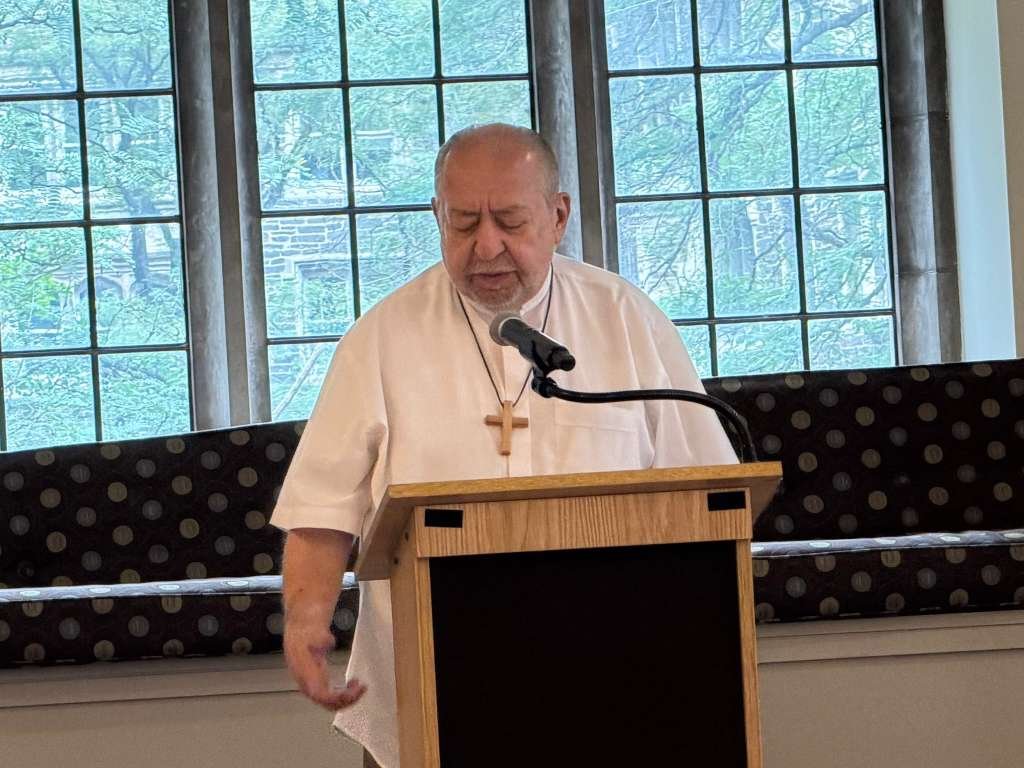
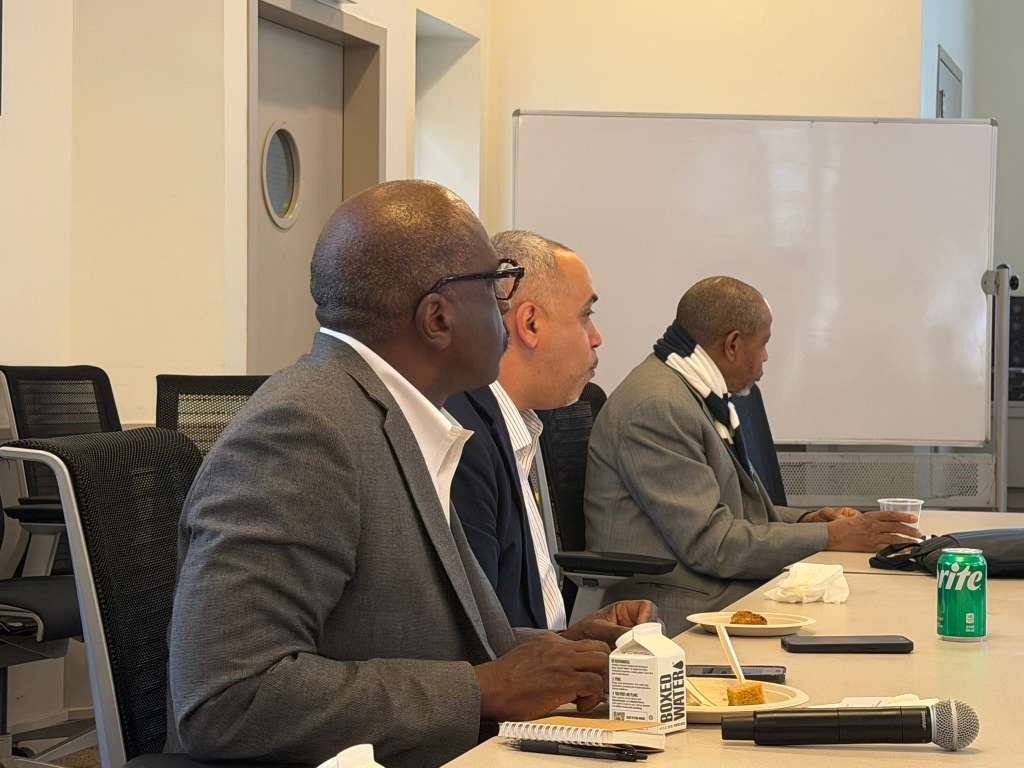
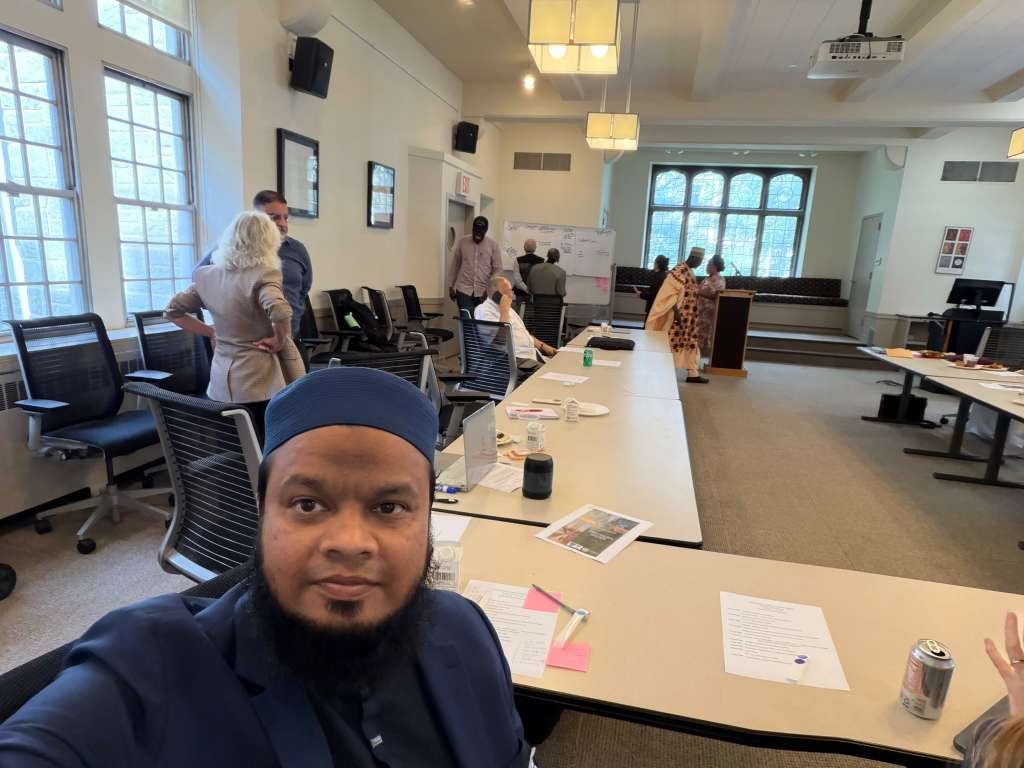
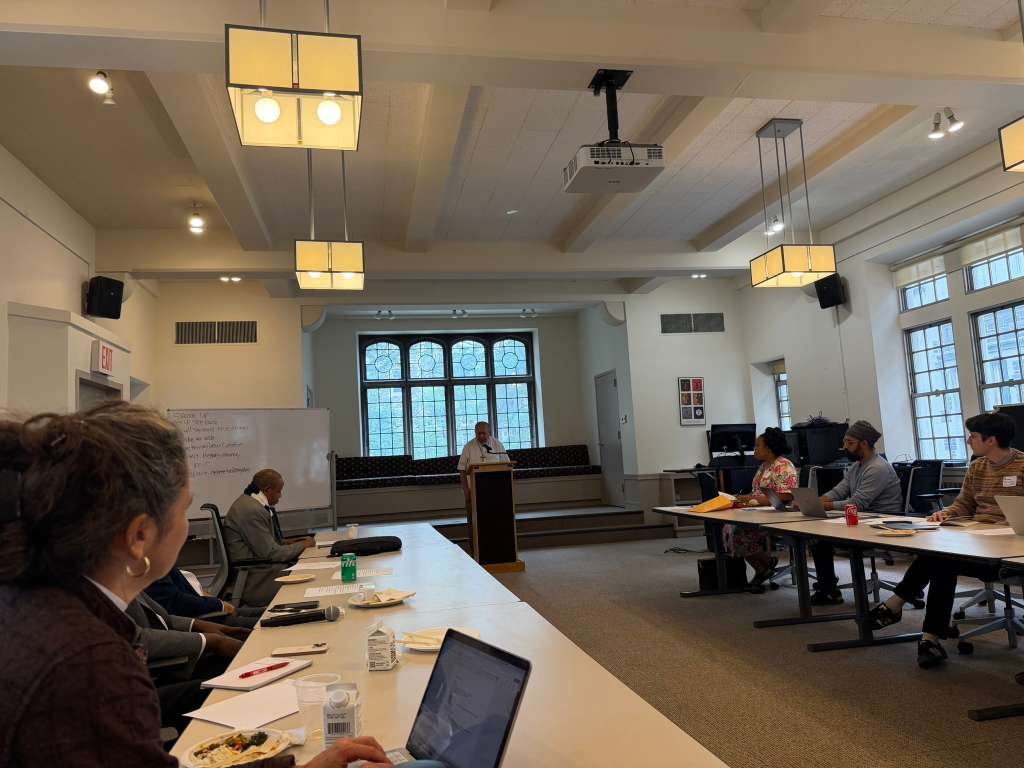
In the heart of Morningside Heights, religious leaders from across New York City gathered for a working lunch that carried both urgency and purpose. On September 22, 2025, the Interfaith Center of New York (ICNY) and Union Theological Seminary (UTS) hosted an event bringing clergy and community leaders together to begin shaping an Interfaith Social Justice Compact ahead of the upcoming New York City mayoral election.
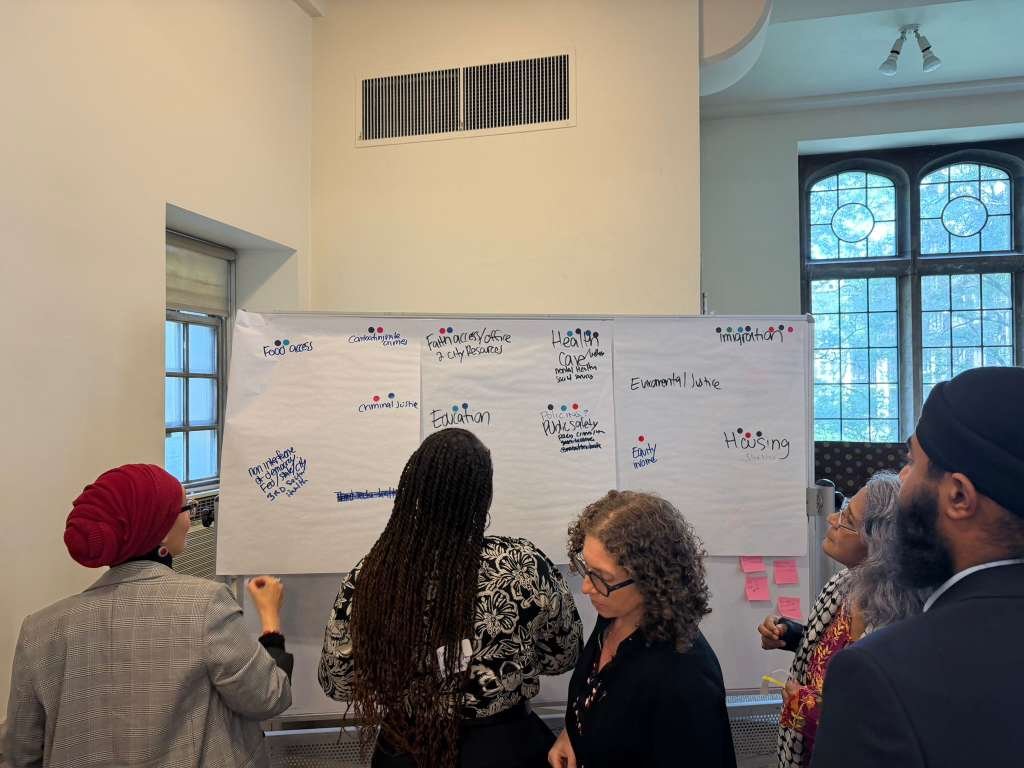
The gathering, held in the Stewart Room at Union Theological Seminary, was not just a meeting but a call to action. Drawing on the city’s vast religious diversity, leaders sought to identify shared concerns that transcend doctrinal differences. By uniting under values of justice, dignity, and equity, participants began drafting a platform that they intend to present to mayoral candidates in the months ahead.
Organizers pointed to the 2021 Economic and Racial Justice Compact as a reference point, a document that successfully outlined collective priorities during a previous election cycle. This new compact, however, comes at a time of pressing social challenges — from housing affordability and racial inequality to access to education and public safety. Leaders emphasized that faith communities are not only witnesses to these struggles but active agents of change in their neighborhoods.
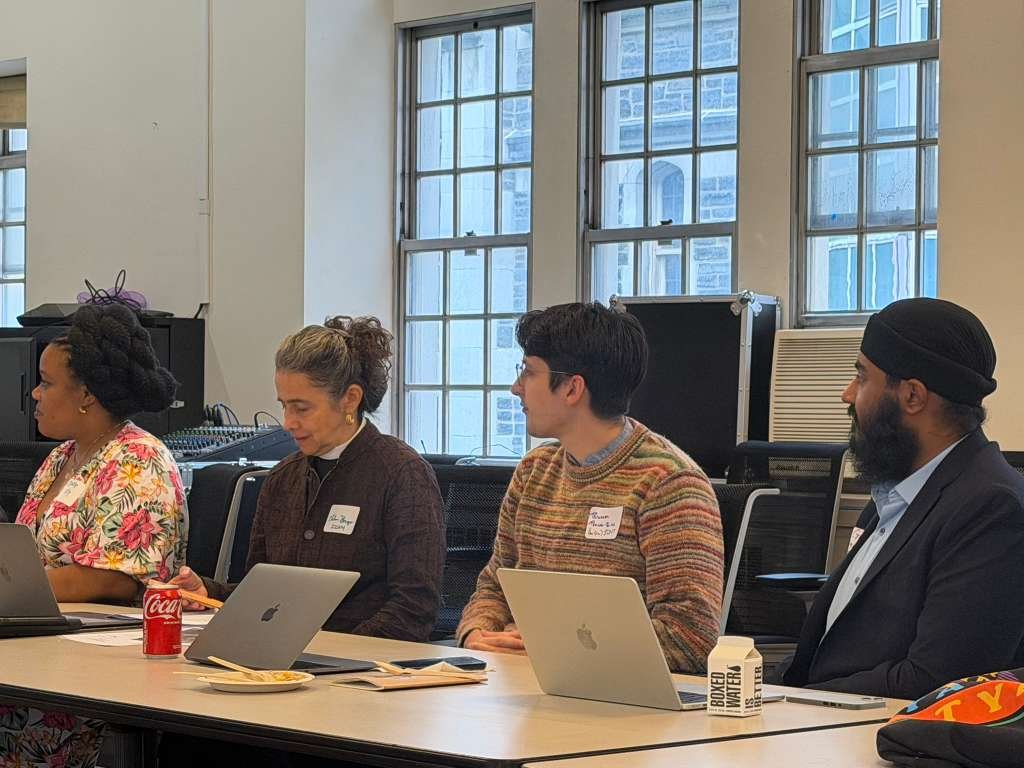
The lunch fostered candid discussions among clergy representing many of the city’s religious traditions. Attendees examined how faith voices could help shape the broader political conversation, not through partisan endorsements but by centering the moral imperatives of compassion, fairness, and accountability. As one participant noted during the exchange, gatherings like this are vital because they “remind us that no matter our differences, we share a responsibility for the well-being of this city.”
By the end of the session, concrete steps were outlined for refining and finalizing the Interfaith Social Justice Compact, with a clear commitment to holding elected leaders accountable. The effort reflects an evolving model of interfaith collaboration in New York City, one where religious leadership works hand in hand with civic processes to promote equity and justice.
For those present, the event was a reminder of the influence that faith communities continue to hold in shaping public life. It underscored that in a city as diverse as New York, unity across traditions is not only possible but essential in ensuring that leadership reflects the voices of all its residents.
For more blogs, visit nyn.press