
Alexandar Sullivan:
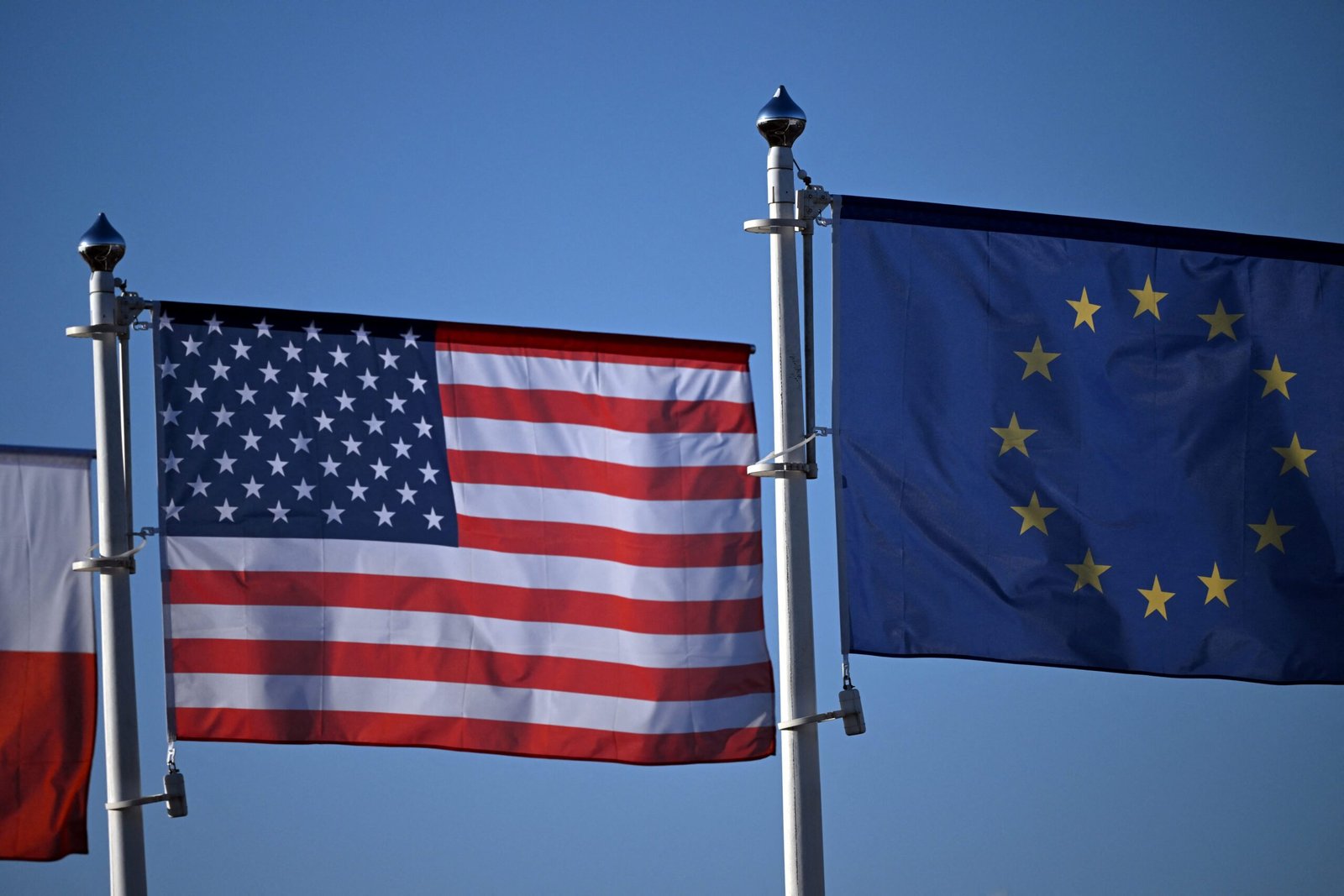
In a pivotal moment for transatlantic commerce, President Donald Trump and European Commission President Ursula von der Leyen met on Sunday afternoon, July 27, 2025, at his private Turnberry golf resort in Scotland to negotiate a trade agreement aimed at head‑off a looming trade war. With an August 1 deadline set for the imposition of 30% U.S. tariffs on most EU imports, the stakes could not be higher.
U.S. negotiators, including Commerce Secretary Howard Lutnick and Trade Representative Jamieson Greer, and EU counterpart Maroš Šefčovič were part of intense final‑hour discussions seeking a compromise rate—reportedly a 15% tariff baseline aligned with a recent U.S.–Japan agreement. The deal under consideration would spare key sectors—automobiles, pharmaceuticals, and metals—from punitive tariffs and offer industry clarity ahead of escalating uncertainty.
Despite mounting pressure, both sides expressed guarded optimism. Trump described the chance of striking a deal as “50‑50,” underscoring his demand that the EU open its markets to U.S. goods in return. EU leaders such as German Chancellor Friedrich Merz and French President Emmanuel Macron echoed hopes for resolution while preparing for fallback retaliation.
Brussels has already drafted plans for retaliatory tariffs valued at up to €93 billion ($109 bn) targeting U.S. exports including beef, aircraft, and vehicles if talks collapse. Diplomats noted that internal divisions within the EU—between countries demanding concession and others resisting asymmetrical deals—add complexity to securing unanimous approval.
As global markets watched closely, the success of this Scotland summit could prevent severe disruption to $1.6 trillion in bilateral trade, affecting industries on both sides of the Atlantic. If concluded, the deal would mark a landmark achievement in Trump’s second administration and set a critical precedent for U.S. trade relations with its largest economic partner.
For more blogs, visit nyn.press


