
Taslima Haque:
In a country still adjusting to the long-term impacts of a global pandemic, rising social isolation, and persistent health disparities, President Donald J. Trump’s declaration of May 2025 as National Mental Health Awareness Month comes at a pivotal moment. Mental health has taken center stage in public policy, personal wellness, and national dialogue—no longer a fringe issue, but a defining challenge of our time.
“Mental illnesses can affect anyone, regardless of their background or circumstances. No person should have to face these challenges alone,” reads the proclamation. The message resonates across generations, from teens grappling with anxiety to older adults experiencing loneliness and cognitive decline. It serves as both a recognition of the widespread crisis and a call for sustained action.
The Pan American Health Organization (PAHO) reports that mental disorders are now the leading cause of disability worldwide, contributing to about 20% of all lost healthy life days. Conditions like depression, anxiety, PTSD, and substance use disorders often go untreated, with only 10% of those in need receiving proper care.
Among the most common and misunderstood conditions is anxiety. Unlike momentary stress, anxiety disorders can lead to chronic symptoms—racing heart, restlessness, nausea, and overwhelming dread—that interfere with daily life. Despite their prevalence, these conditions are still shrouded in stigma and often go unaddressed, especially among vulnerable populations.
To tackle the issue head-on, the administration’s Make America Healthy Again Commission is leading a coordinated effort to expand access, eliminate systemic barriers, and integrate mental health into the broader framework of public health. A significant focus is the relationship between nutrition and mental wellness. Poor diet, food insecurity, and stress are all contributors to mental health decline, making lifestyle interventions an important piece of the prevention puzzle.
The proclamation also highlights a particularly urgent need: improving care for military veterans, many of whom return from service with deep trauma. “No one who has defended our country should struggle to get support when they need it most,” it states. Veterans often face long wait times, a shortage of mental health providers, and a persistent stigma surrounding psychological support. Addressing these barriers is critical in light of elevated suicide and PTSD rates in military communities.
Outside of government, community organizations and advocacy groups are working to fill the gaps. Across the country, groups like the National Council for Mental Wellbeing and Mental Health UK are launching awareness campaigns, conducting educational workshops, and promoting early intervention. These local and national efforts are helping to normalize mental health conversations and reduce the shame often associated with seeking help.
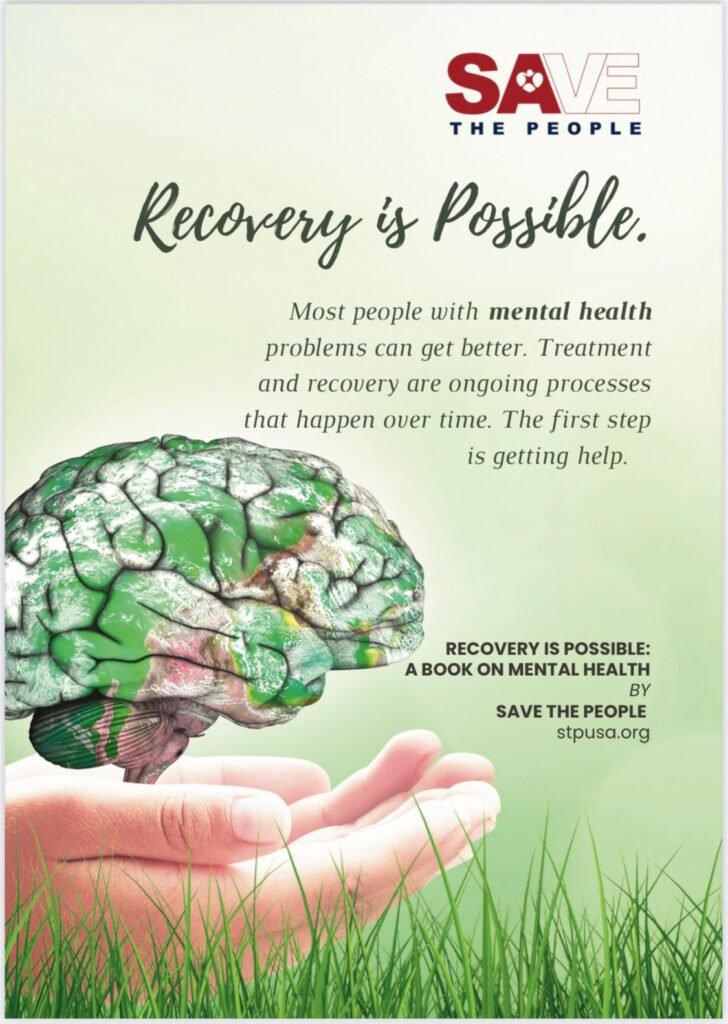
Adding to these initiatives, the nonprofit SAVE The People has published a free online book that offers educational resources, self-help strategies, and insights into systemic challenges. Designed for wide accessibility, the book is available at stpusa.org, and aims to empower individuals, families, and communities to better understand and support mental well-being.
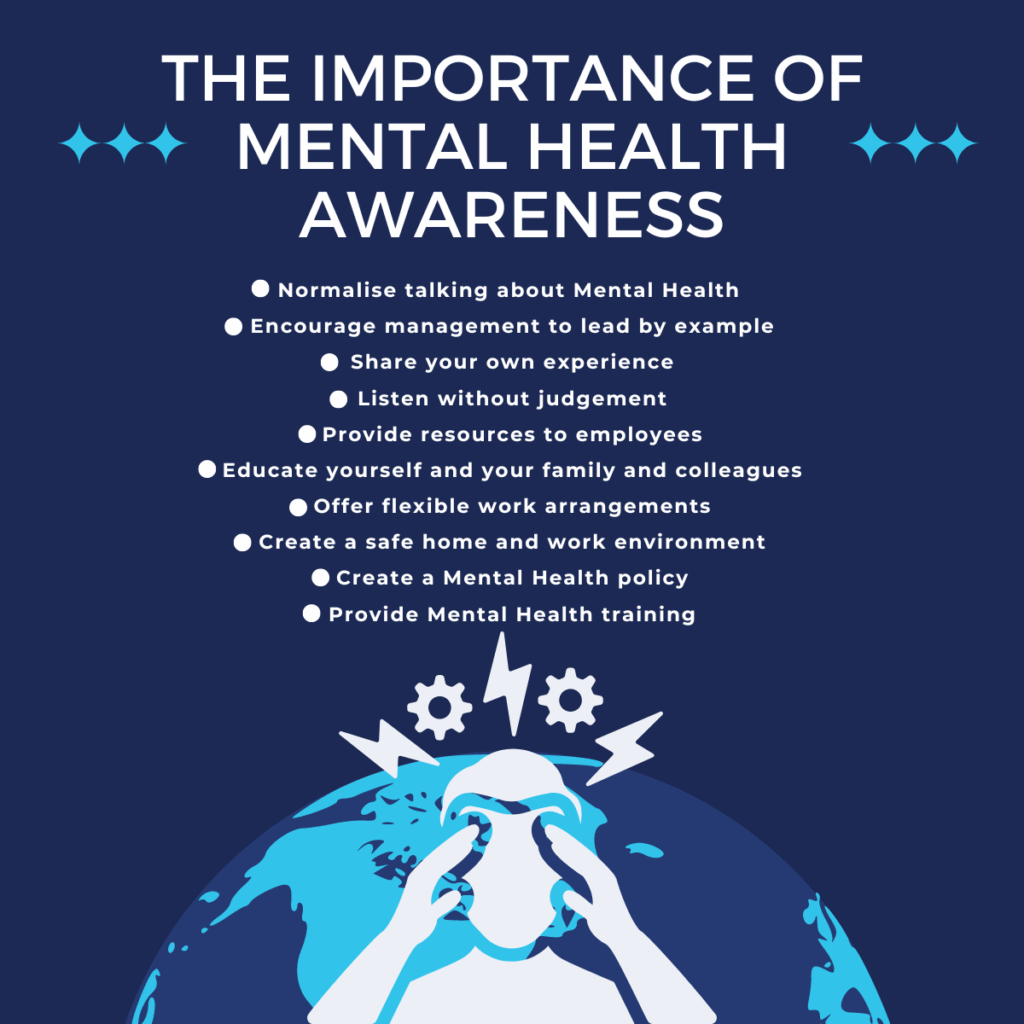
Experts emphasize that real progress will require more than awareness—it demands action. In workplaces, leaders can promote mental health by creating supportive environments, offering flexibility, and investing in employee wellness programs. In schools, the inclusion of mental health curricula and access to counselors are increasingly seen as essential steps in addressing the youth mental health crisis.
At home, individuals are encouraged to initiate open conversations, check in on loved ones, and listen without judgment. Simple gestures—like asking someone how they’re really doing—can be surprisingly powerful. On a broader level, public support for mental health funding, advocacy for policy change, and participation in awareness events can help shift the cultural narrative.
One of the most pressing concerns remains equity. Marginalized communities—especially racial minorities, immigrants, and LGBTQ+ populations—often face compounded obstacles such as language barriers, lack of culturally competent care, and inadequate insurance coverage. Addressing these disparities must be a priority if progress is to be inclusive and effective.
The mental health workforce shortage also looms large. With a limited number of licensed therapists and psychiatrists—especially in rural and underserved areas—many people face months-long waits for care. Proposed solutions include expanding telehealth services, offering tuition incentives to mental health professionals, and investing in community-based mental health centers.
As President Trump stated in his May 5 proclamation, “Together, we will build a stronger, healthier future for all.” The message echoes the sentiment that mental health is not an isolated issue—it intersects with economics, education, housing, and healthcare access. It is a public health issue, a human rights issue, and a national priority.
This year’s observance of Mental Health Awareness Month reminds Americans that healing is possible, support is available, and no one should suffer in silence. While the challenges are vast, the momentum is growing. Thanks to community-driven initiatives, government action, and growing public awareness, there is hope that mental health will no longer be treated as an afterthought—but as a fundamental aspect of overall well-being.
Awareness is the first step. The next is commitment—from individuals, institutions, and leaders alike. Whether it’s checking in on a friend, supporting mental health policies, or simply taking a moment to listen—every action matters.
Mental health is everyone’s issue. And May 2025 is a powerful reminder that we all have a role to play.
For more blogs, visit nyn.press


